Why dehull
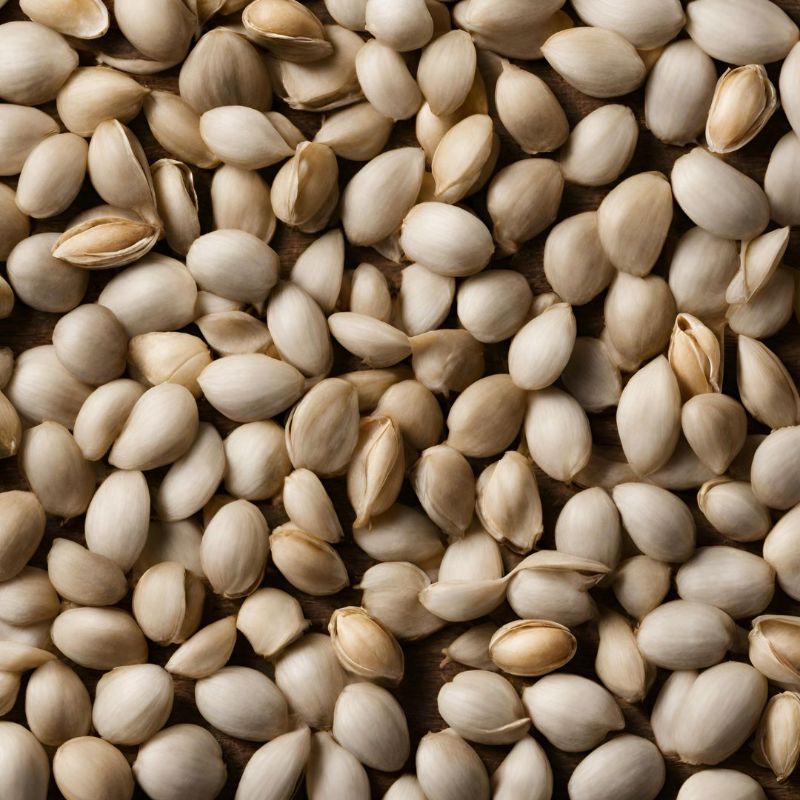
- Separate non‑food parts: much of many crops is husk, shell or stem.
- Access the nutrients: removing the bran exposes a grain rich in starch and protein.
- Extract oil: dehulling is essential before pressing sunflower, soybean and rapeseed.
- Improve digestibility: hard‑to‑digest parts are removed.
- Reduce waste: hulls become a separate stream that can be used, not discarded.
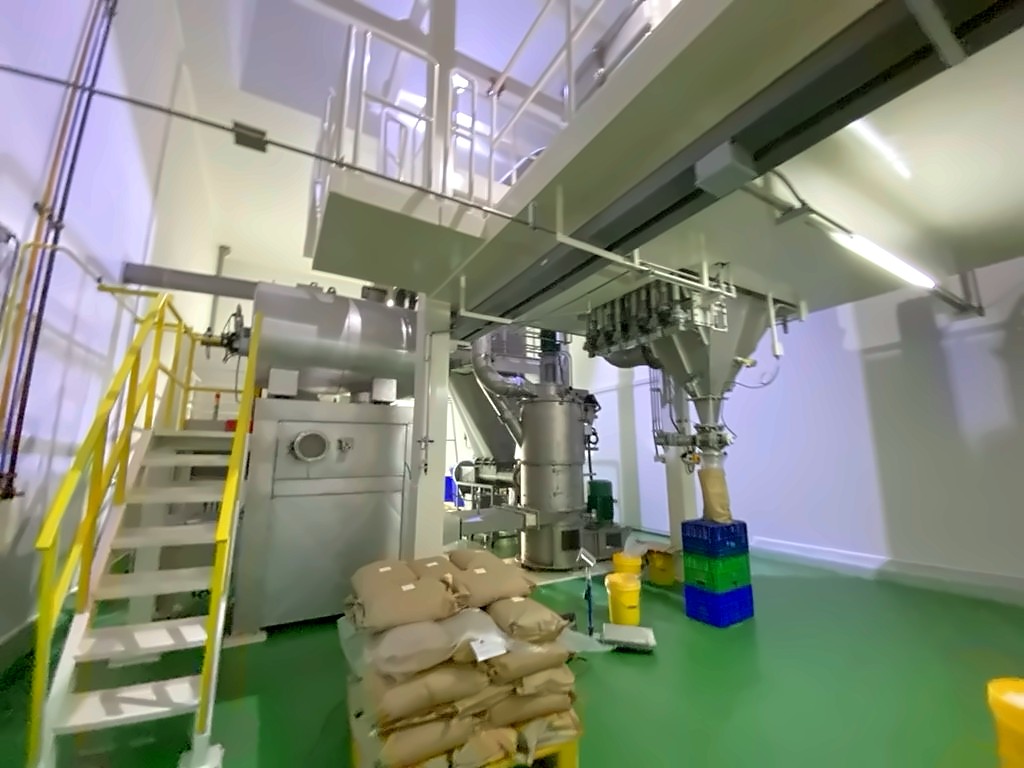
The process line
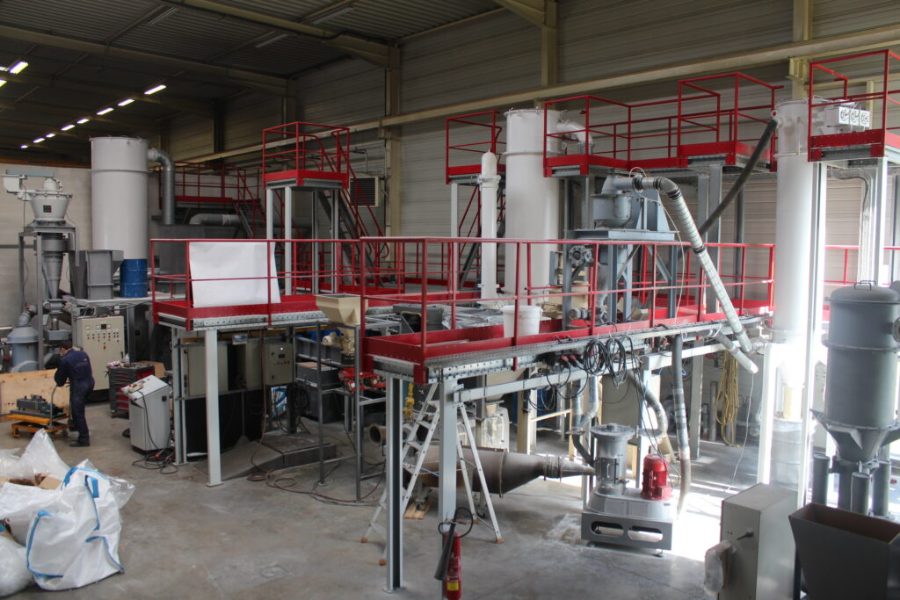
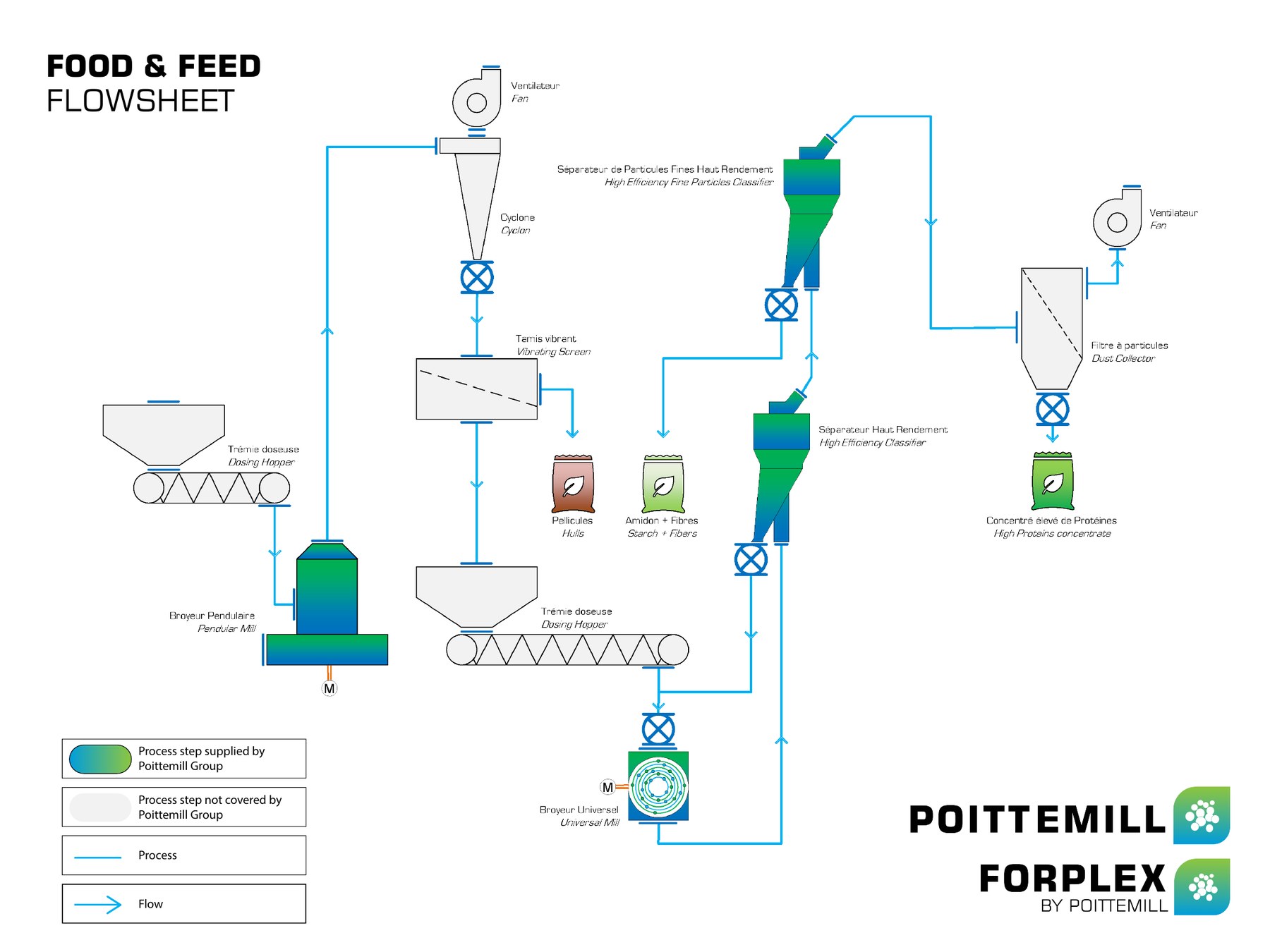
- Raw material preparation: grain or oilseed is cleaned of impurities and foreign matter.
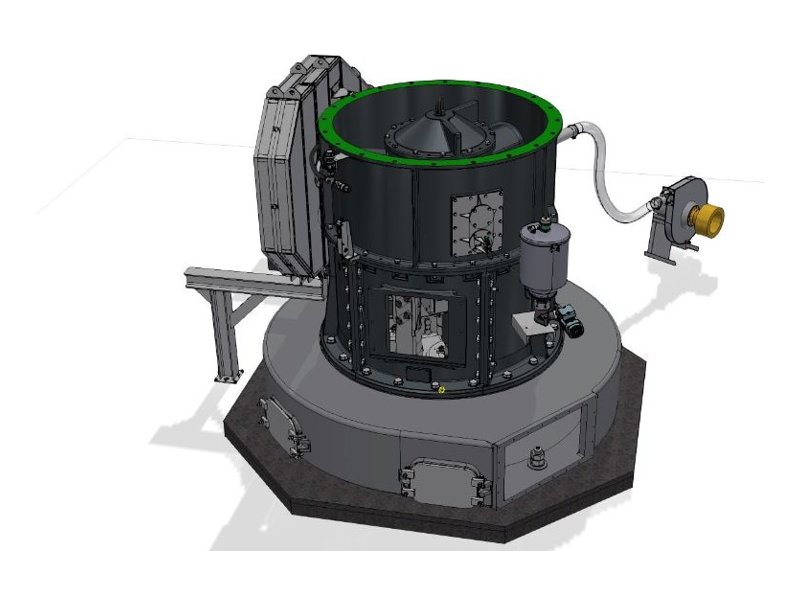
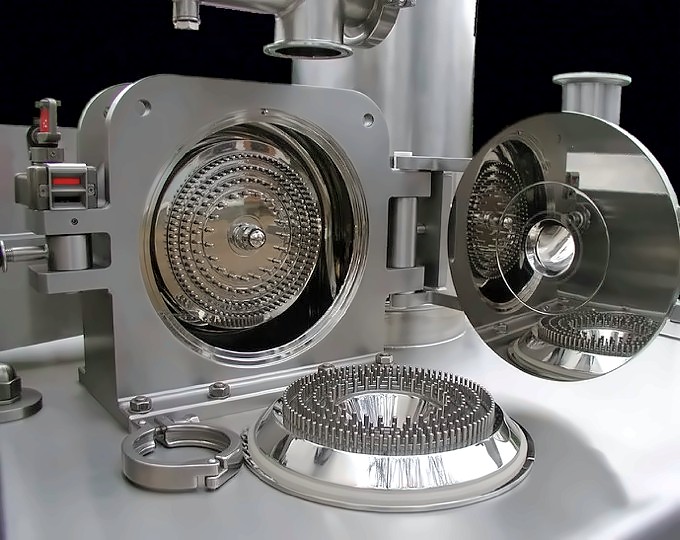
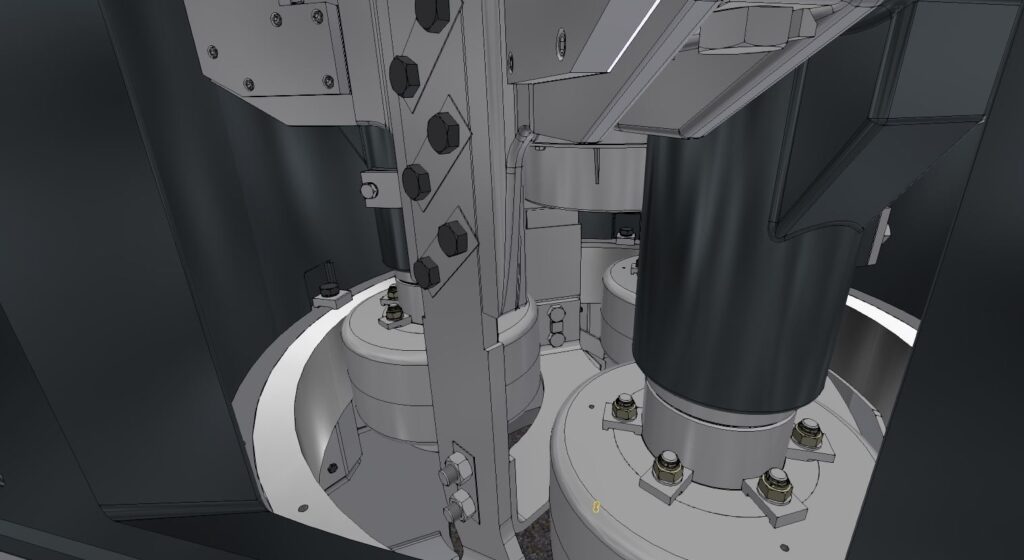
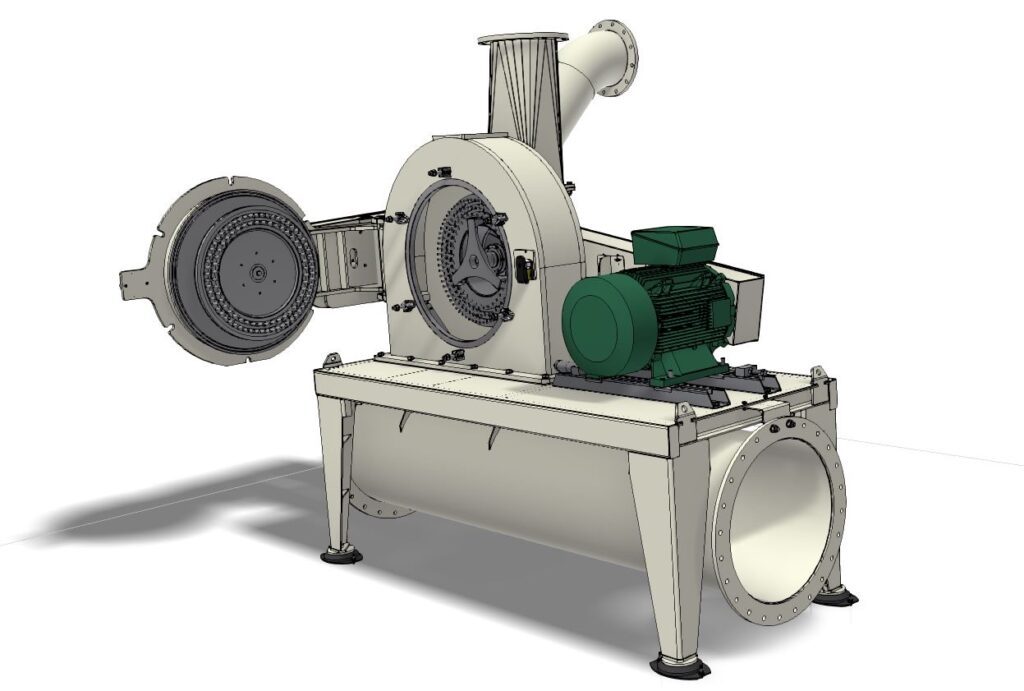
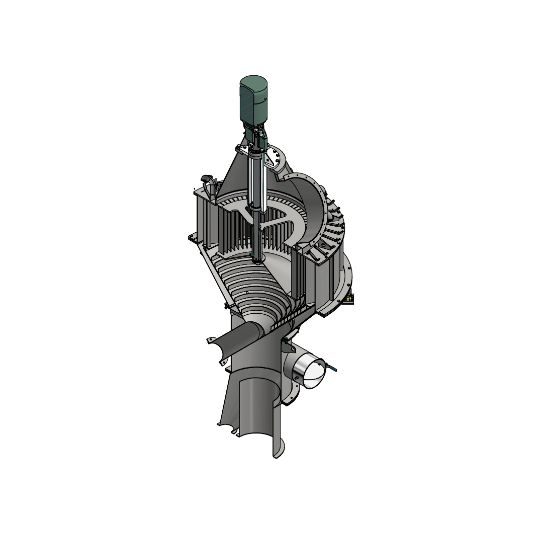
- Initial grinding: the mill cracks the outer hull and weakens it without destroying the kernel.
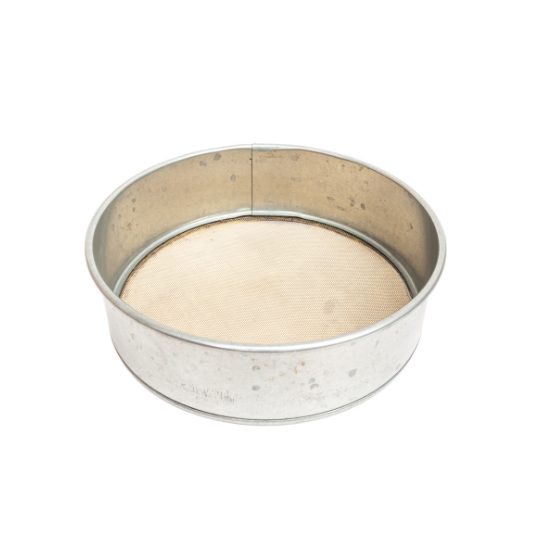
- Sorting and classification: sieves, sifters or separators split outer and inner parts by size.
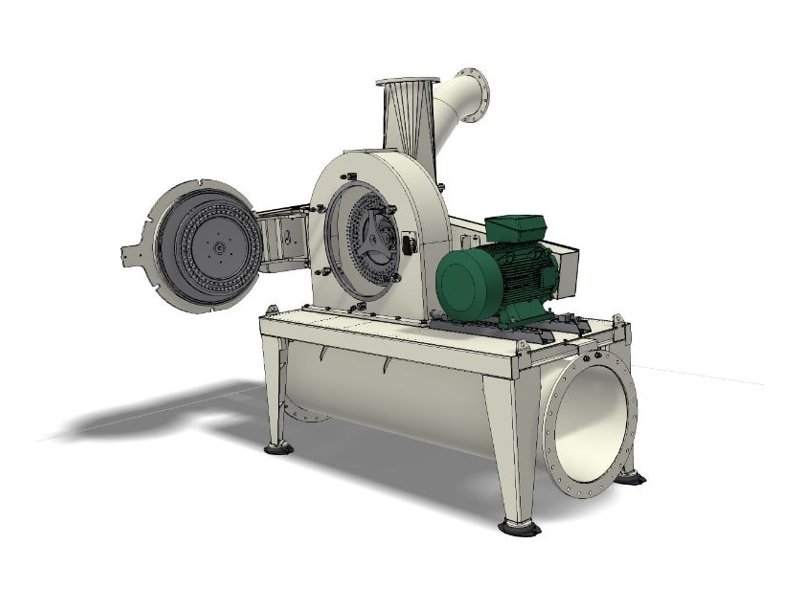
- Fine grinding: adjustable mills separate the remaining hull from the kernel and set the particle size.
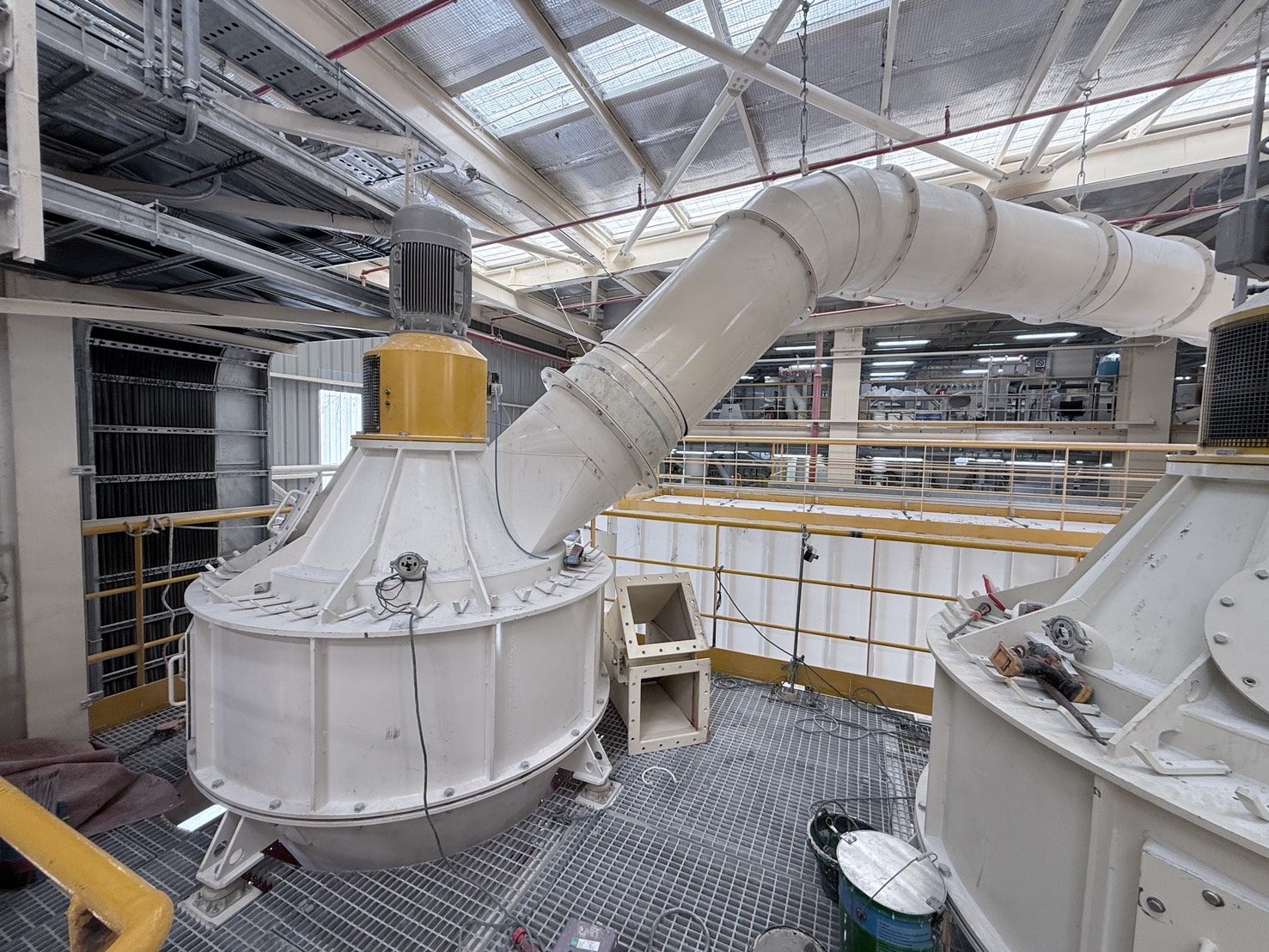
- Fraction separation: air currents carry the light hulls away and the heavier kernel fraction is recovered.
- Quality control: separation is checked along the line against the required standard.
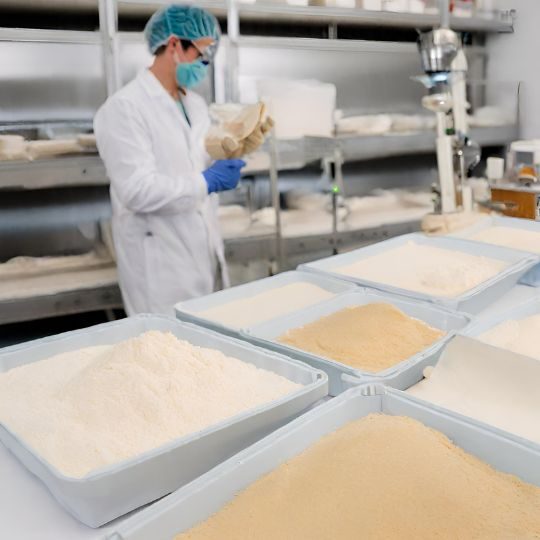
- Storage or further processing: the kernel fraction goes to flour, protein, biofuel or other uses.
Where it leads
Dehulled kernels are the starting point for plant protein by dry fractionation. Hulls and fibre can be ground for other uses, see biomass and by‑product grinding.
Trials with your material
Small grinding and classification trials run at PTC ASEAN in Chonburi on a POITTEMILL FNG laboratory mill. Larger or specialised trials run at the POITTEMILL test centre in Béthune, France, at pilot and full scale, to set machine, parameters and process before you invest.