TSK Powder Technical Center

Home / Applications / Plant protein by dry fractionation

POITTEMILL

Application · POITTEMILL

Plant protein concentrate by dry fractionation

Dry fractionation turns seeds into a protein‑rich and a starch‑rich fraction using only grinding and air classification. No water, no solvent and no drying step.

Plant protein by dry fractionation

The process line

  • Dehulling: shells and hulls are removed so only the kernel is milled.
  • Grinding: impact, attrition or compression mills break the flour down to the size of its starch granules and protein bodies, chosen for the raw material and project.
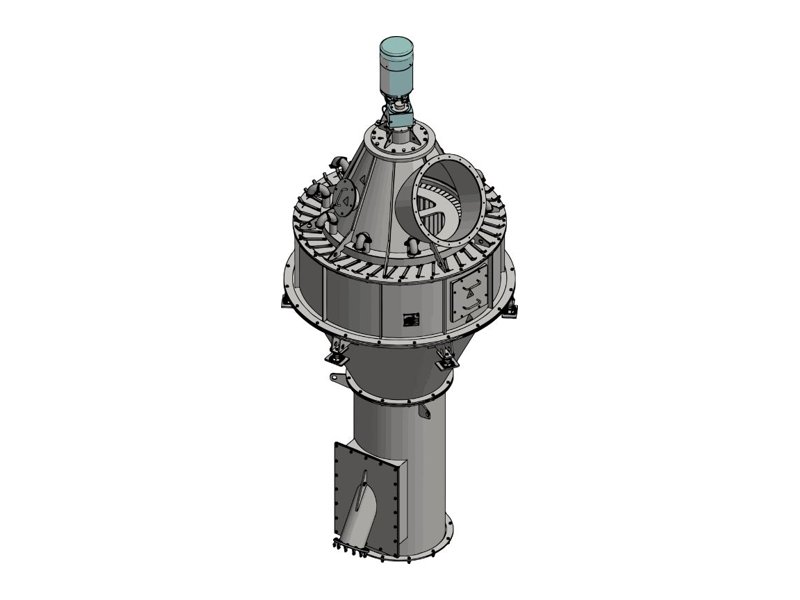
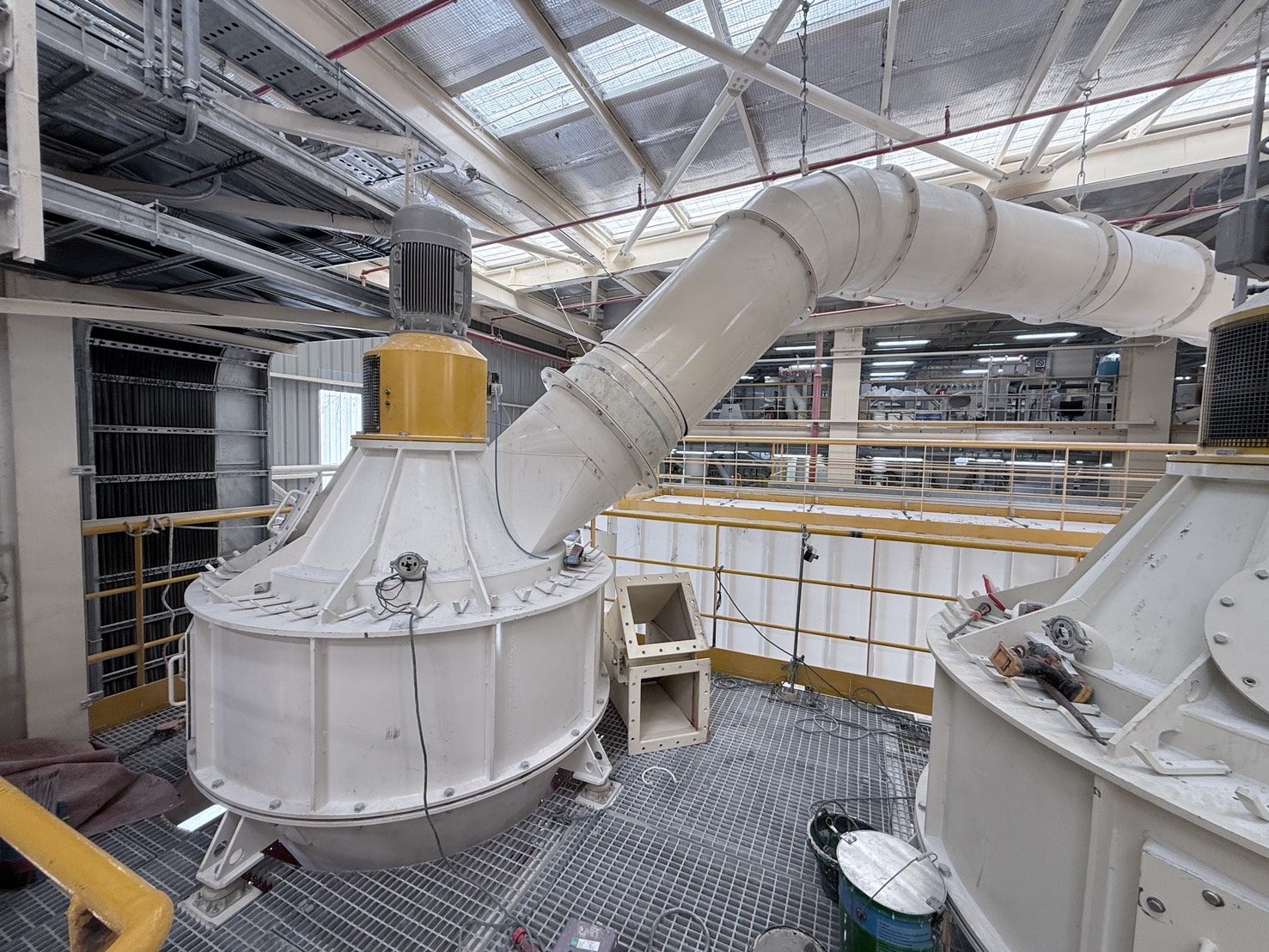
  • Classification: the ground flour passes through a high‑efficiency SHRv separator, which splits fine protein bodies from heavier starch granules and fibre cells.
  • Further steps if needed: wet extraction, enzymatic hydrolysis or acid precipitation, then purification by filtration, centrifugation or chromatography.
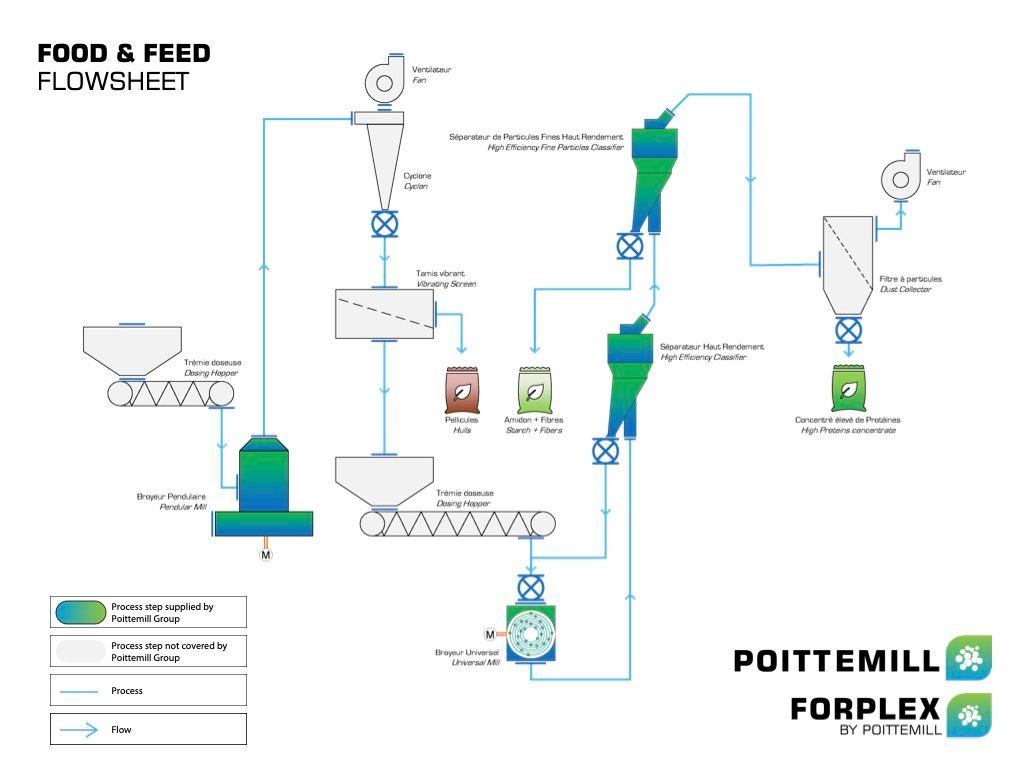
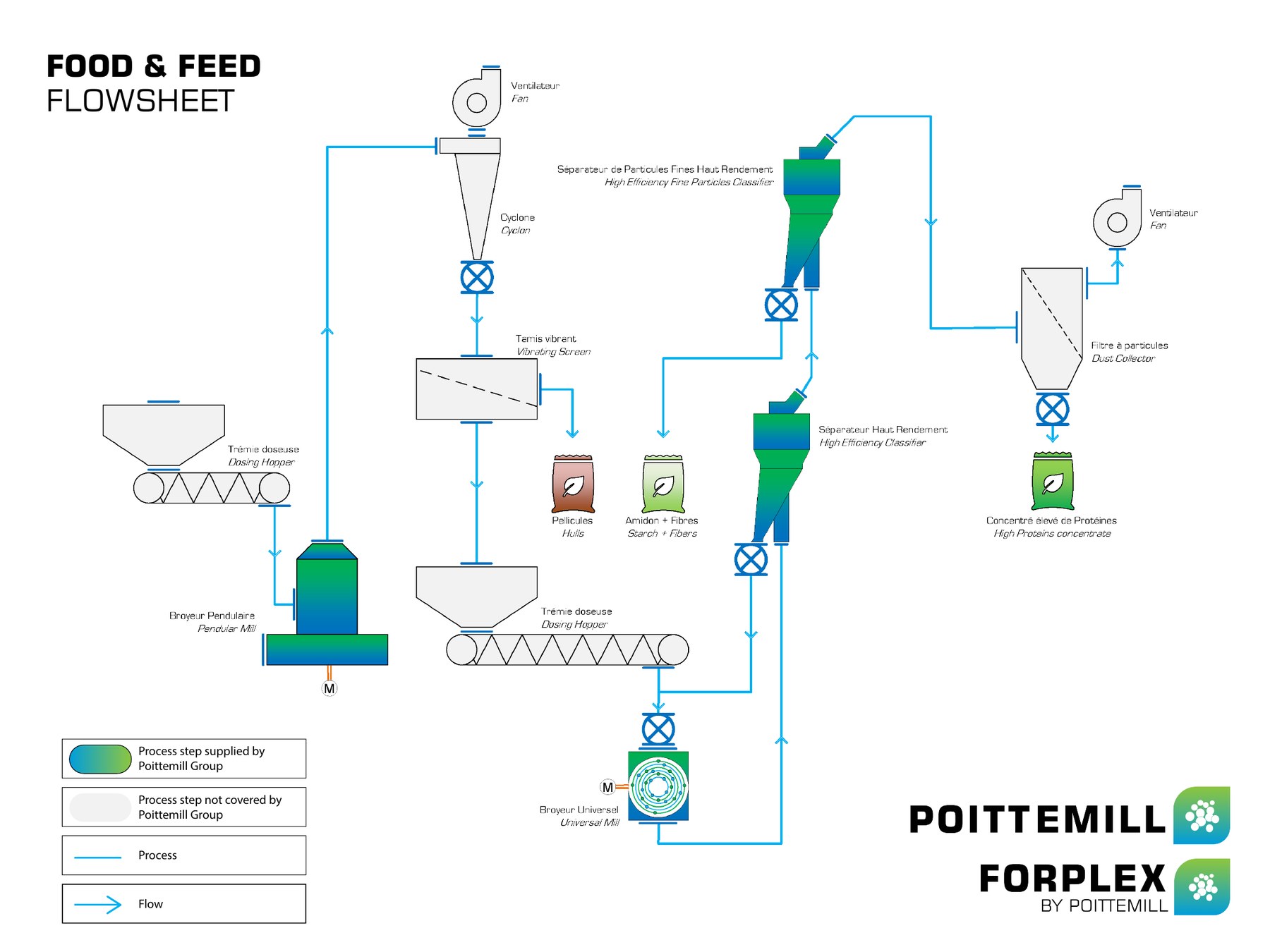
Flowsheet for plant protein extraction

Result

Once the grinding and classifier settings are tuned to the product, the protein‑rich fraction exceeds 70% protein and represents 25 to 30% of the starting material. Grinding that keeps the product pure and a sharp classifier cut give a higher protein yield.

The concentrate can also be blended into an existing powder to raise its protein content.
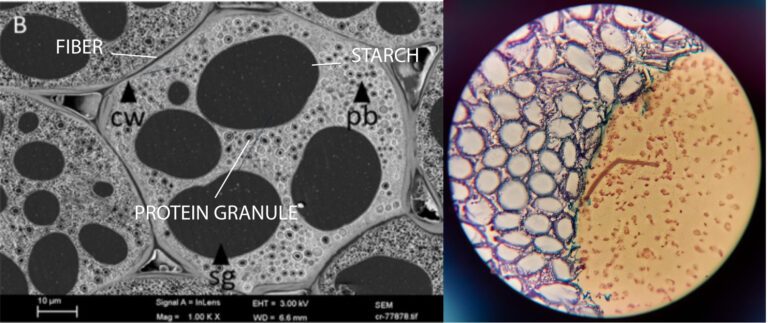
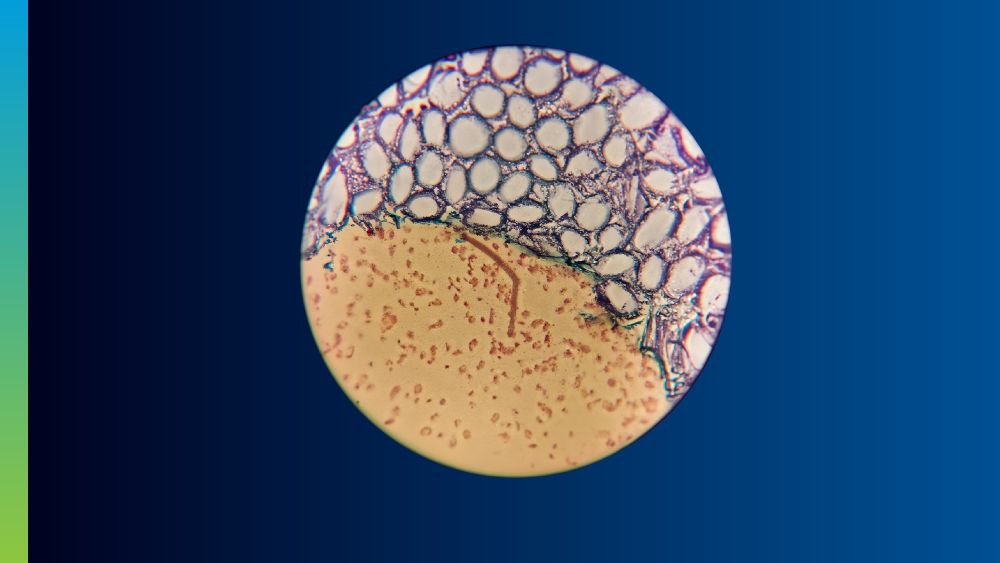
Starch granules and protein bodies after grinding

Raw materials

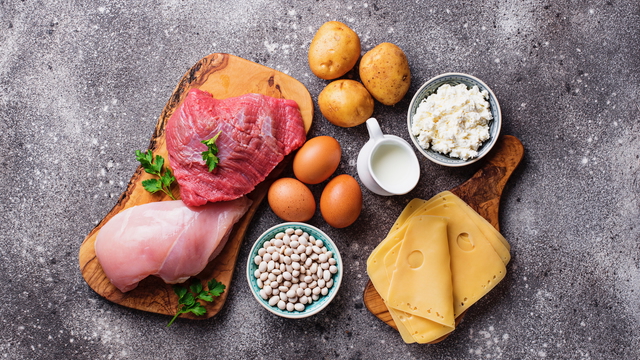
  • Pulses: soybean, pea, faba bean, mung bean, chickpea, lentil and lupine.
  • Cereals: wheat, oat, rice and corn.
  • Oilseeds and others: hemp and other seeds that can be milled into flour.
  • Co‑products: hulls, fibre and starch fractions, recovered for other uses. See By‑product valorization.
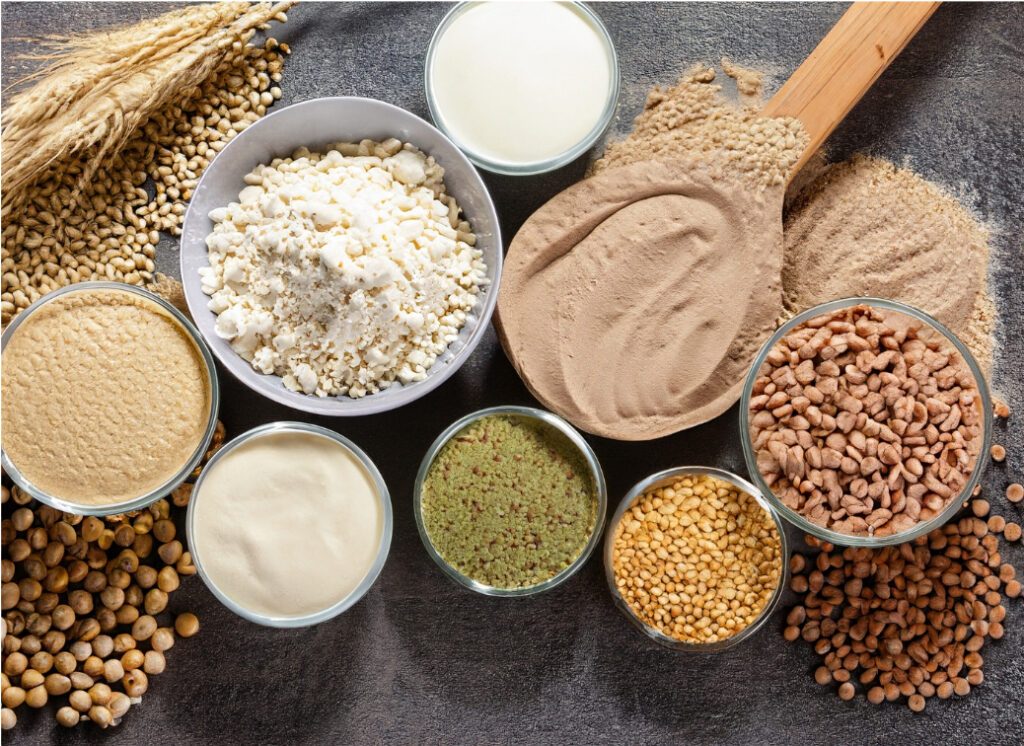
Flours and protein concentrates from different raw materials

Trials with your material

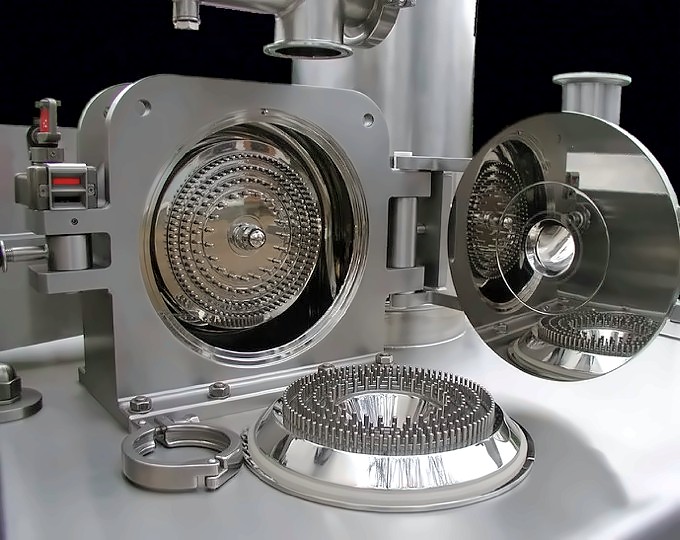
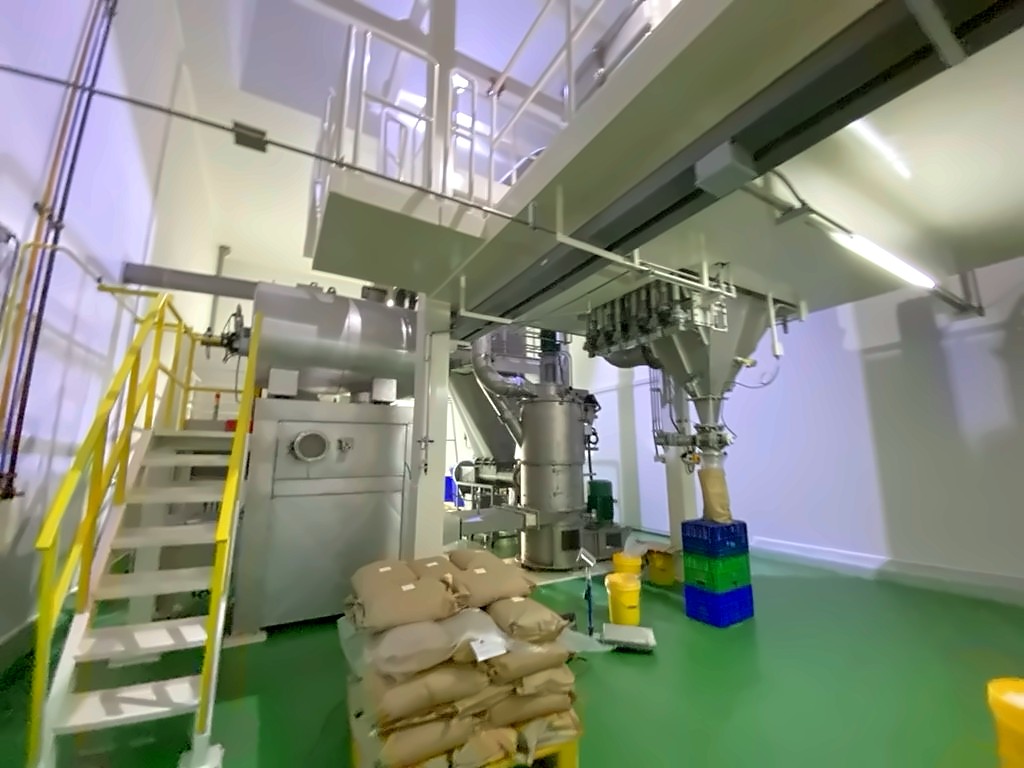
Small grinding and classification trials run at PTC ASEAN in Chonburi on a POITTEMILL FNG laboratory mill. Larger or specialised trials run at the POITTEMILL test centre in Béthune, France, at pilot and full scale, to set machine, parameters and process before you invest.
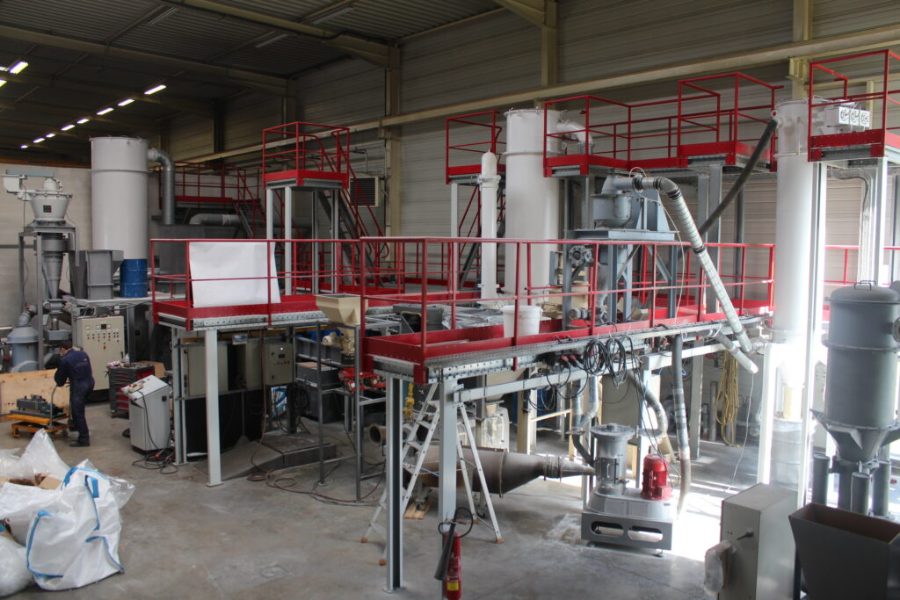
POITTEMILL test centre, Béthune, France

Process flowsheet

POITTEMILL supplies the mills and classifiers (coloured). The steps in white, such as feeding, conveying, cyclones, filters and fans, are engineered and supplied by TSK, together with the steel structure, installation and commissioning.

Food and feed process flowsheet by POITTEMILL
Food and feedPendular mill, universal mill, two classifiersDehulling and fine grinding of pulses and grains, split into hulls, starch with fibre, and a high‑protein concentrate.

Flowsheet courtesy of POITTEMILL.

Equipment used

POITTEMILL machines for this application.

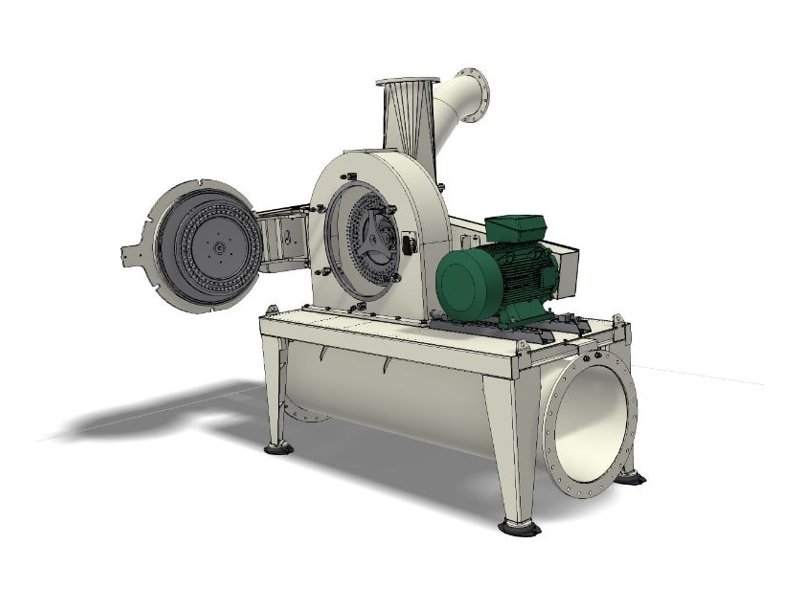
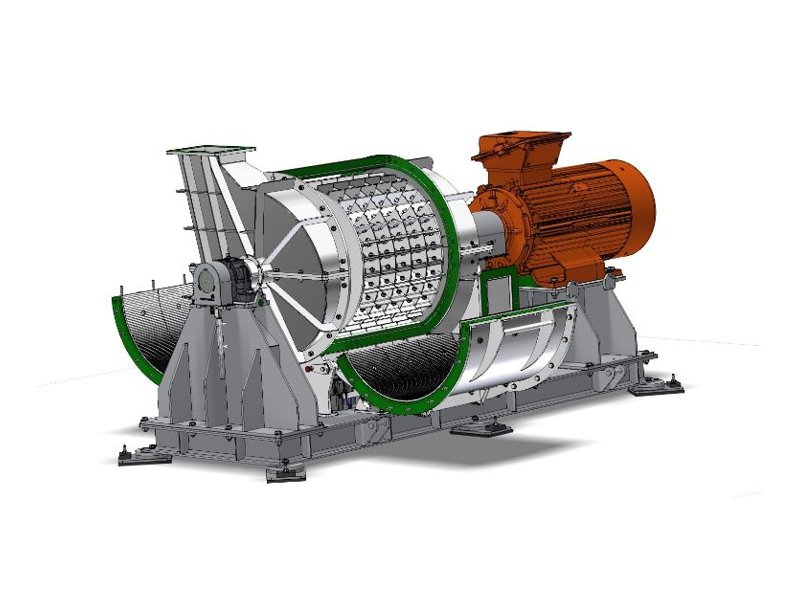
POITTEMILL BRF Dual-rotor universal millBRFDual‑rotor universal millTwo counter‑rotating rotors reach linear speeds over 200 m/s. Suited to greasy and heat‑sensitive products.POITTEMILL ATM Attrition millATMAttrition millParticles grind themselves by friction, impact and shear between rotor and lined stator. Vertical or horizontal axis; linings change in place.POITTEMILL SHRv High-efficiency classifierSHRvHigh‑efficiency classifierDynamic classifier for d98 from 5 to 1,000 µm at up to several hundred t/h. Patented SEALMAX seal for a clean top cut.

Full POITTEMILL equipment range →

Explore further

POITTEMILL

Technology by POITTEMILL

Grinding, classification, dehulling and dry fractionation equipment, designed in‑house for over 90 years. T.S.K. Engineering is POITTEMILL's partner in Thailand, and PTC ASEAN runs small grinding trials on an FNG mill.

POITTEMILL grinding →Send us your material

Contact our engineers

+66 81 978 8389 · contact@tskengineering.co.th

Talk to an engineer