Cyclone systems that recover more product from dryer and process air, and keep dust emissions within limits, on new lines or as a retrofit.
ACS cyclone systems
ACS is the only company worldwide dedicated exclusively to cyclone systems. Each cyclone is designed with PACyc (Particle Agglomeration in Cyclones), its model for predicting and optimizing collection efficiency. Over 400 installations in 37 countries.
High‑efficiency cyclones for emission control and product recovery: pre‑separators, Hurricane final‑stage families and ReCyclone (3:14)
Powder recovery
Products are separated from the process gas after drying, grinding and mixing in pharmaceuticals, food, chemicals, fertilizers and nanoparticles. ACS cyclones raise product yield and can meet strict emission limits without further filters downstream.
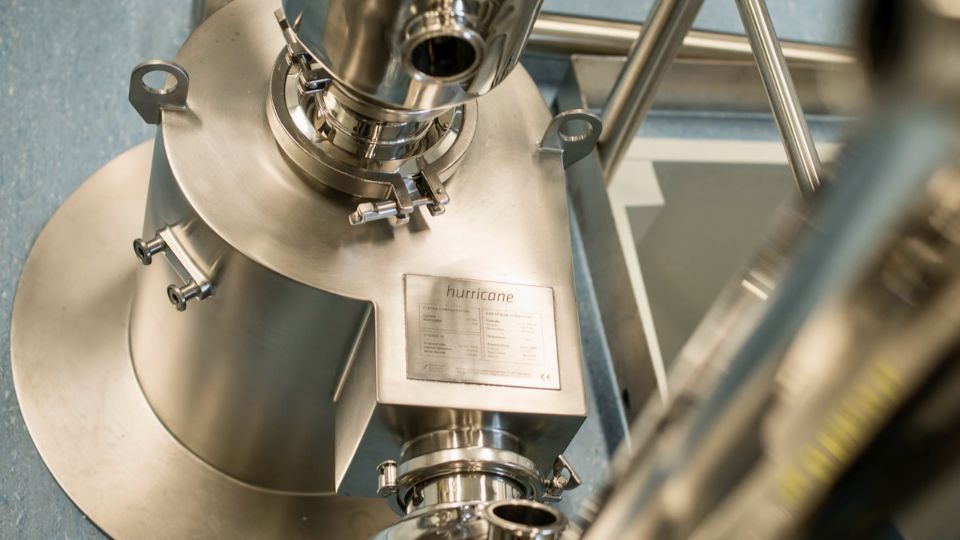
—Hygienic, GMP‑compliant designs; small units open with a tri‑clamp
—No filter fibres in the product, no cross‑contamination
—Fast cleaning and product changeover
—Wide range of temperature, pressure and moisture
Emission control
Particulate emissions from boilers, incinerators, furnaces, kilns and dryers in energy, ceramics, cement and pellet production. Meet stack limits, protect downstream processes and clean the ambient air.
—Below 30 mg/Nm³ with Hurricane cyclones, comparable to ESPs
—5–25 mg/Nm³ with ReCyclone EH
—No temperature limit with suitable metals or refractories
—No moving parts, low maintenance
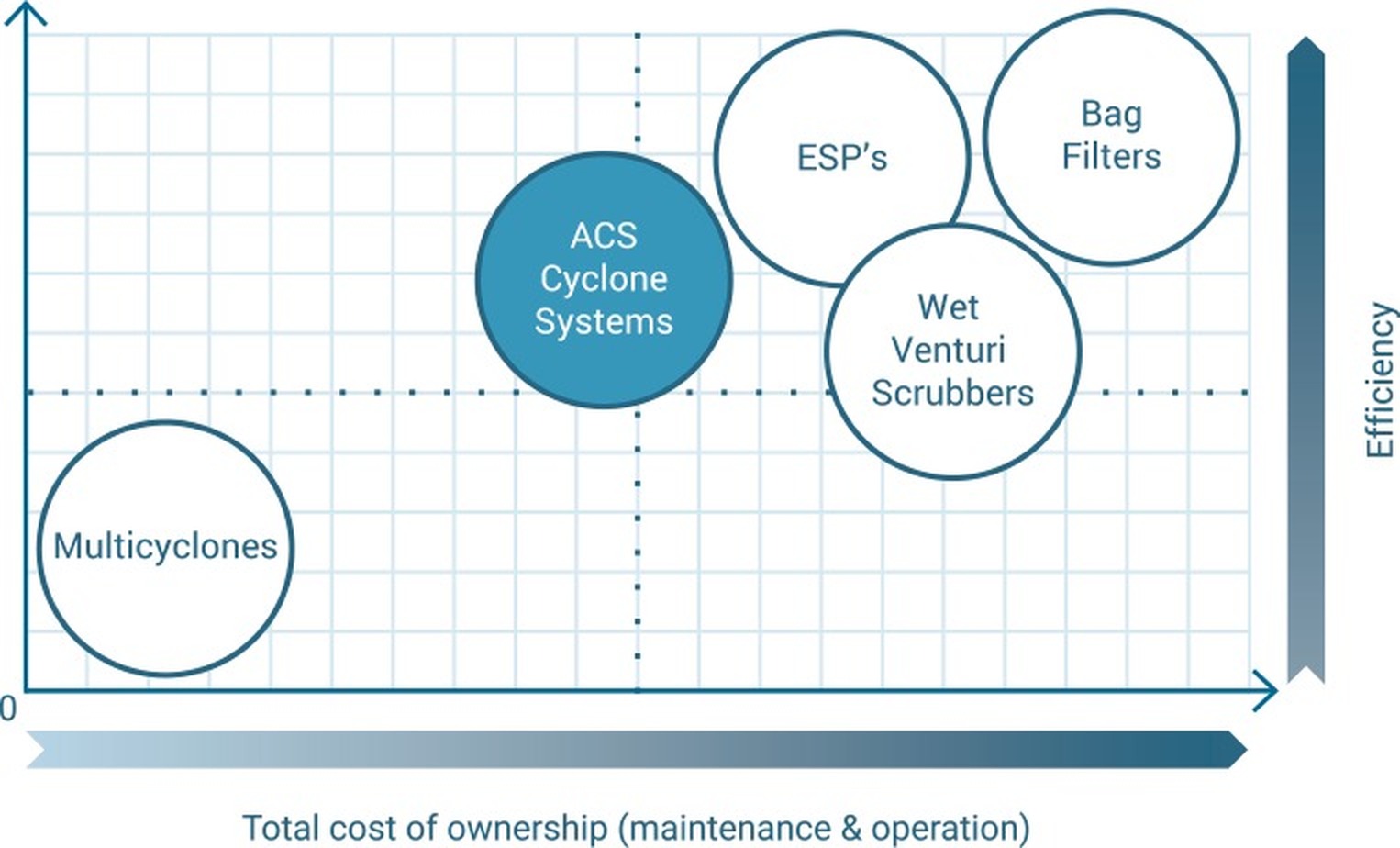
Efficiency against cost of ownership
Source: Advanced Cyclone Systems
Conventional cyclones are cheap to run but let fines through. Bag filters, ESPs and wet scrubbers reach low emissions, at the cost of filter media, high‑voltage power, water treatment or higher investment.
ACS cyclones close most of that gap in efficiency while keeping the running cost of a cyclone. Where the limit allows, they replace the filter; where it does not, they cut the load on it.
—No filter media to replace, no water to treat
—Lower investment than an ESP
—Lower maintenance and operating cost than a bag filter
Products and technologies
Cyclone families for each application
Families optimized by numerical simulation, from compact pre‑separators to final‑stage collectors.
SD, DX, AT: pre‑separators, low cost and pressure drop
TX, HR, RX, RE, EX, MK: final‑stage families for fine particles
Emissions down to below 30 mg/Nm³
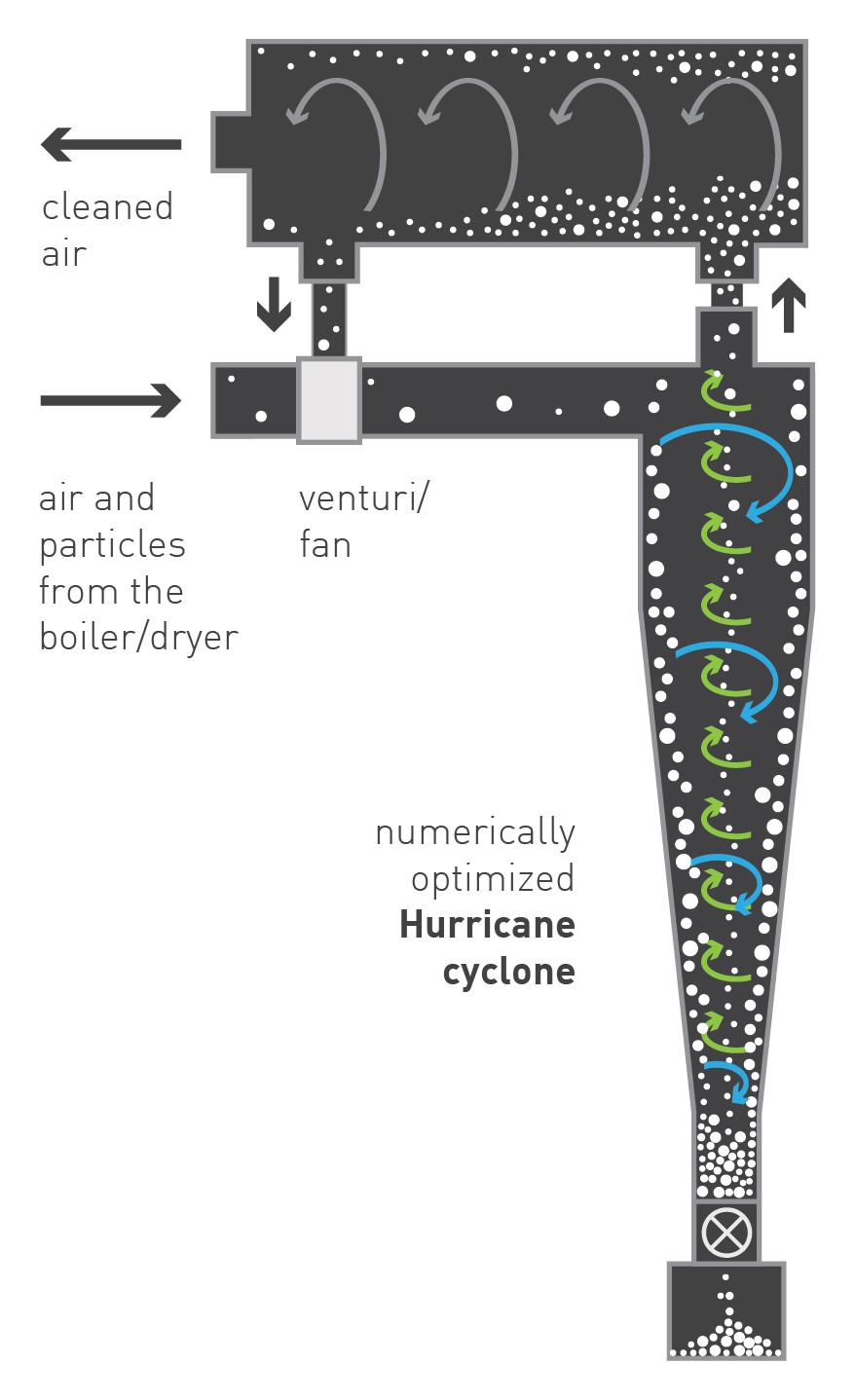
Mechanical recirculation, patented
A recirculator downstream returns uncaptured fine particles to the Hurricane cyclones.
Emissions reduced by 30–60%, to 15–45 mg/Nm³
Pressure drop 150–200 mm w.g.
Robust, no temperature limit, low investment
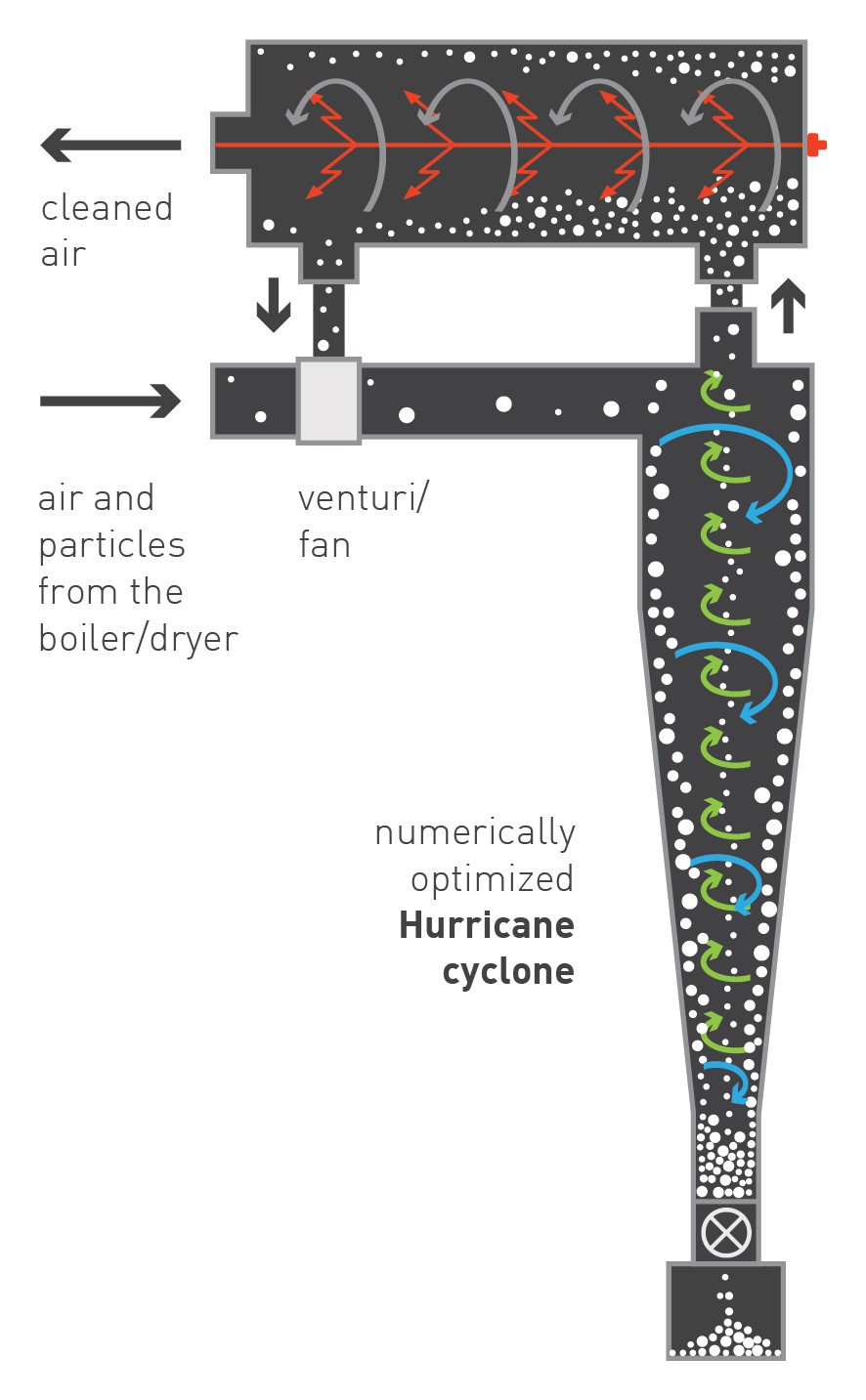
Electrostatic recirculation
DC high voltage on the recirculator returns very fine particles, including the 1–5 µm range, to the cyclones.
Emissions reduced by 40–70%, to 5–25 mg/Nm³
Up to 400 °C; pressure drop 120–170 mm w.g.
Power only 10–15% of an ESP
Diagrams courtesy of Advanced Cyclone Systems. Figures from ACS specifications published by PRECI.
How the technology works
01
Numerically optimized geometry
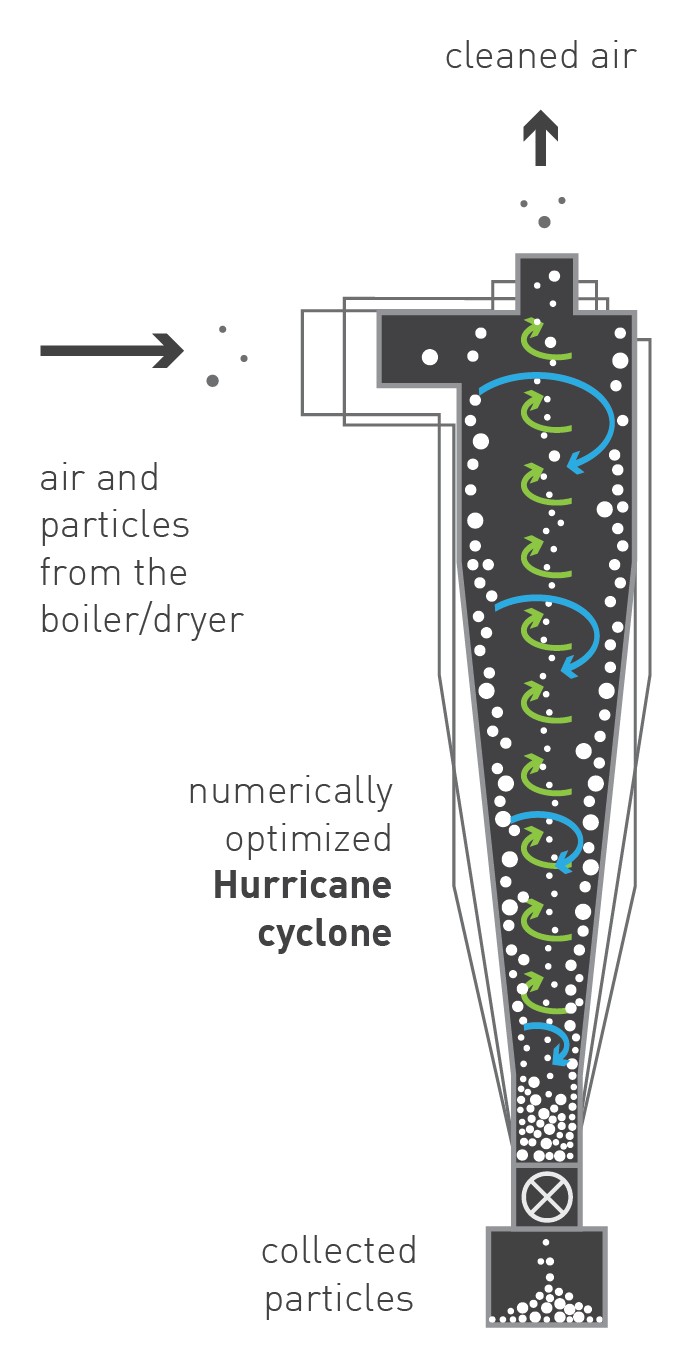
Each Hurricane geometry is the solution of an optimization problem, developed by ACS with the Faculty of Engineering of the University of Porto. The geometry is set for the application: maximum collection, minimum re‑entrainment, at an agreed pressure drop.
—Captures powders with a volume median diameter below 5 µm
—Higher efficiency than other cyclones at the same pressure drop
—Patented geometries
02
PACyc design model
ACS sizes every system with PACyc (Particle Agglomeration in Cyclones), its model of how fine particles cluster inside the cyclone. Conventional cyclone models ignore agglomeration and under‑predict collection of fines.
—Published in Chemical Engineering Journal 162 (2010) 861–876
—Predicts grade efficiency for the actual powder and load
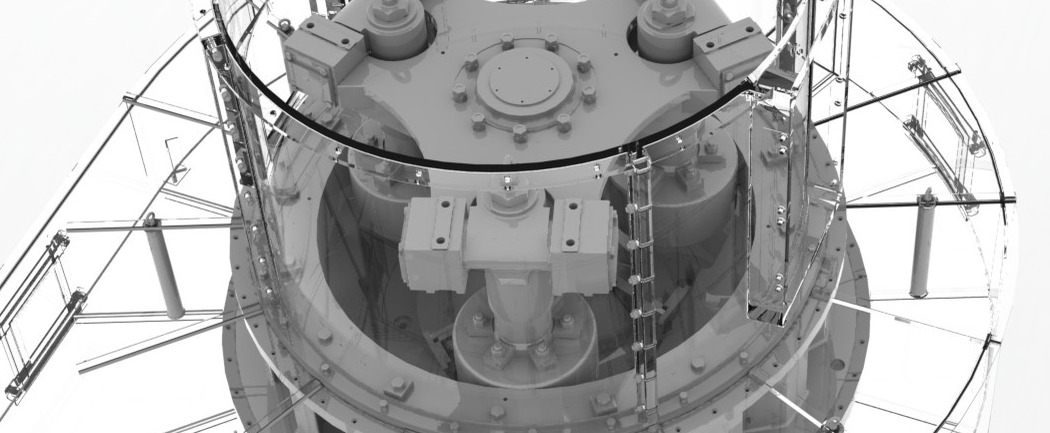
In a ReCyclone system, the fines that pass the cyclone are concentrated in a recirculator and returned to the cyclone inlet. There they agglomerate with coarser incoming particles and are collected.
—MH: mechanical recirculator, no temperature limit
—EH: fines are charged by a DC field; no collecting plates, so dust resistivity does not matter
—EH high‑voltage power is 10–15% of an ESP
Reference installations
ACS systems in operation. Each system is sized for the plant’s own particle size, load and emission limit.
Emission control
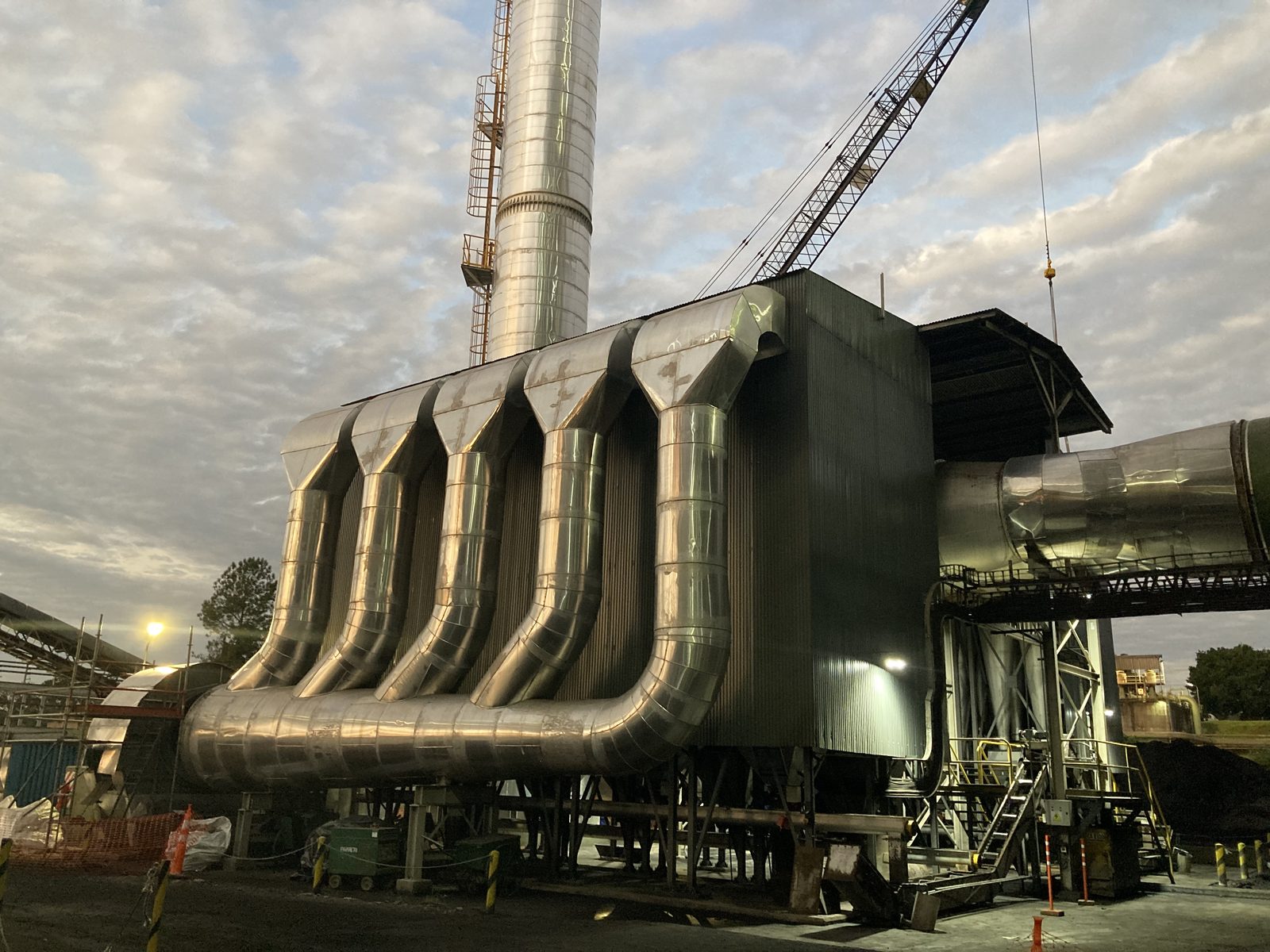
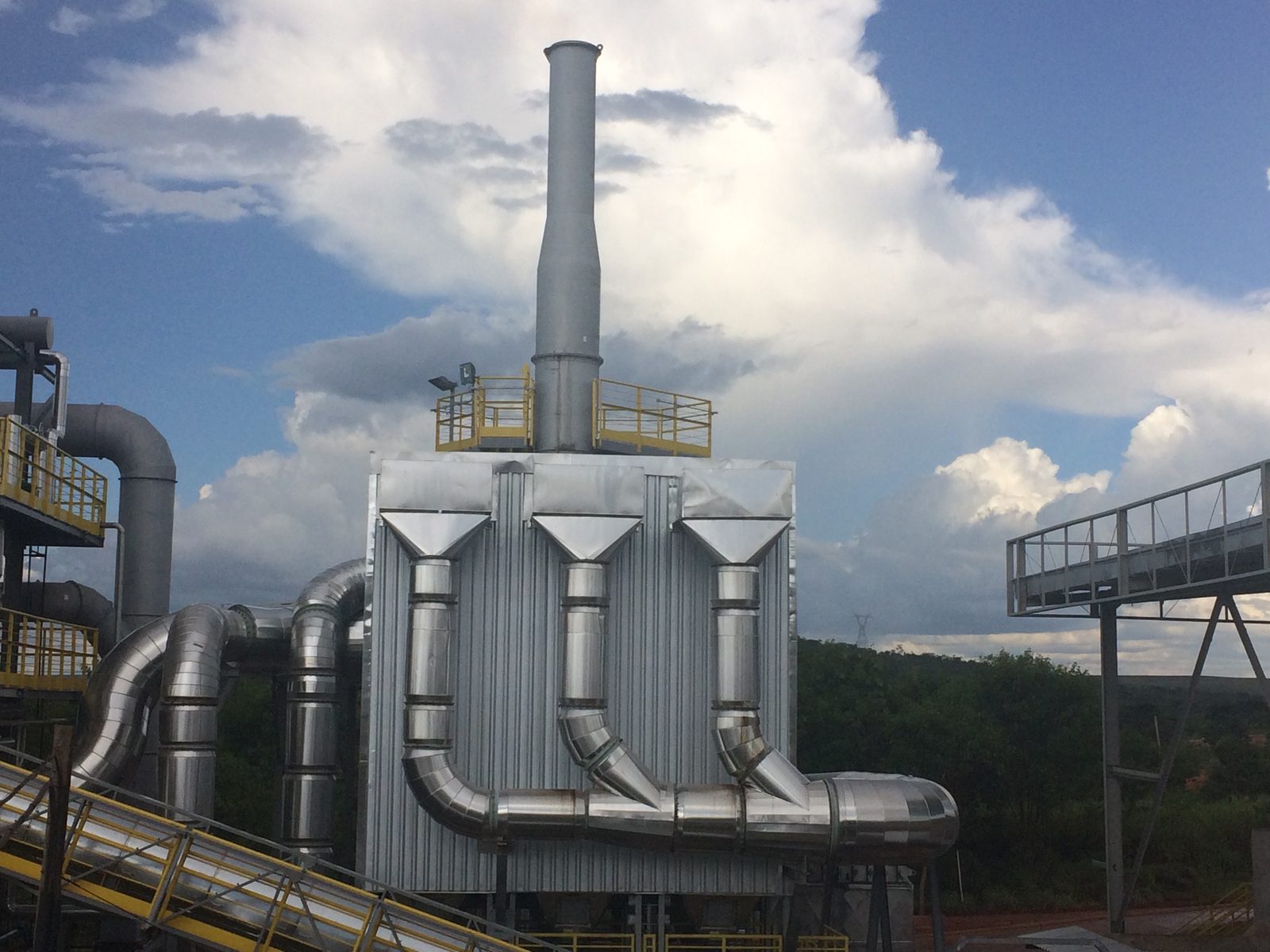
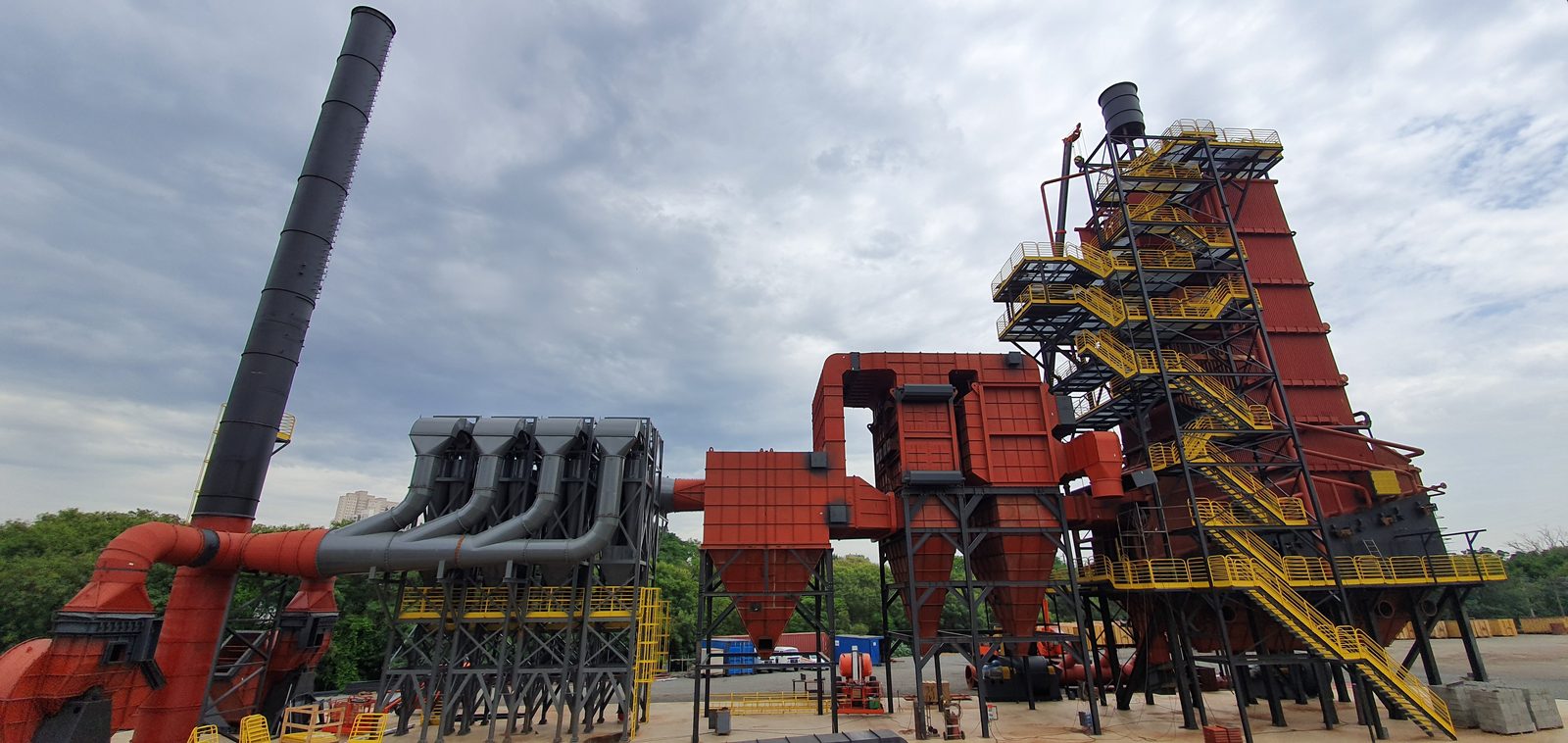
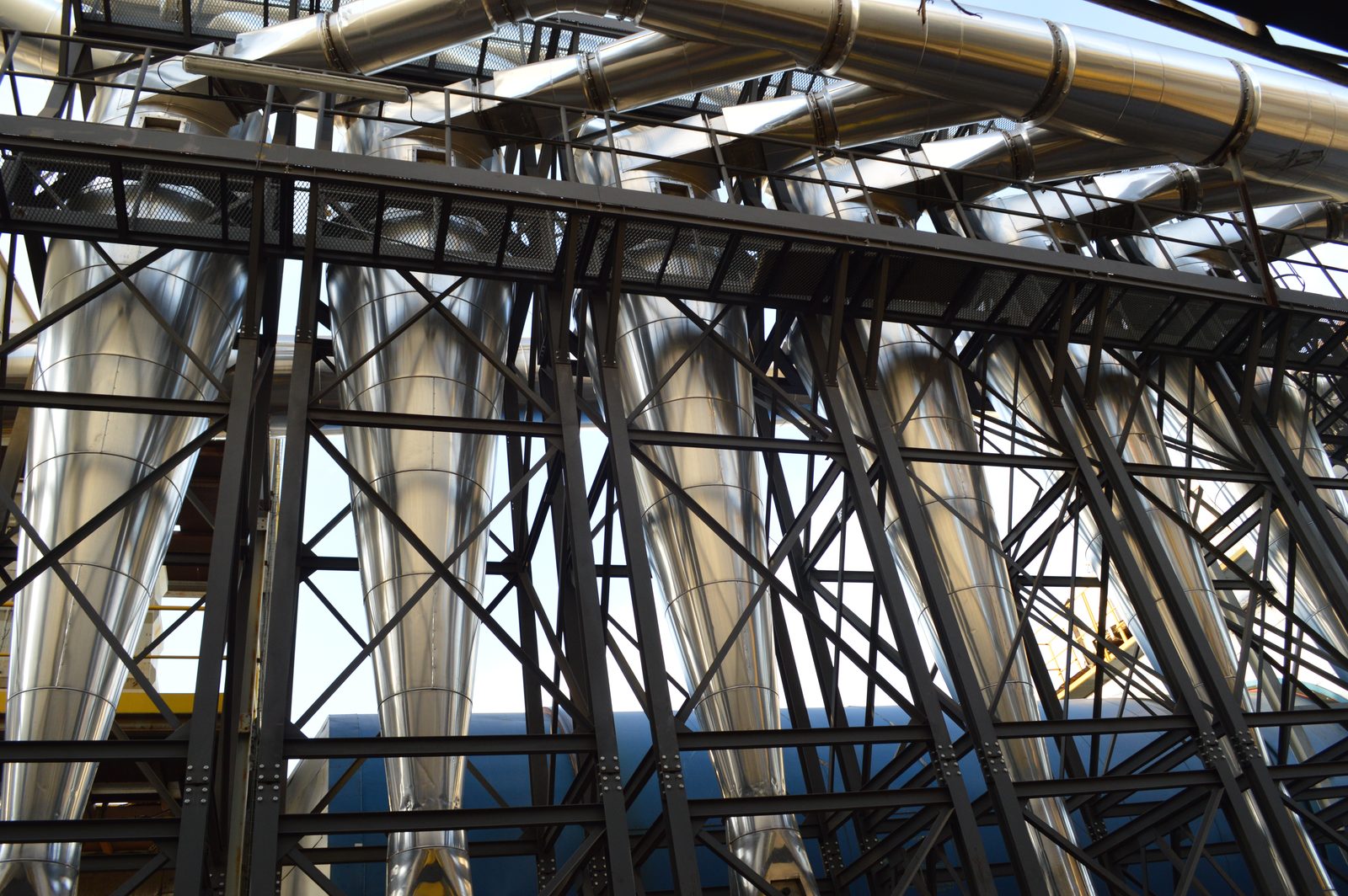
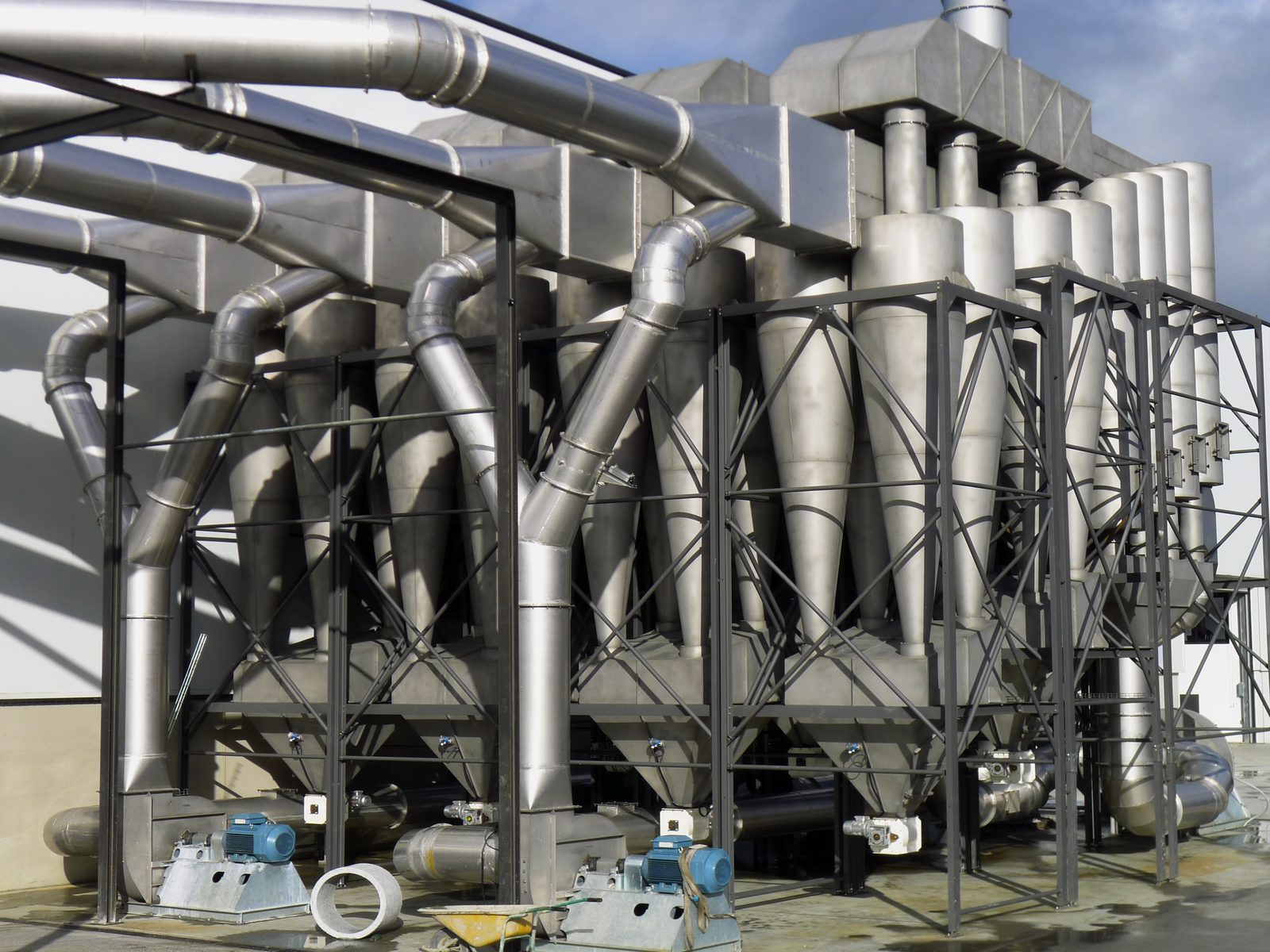
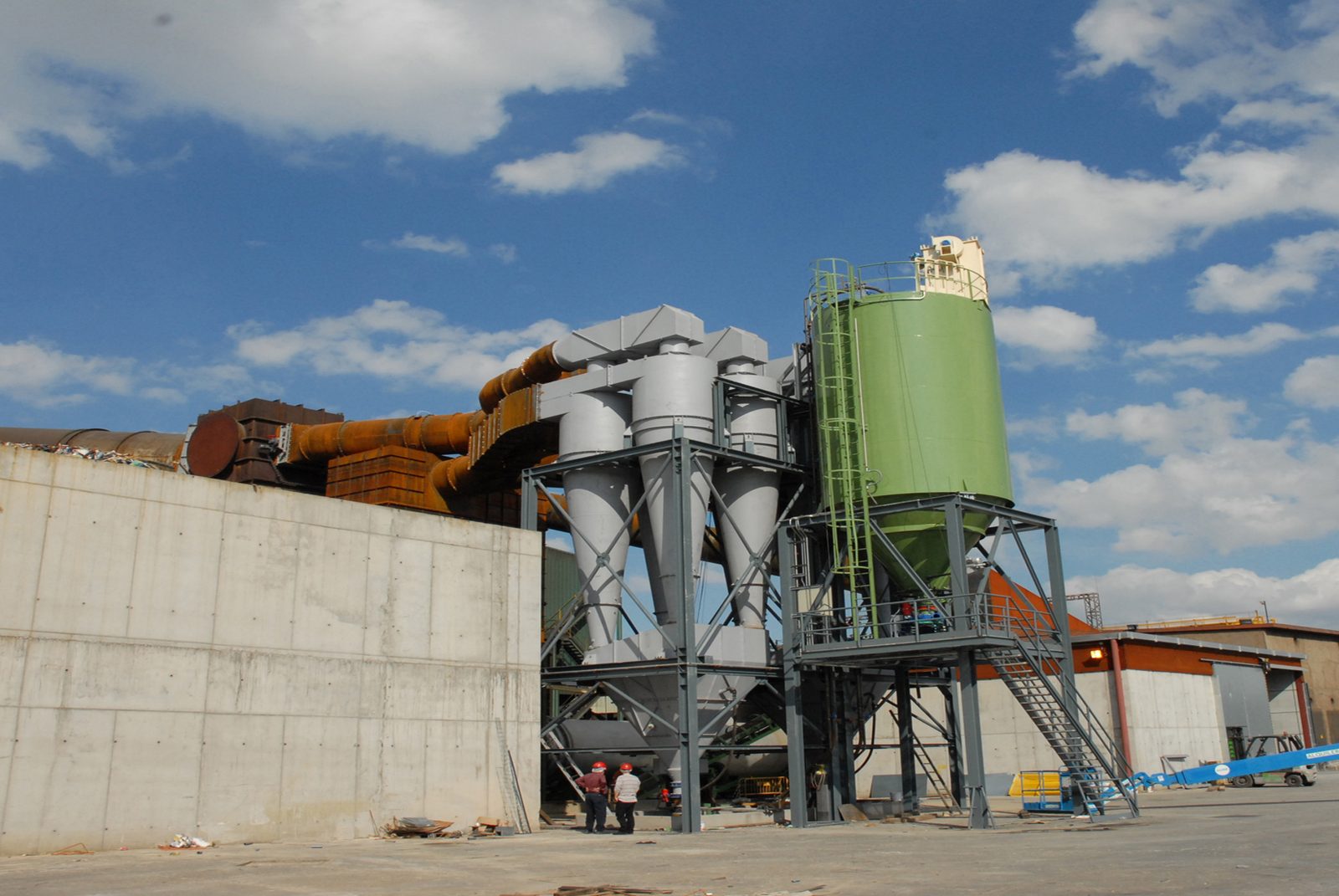
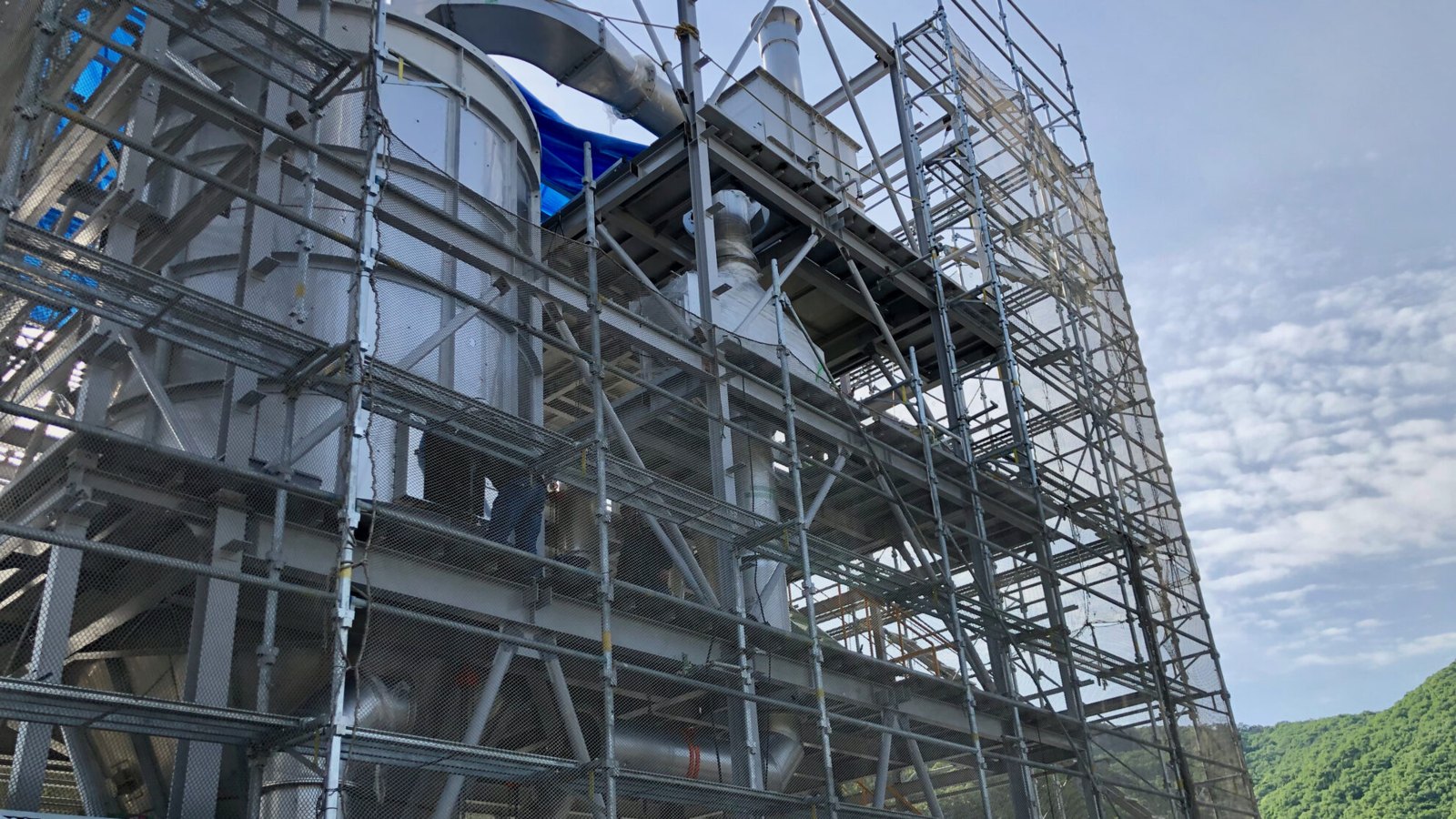
Biomass boiler, Hurricane battery before the stackBiomass boiler, cyclone battery and stackBiomass and coal boiler, cyclone batteriesBiomass dryer, Hurricane cyclones on a steel structure
Product recovery
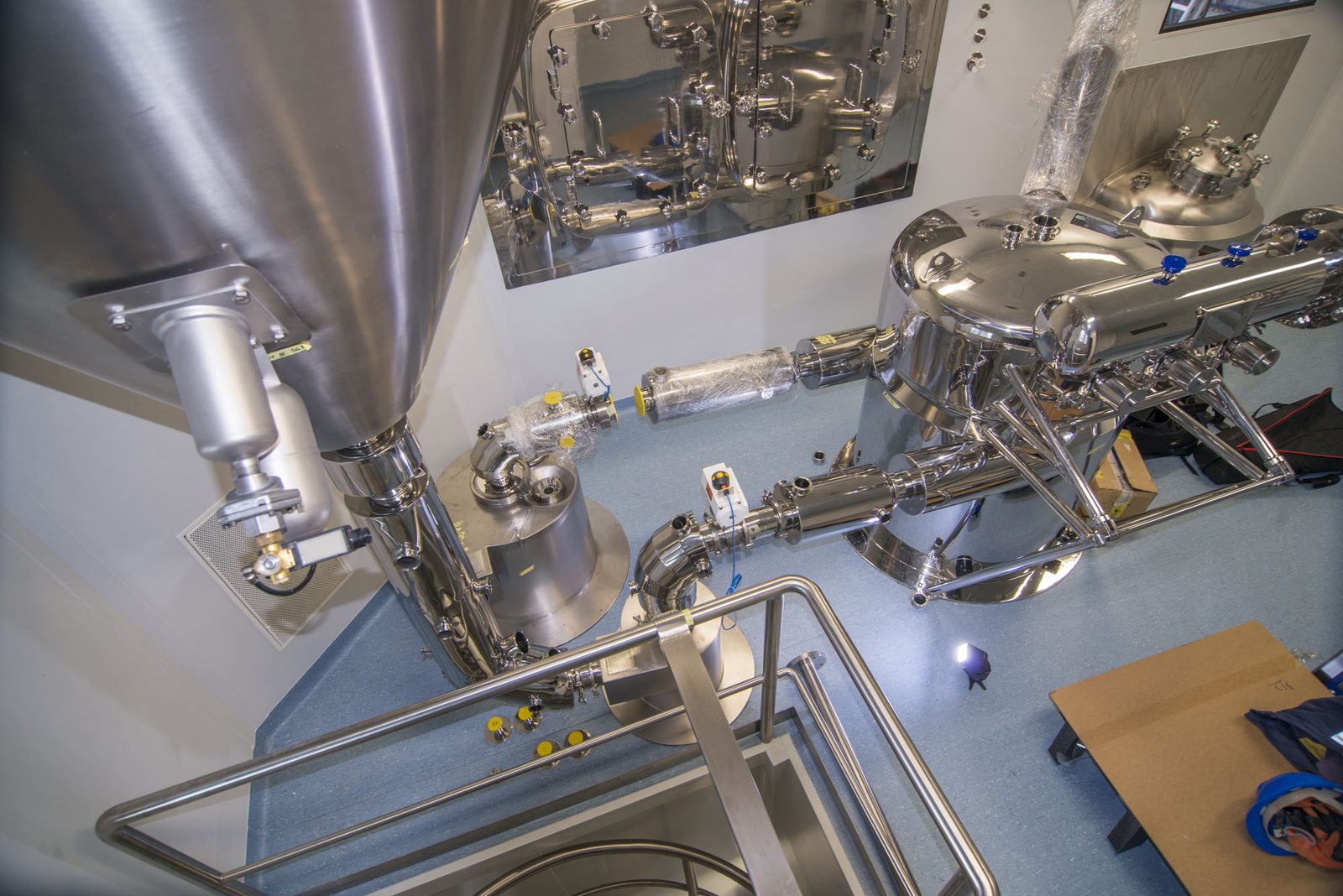
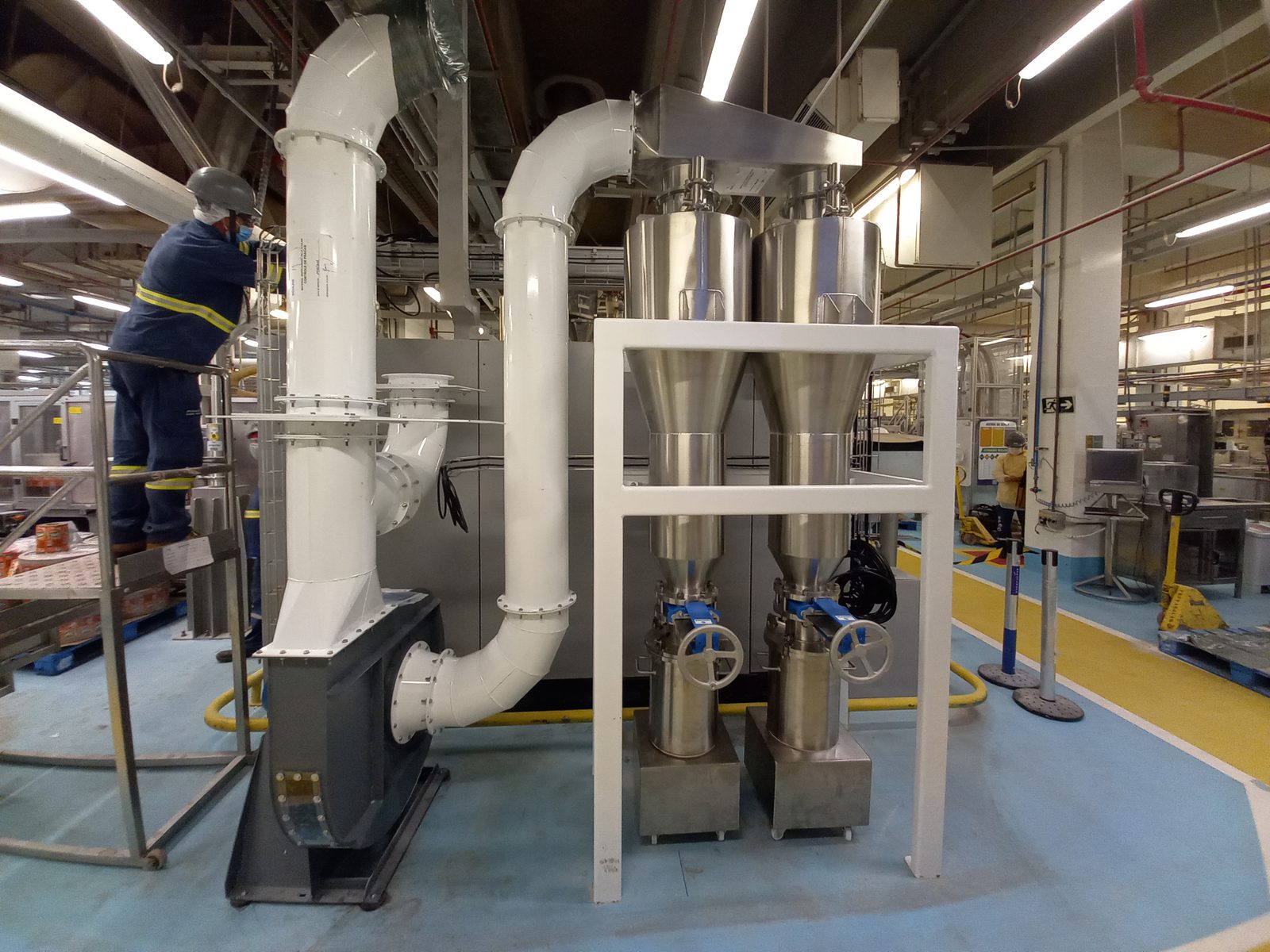
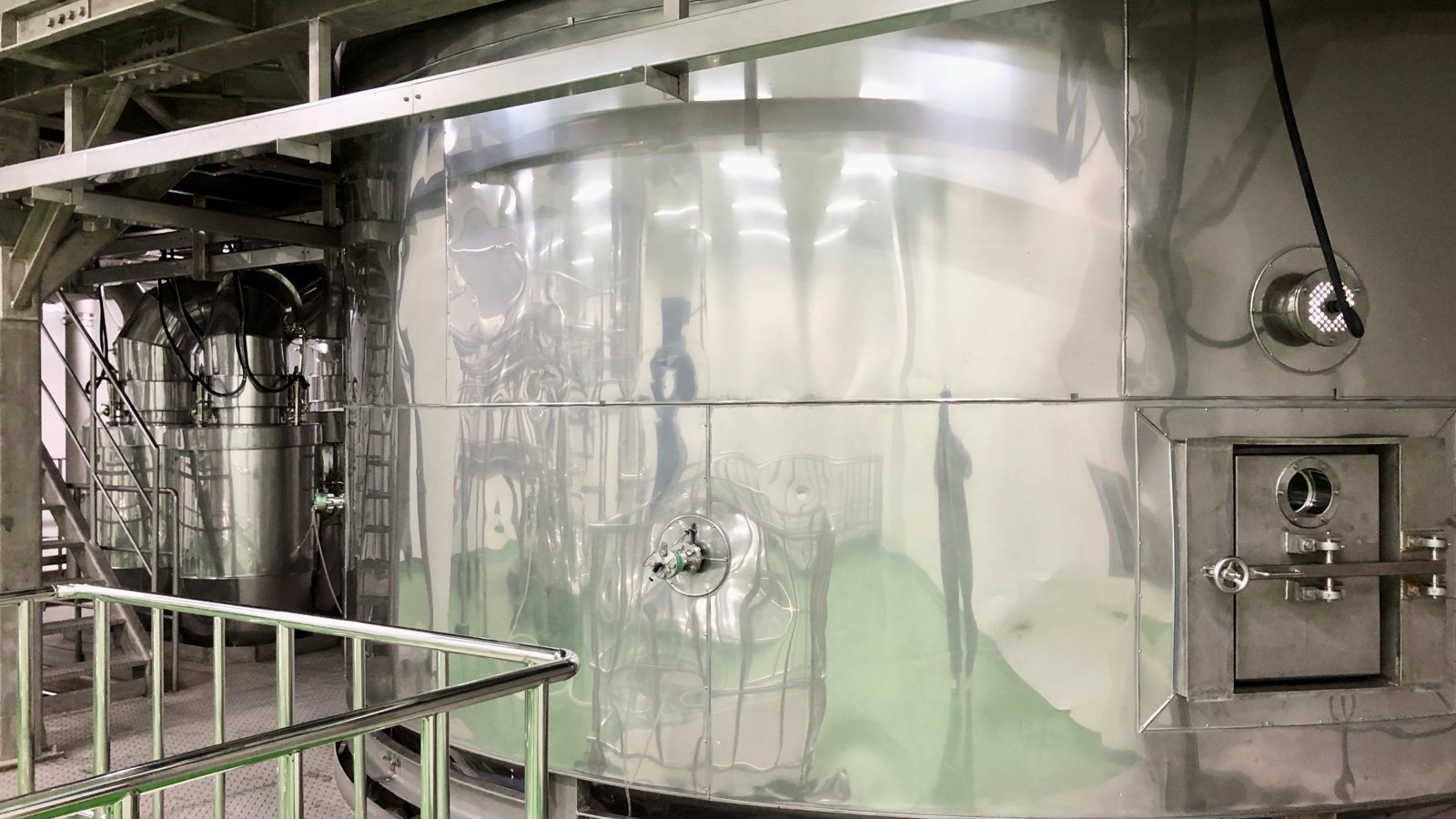
Pharmaceutical ingredients, hygienic cyclone in a cleanroomChemicals, product recovery batteryFood ingredients, twin hygienic cyclonesMineral processing, cyclones ahead of a silo
Photos courtesy of Advanced Cyclone Systems.
What we need to design a system
ACS guarantees an outlet emission or a collection efficiency for the specific powder. The design starts from measured data, not from a catalogue size.
Particle size distribution
Laser‑sized from an isokinetic sample at the stack or cyclone outlet
Gas flow and temperature
Actual and normal flow rate, operating temperature, moisture
Inlet concentration
Dust or product load into the cyclone, in g/Nm³
Particle density
True density of the powder or fly ash
Target
Emission limit in mg/Nm³ or required product yield
Allowable pressure drop
Available fan margin, in kPa or mm w.g.
Questions and answers
Questions engineers ask about cyclones
Where do high‑efficiency cyclones fit in a plant?
After spray dryers, mills and coolers to recover product, and as final dedusting before the stack on dryers, boilers and kilns.
Can a cyclone system meet the emission limit on its own?
In many applications ACS systems reach emissions below 30 mg/Nm³, comparable to electrostatic precipitators, with no filter media to replace. The result depends on the particle size and the dust load, so it is confirmed by measurement.
Can they be fitted to an existing plant?
Yes. ACS cyclones are retrofitted on existing dryers, mills, boilers and kilns, often in the space of the cyclones they replace.
What does a dust and recovery survey measure?
The dust load and the product lost at the exhaust. From those figures the retrofit is sized and costed, with the value of the product recovered.
Measure the losses on your plant
A dust and recovery survey shows what a retrofit returns before you invest.