Why size reduction
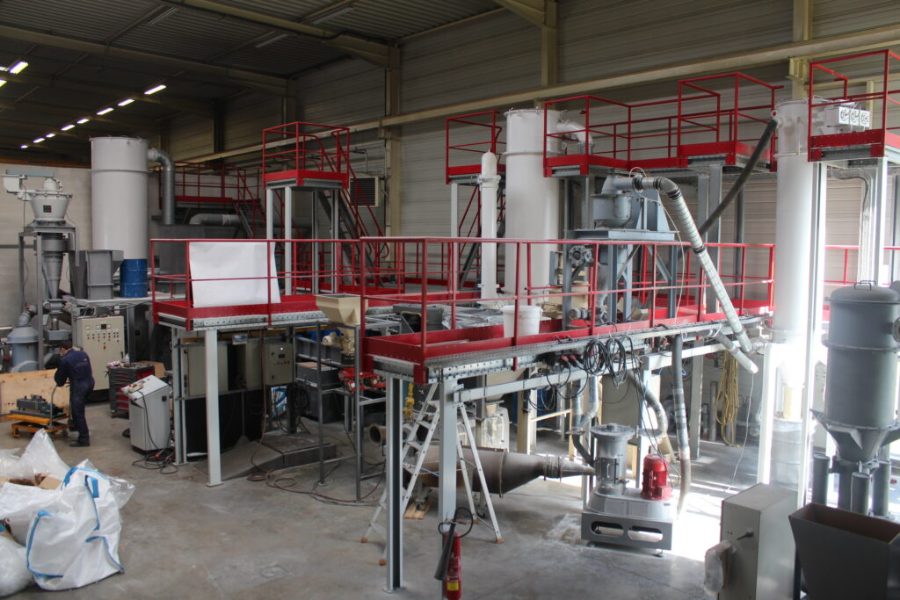
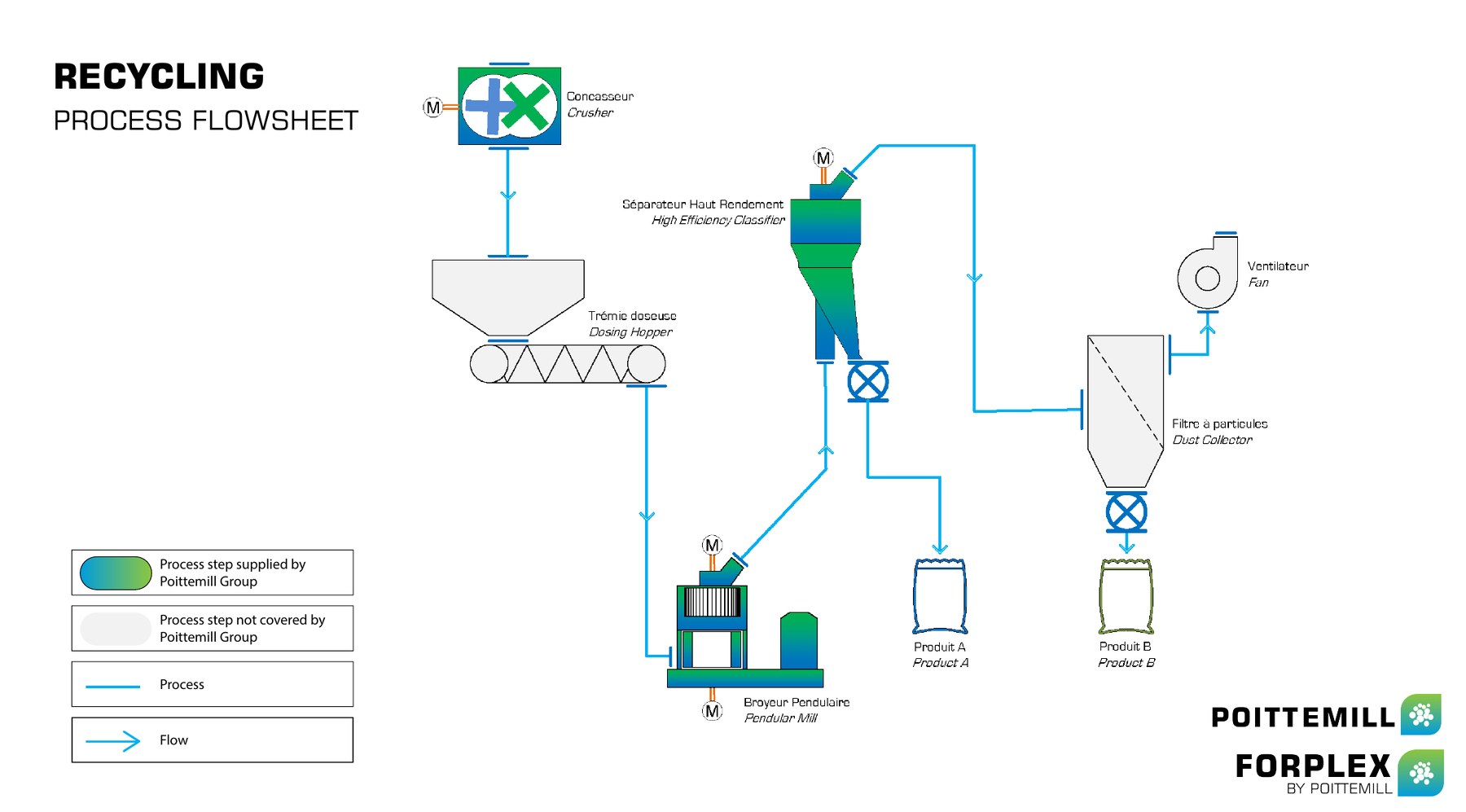
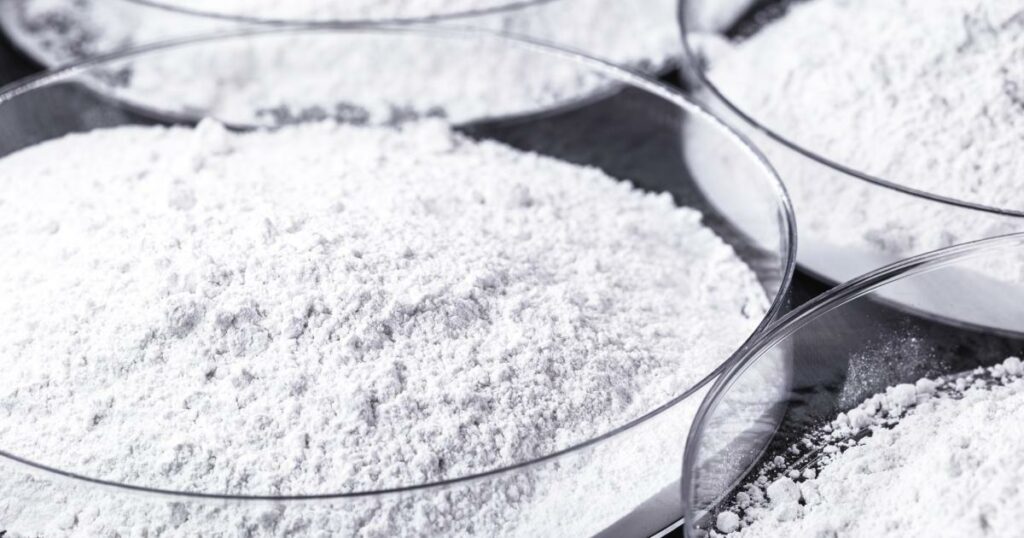
Waste volumes of polymers, plastics and electronics keep growing. Every efficient recycling route needs grinding and separation, and operating cost decides whether it pays. The aim is a ground product that can be reused in another process or recovered for energy.
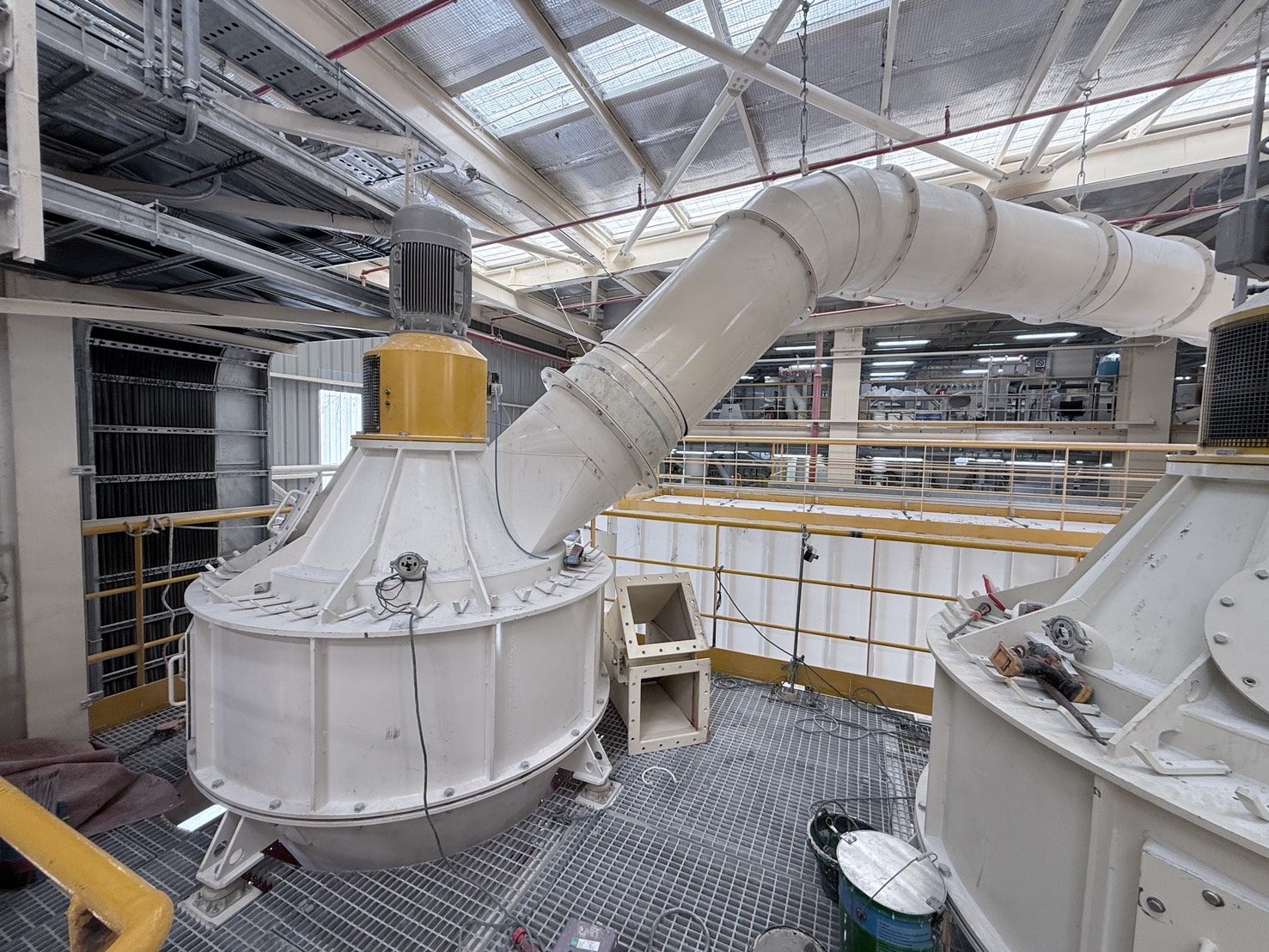
Attrition grinding: ATTRIMILL
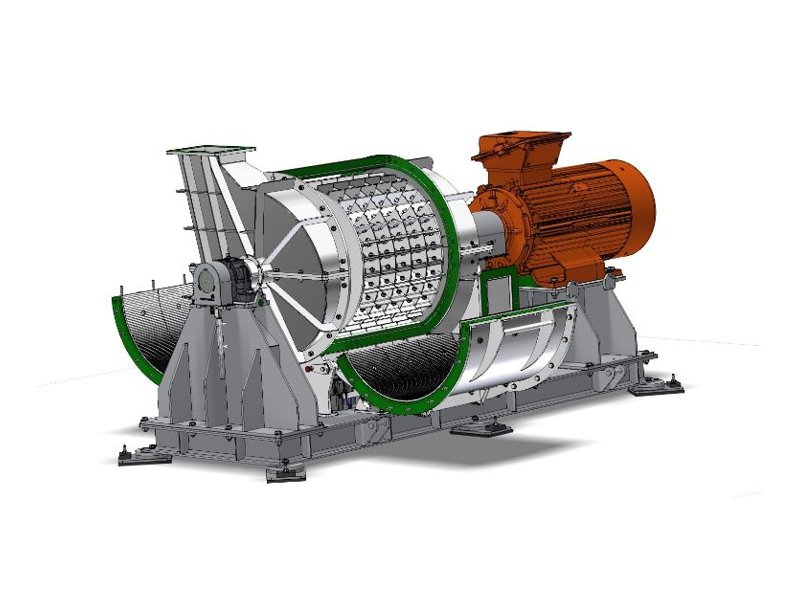
- Use: fibrous materials, plastics and materials that conventional mills handle poorly, including heat‑sensitive ones, without cooling gas.
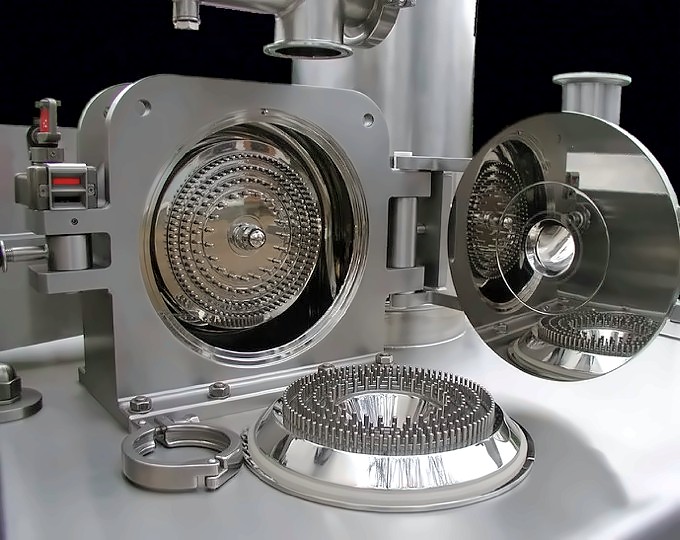
- Mechanism: self‑grinding of particles in vortices from a strong airstream, impact on blades and stator, and shear between blade tips and stator flutes.
- Performance: fineness down to a few tens of microns (with a separator if needed), up to 25 t/h per machine, settings adjusted per product.
- Electronic waste: a patented process grinds circuit boards and separates metals from polymers in one step.
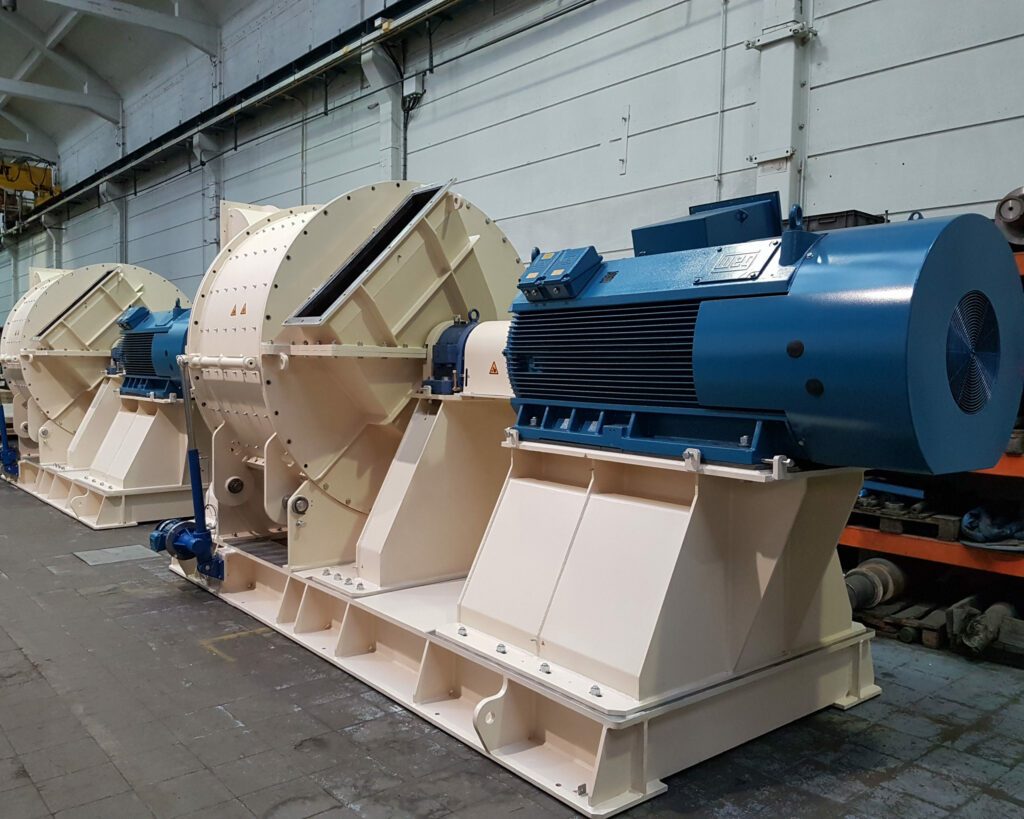
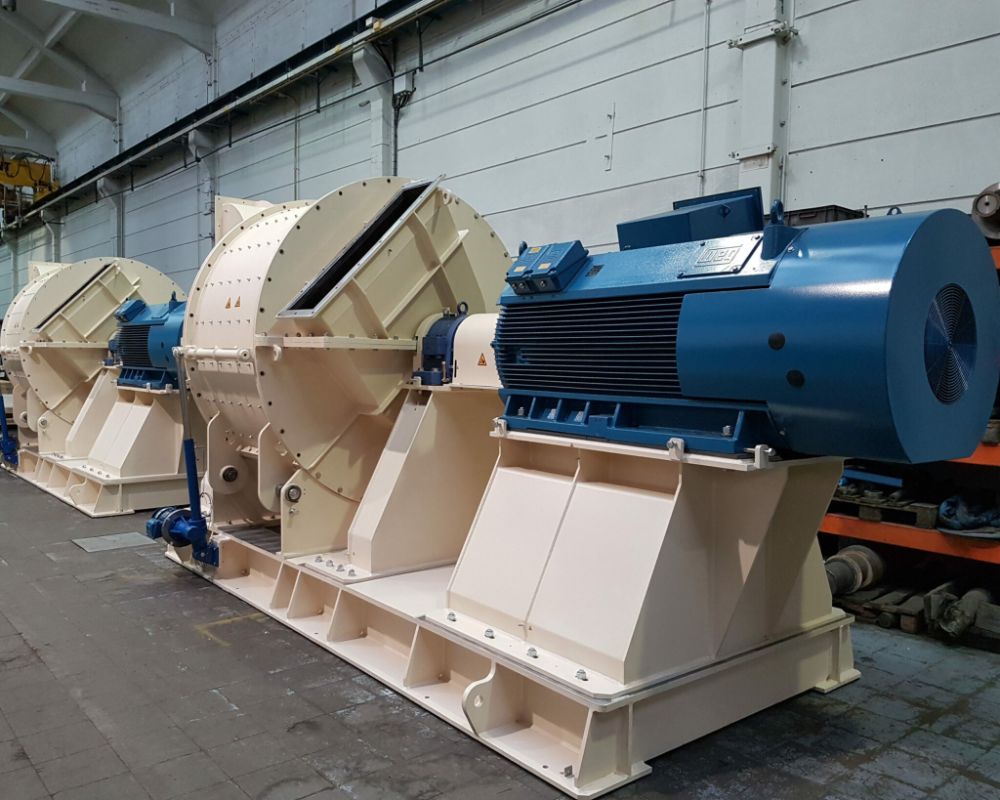
Renewable energy: PM pendular mill
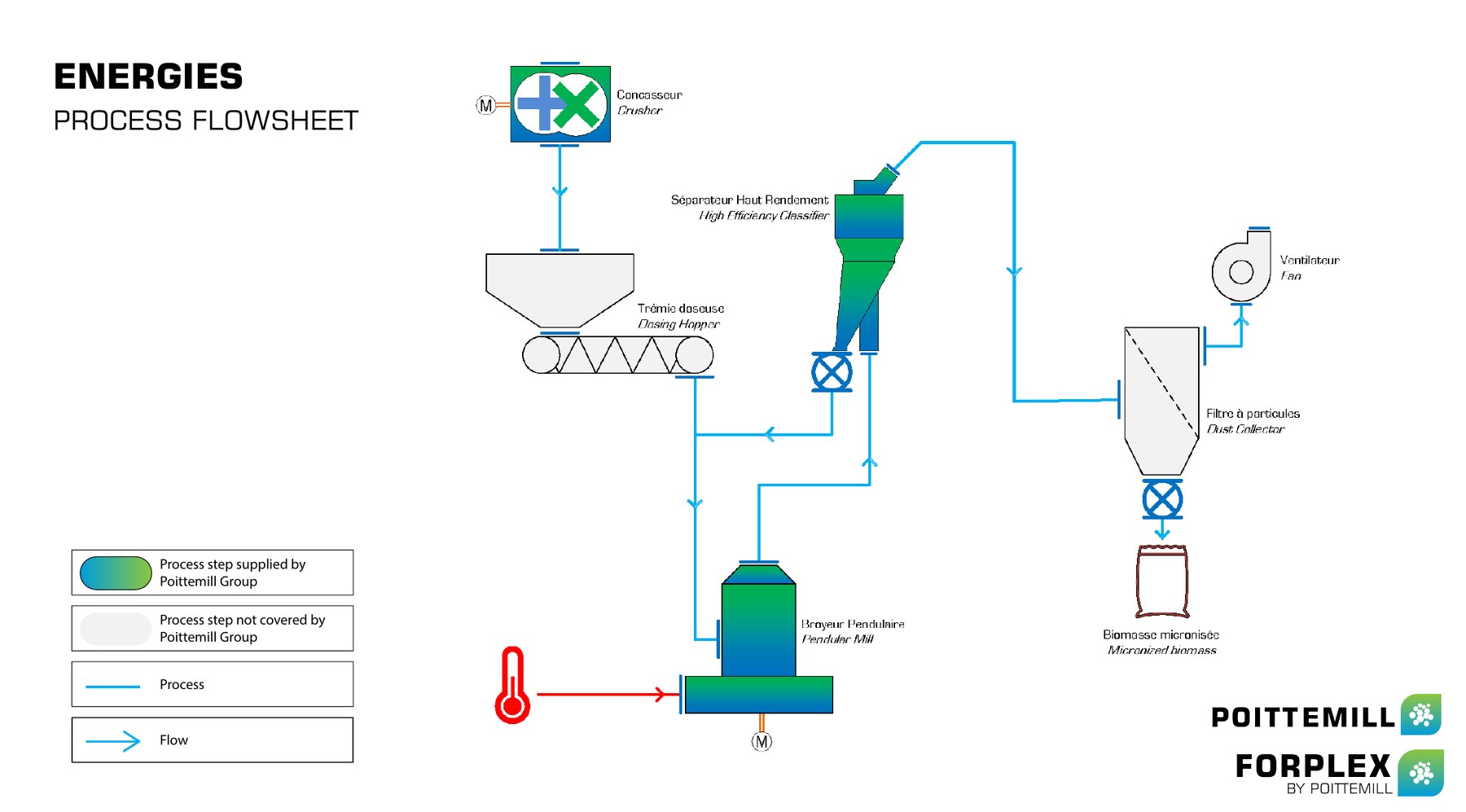
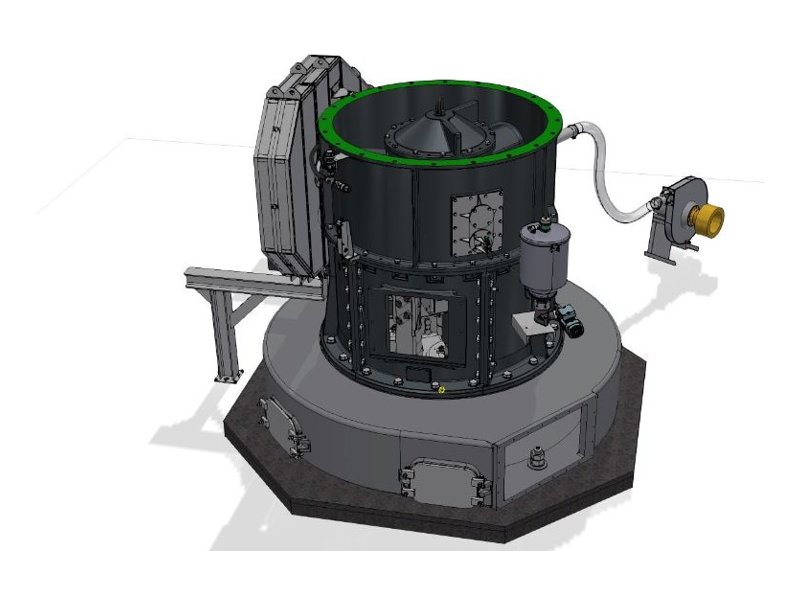
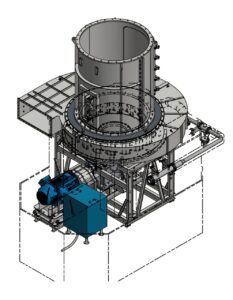
Inedible plant material such as straw, forestry residue and energy crops is ground by compression of the material bed in a PM pendular mill, then converted to synthetic gas and biofuel. The process is being developed with energy companies.
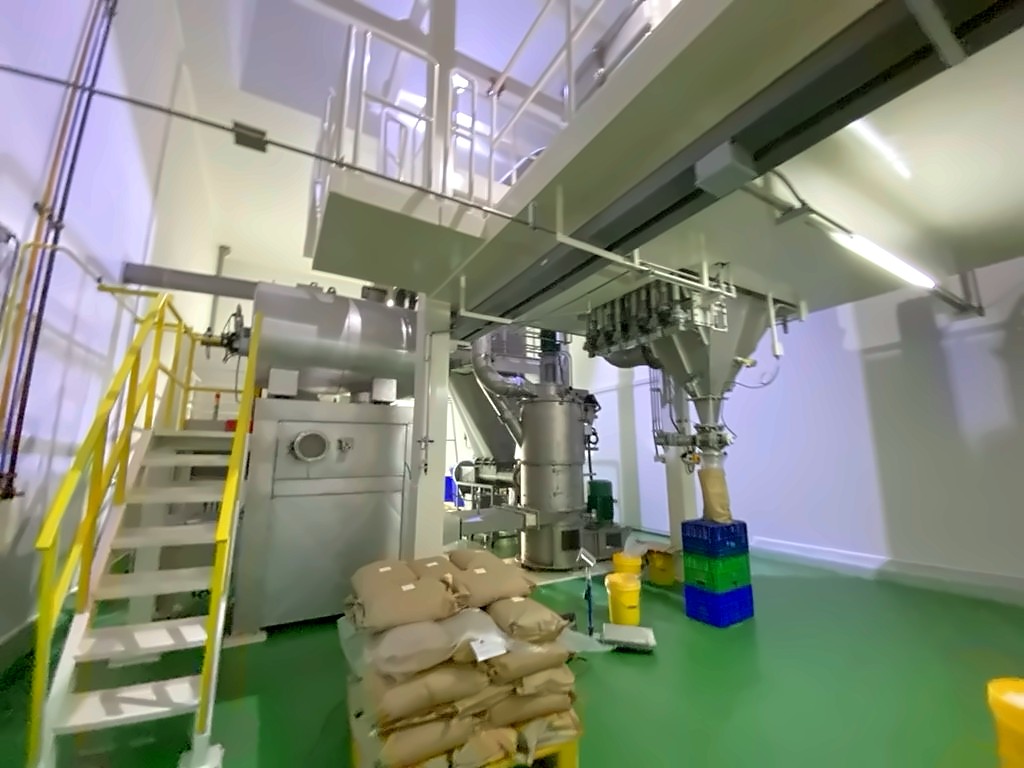
Plant‑based food co‑products
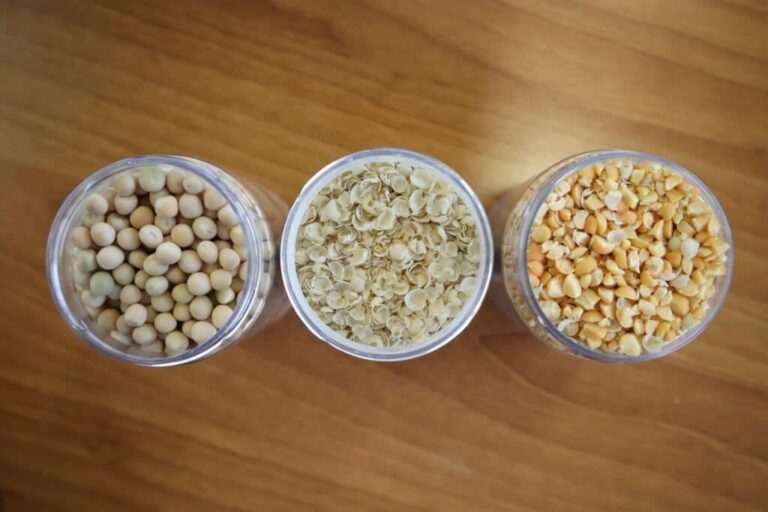
- Pulse hulls: dehulling peas leaves hulls that can be ground and separated to keep their fibre for other uses.
- Starch: the milling technique sets how the starch is modified and what it can be used for.
- Control: regulated particle size and temperature, easy maintenance, and optional PLC automation.
Trials with your material
Small grinding and classification trials run at PTC ASEAN in Chonburi on a POITTEMILL FNG laboratory mill. Larger or specialised trials run at the POITTEMILL test centre in Béthune, France, at pilot and full scale, to set machine, parameters and process before you invest.