The whole fish
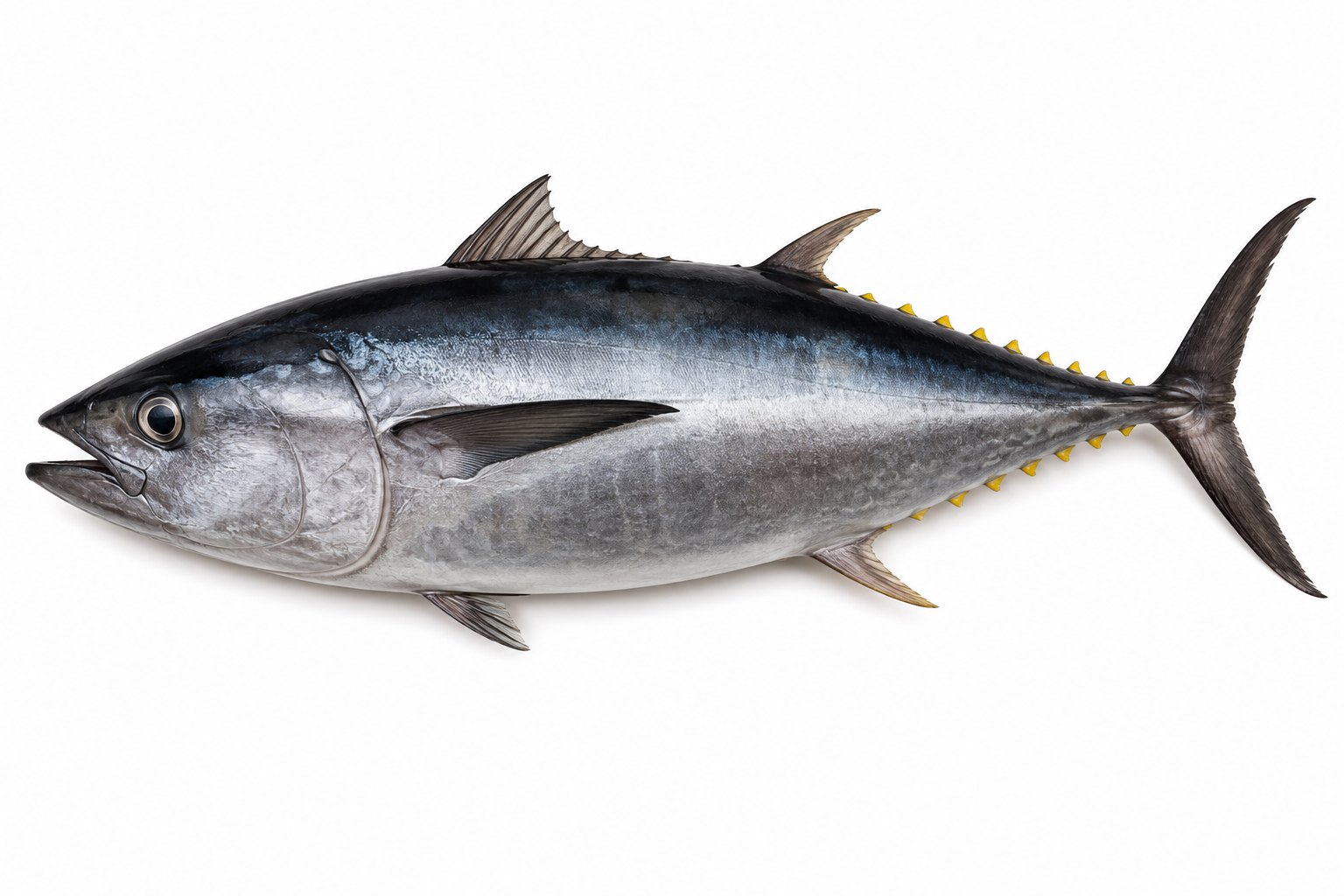
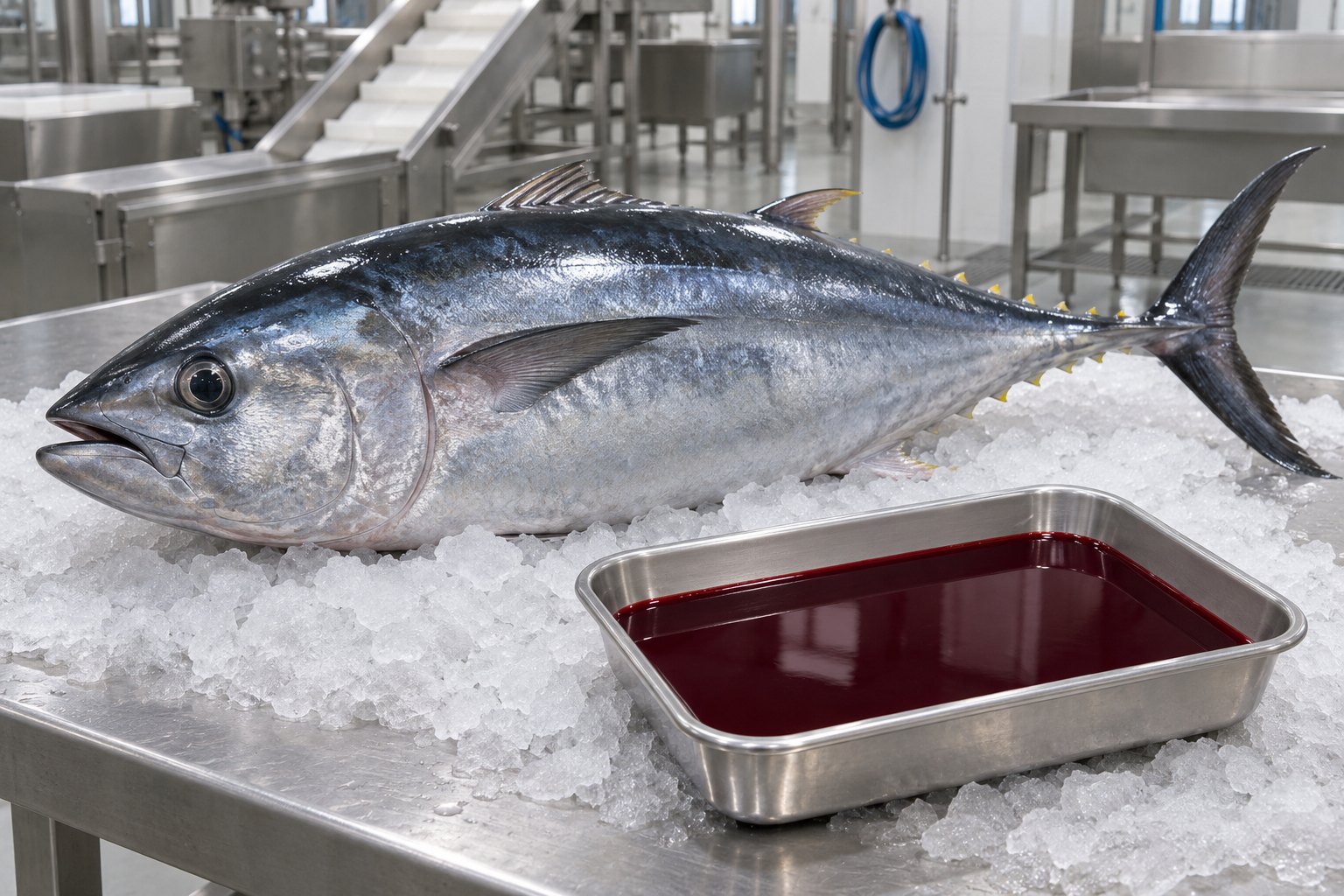
Only part of a tuna or salmon becomes fillet or canned meat. The rest leaves the plant as by‑products: cooking water from precooking, blood, frames and bones, heads, and oil. Most of it is sold cheaply as fish meal or treated as waste.
Each stream has its own chemistry and its own route to value. Taken together, they turn a processing plant into a source of ingredients for food, feed, supplements and advanced materials.
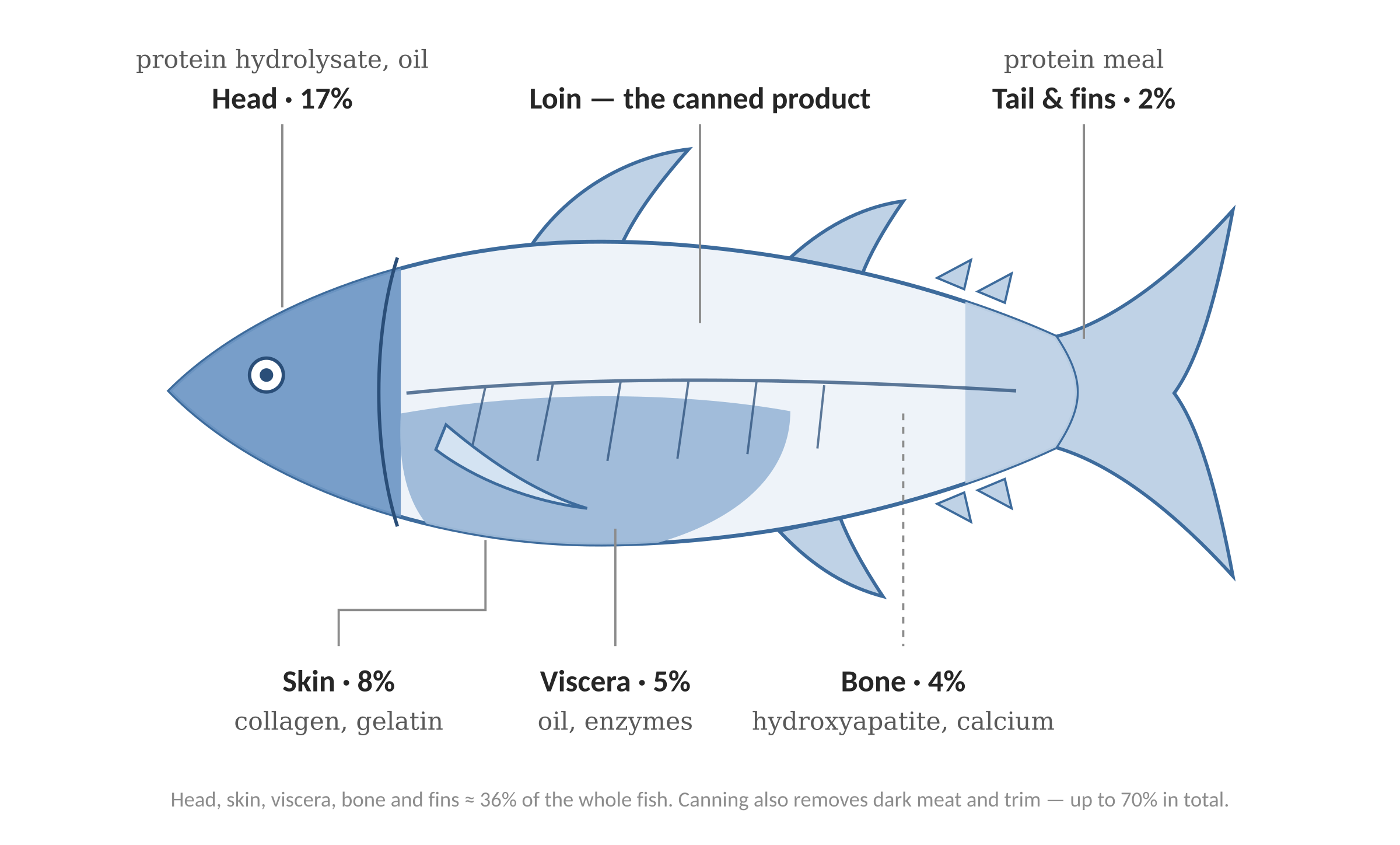
Four streams, four products
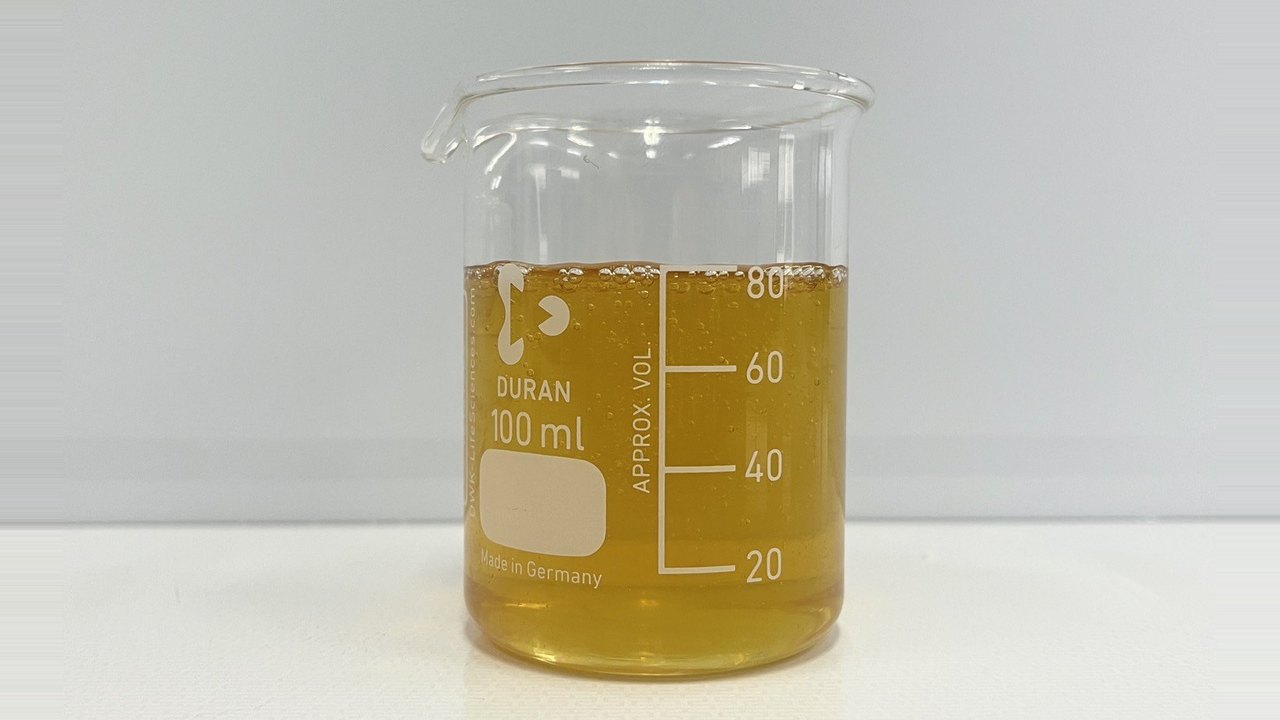
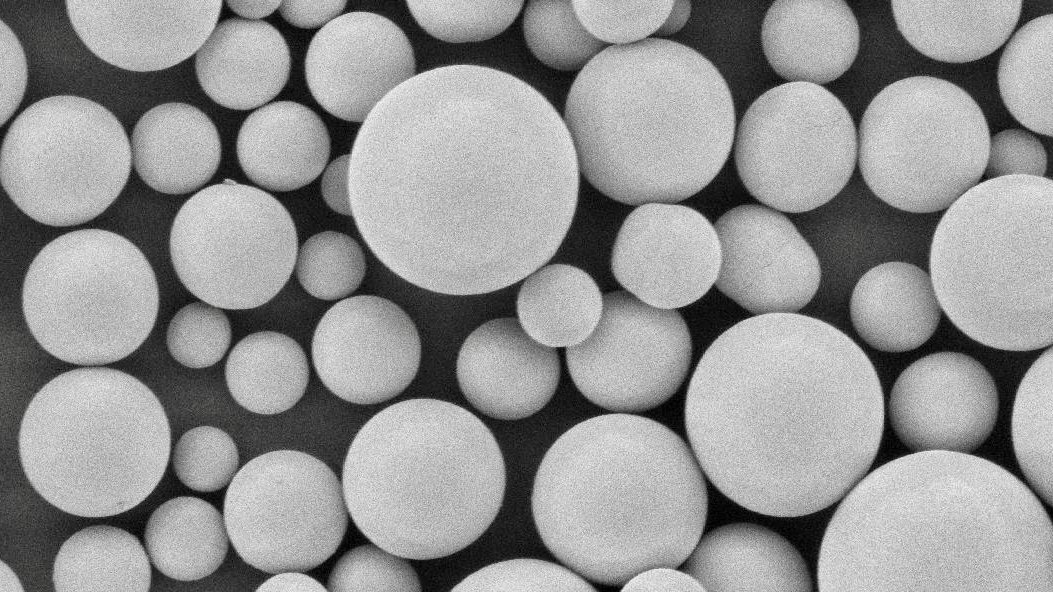
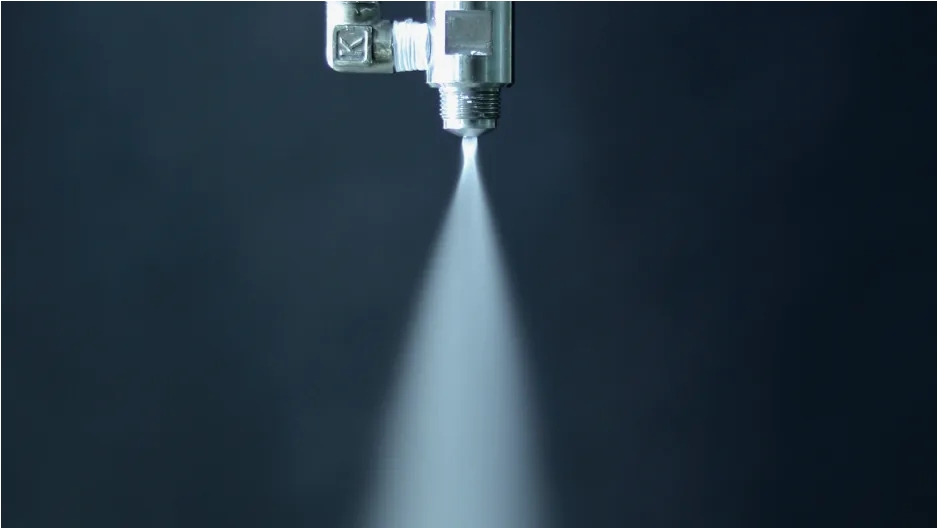
Fish oil can be turned into powder two ways: spray cooling gives a powder from the melted oil and carrier, and spray drying gives a microencapsulated powder from an emulsion. The salmon oil case shows the spray cooling route.
Applications
From food and feed to supplements and advanced materials:
- Cooking water (TSE): flavour and seasoning bases, soups and broths, pet food palatants, and attractants in aquafeed.
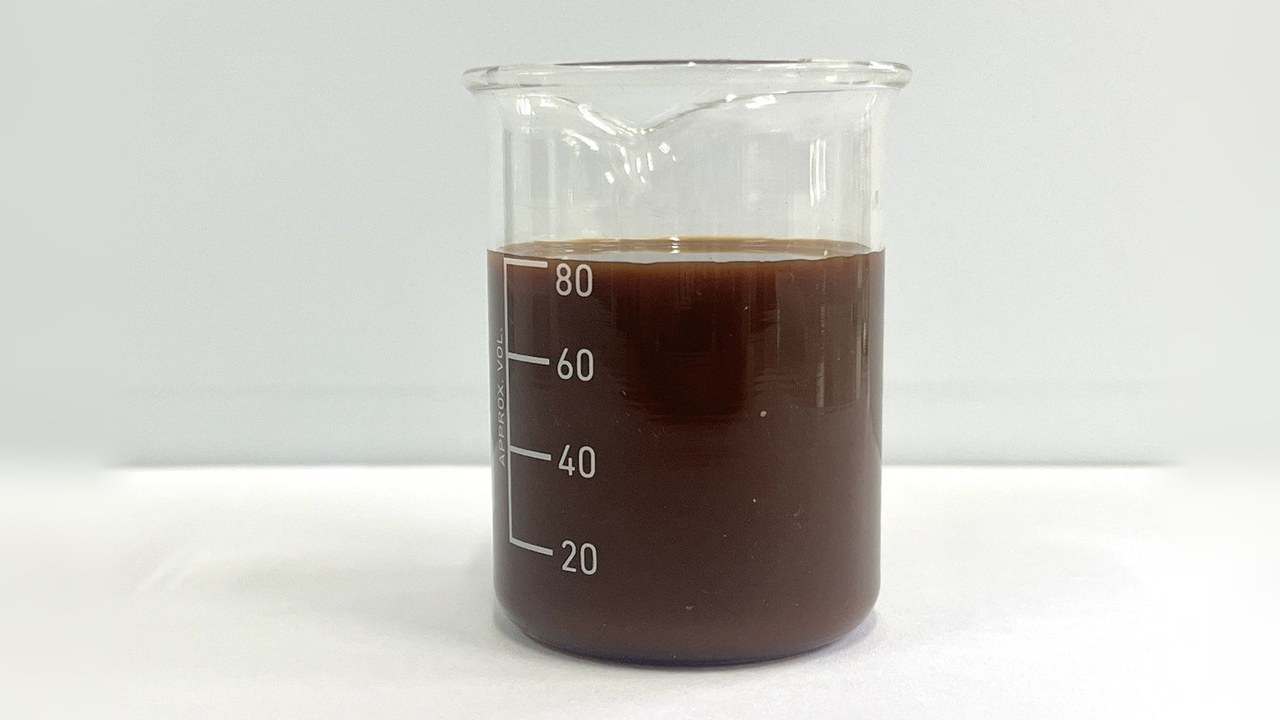
- Blood: protein for feed, aquafeed and pet food, and a natural source of heme iron.
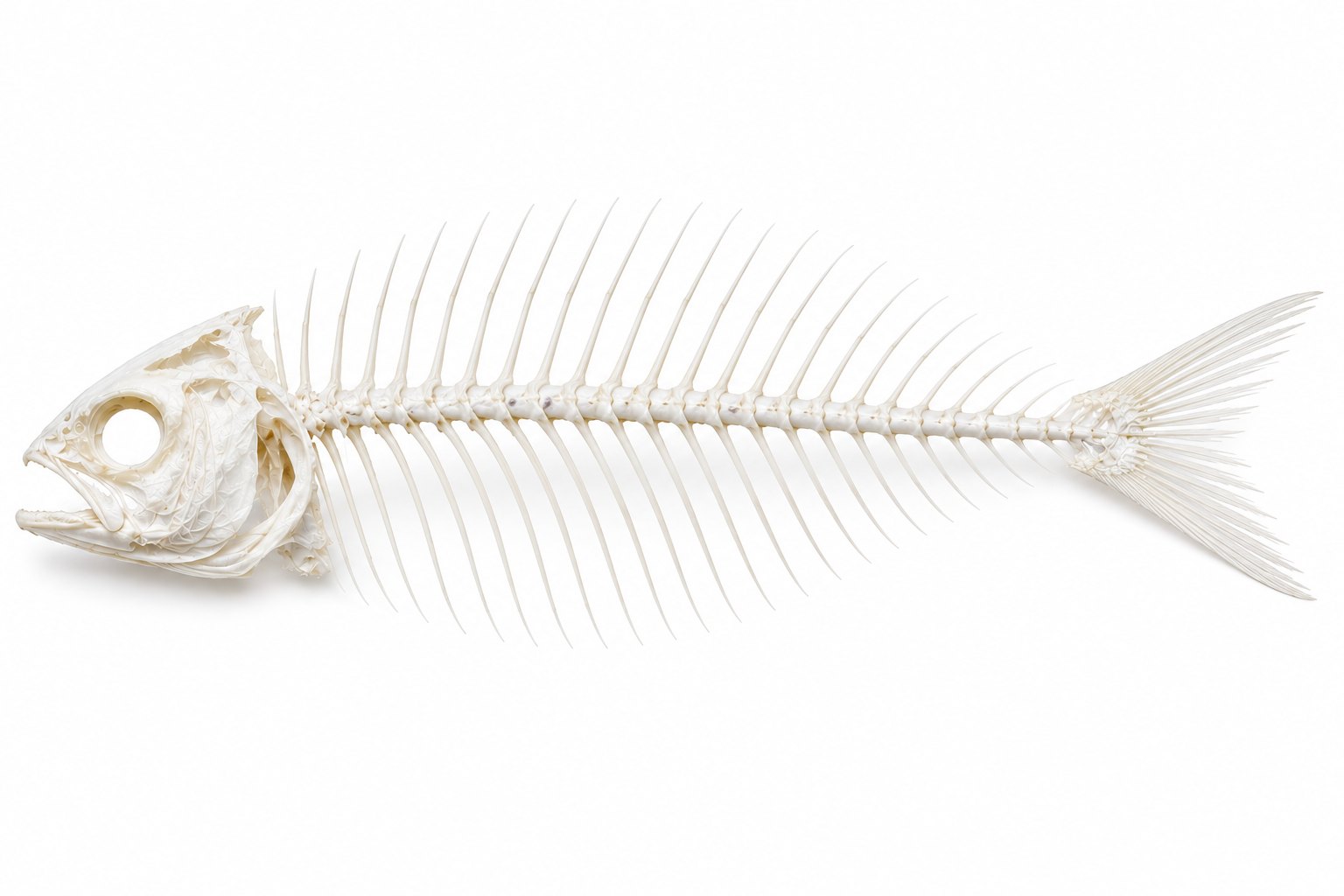
- Bone: calcium for food fortification and supplements, mineral for feed, and hydroxyapatite for bone graft, dental and cosmetic materials.
- Oil: omega‑3 for supplements, fortified foods, infant and clinical nutrition, and feed and aquafeed.
One line, built step by step
A processor does not have to start with all four. PTC ASEAN trials one stream at a time on your own material and sets the drying window at pilot scale. T.S.K. Engineering then builds a production line that can start with one product and add the others later, with PRECI spray drying and spray cooling and POITTEMILL fine grinding.
Also from the sea
Shellfish processing leaves oyster and mussel shells, which become calcium powder by the same grinding and spray drying route: oyster and mussel shells to calcium powder.