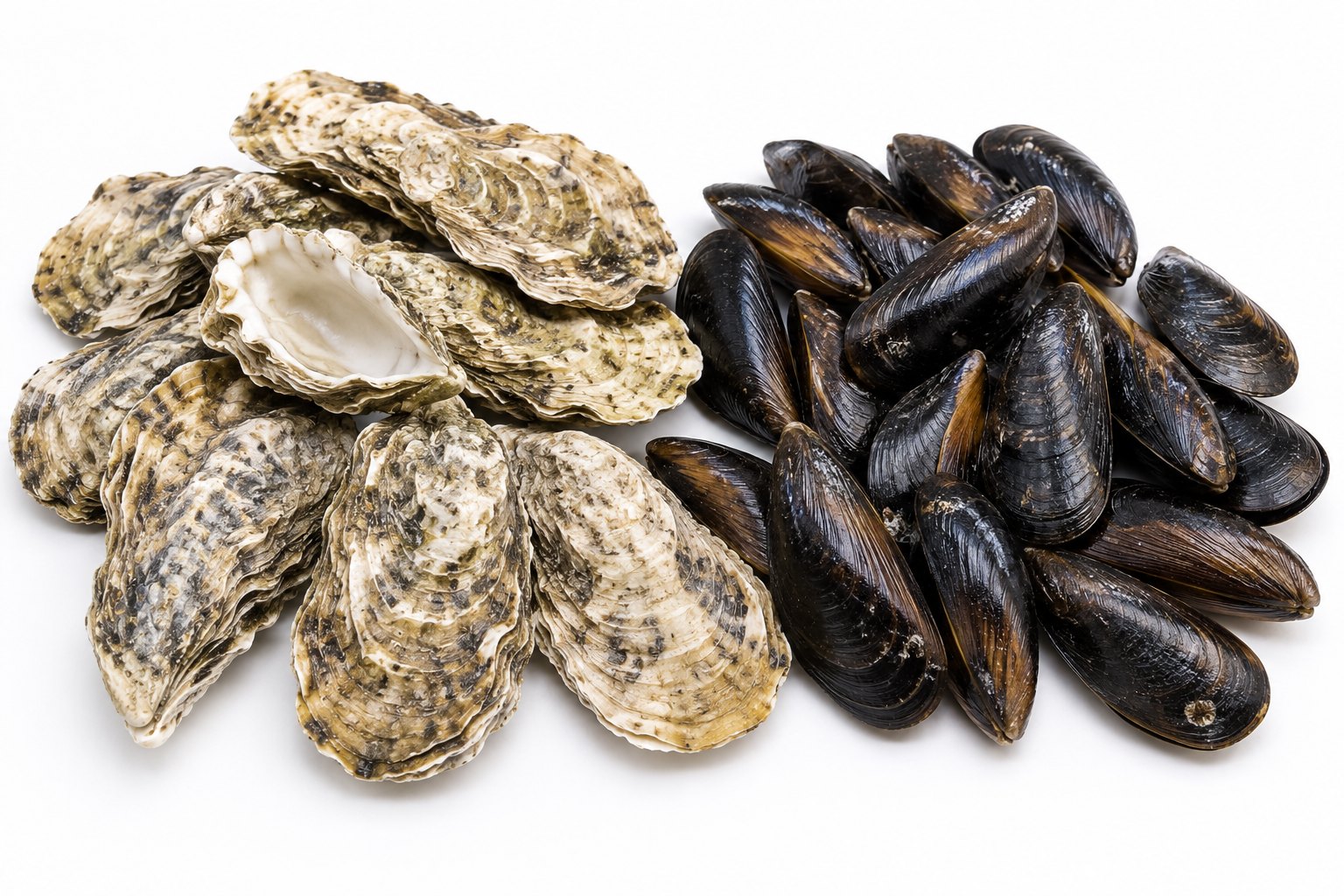
The by‑product
Shells are mostly calcium carbonate. They pile up at processing sites and fishing communities, often as waste.
Cleaned, ground and spray dried, shell calcium becomes an ingredient with value, from calcium supplements and food fortification to feed and fillers.
Challenges
- Cleaning: organic residue must be removed for a clean, odour‑free powder.
- Fineness: each use needs its own particle size, from coarse feed grades to fine food grades.
- Consistency: shells vary by species and season, so the process must give a uniform product.
Approach
The shells follow the same route PTC ASEAN uses for hydroxyapatite from fish bone, treating the shell as a fine‑ceramic raw material.
- Cleaning, bleaching and drying: organic residue removed and the shells bleached white, then dried.
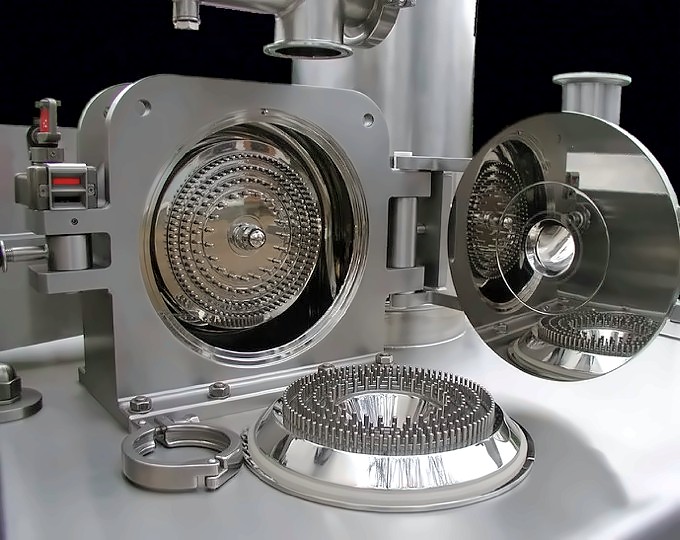
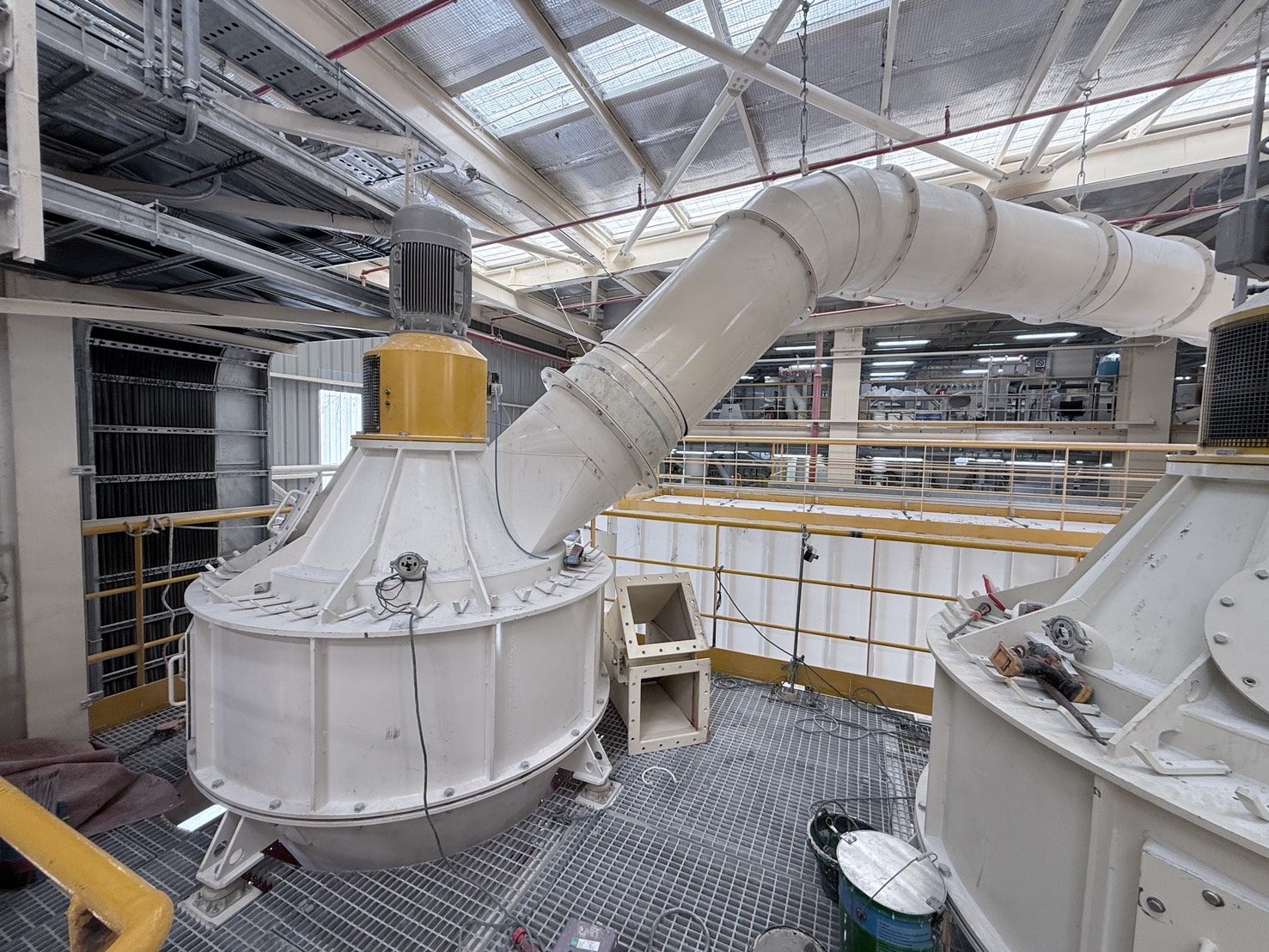
- Grinding and classification: ground fine and classified on POITTEMILL technology, with particle size set for the target use.
- Wet pulverization: the fine powder is milled further in liquid and prepared as a slurry.
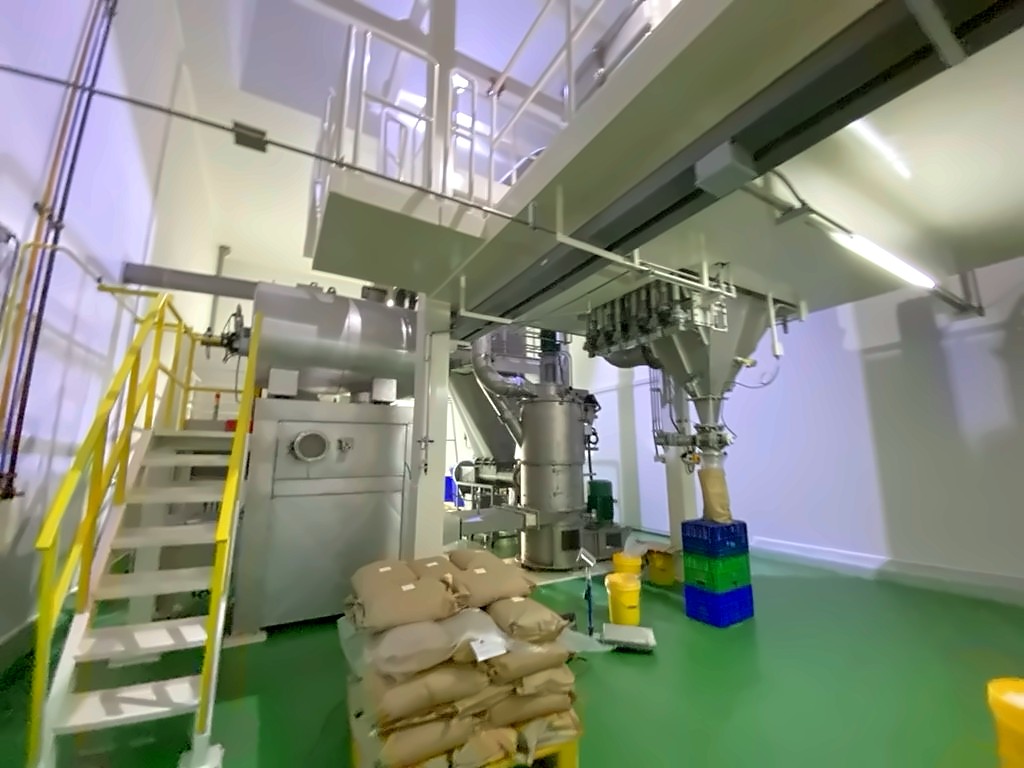
- Spray drying: the slurry is spray dried on PRECI technology into uniform, free‑flowing calcium powder.
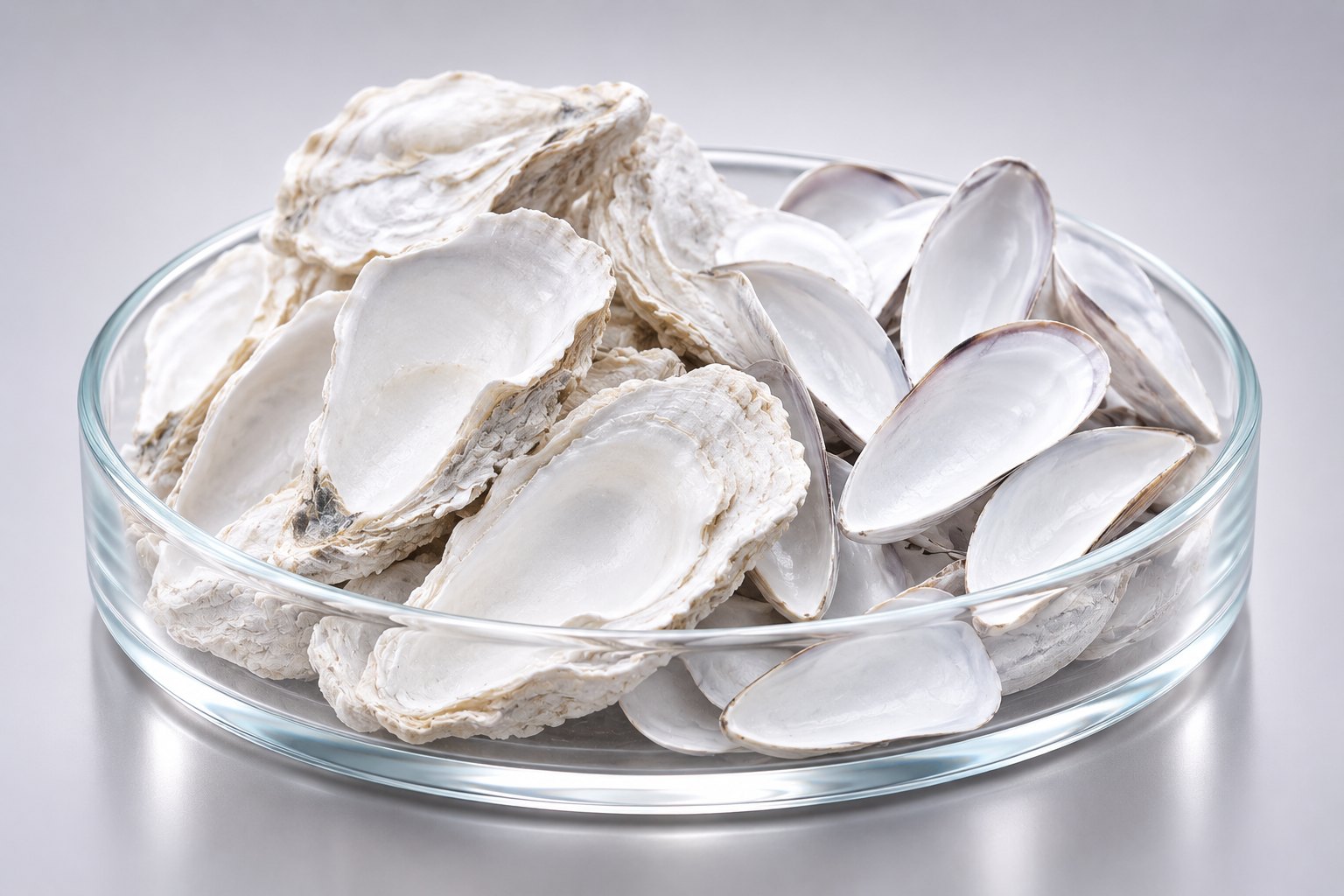
Results
Oyster shell and mussel shell calcium powders produced by grinding and spray drying, to defined fineness.
Related applications
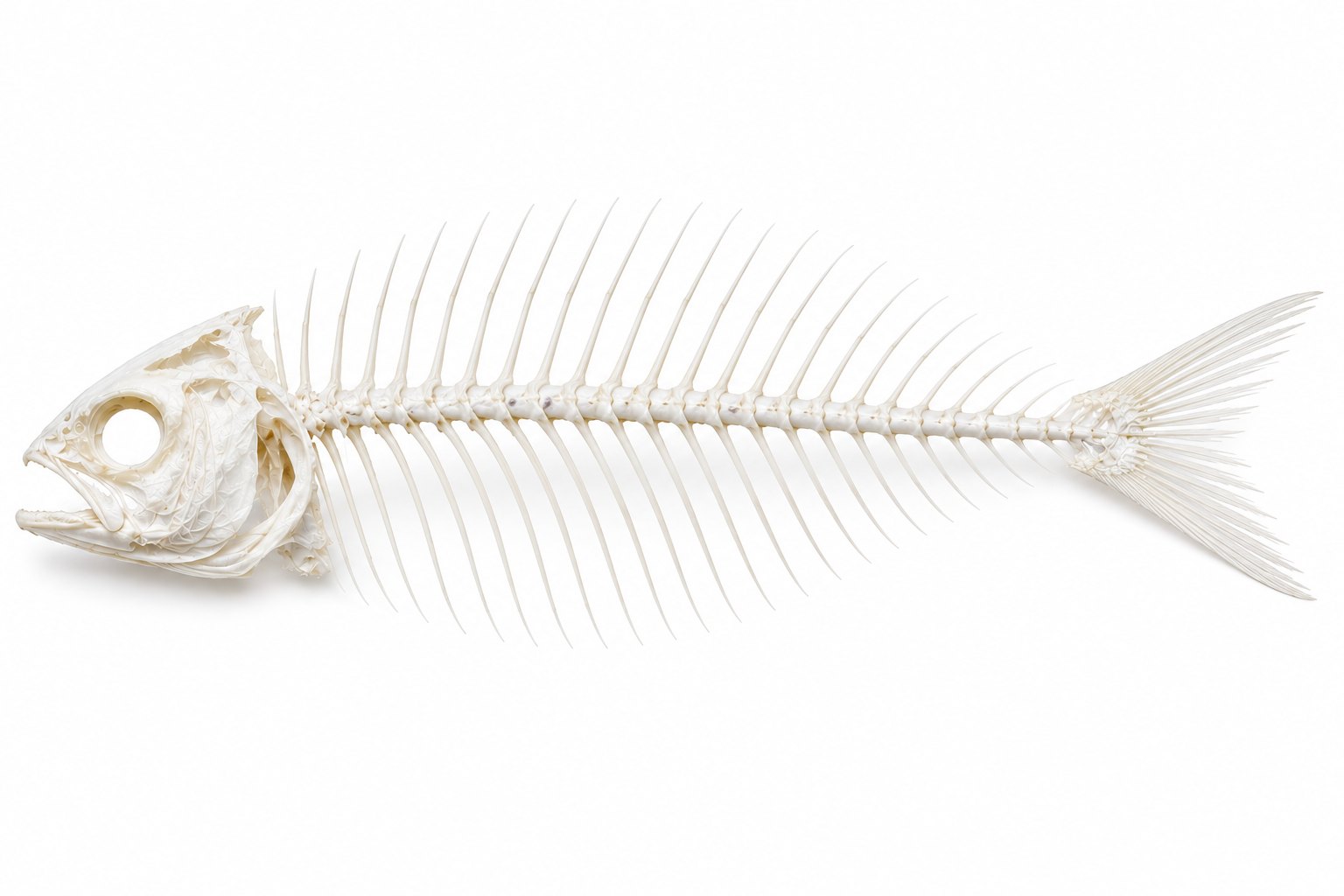 Fish bone to calcium and hydroxyapatite: tuna and salmon
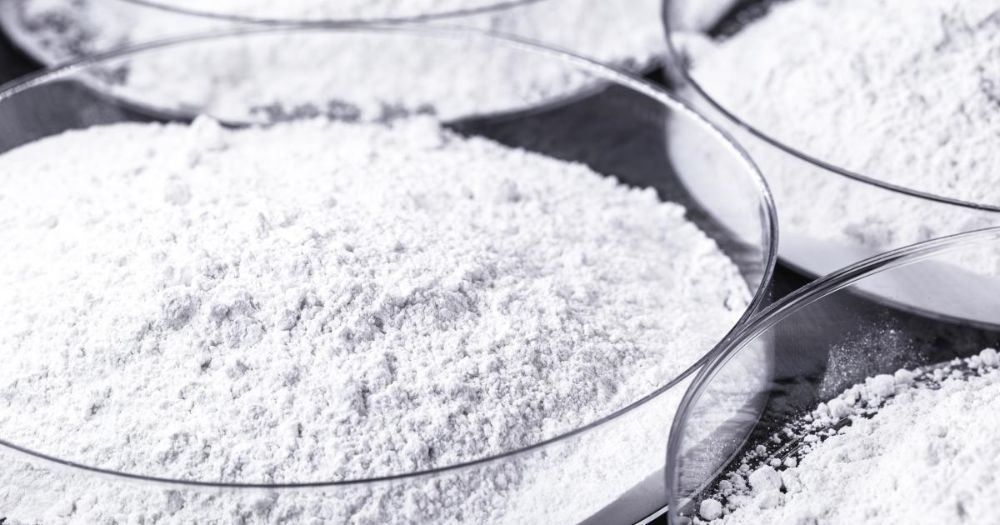 Grinding calcium carbonate with a pendular mill
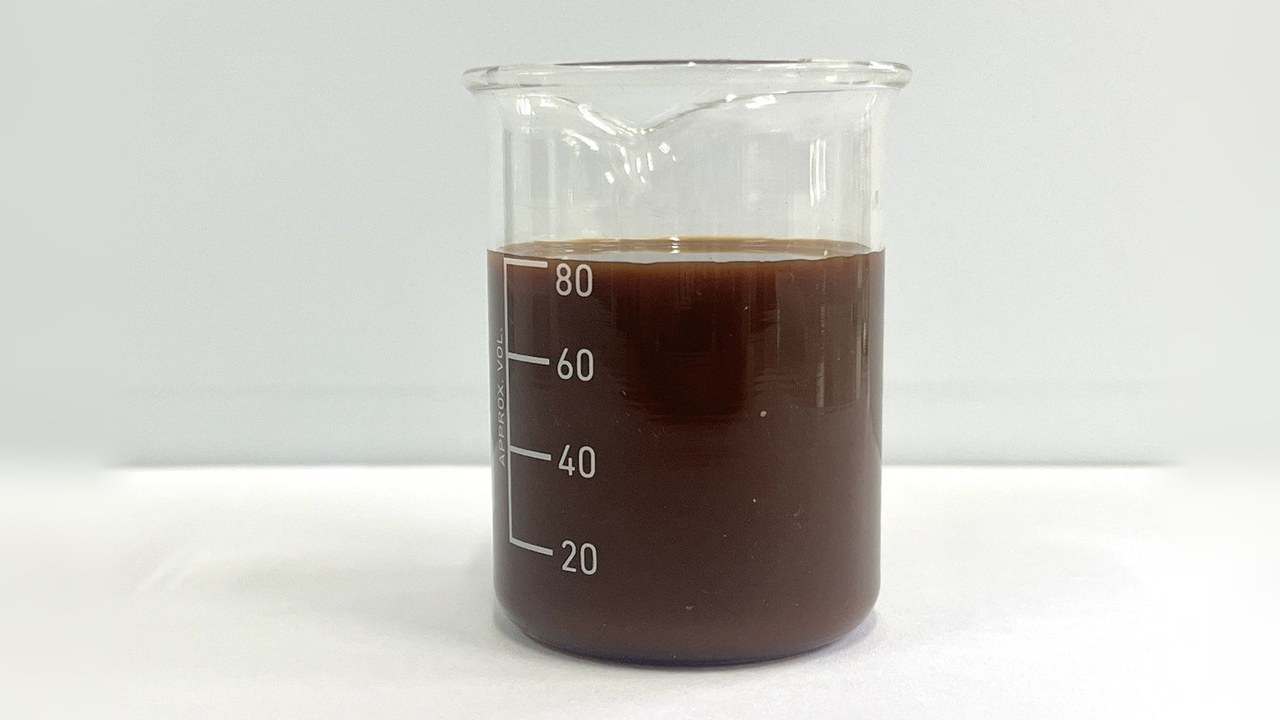 From tuna cooking water to high‑value powder