TSK Powder Technical Center

Home / Technology / PRECI / Spray drying

PRECI, Japan

Spray drying

A continuous drying process that produces powder from a liquid material by rapidly evaporating moisture in a hot gas stream. PRECI process technology, engineered and built as complete plants by TSK in Thailand.

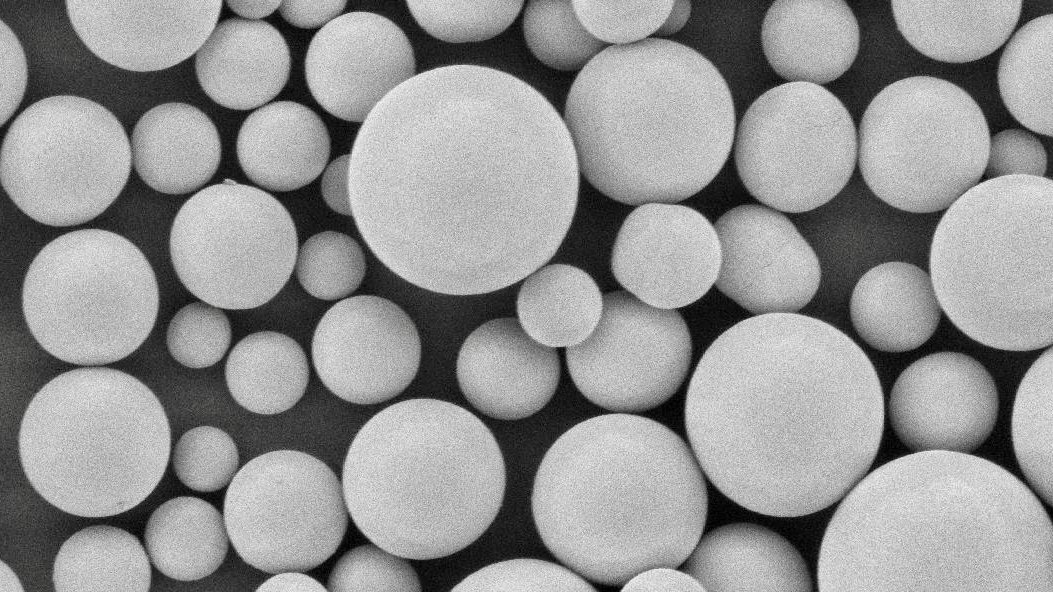
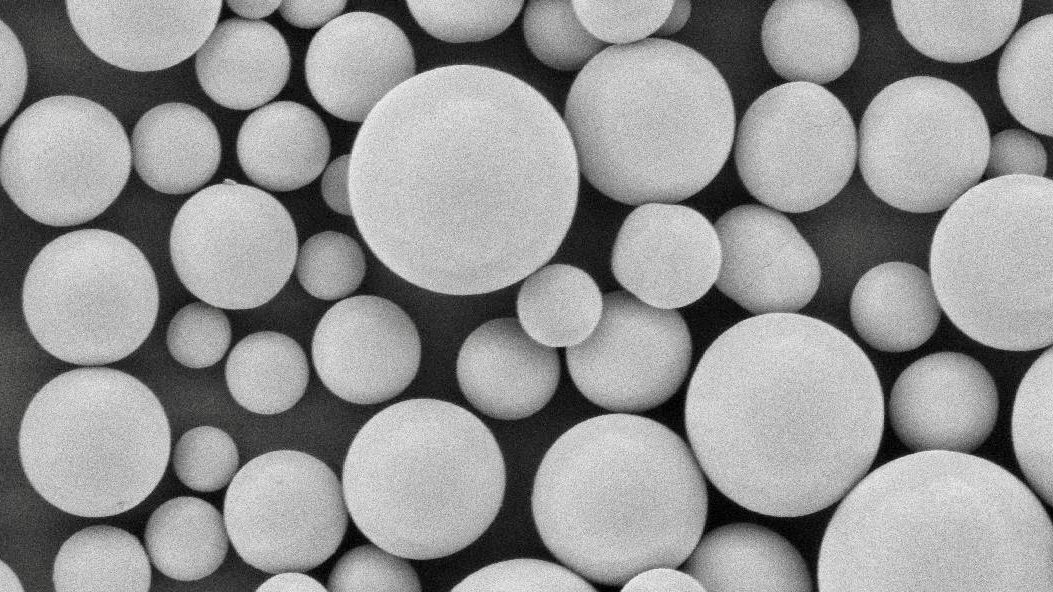
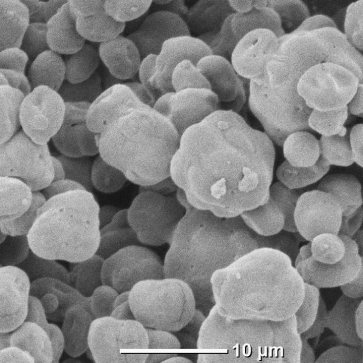
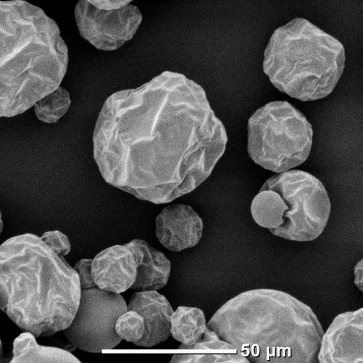
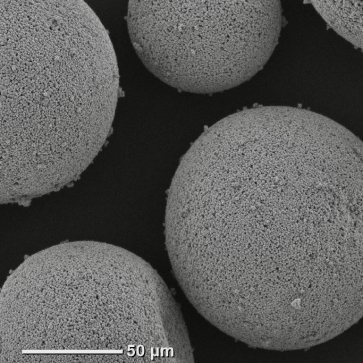
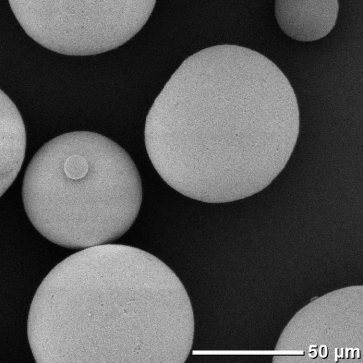
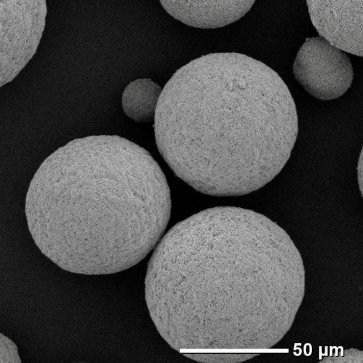
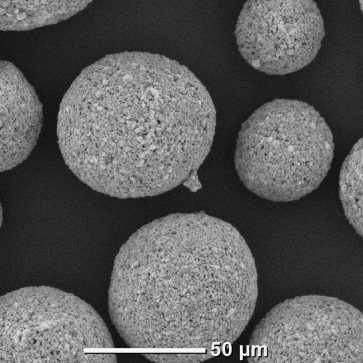
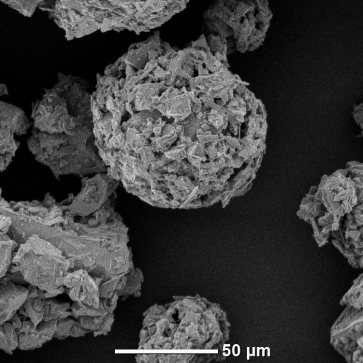
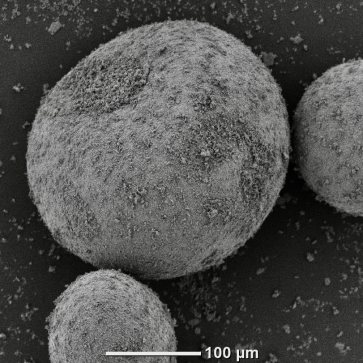
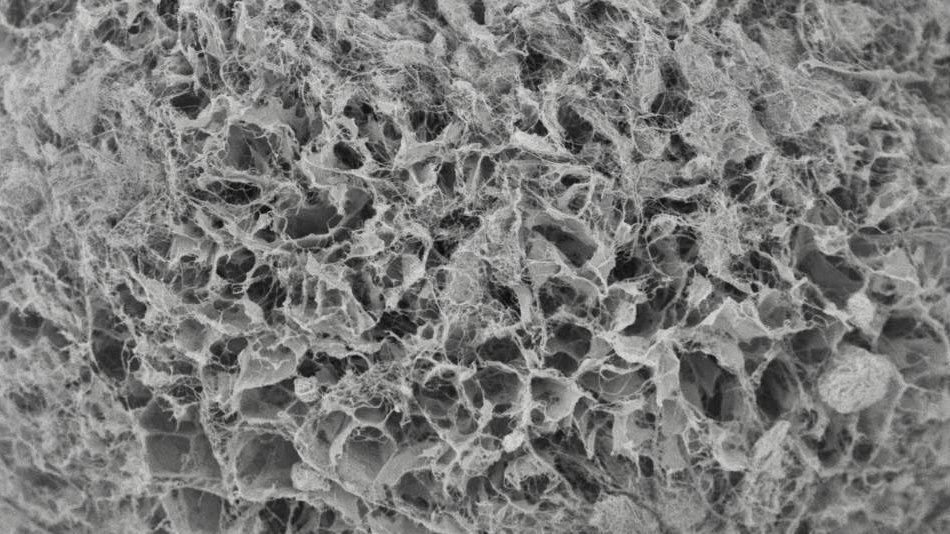
Spray-dried spherical particles under the scanning electron microscope

Spray drying

From liquid to powder in seconds

A solution, suspension or slurry is atomized into fine droplets in a drying chamber where a continuous stream of hot gas flows. The large specific surface area lets the moisture evaporate within seconds, and the dried granules are separated from the gas and recovered as powder.

Particle size, shape, structure, density and residual moisture are set by the atomization system and the drying conditions. The process gas is mainly atmospheric air; a closed cycle with nitrogen is used when the liquid contains organic solvents or is sensitive to oxidation.

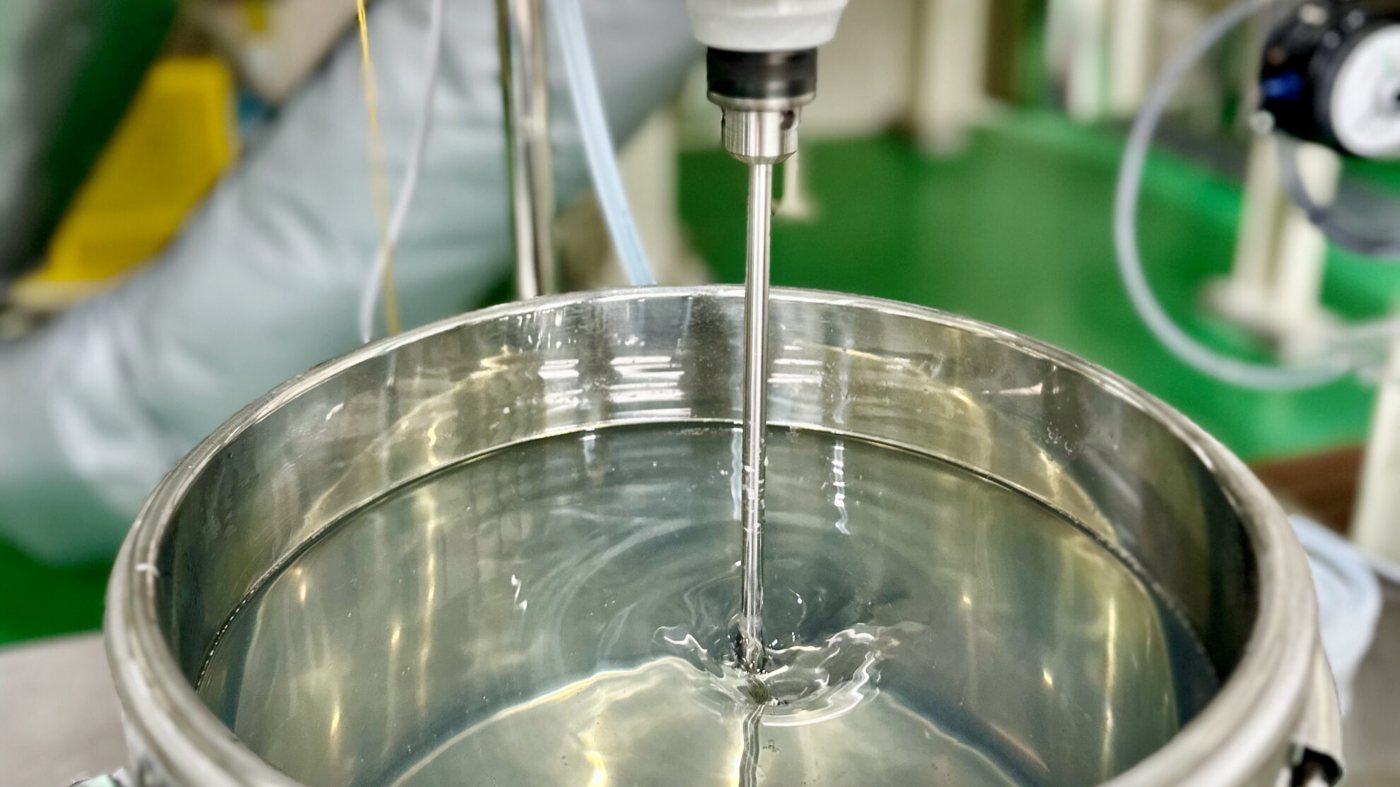
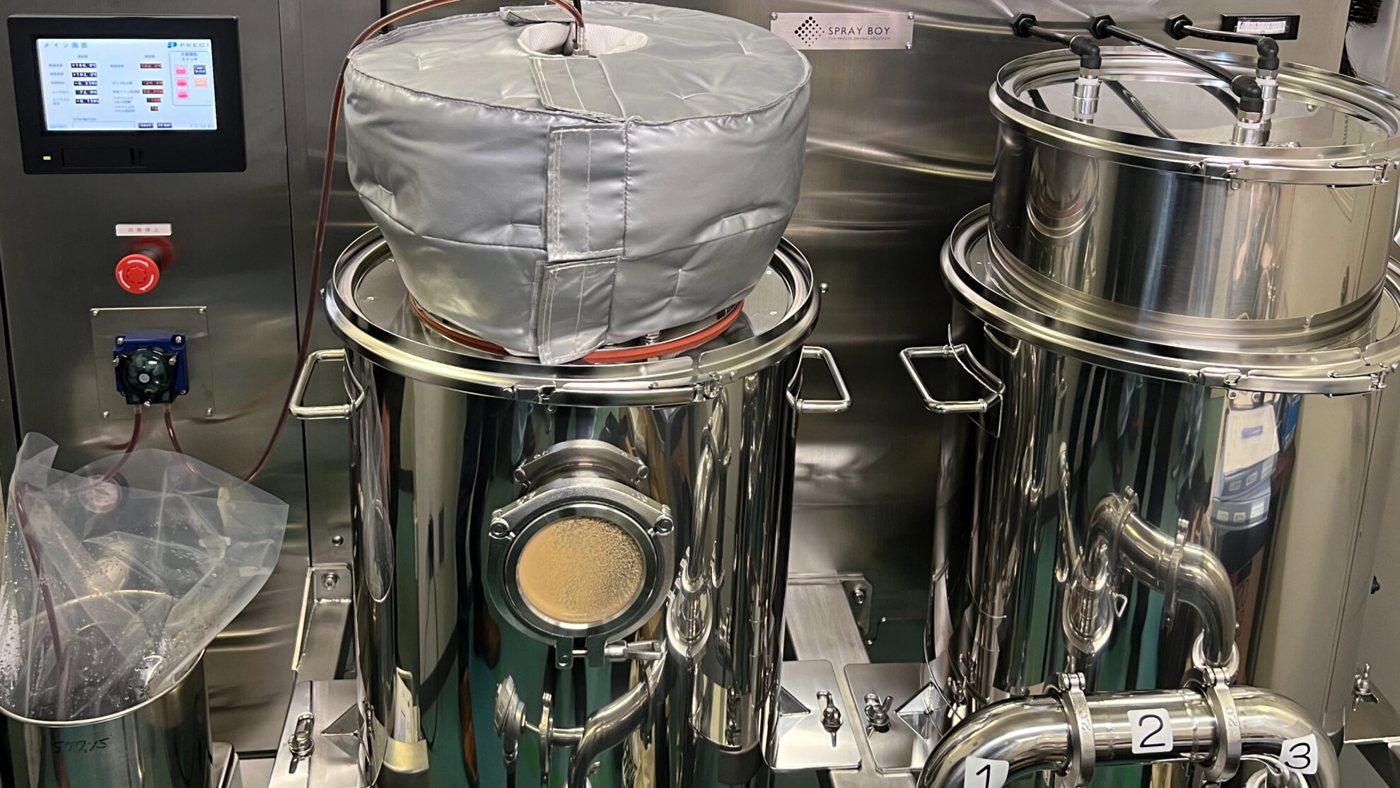
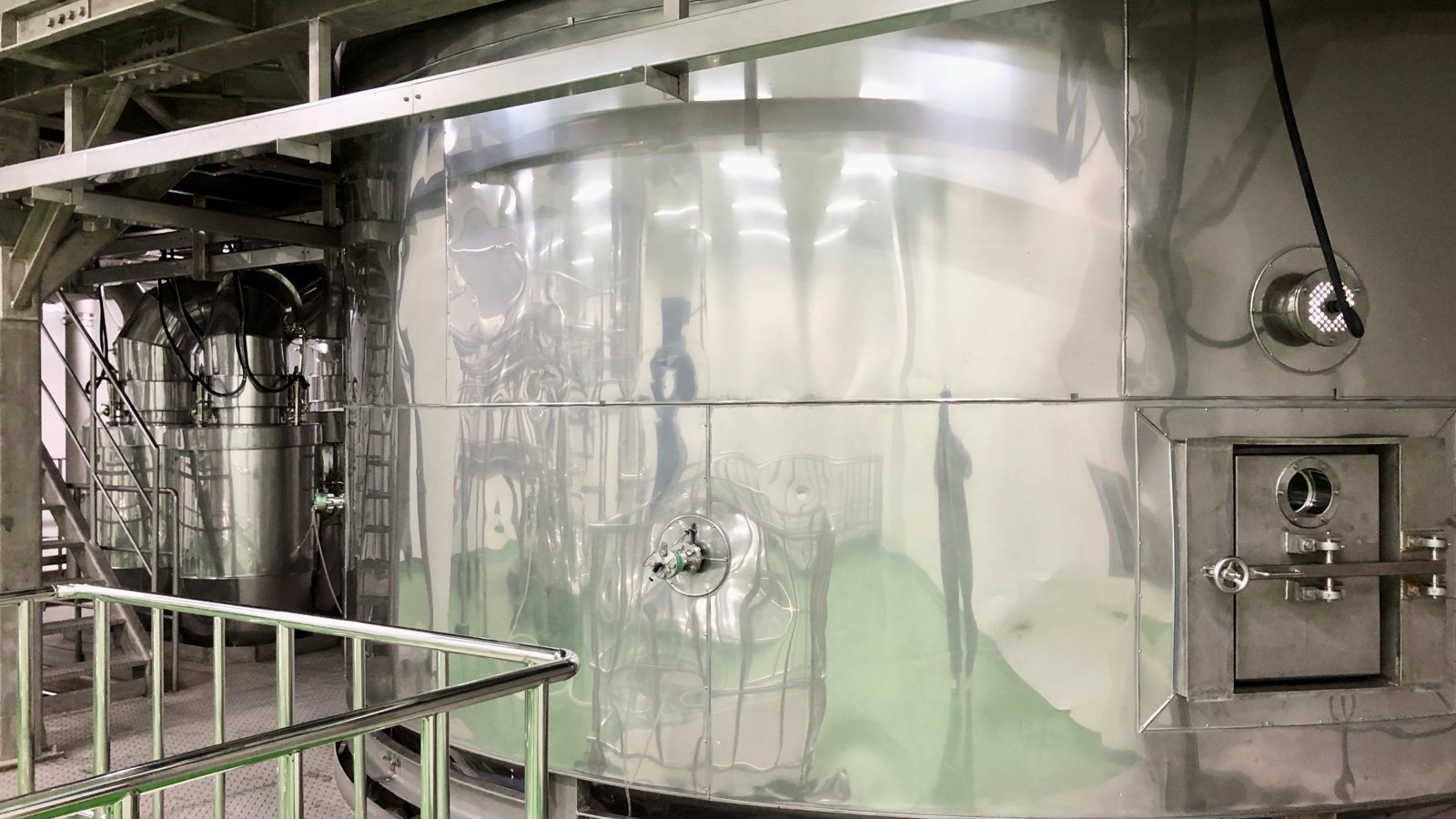
Liquid feed in a stainless steel tank
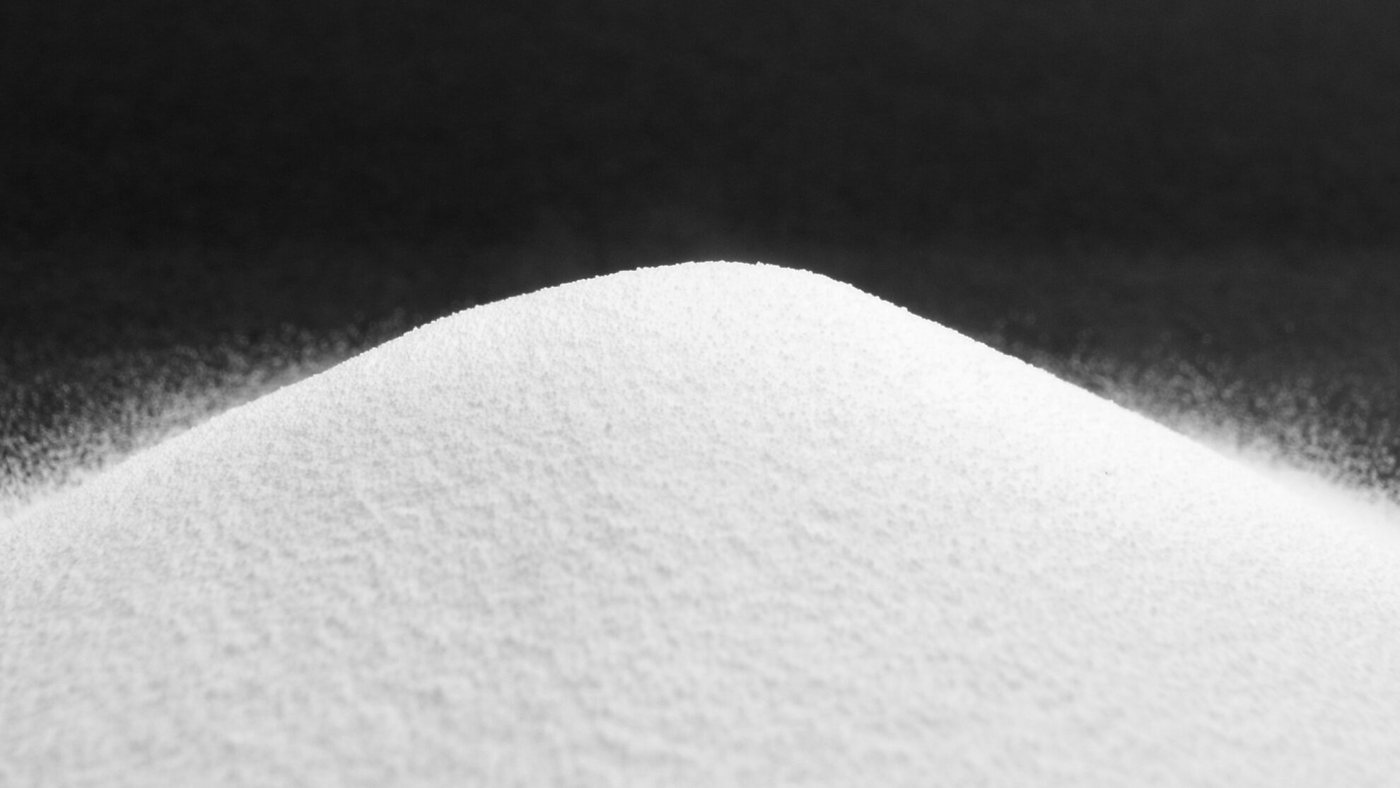
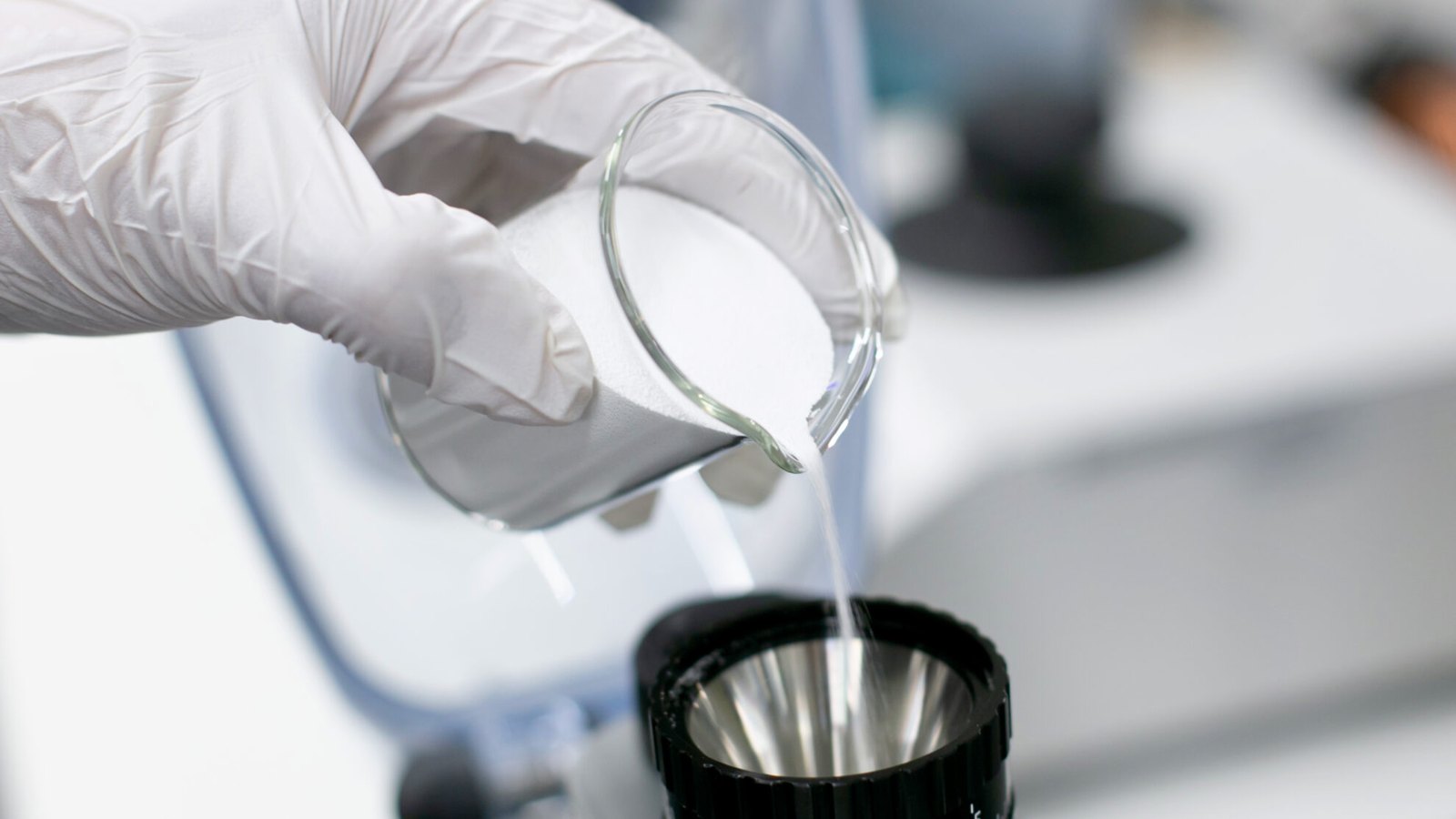
Spray-dried powder

Images: PRECI

Characteristics

Characteristics of spray drying

Drying is not difficult.Producing high‑quality powder is the challenge.

  • Production process may be simplified because powder is obtained directly from liquid
  • Heat‑sensitive applications are possible, as droplets are dried in seconds
  • Spray‑dried granules are spherical, with excellent fluidity and a sharp particle size distribution
  • Precise particle control with a variety of atomization systems
  • Continuous process: easy to scale up and suitable for mass production
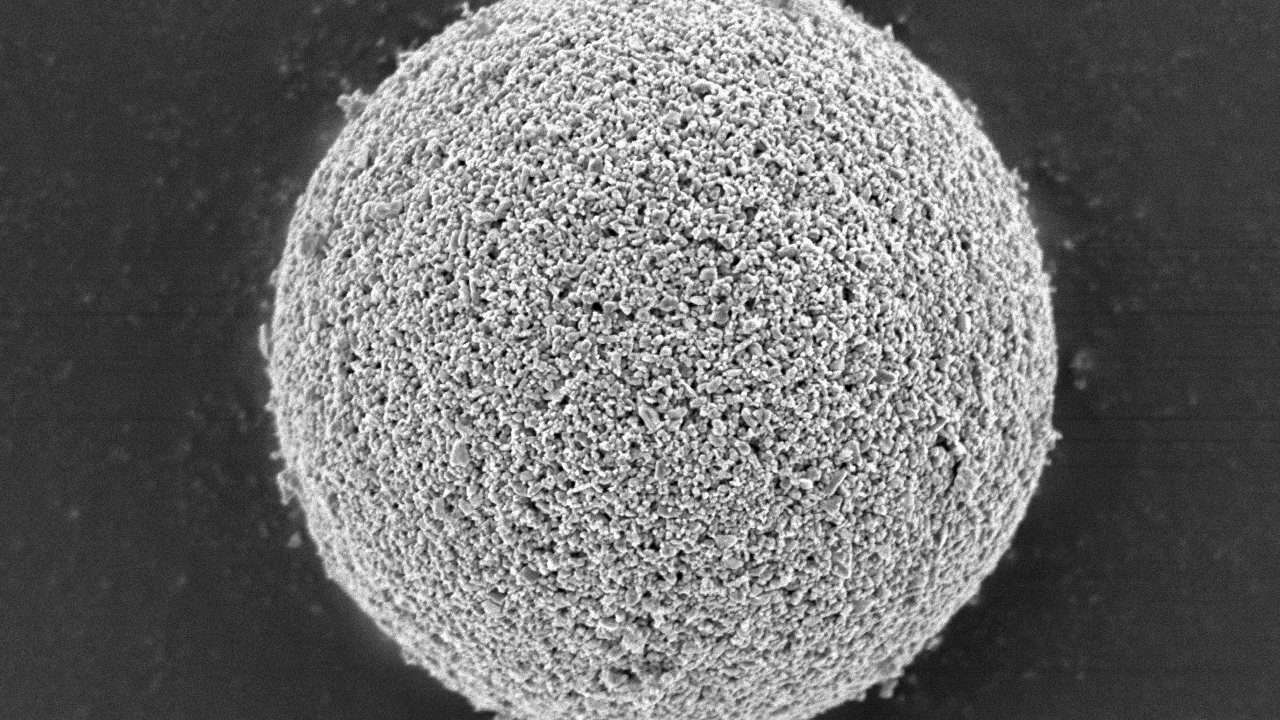
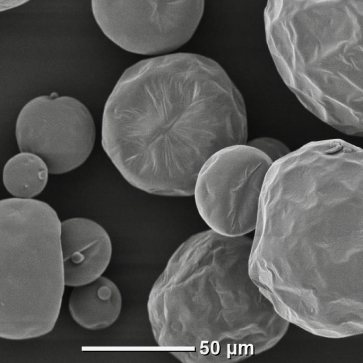
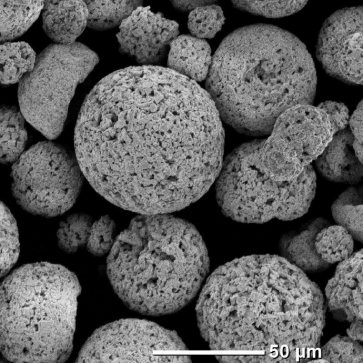
Spray-dried particle under the scanning electron microscope
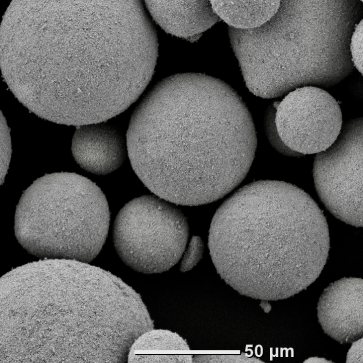
Spherical spray-dried particles under the scanning electron microscope

Images: PRECI

History

History of spray drying

Spray drying was invented in the late 1800s and was put into practical use from the 1920s, first for food powders. From the 1950s, research into spray drying theory and processes expanded its use to industrial materials: metals, ceramics, synthetic resins and chemicals.

In Japan, spray drying was refined by the advanced materials industry. Fine ceramics, electronic components, semiconductors, magnetic materials and catalysts demand precise control of particle size, shape, structure and density, and Japanese makers such as PRECI built their dryers to that standard. The same precision now serves food, pharmaceuticals and bioactive ingredients. In Thailand, we apply it to bioactives and natural extracts, such as probiotics, enzymes, peptides and plant extracts, where precise control of temperature and particle properties keeps the activity in the powder.

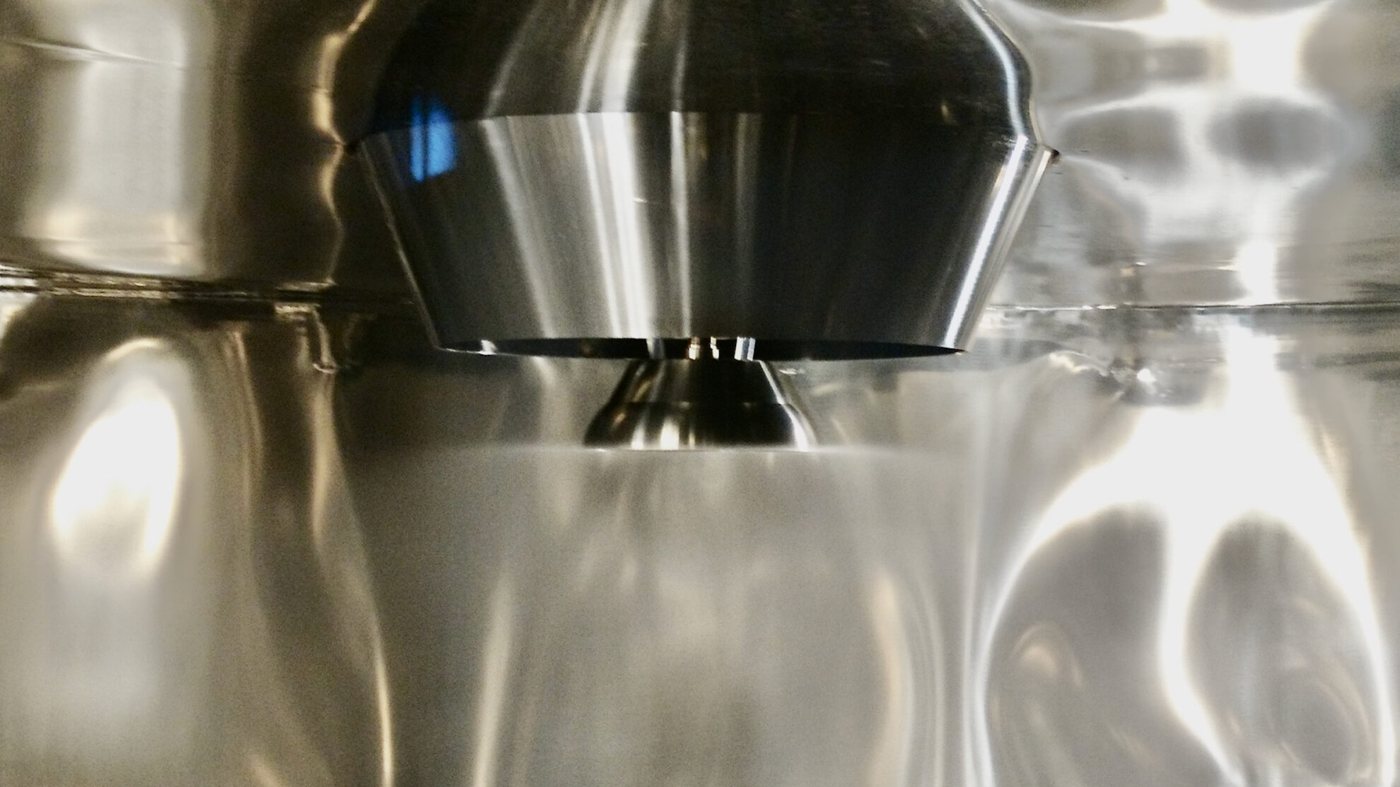
Atomizer inside a spray drying chamber
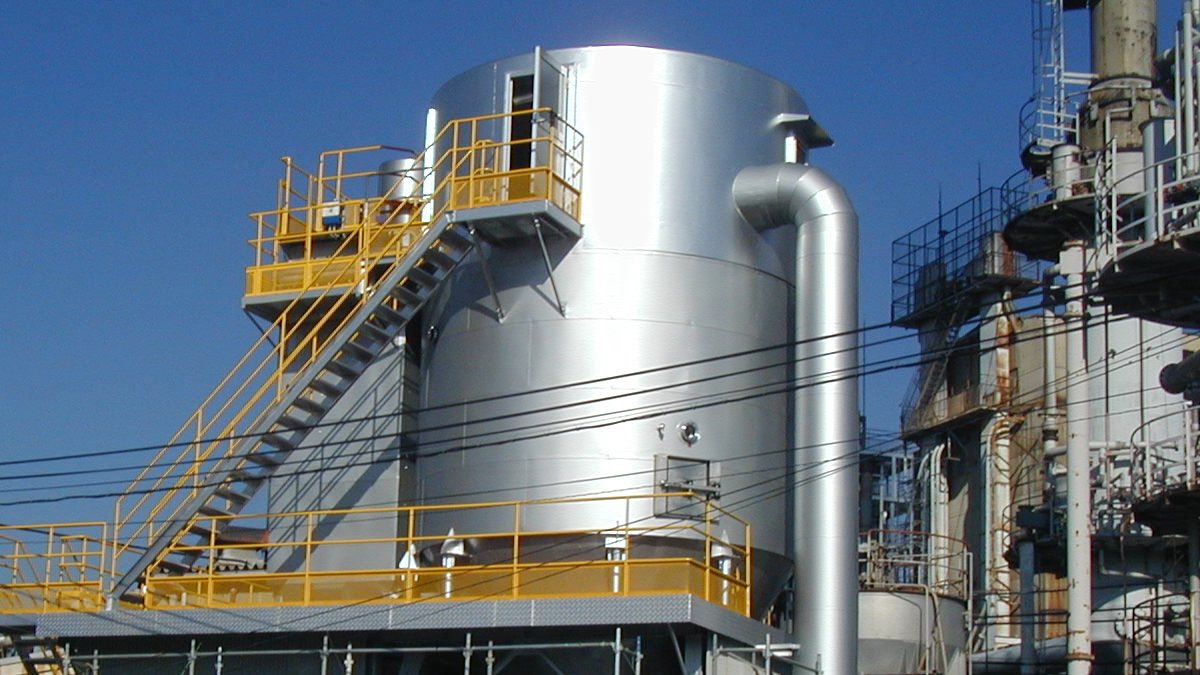
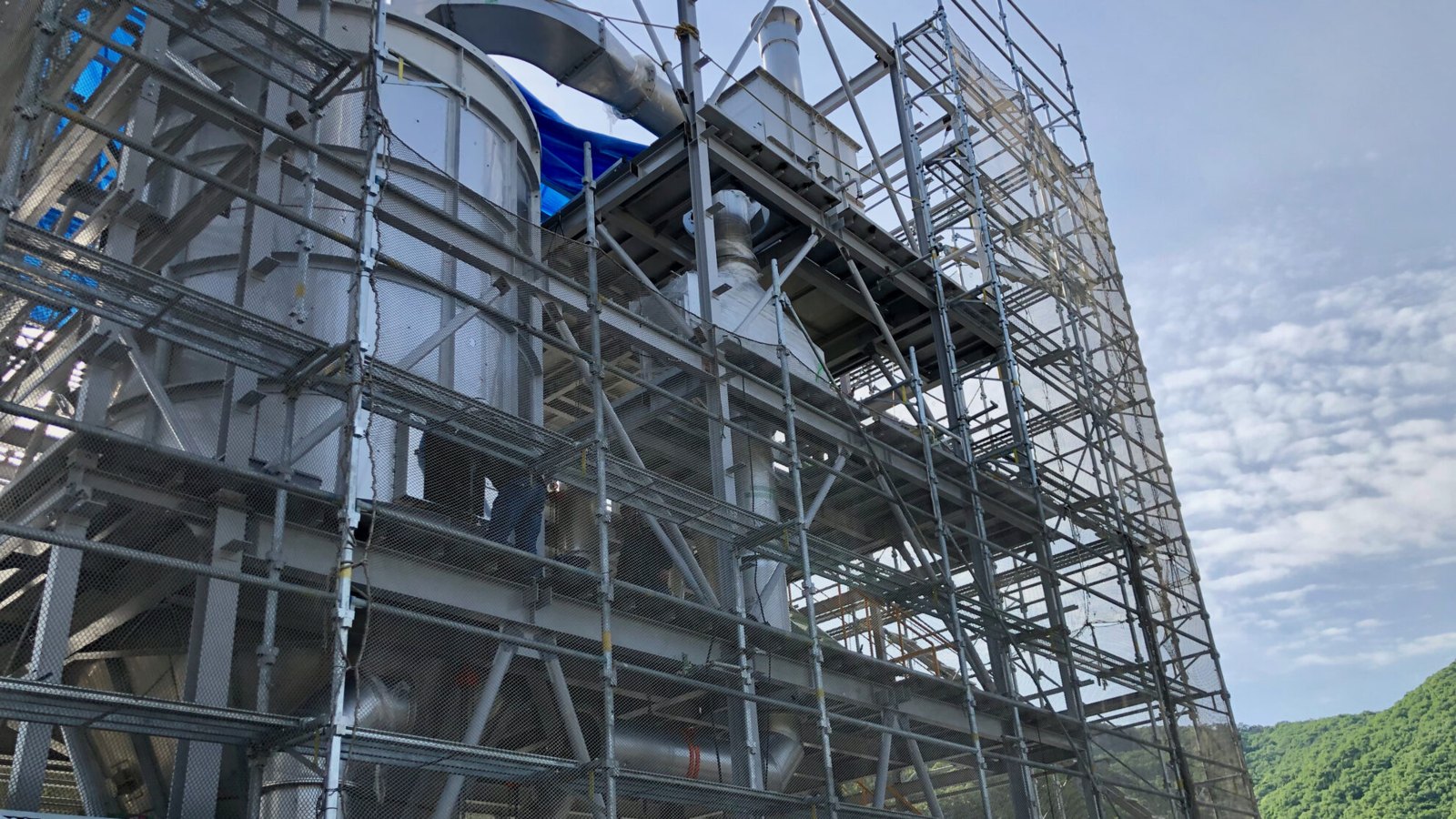
Large-scale spray drying plant

Images: PRECI

Applications

Where spray drying is used

Foods

Coffee, tea, plant extracts, flavourings, spices and seasonings, proteins, collagen peptides, starch, dextrin, oligosaccharides, vitamins, organic acids, natural colours, gums, oil emulsion microcapsules, egg white, enzymes, yeast, animal feeds

Pharmaceuticals

Active pharmaceutical ingredients, biopharmaceuticals, poorly soluble drug microcapsules, solid dispersions and amorphous formulations, liposomes and polymeric microspheres, antibiotics, excipients, PLA, PLGA, herbal medicines, supplements

Chemicals

Silica, calcium carbonate, catalysts, polymers, pigments and dyes, detergents and surfactants, zeolite, cosmetics, fertilizers, resins and resin emulsions, bioplastics, battery materials, titanium oxide, calcium phosphate

Ceramics, alloys and powder metallurgy

Alumina, zirconia, silica, silicon nitride, silicon carbide, aluminium and boron nitride, barium titanate, ferrite, yttria, ceria, cermets, tungsten carbide, nickel, titanium and cobalt alloys, rare metals, bioceramics

Advanced materials

Electronic materials, MLCC, semiconductors, magnetic and dielectric materials, hydroxyapatite, cellulose nanofibers, graphene, carbon nanotubes, toners, abrasives, lithium‑ion and sodium‑ion battery materials, all‑solid‑state battery materials

Lactose, particles under the scanning electron microscope
Lactose
Yeast, particles under the scanning electron microscope
Yeast
Citric acid, particles under the scanning electron microscope
Citric acid
Zeolite, particles under the scanning electron microscope
Zeolite
Silica, particles under the scanning electron microscope
Silica
Zirconia, particles under the scanning electron microscope
Zirconia
WC-(Fe-Ni) alloy, particles under the scanning electron microscope
WC-(Fe‑Ni) alloy
Cobalt, particles under the scanning electron microscope
Cobalt
Molybdenum, particles under the scanning electron microscope
Molybdenum
Yttrium oxide, particles under the scanning electron microscope
Yttrium oxide
Indium oxide, particles under the scanning electron microscope
Indium oxide

Scanning electron microscope. Images: PRECI

Process overview

Continuous process that turns liquid into powder

Liquid atomization, moisture evaporation of droplets, and separation and recovery of dried powder.

Open‑cycle system

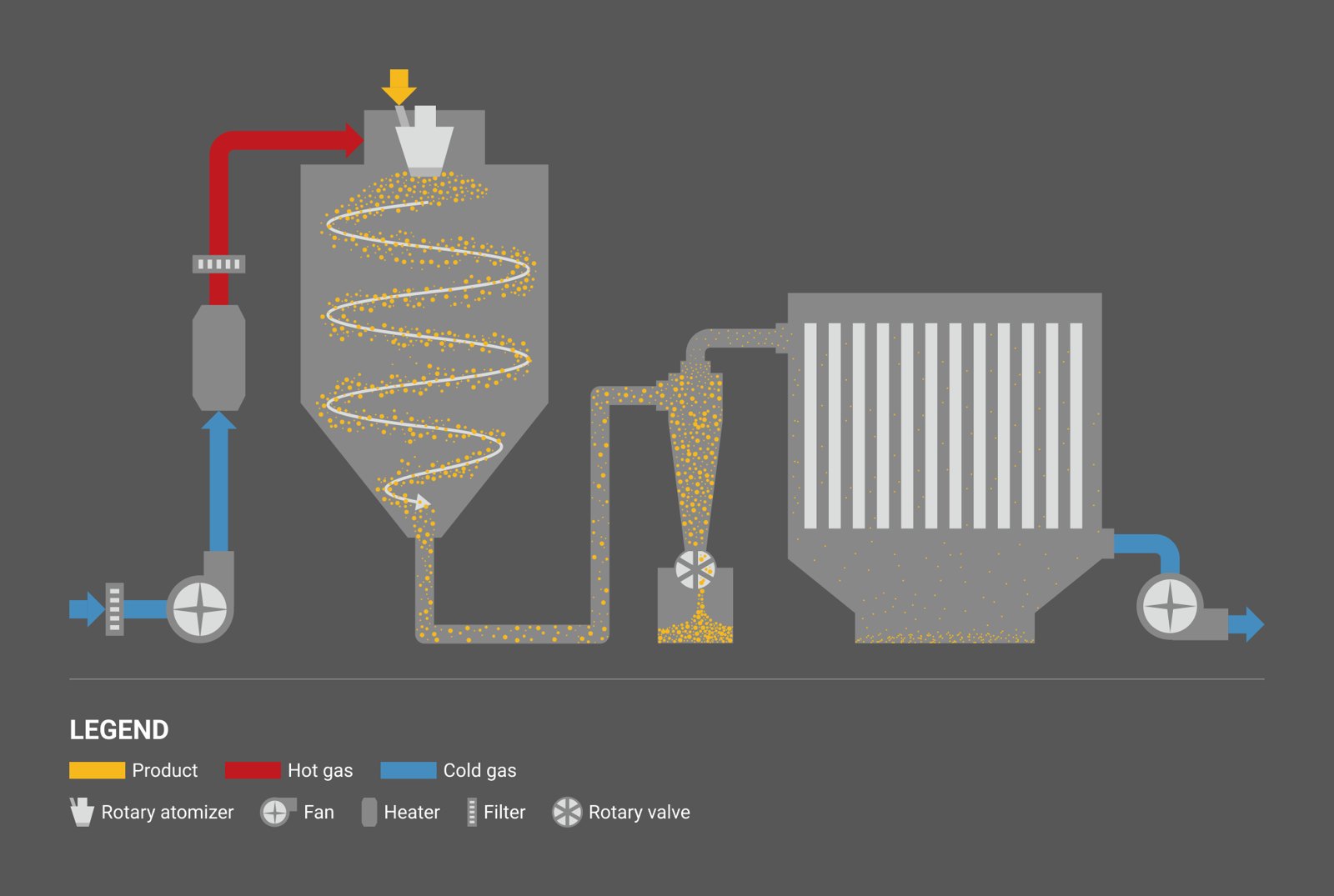
For water‑based liquids. Ambient air is filtered and heated, passes once through the chamber, and is discharged after powder recovery. Exhaust heat can be recirculated to reduce energy use.

PRECI spray dryer, open-cycle process flow

Closed‑cycle system

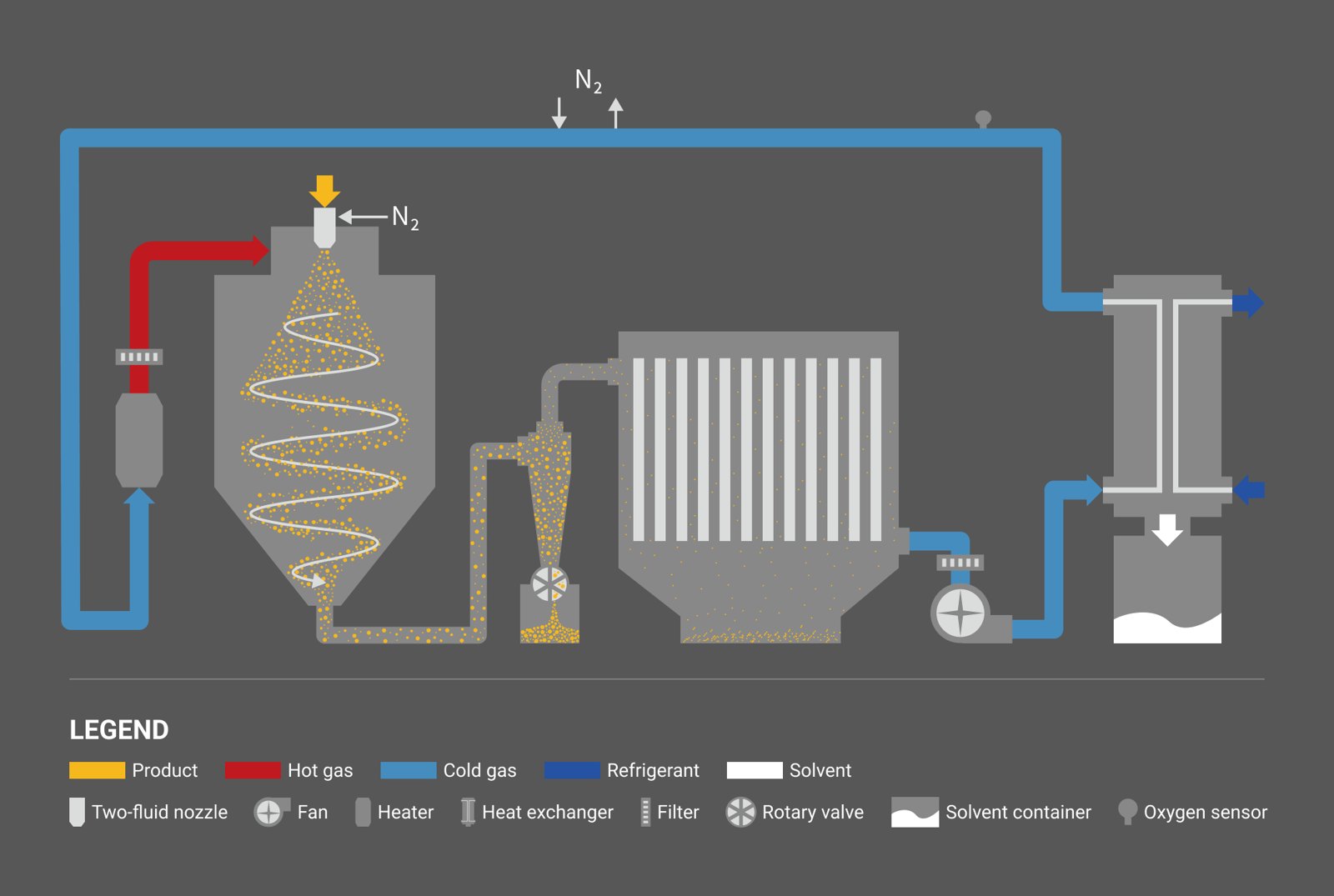
For organic solvents, flammable or oxidation‑sensitive materials. Nitrogen circulates in a closed loop; the evaporated solvent is condensed and recovered.

PRECI spray dryer, closed-cycle process flow with nitrogen and solvent recovery
01

Liquid atomization

The liquid is sprayed by a rotary atomizer or a nozzle into the drying chamber. The atomized droplets have a large specific surface area, and their size and shape set the particle, so the first step in designing a process is to choose the atomization system and operating conditions.Liquid atomization →

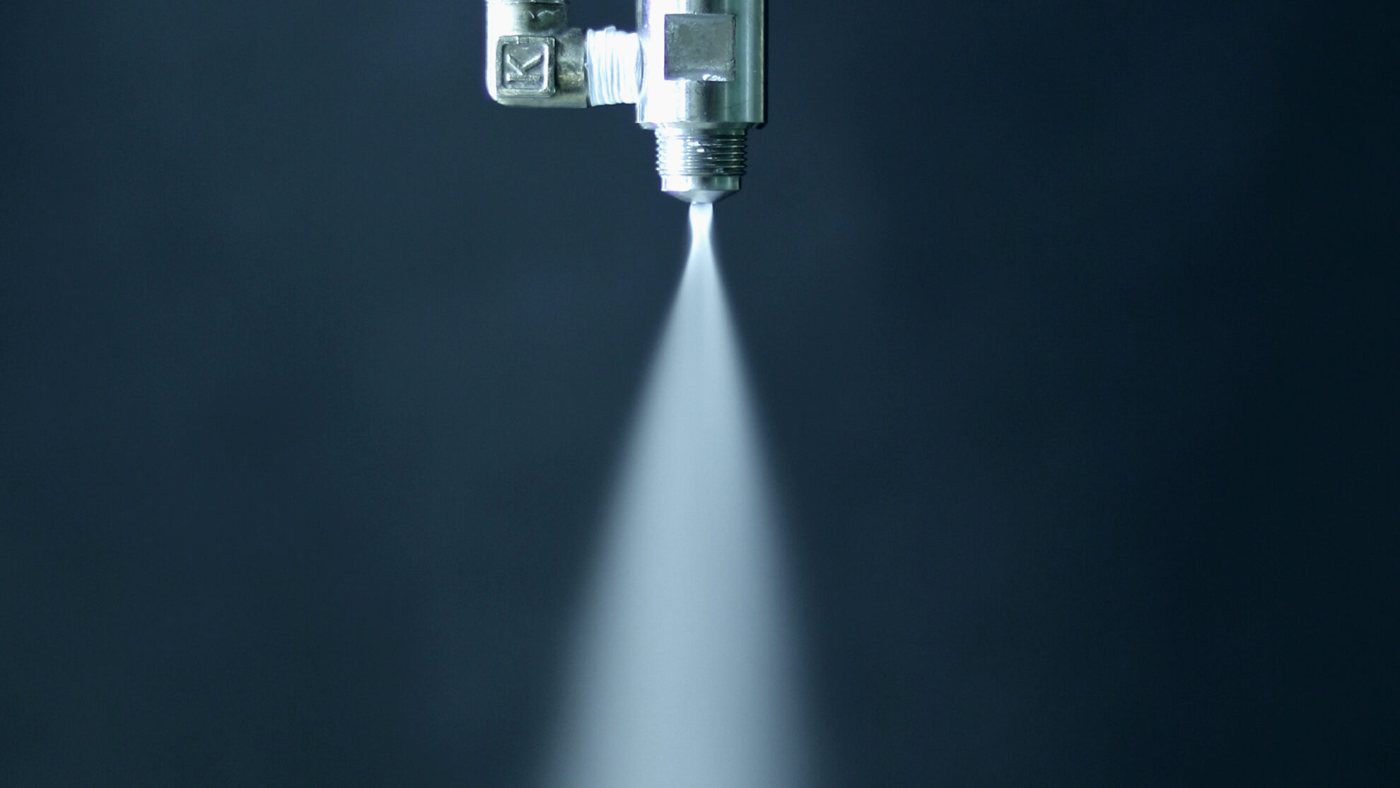
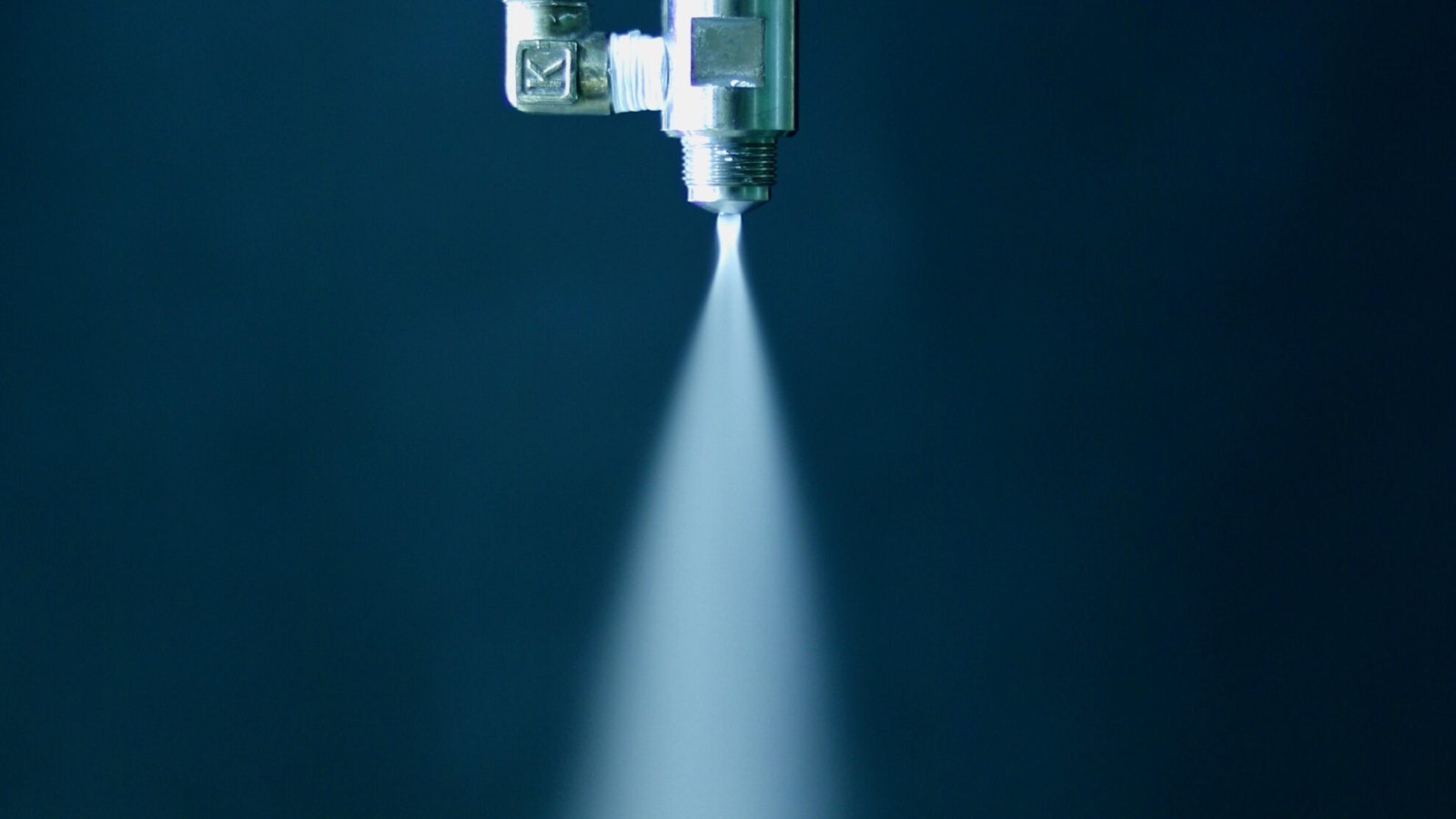
Spray from a two-fluid nozzle
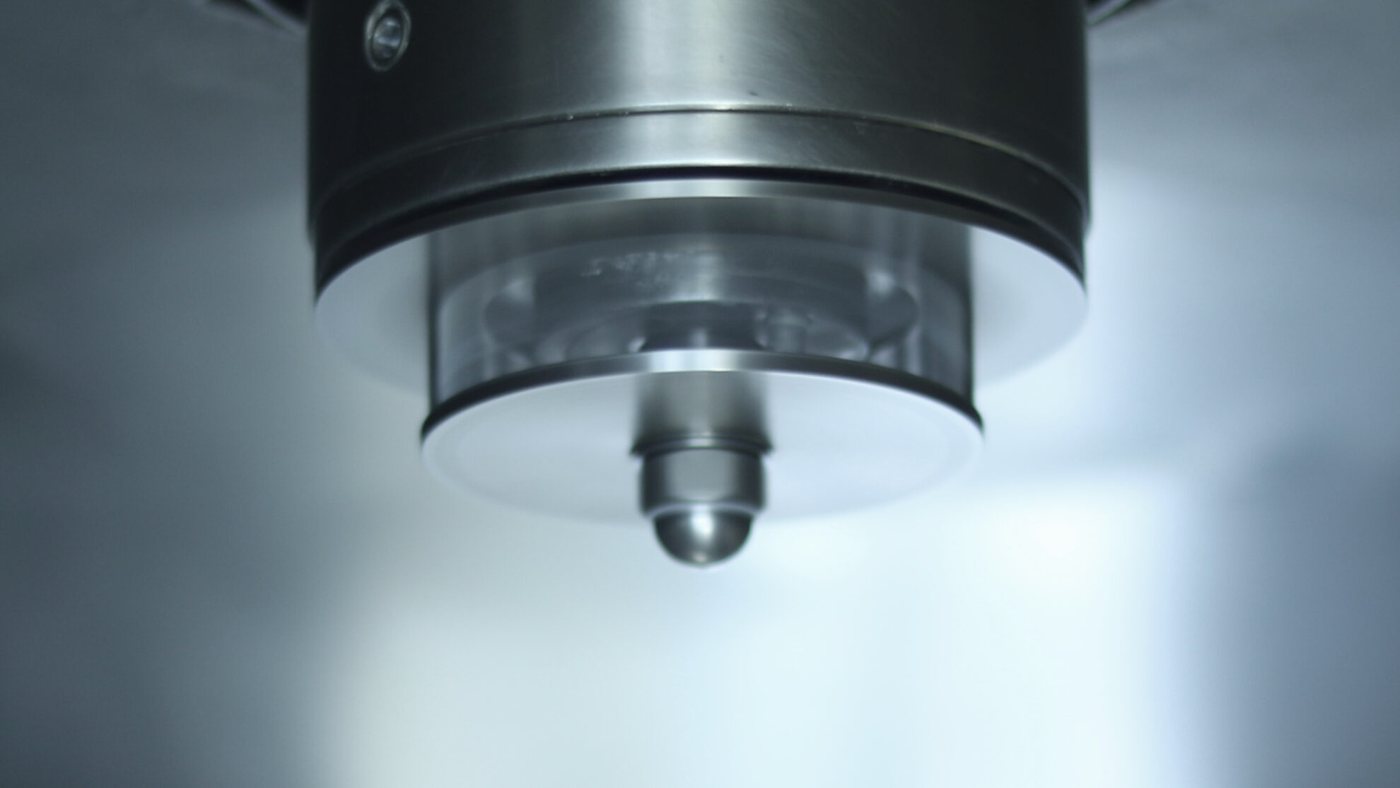
Rotary atomizer
Simulation of the gas and spray flow around an atomizer
02

Moisture evaporation of droplets

Droplets meet the hot process gas and dry while they move in the gas flow. While the surface is wet, evaporation keeps the droplet close to the wet‑bulb temperature, so the product stays well below the inlet gas temperature. Chamber volume, gas temperature and gas flow give the residence time to reach the target moisture.

Spray drying: from droplet to particleSolidsHeatWater vapour1 DropletLiquid feed: solids in water2 EvaporationHeat in, water vapour out3 Shell formsSolids build up at the surface4 Dry particleCollected as powderSpray dryingfrom droplet to particleSolidsHeatWater vapour1 DropletLiquid feed: solids in water2 EvaporationHeat in, water vapour out3 Shell formsSolids build up at the surface4 Dry particleCollected as powderSpray drying: from droplet to particleSolidsHeatWater vapourHot gasAtomizer1 DropletLiquid feed: solids in water2 EvaporationHeat in, water vapour out3 Shell formsSolids build up at the surface4 Dry particleCollected as powderSpray dryingfrom droplet to particleSolidsHeatWater vapourHot gas1 DropletLiquid feed: solids in water2 EvaporationHeat in, water vapour out3 Shell formsSolids build up at the surface4 Dry particleCollected as powder
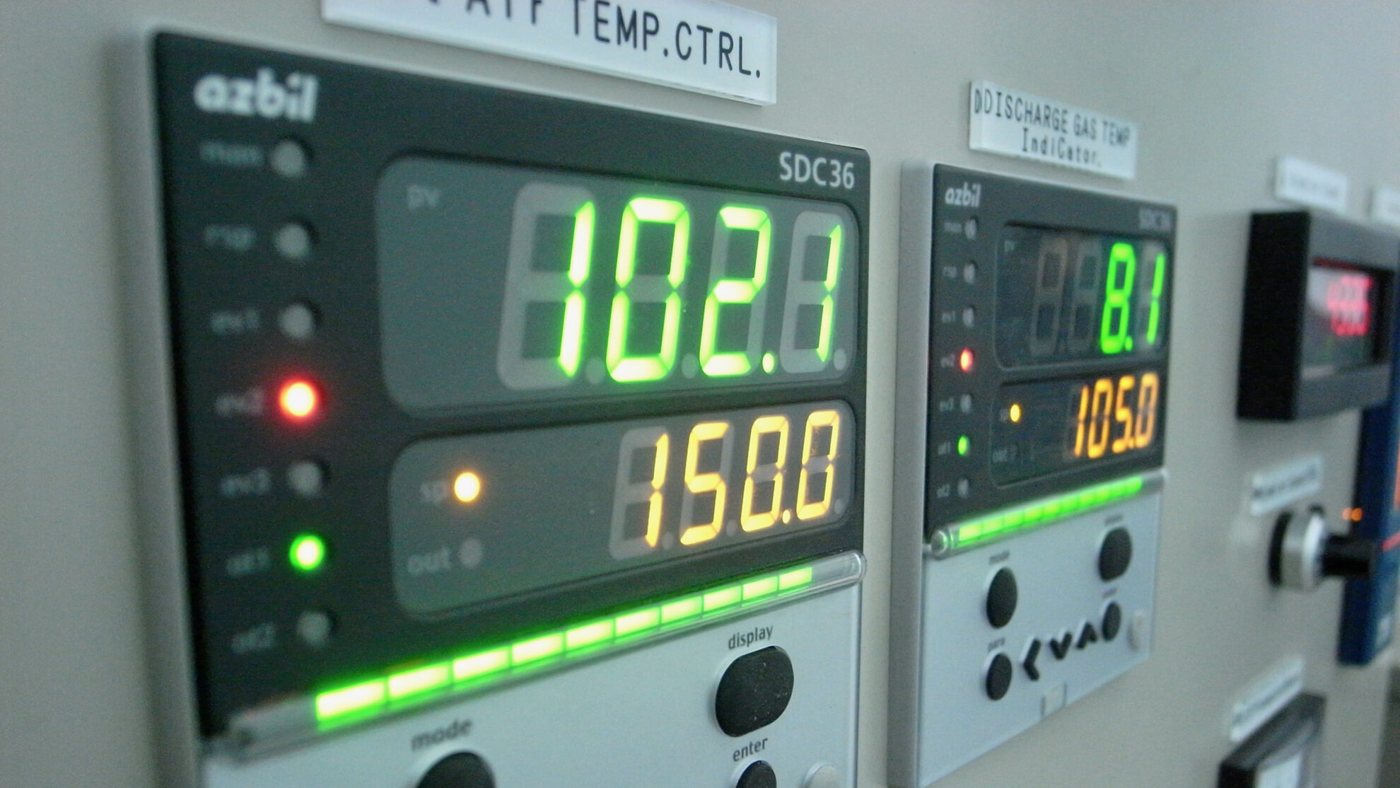
Temperature controllers for inlet and outlet gas
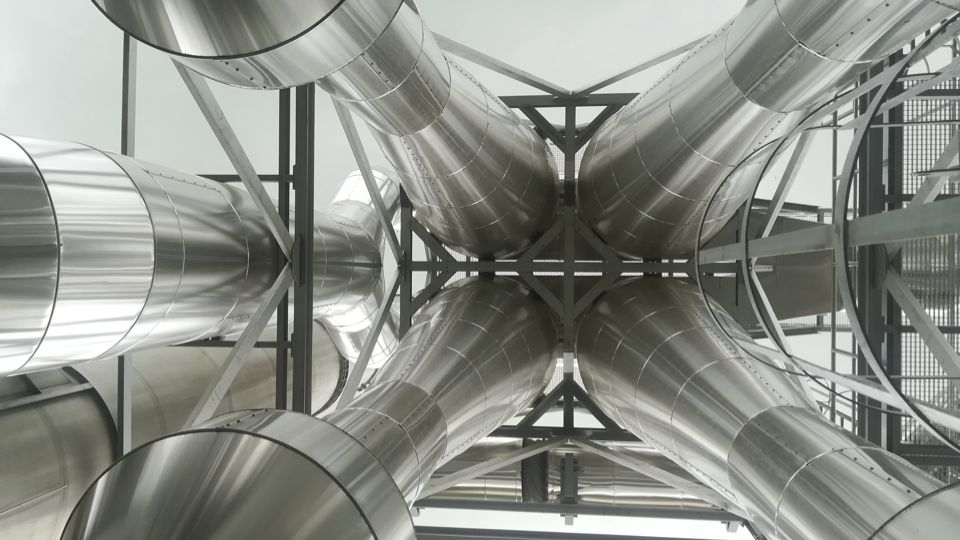
Heater and process gas ducting
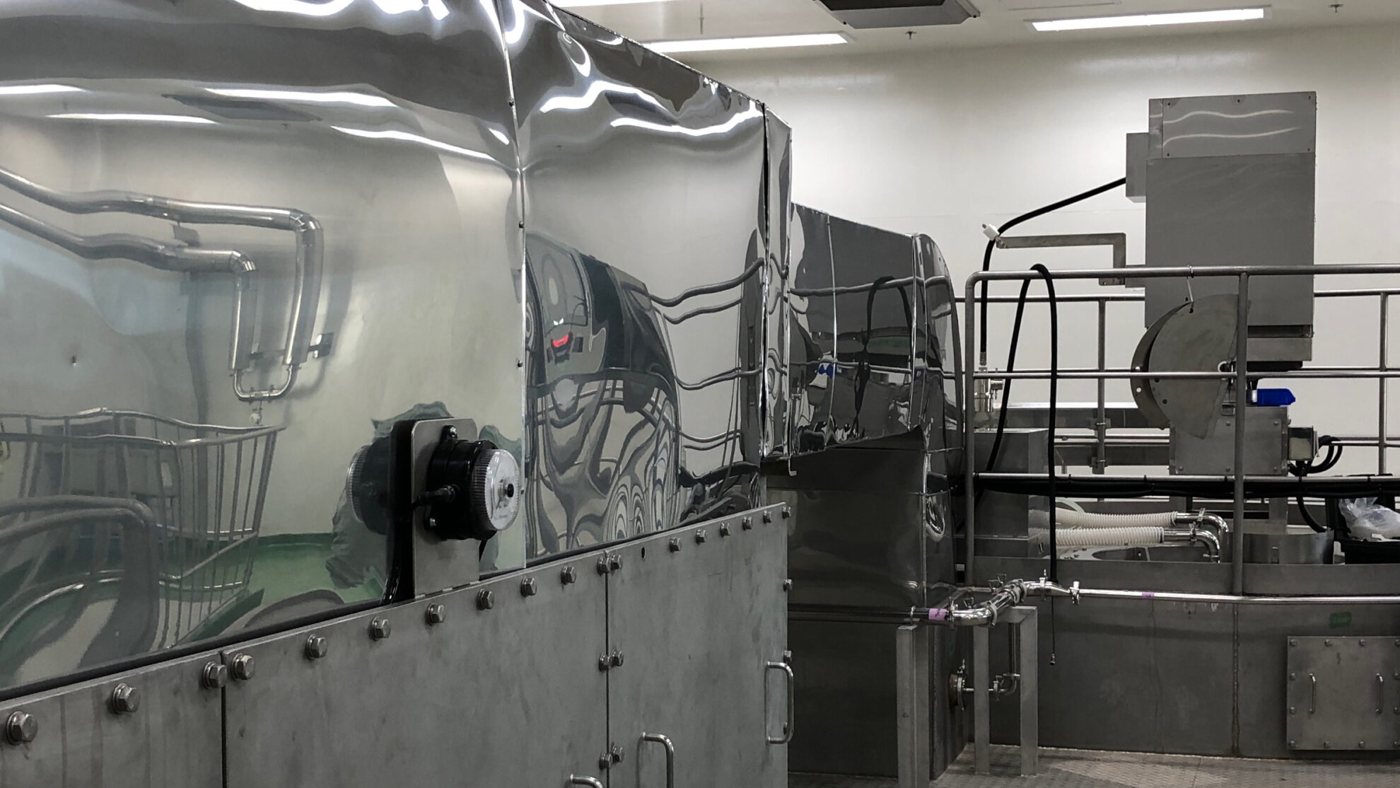
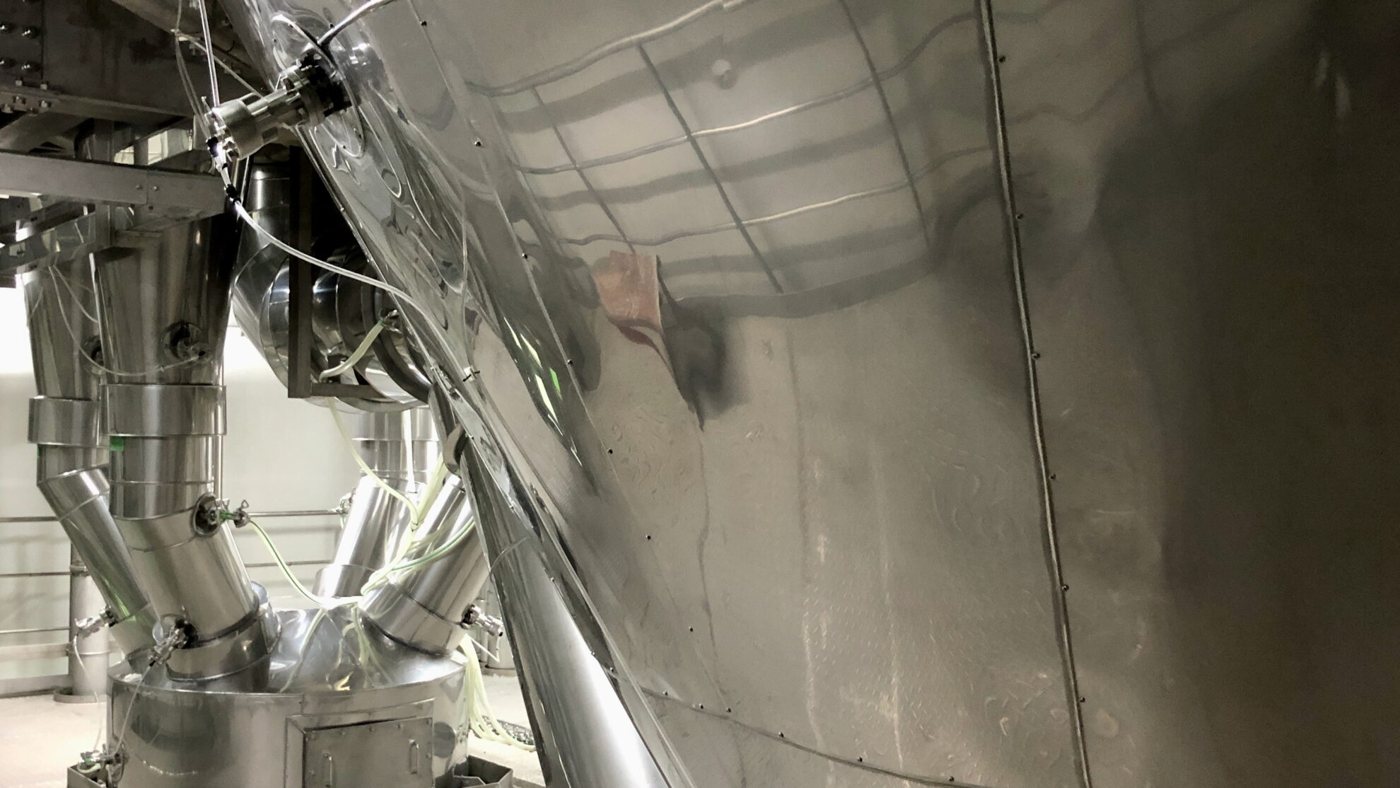
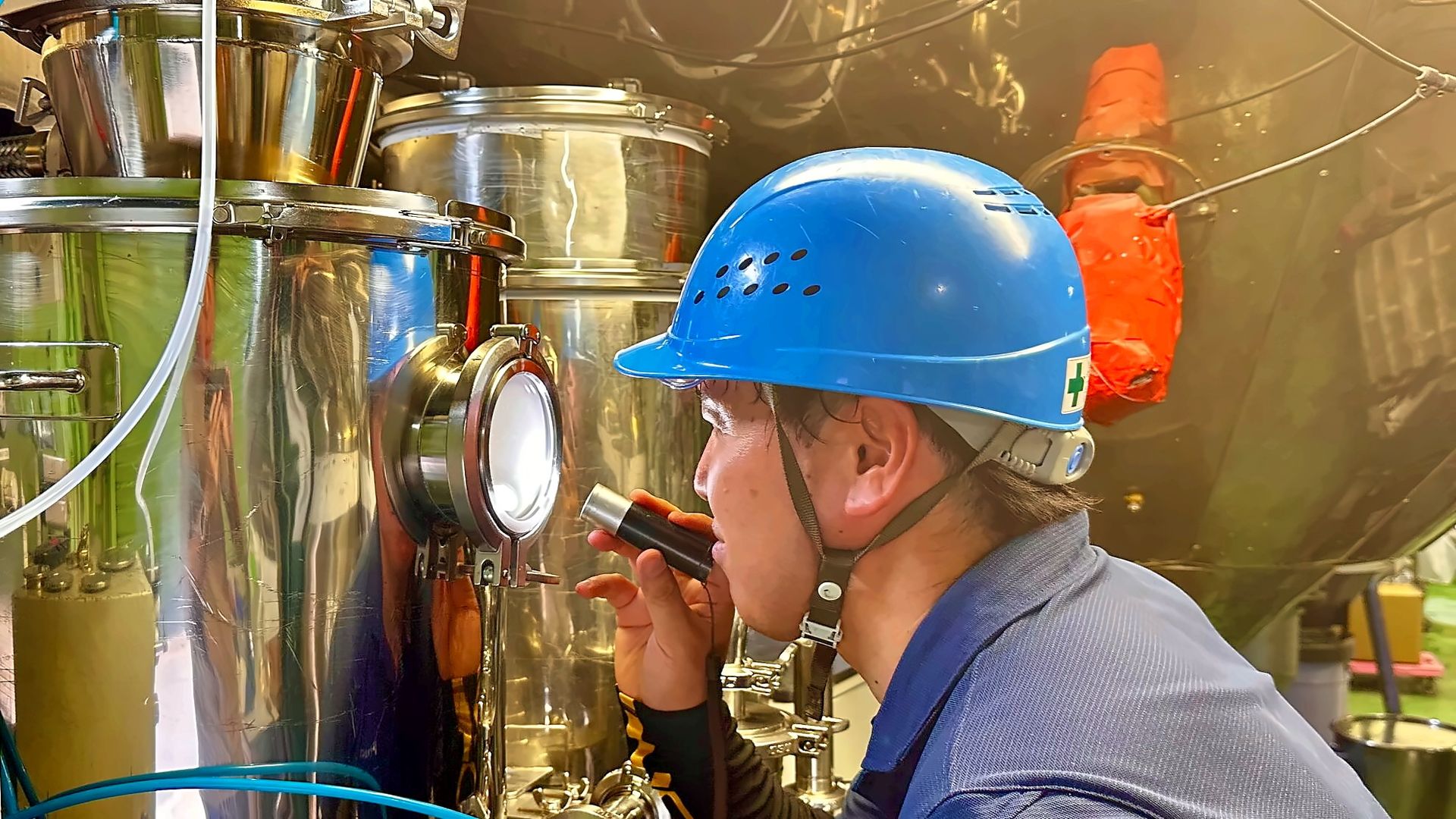
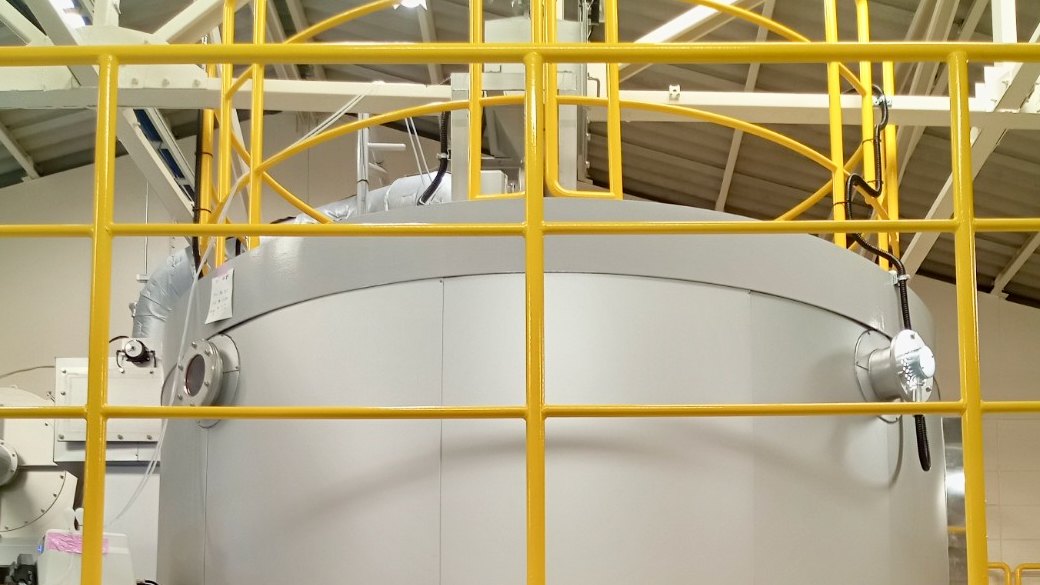
Drying chamber with insulation
03

Separation and recovery of dried powder

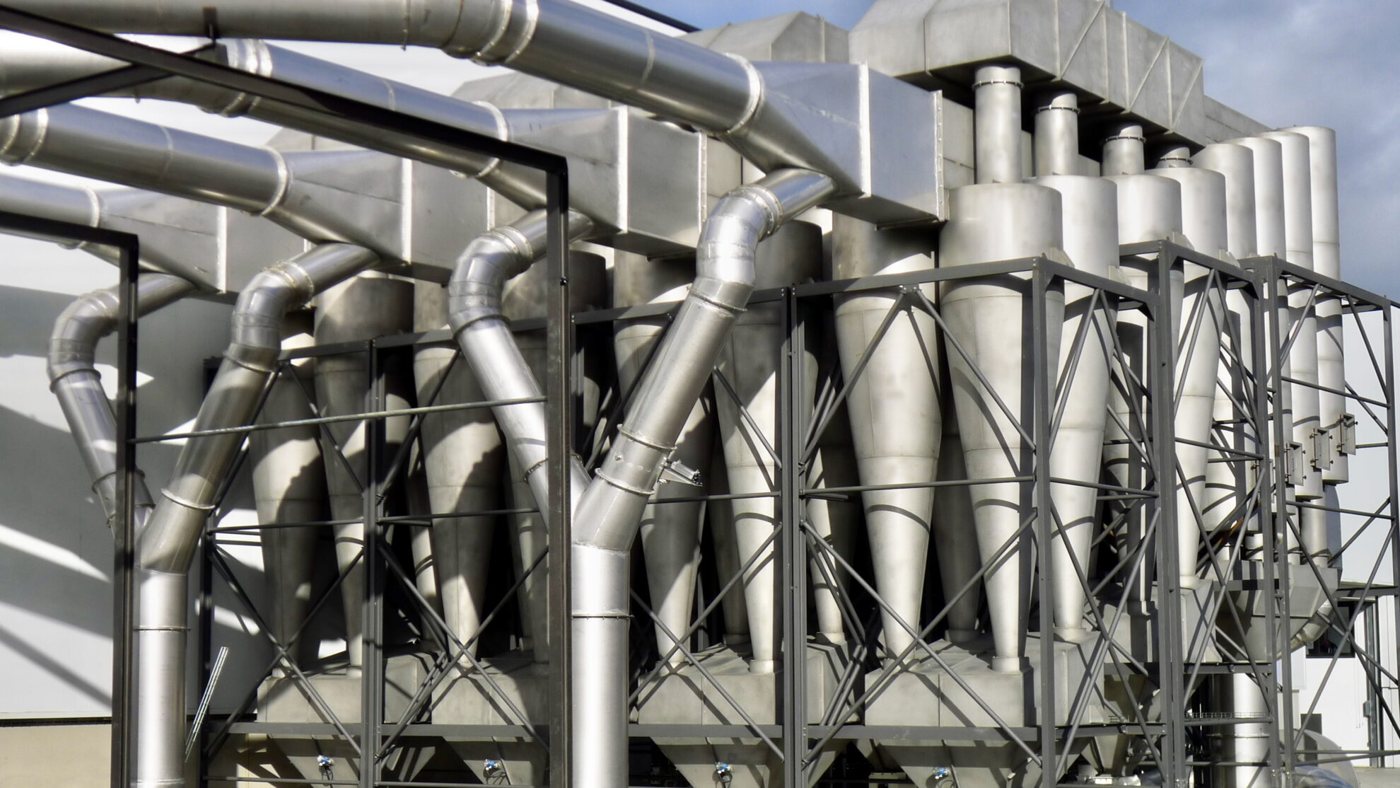
Dried powder is collected at the chamber bottom and in cyclones as product, and a final dust collector, mainly a bag filter or wet scrubber, keeps fines from leaving the process. High‑efficiency cyclones raise recovery and reduce the load on the filter.High‑efficiency cyclones →

Chamber cone and powder outlet
Cyclones in a powder plant
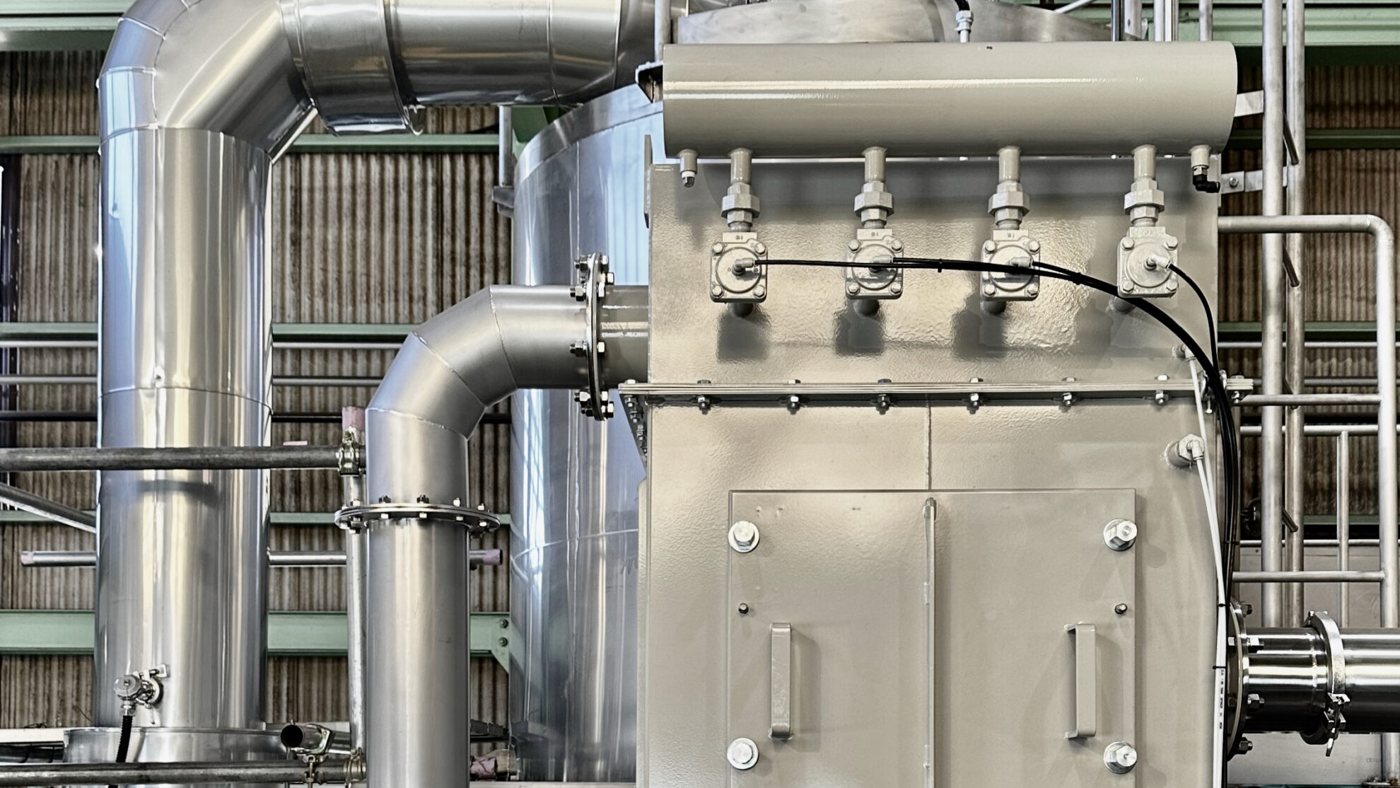
Bag filter unit

Images: PRECI
Questions and answers

Questions engineers ask about spray drying

When is spray drying the right process?

When the product starts as a liquid and must end as a free‑flowing powder with controlled particle size. For a melt such as wax, fat or PEG, spray cooling is used instead; where no heat is acceptable, freeze granulation.

How is particle size controlled?

Mainly by atomization: the speed of a rotary atomizer, or the pump or gas pressure of a nozzle, together with the solids content of the feed. PRECI's patented Auto‑PSD Control adjusts the atomizer to hold the target size in production.

Can heat‑sensitive products be spray dried?

Yes, in many cases. Droplets dry within seconds and stay near the wet‑bulb temperature while moisture evaporates, and dehumidified process gas allows lower drying temperatures.

What about products in organic solvents?

They are dried in a closed cycle with nitrogen as the process gas, and the solvent is condensed and recovered. The solvent type and quantity are checked against its safety data sheet (SDS) before a trial.

Equipment

PRECI spray dryers
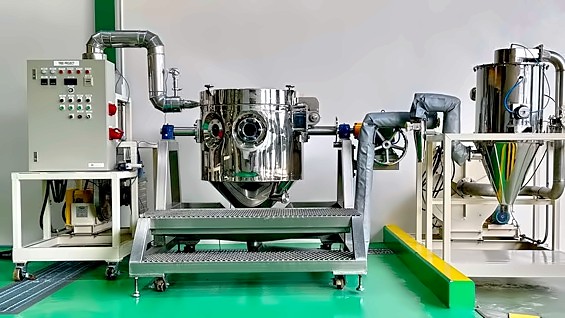
SPRAY BOY, R Series, TR Series, P Series and D Series, from laboratory unit to 18 t/h, with PRECI patented options and reference plants.
Spray dryers →

Process trials before you invest

Powder Technical Center, ASEAN

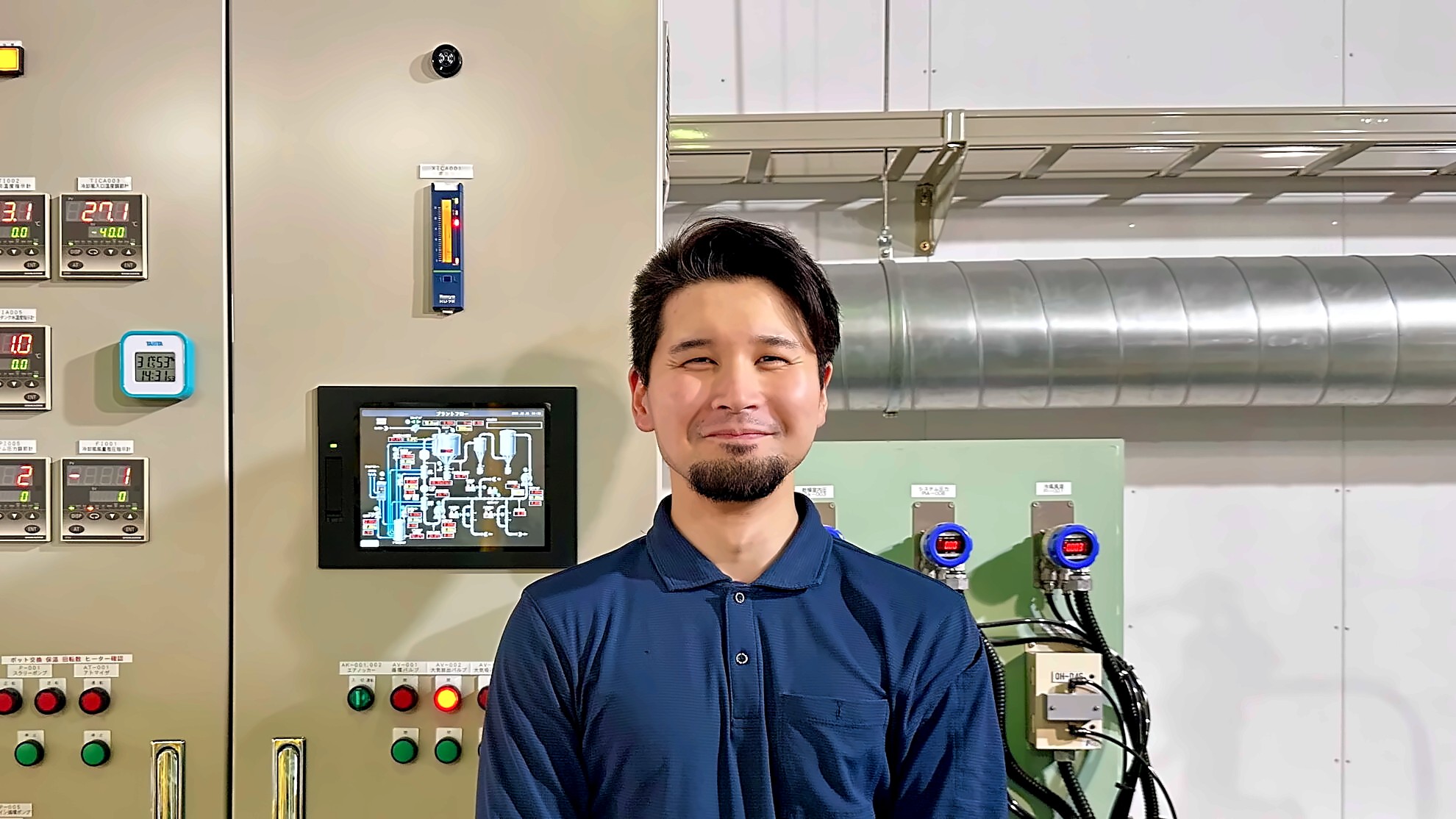
Process trials on PRECI equipment at PTC ASEAN in Chonburi determine the atomization system, process conditions and granule quality before plant design.
PTC ASEAN →

Spray drying applications

Trial and plant results from PTC ASEAN and PRECI.

View applications →
PRECI
PRECI Co., Ltd., Japan
Powder processing technology. TSK is PRECI's exclusive partner in Thailand.

PRECI official site ↗
Contact our engineers

+66 81 978 8389 · contact@tskengineering.co.th

Talk to an engineer