TSK Powder Technical Center

Home / Technology / PRECI / Spray cooling

PRECI, Japan

Spray cooling

Also known as spray congealing

A continuous congealing process that produces granules by atomizing a molten liquid into a cold gas stream and rapidly cooling and solidifying the droplets. Also called spray cooling granulation or spray cooling solidification.

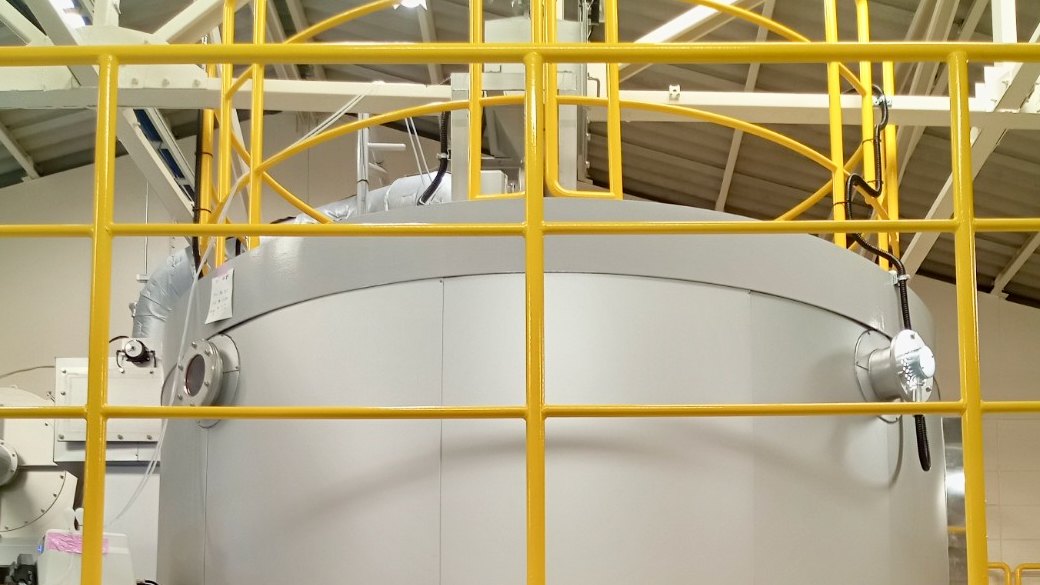
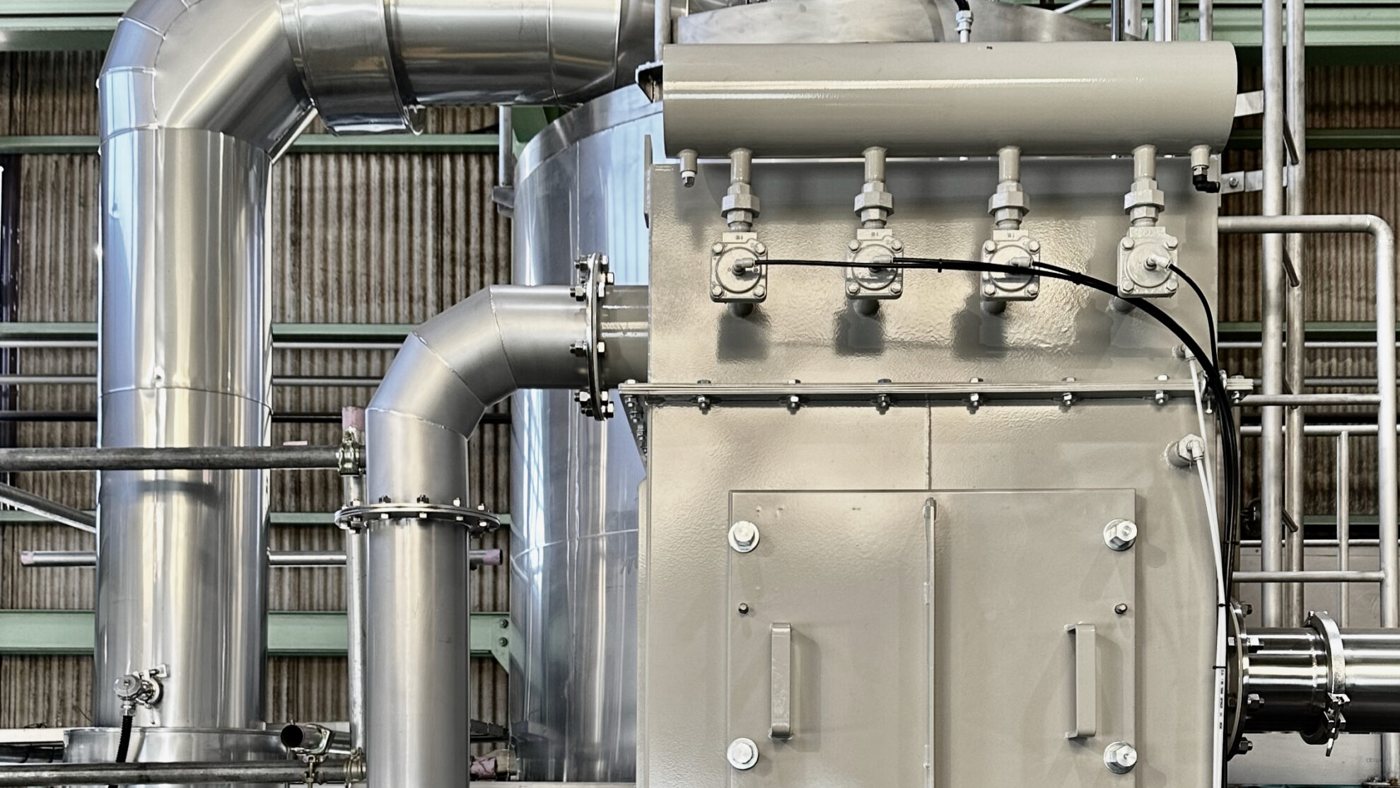
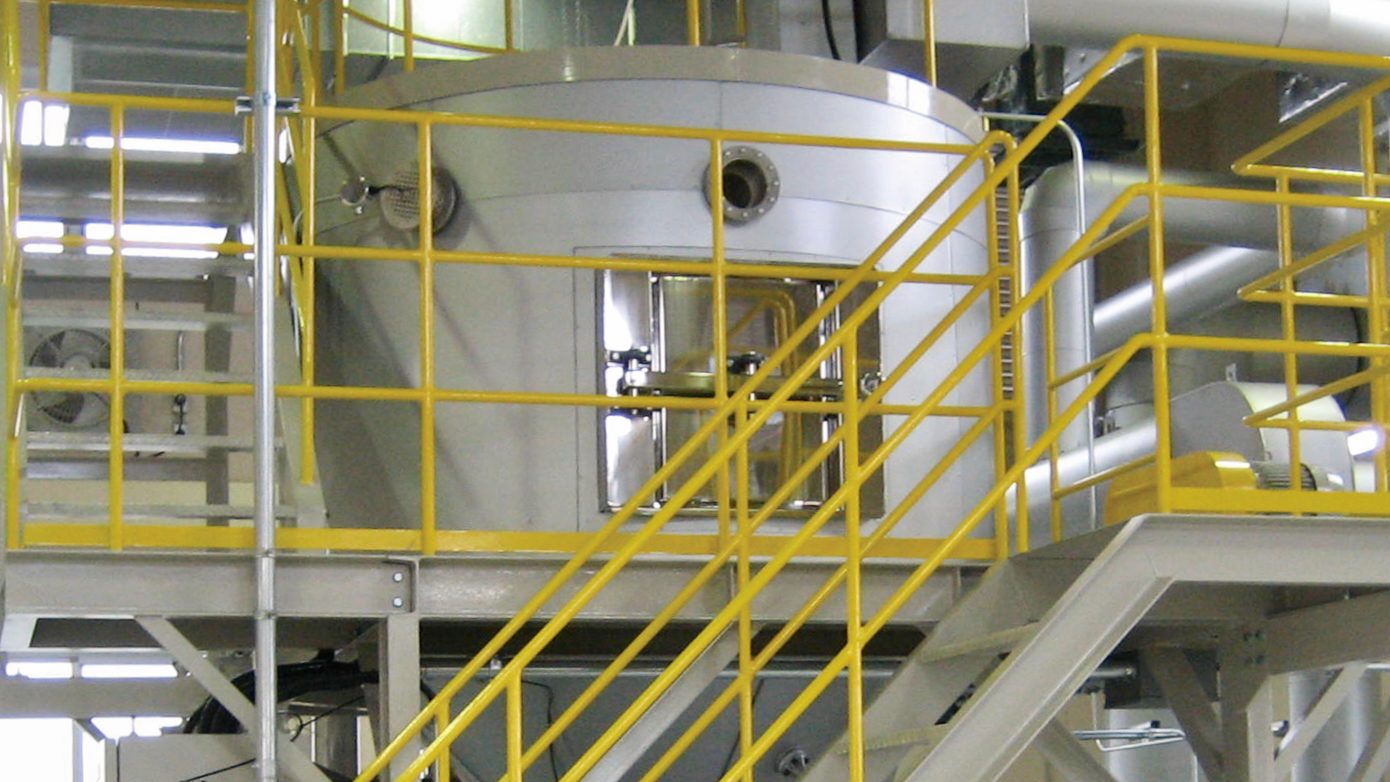
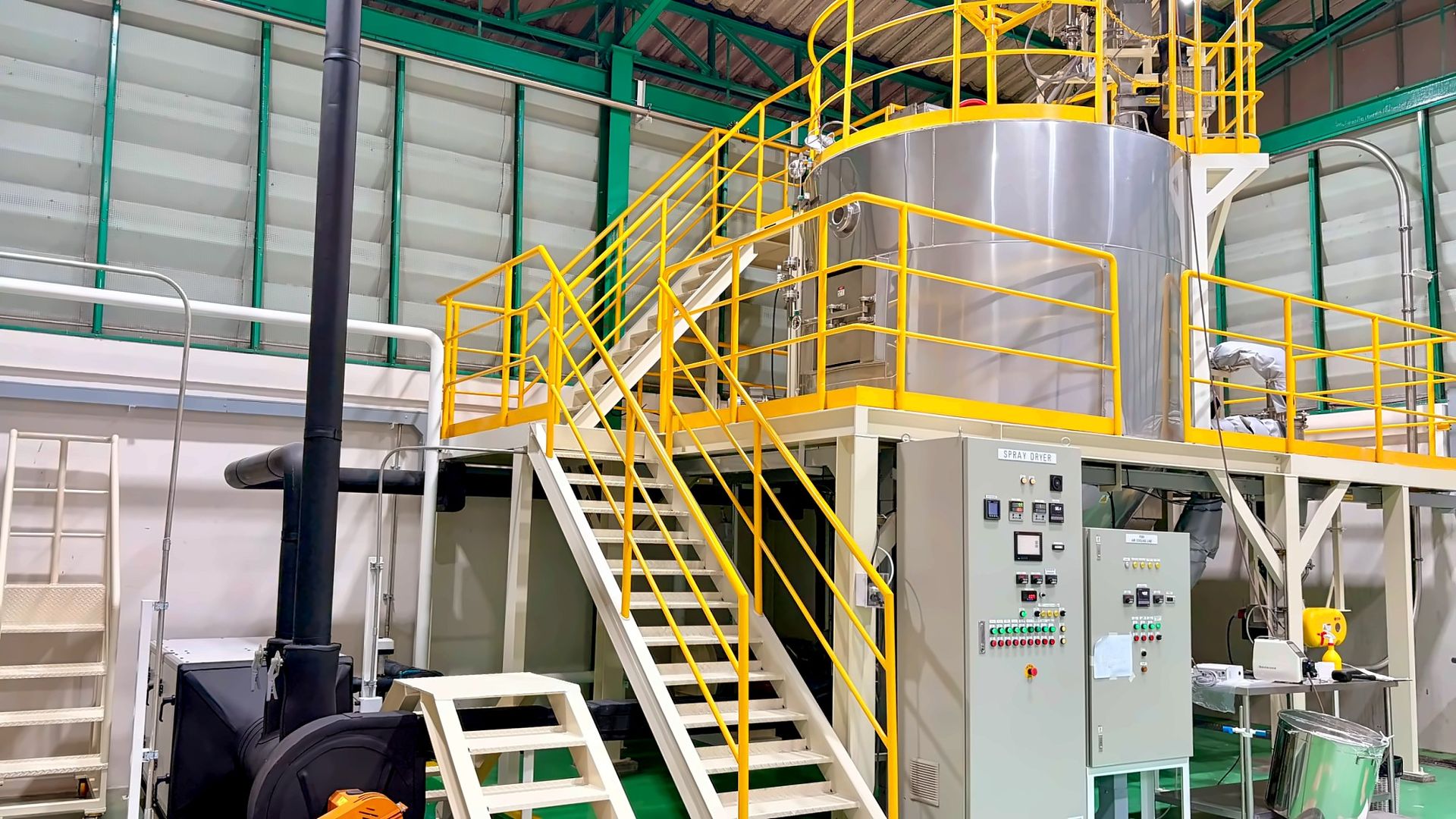
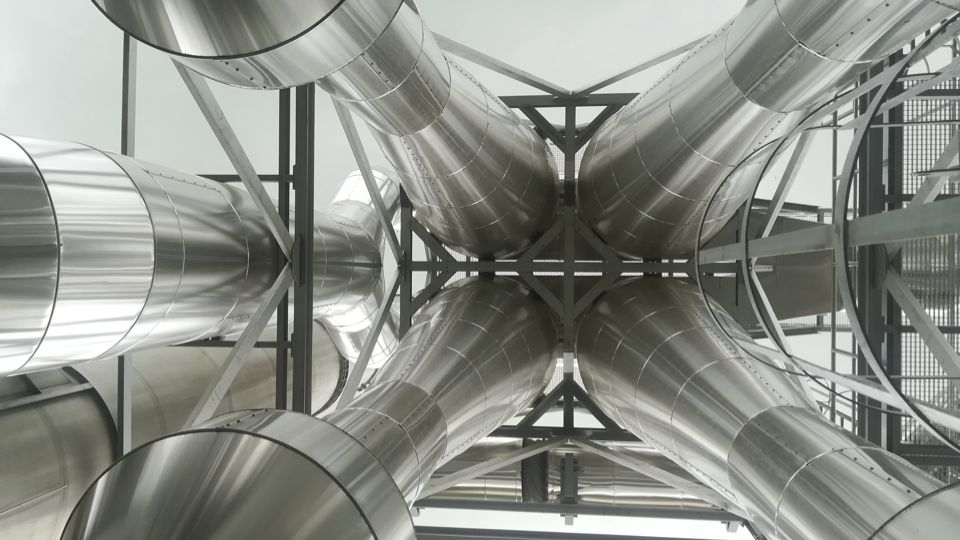
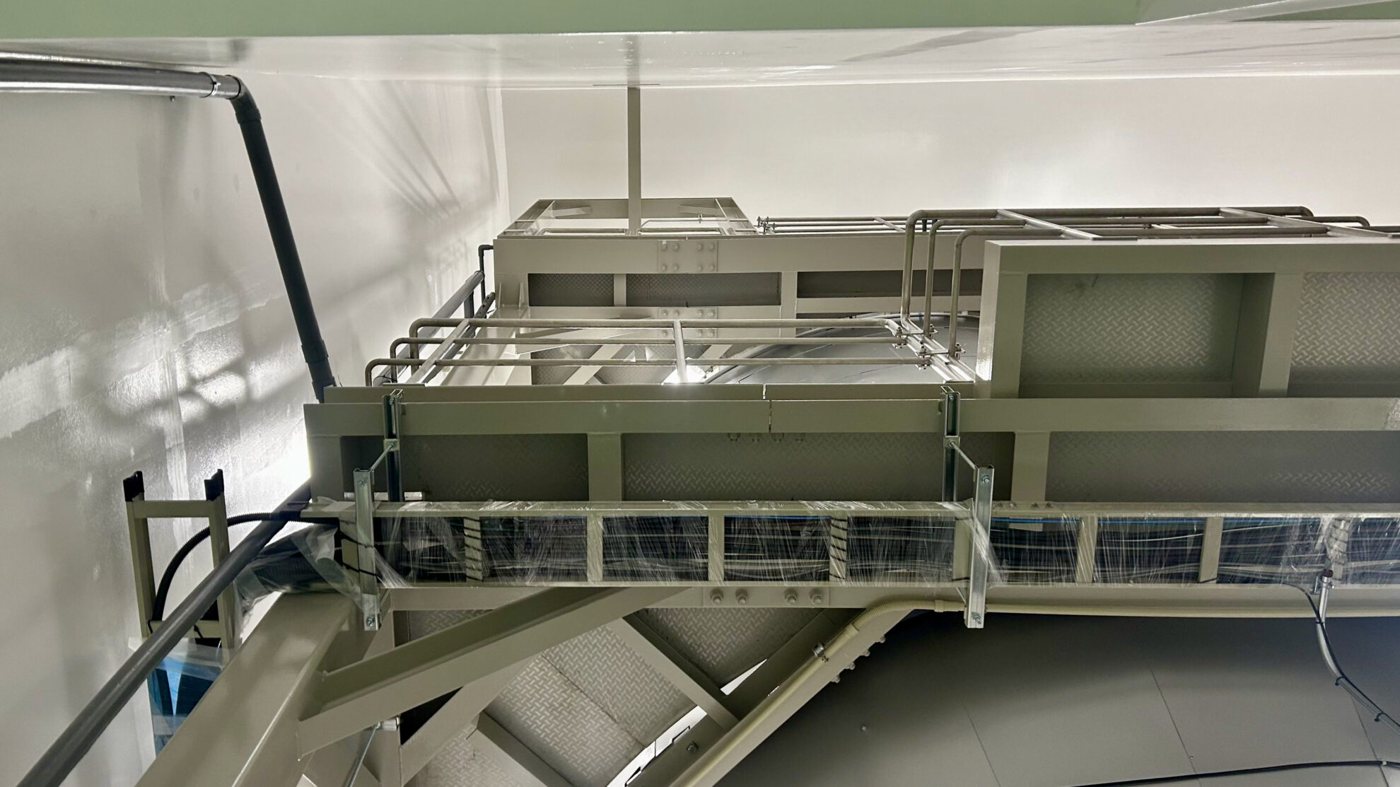
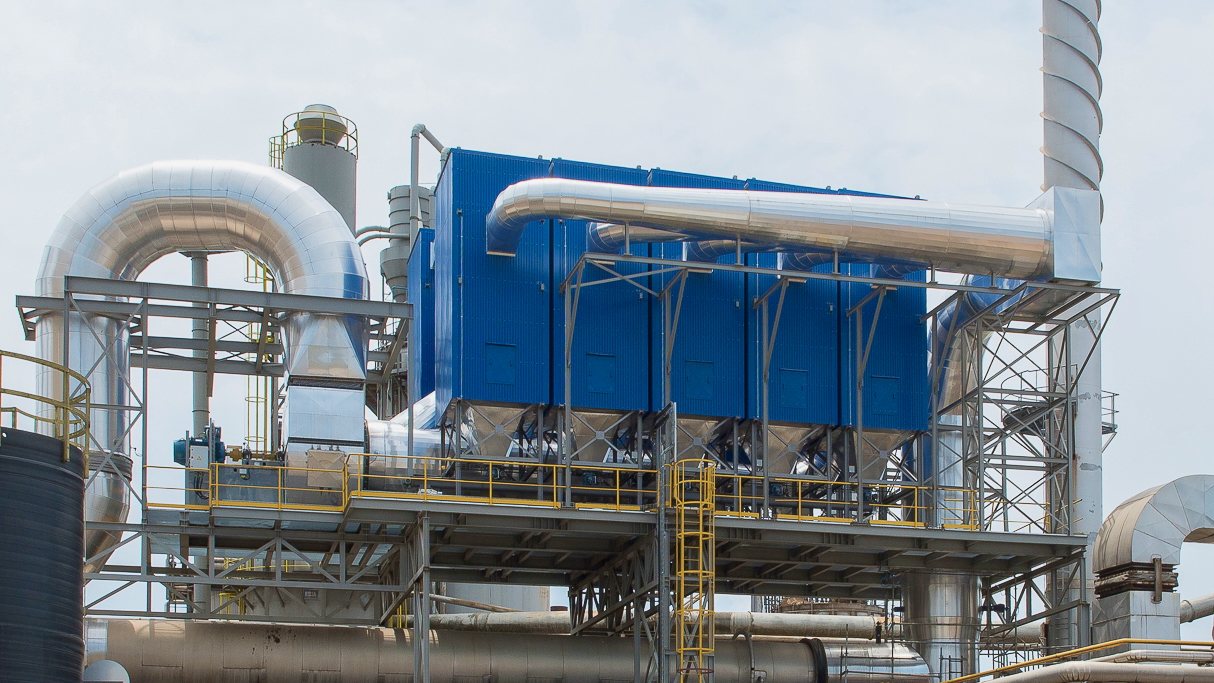
PRECI spray cooler chamber with access platform

Spray cooling

Granules directly from a melt

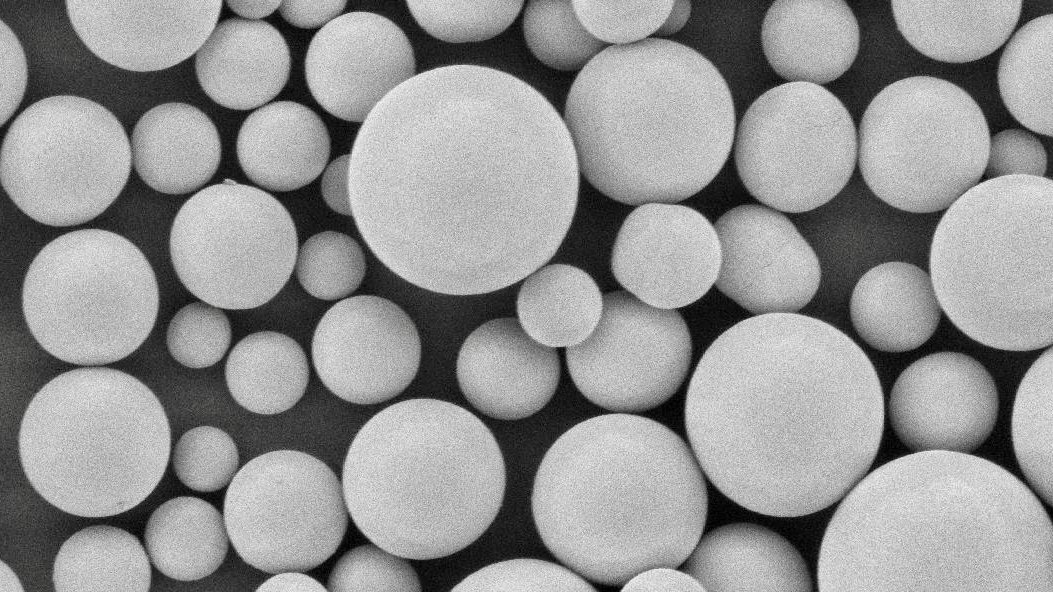
Spray cooling uses technology derived from spray drying. The molten liquid is atomized into a process where a continuous cold gas stream flows; the droplets have a large specific surface area and solidify in seconds into spherical granules with excellent fluidity and a sharp particle size distribution.

Unlike spray drying, there is no shrinkage from evaporation, so granules are larger, from a few micrometres to about 500 µm. Spray‑cooled powder is also called beads or prills. Using the melt as a membrane material with a core material mixed in gives microencapsulation. The cooling gas is mainly atmospheric air; a closed cycle with nitrogen is used for flammable or oxidation‑sensitive melts.

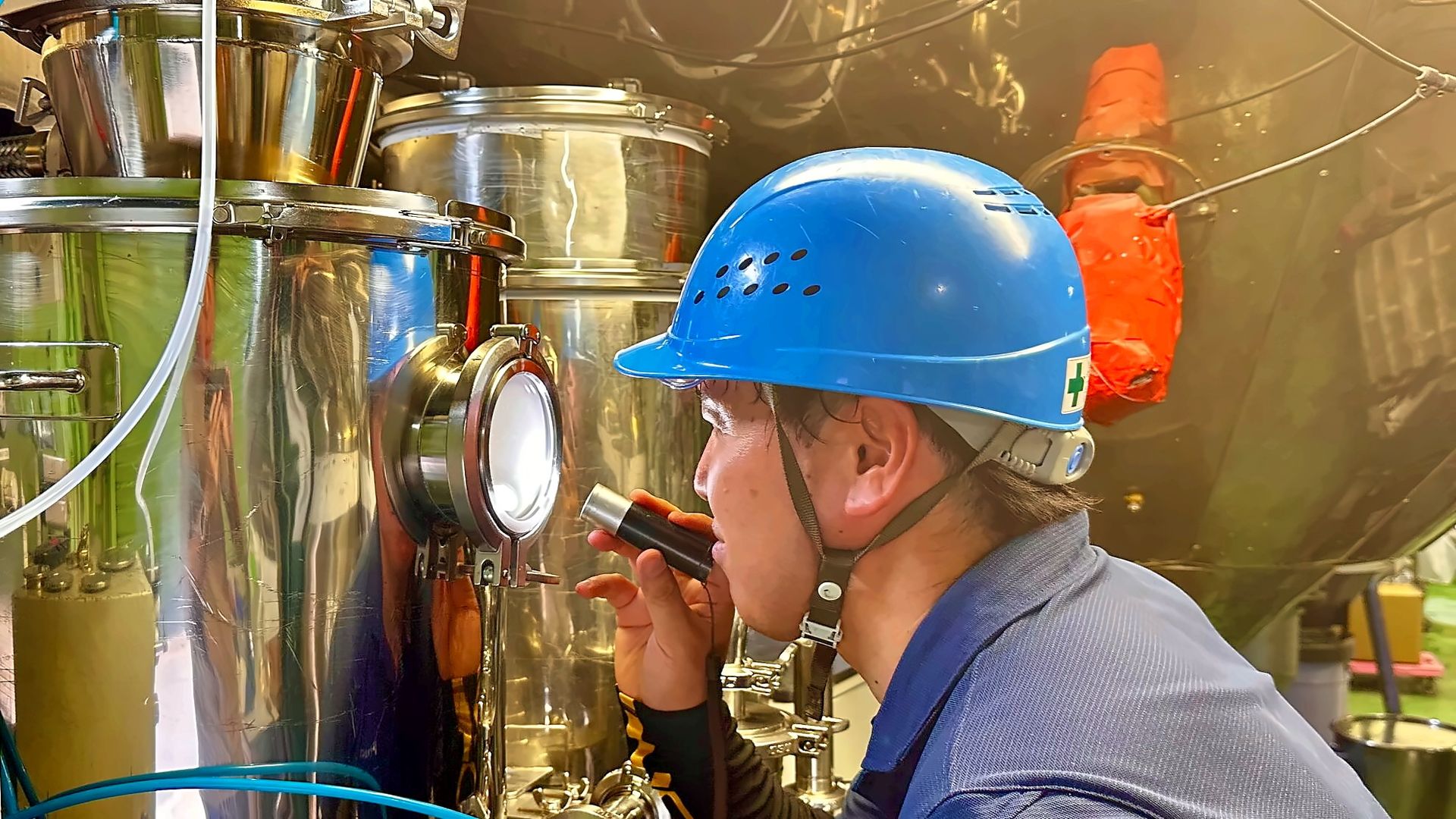
Spray cooling process area
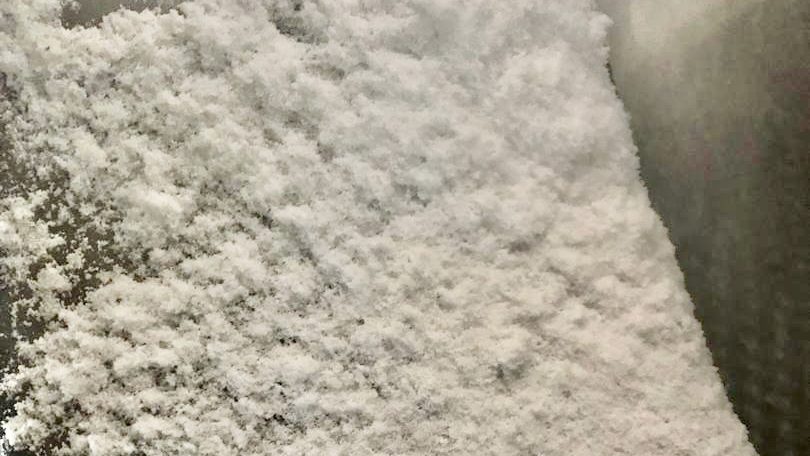
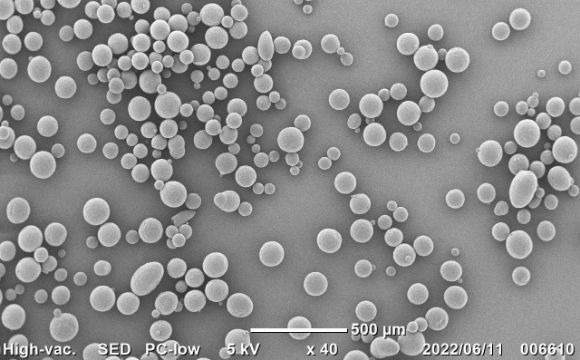
Spray-cooled granules

Images: PRECI

Characteristics

Characteristics of spray cooling

  • Production process can be simplified because powder is obtained directly from liquid
  • Spray‑cooled granules are spherical, with excellent fluidity and a sharp particle size distribution
  • Precise particle control with a variety of atomization systems
  • Continuous process: easy to scale up and suitable for mass production
  • High‑level microencapsulation is achievable
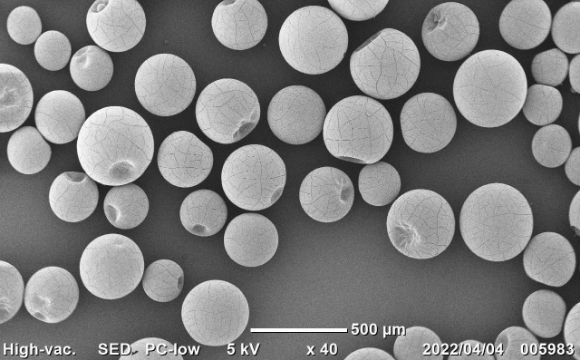
Spray-cooled fatty acid granules under the scanning electron microscope
Fatty acid, SEM
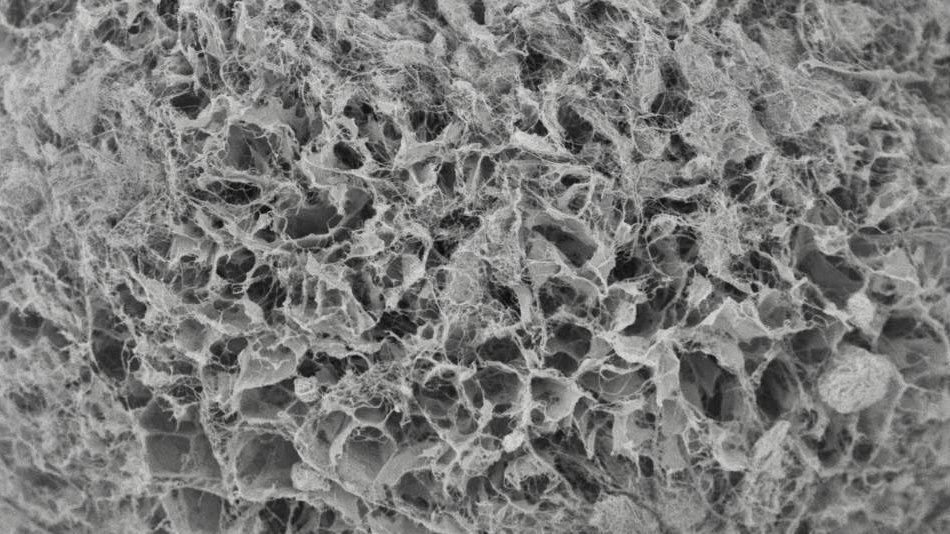
Spray-cooled paraffin granules under the scanning electron microscope
Paraffin, SEM

Images: PRECI

Applications

Materials that melt cleanly

Spray cooling suits materials that are stable in the molten state and solidify on cooling.

Waxes and paraffins

Paraffins, waxes, palm oil emulsifying wax

Fatty acids and derivatives

Stearic, palmitic, lauric and myristic acid, fatty acid amides, sebacic acid, higher alcohols

Lipids and glycerides

Mono-, di- and triglycerides, phospholipids, fish oil, omega‑3 and omega‑6 fatty acids, sodium stearoyl lactylate

Polymers and resins

Polyethylene glycol (PEG), poloxamers, polyoxylglycerides, petroleum and phenolic resins, elastomers, latex

Chemicals

Phthalic and maleic anhydride, dimethyl terephthalate, urea, PVC stabilizers, inorganic and organic melts

Actives and encapsulation

Carotenoids, essential oils, terpenes, steroids, microcapsules

Process overview

Continuous process that turns melt into granules

Liquid atomization, solidification of droplets, and separation and recovery of solidified powder.

01

Liquid atomization

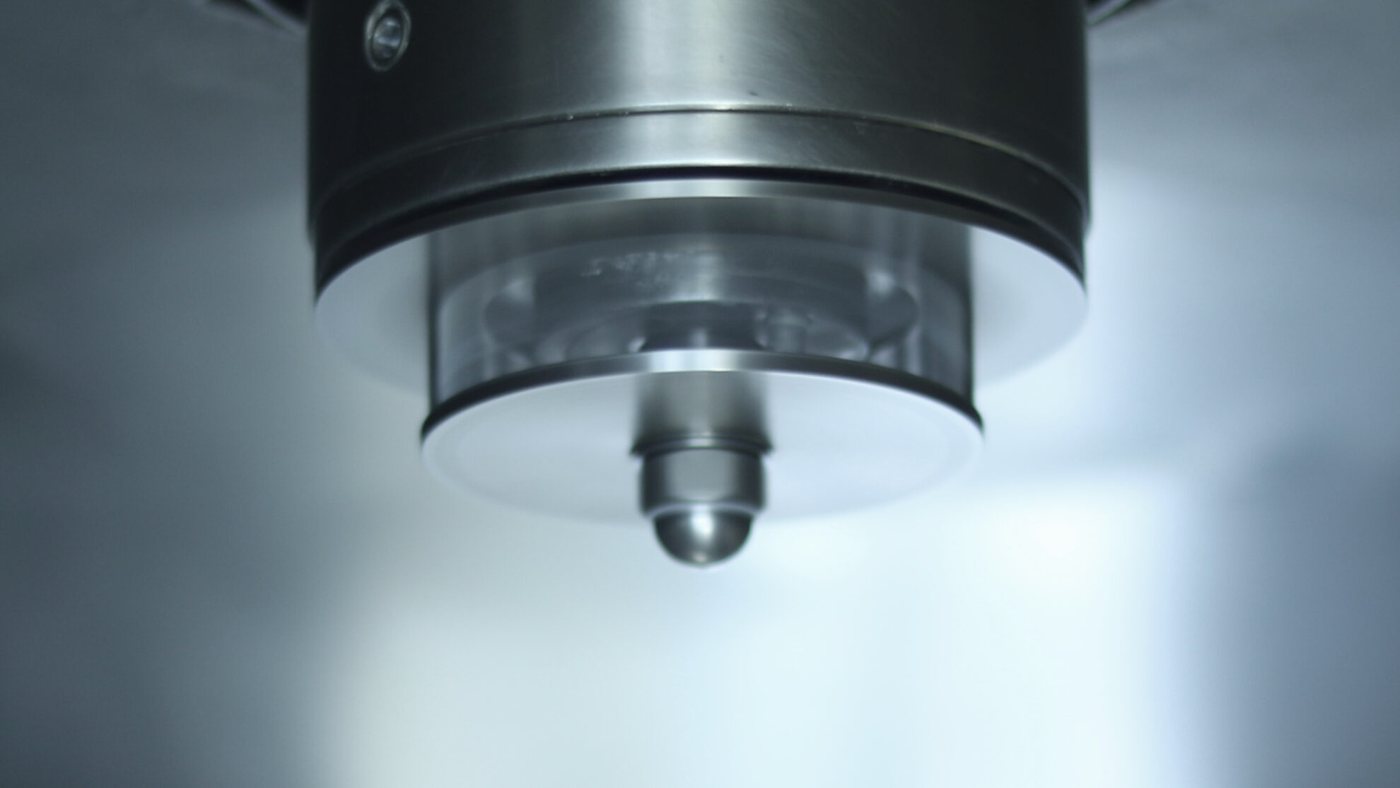
The melt is held above its melting point up to the atomizer and sprayed into the cold gas. Droplets solidify in a few seconds to several tens of seconds, and their size and shape set the granule, so the atomization system and conditions are chosen first.Liquid atomization →
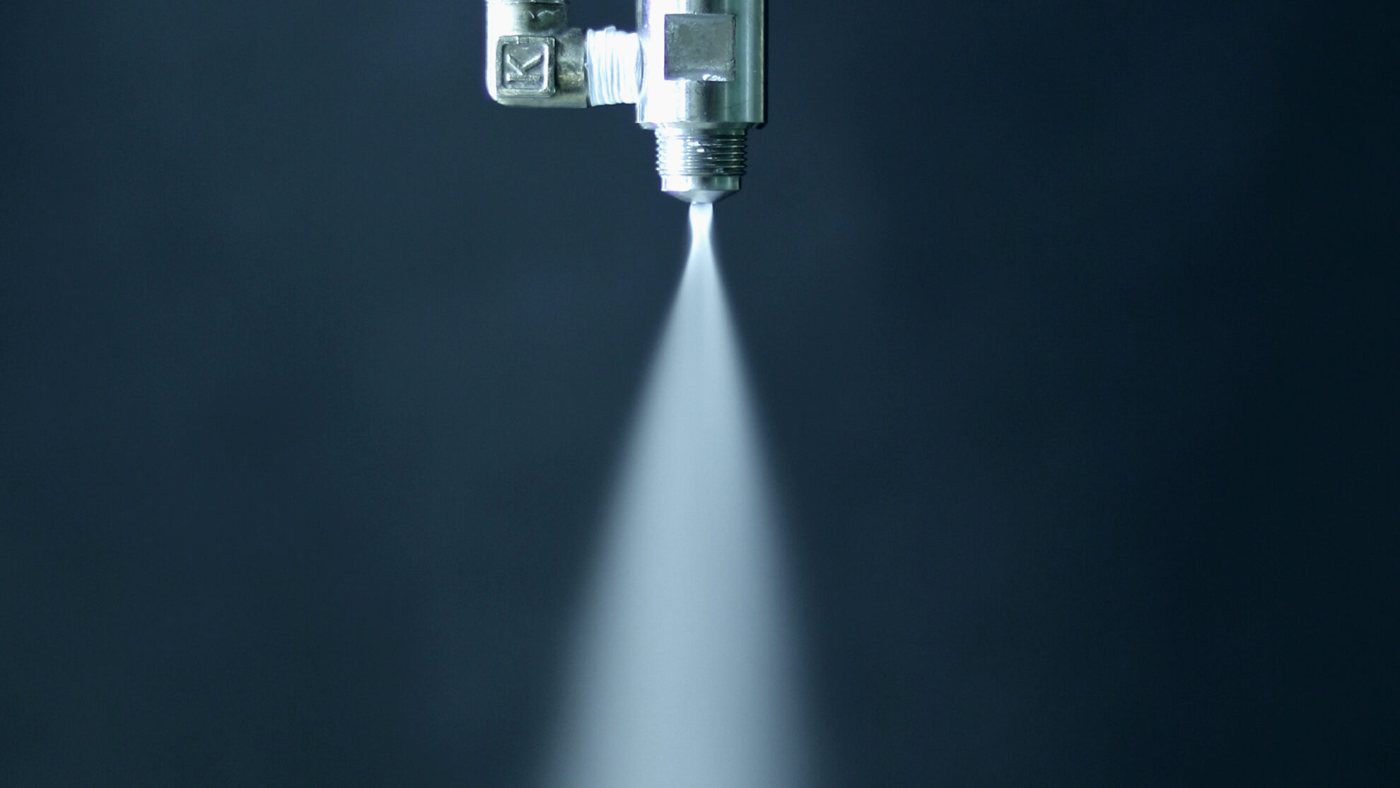
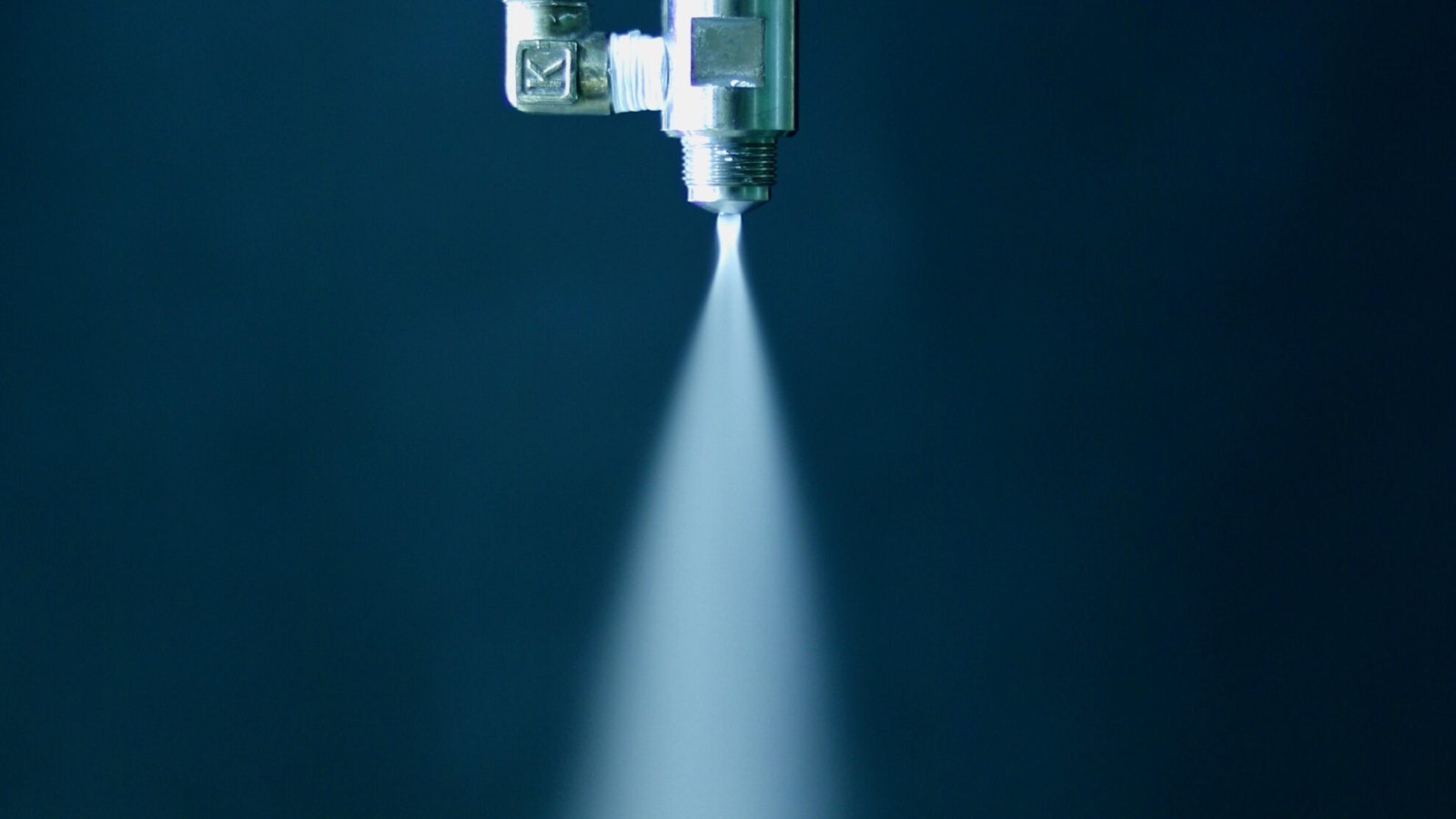
Spray from a two-fluid nozzle
Rotary atomizer
Simulation of the gas and spray flow around an atomizer
02

Solidification of droplets

Each droplet is pre‑cooled, passes through supercooling, releases its latent heat as it solidifies, then cools as a solid. The heat and time for each period are calculated from the material properties and the gas temperature and flow, which sets the chamber volume and gas volume.
Spray cooling: from molten droplet to granuleActive ingredientsHeat1 Molten dropletMelt with active ingredients2 CoolingHeat flows out3 SolidifyingSolid from the surface inward4 Encapsulated granuleActive ingredients locked insideSpray coolingfrom molten droplet to granuleActive ingredientsHeat1 Molten dropletMelt with active ingredients2 CoolingHeat flows out3 SolidifyingSolid from the surface inward4 Encapsulated granuleActive ingredients locked insideSpray cooling: from molten droplet to granuleActive ingredientsHeatCold gasAtomizer1 Molten dropletMelt with active ingredients2 CoolingHeat flows out3 SolidifyingSolid from the surface inward4 Encapsulated granuleActive ingredients locked insideSpray coolingfrom molten droplet to granuleActive ingredientsHeatCold gas1 Molten dropletMelt with active ingredients2 CoolingHeat flows out3 SolidifyingSolid from the surface inward4 Encapsulated granuleActive ingredients locked inside
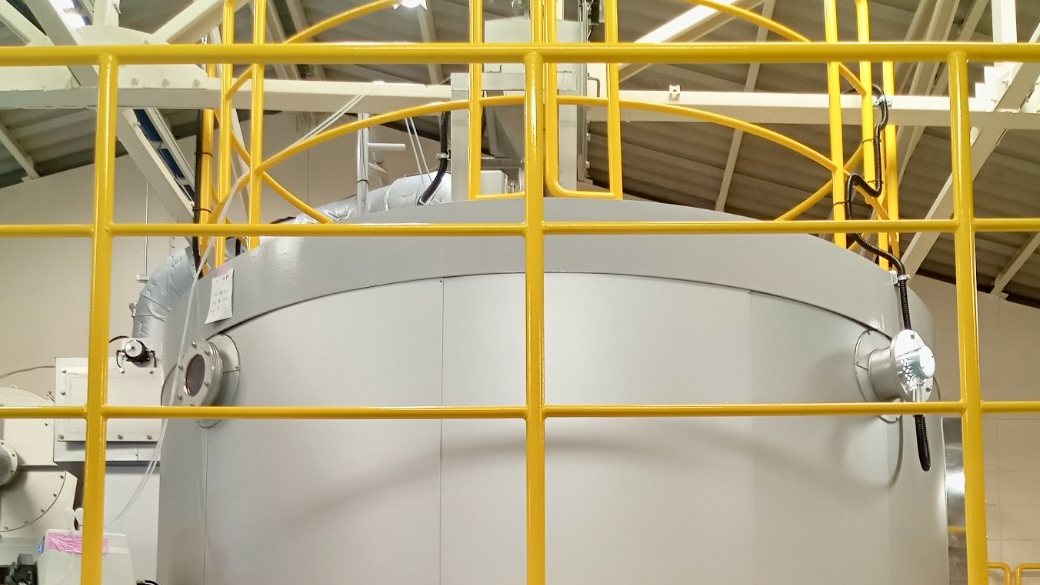
Spray cooling chamber
Cooling chamber with access platform
03

Separation and recovery of solidified powder

Granules must solidify before they reach the chamber wall. They are collected at the chamber bottom, often onto a cooled vibrating sieve or fluid bed, or by cyclone and pneumatic conveying with cooling; a bag filter removes the fines. Multi‑product plants are cleaned between products to prevent cross‑contamination.
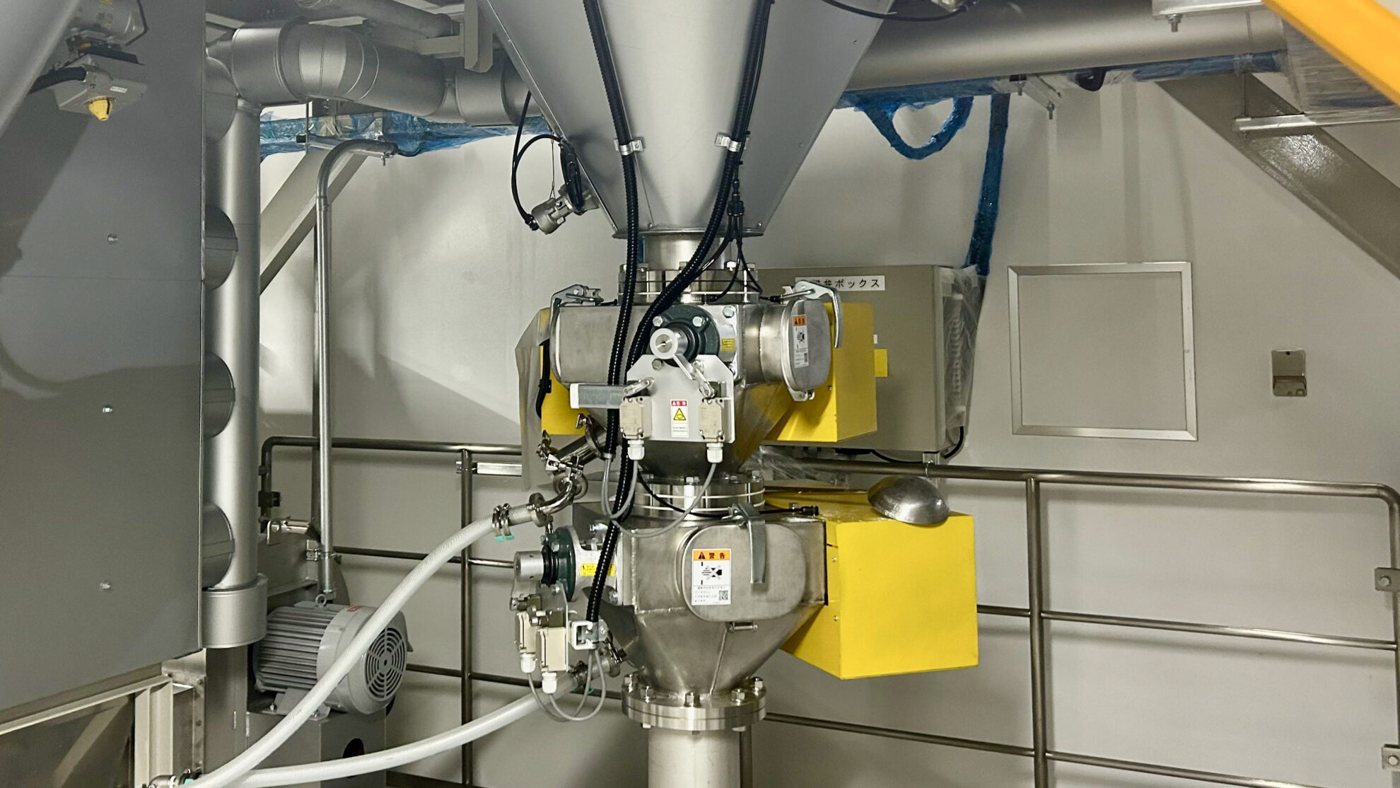
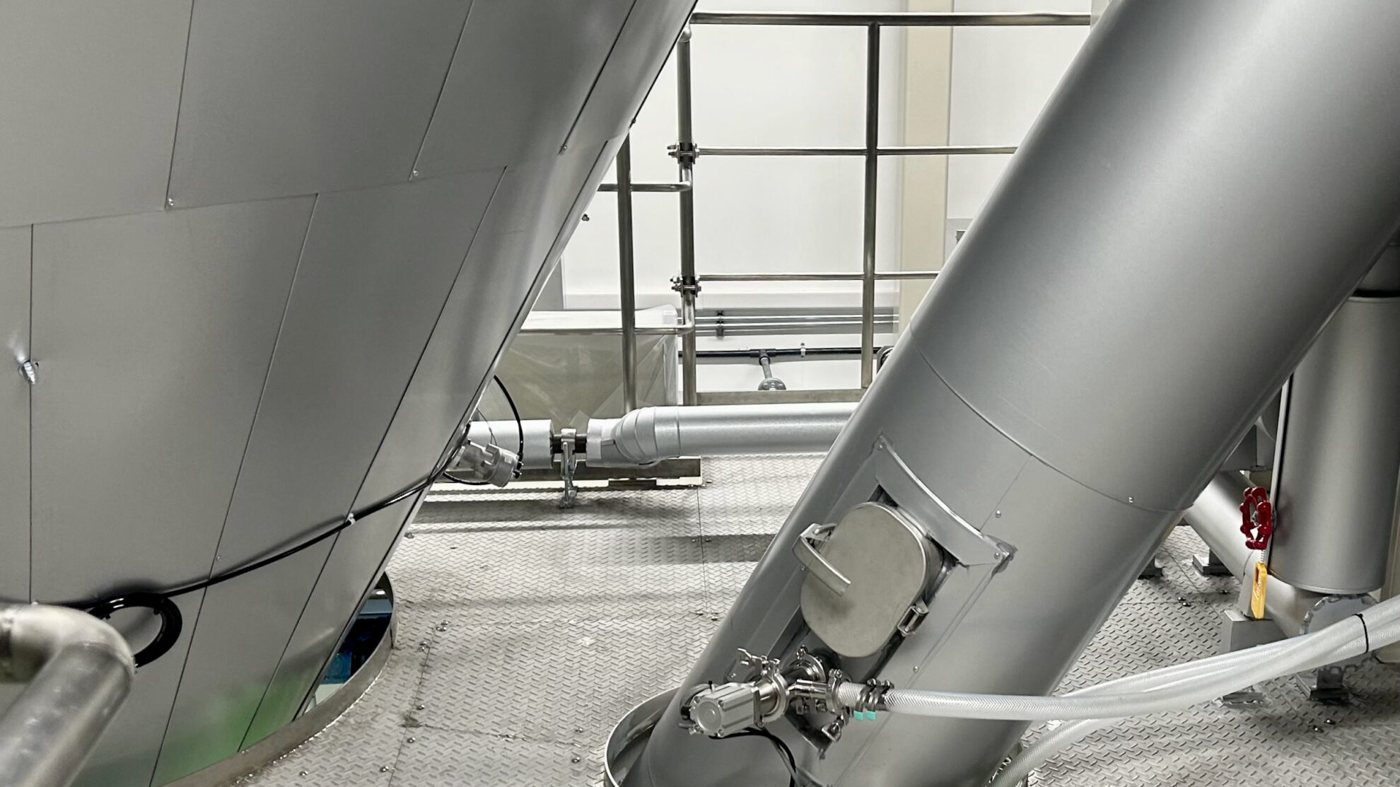
Granule outlet and rotary valve
Bag filter unit
Cyclone and dust collection

Images: PRECI

Process flows

Open cycle and closed cycle

Open‑cycle system

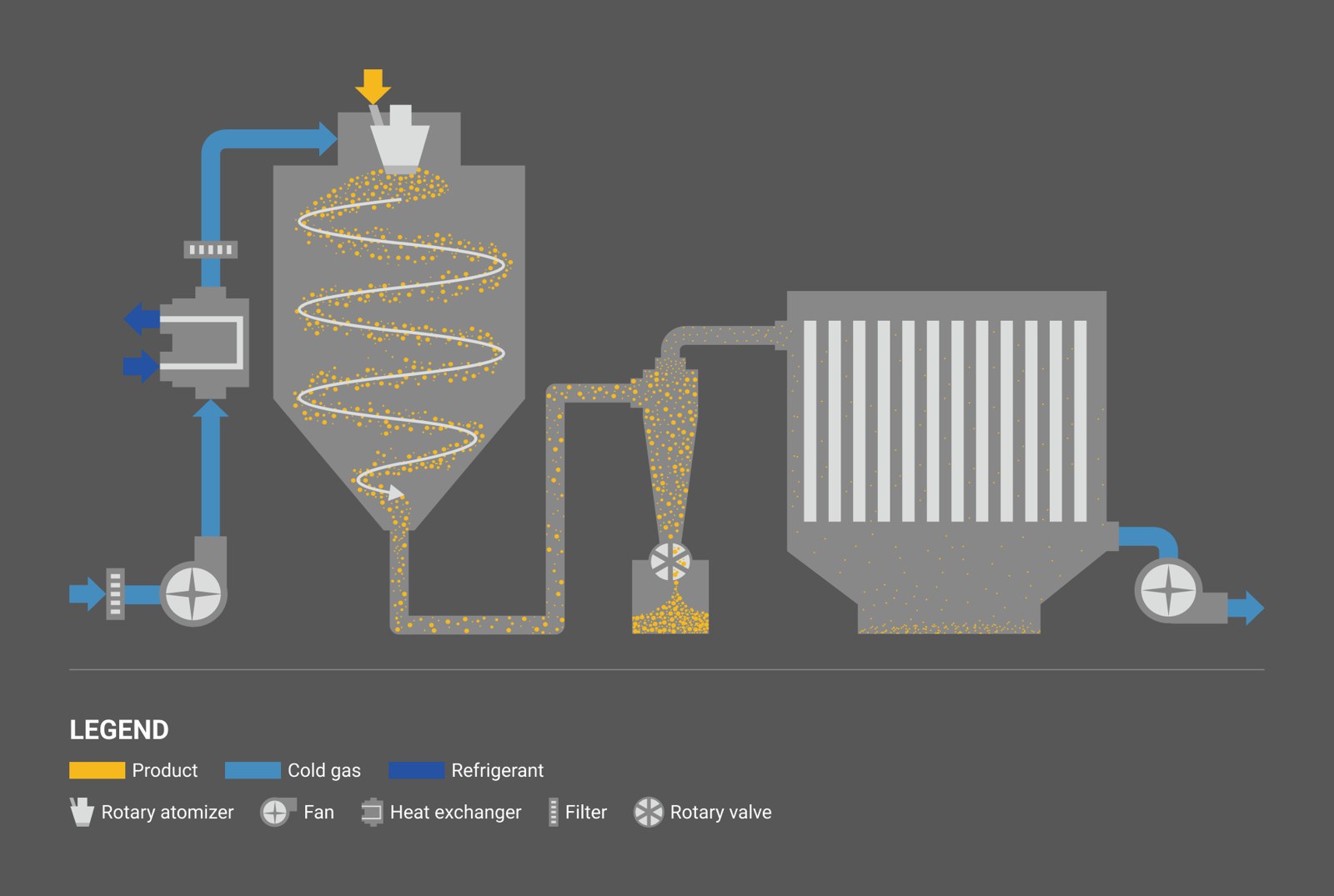
Ambient air is filtered and cooled, passes once through the cooling chamber, and is discharged after granule recovery.

PRECI spray cooler, open-cycle process flow

Closed‑cycle system

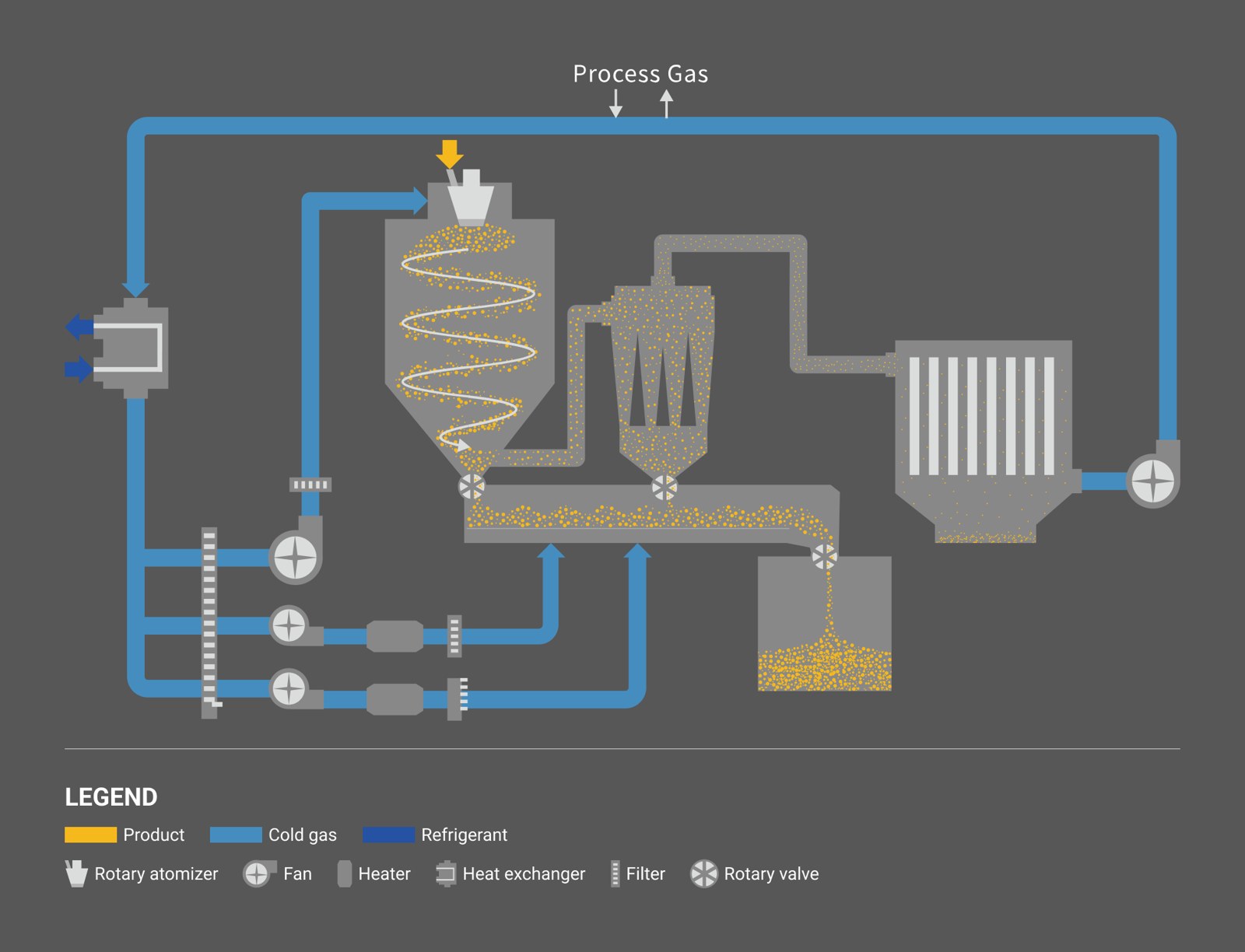
For melts with flammable components or sensitive to oxidation. Process gas circulates in a closed loop and is re‑cooled before it returns to the chamber.

PRECI spray cooler, closed-cycle process flow

Process flows: PRECI

Questions and answers

Questions engineers ask about spray cooling

Spray cooling or spray drying?

Spray drying removes a solvent, usually water, by evaporation. Spray cooling removes heat from a melt; nothing evaporates, so the energy demand is lower and the granules keep the droplet size.

How large can the granules be?

From a few micrometres to about 500 µm, set by the atomizer. Larger granules need a longer fall to solidify, which sets the chamber height, or a cooled conveyor at the chamber outlet.

Can actives be encapsulated?

Yes. The active is dispersed or dissolved in the molten carrier, such as a fat, wax or PEG, and is enclosed as each droplet solidifies.

What has to be known about the melt?

Melting and solidification behaviour, viscosity at the atomizing temperature, thermal stability, and whether it is flammable or sensitive to oxidation. These are measured before the process is designed.

Equipment

PRECI spray coolers

Spray Cooler SC series, installed up to 12 t/h, with open‑cycle, closed‑cycle and dual systems.

Spray coolers →

Trials

Test the melt before the plant

A spray cooling trial confirms the atomizer, temperatures and granule quality, and gives the data to size the plant. Our engineers arrange the trial with PRECI.

Ask about a trial

Spray cooling applications

Trial and plant results from PTC ASEAN and PRECI.

View applications →
PRECI

PRECI Co., Ltd., Japan

Powder processing technology. TSK is PRECI's exclusive partner in Thailand.

PRECI official site ↗

Contact our engineers

+66 81 978 8389 · contact@tskengineering.co.th
Talk to an engineer