

Typical requests
When customers come to us
Spray cooling trials and contract processing for customers who face situations like these.
Actives that need protecting
Vitamins, minerals, probiotics, flavours and feed additives. A fat or wax matrix masks taste, protects against oxidation and moisture, and controls or delays release.
No water, no drying
Actives that cannot be dissolved, or do not tolerate water or solvent removal. Spray cooling only melts and solidifies, with no evaporation and less energy.
Fats, waxes and resins into powder
Plates, pellets or flakes that are hard to grind become spherical, free‑flowing particles in one step.
Poor flowability and dust
Fine powders granulated into spherical particles that flow and handle well.
Capabilities
What we handle
Feed
Materials that melt cleanly and solidify on cooling. You send the solid raw material, we melt it.
Materials
Fatty acids, waxes, paraffin, resins, polymers, fertilizers, and oils or actives carried in a melt.
Particle size
From a D50 of a few µm to about 500 µm. Particles are larger than in spray drying because there is no evaporation shrinkage.
Low melting points
Materials that solidify below room temperature can be spray cooled in PRECI's freeze granulators in Japan, arranged by our team.
Equipment
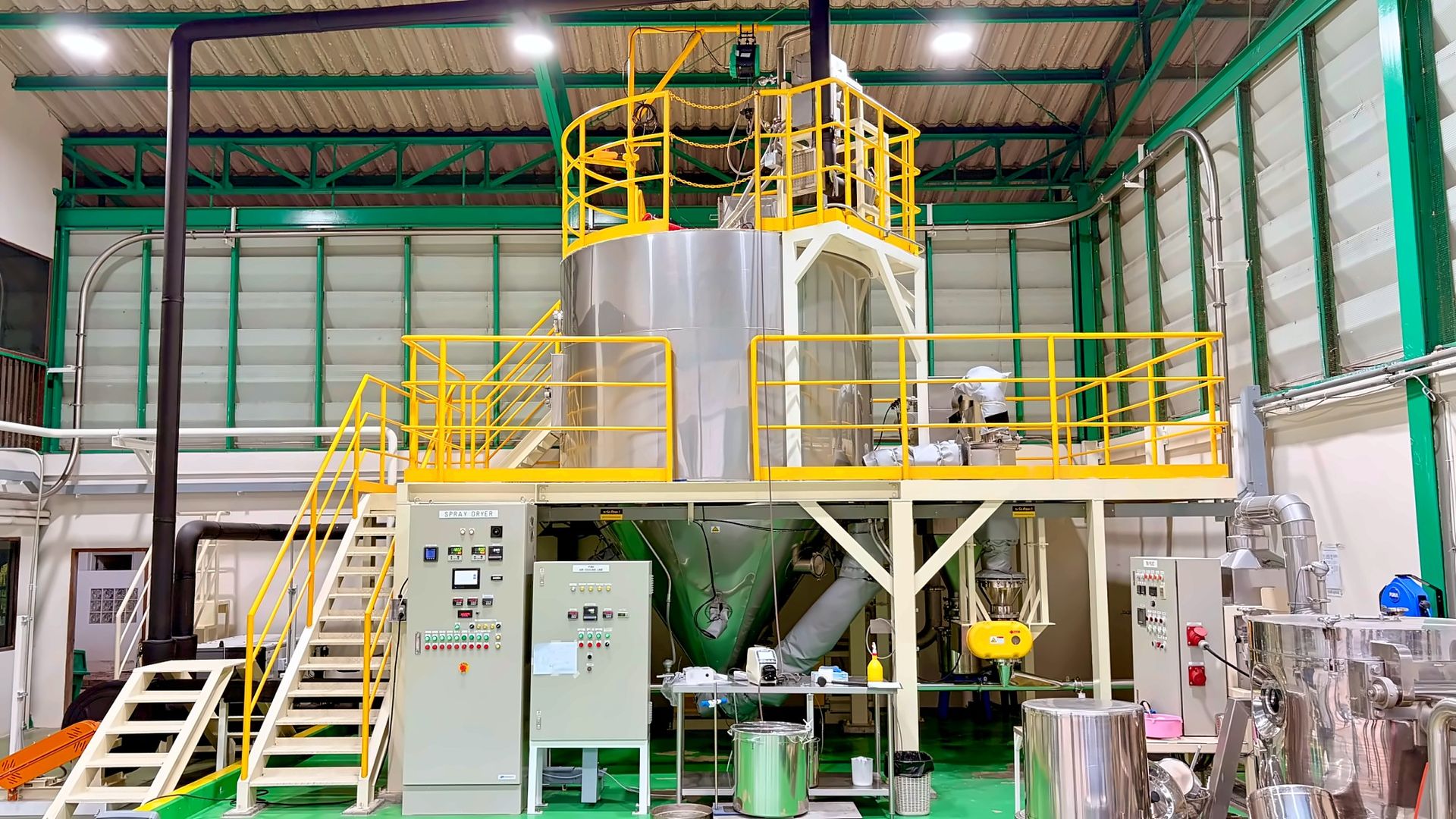
Spray cooling on the P260
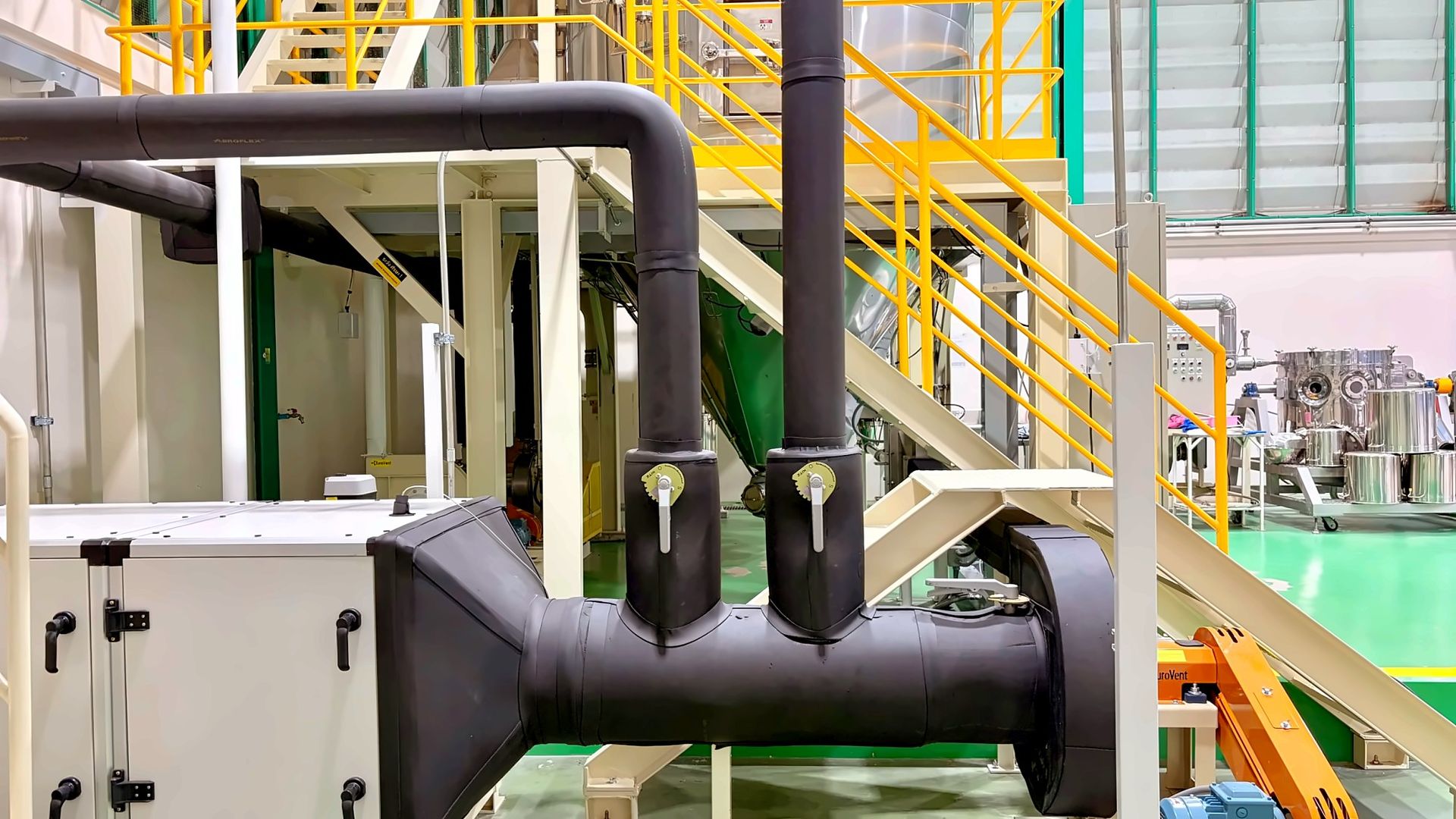
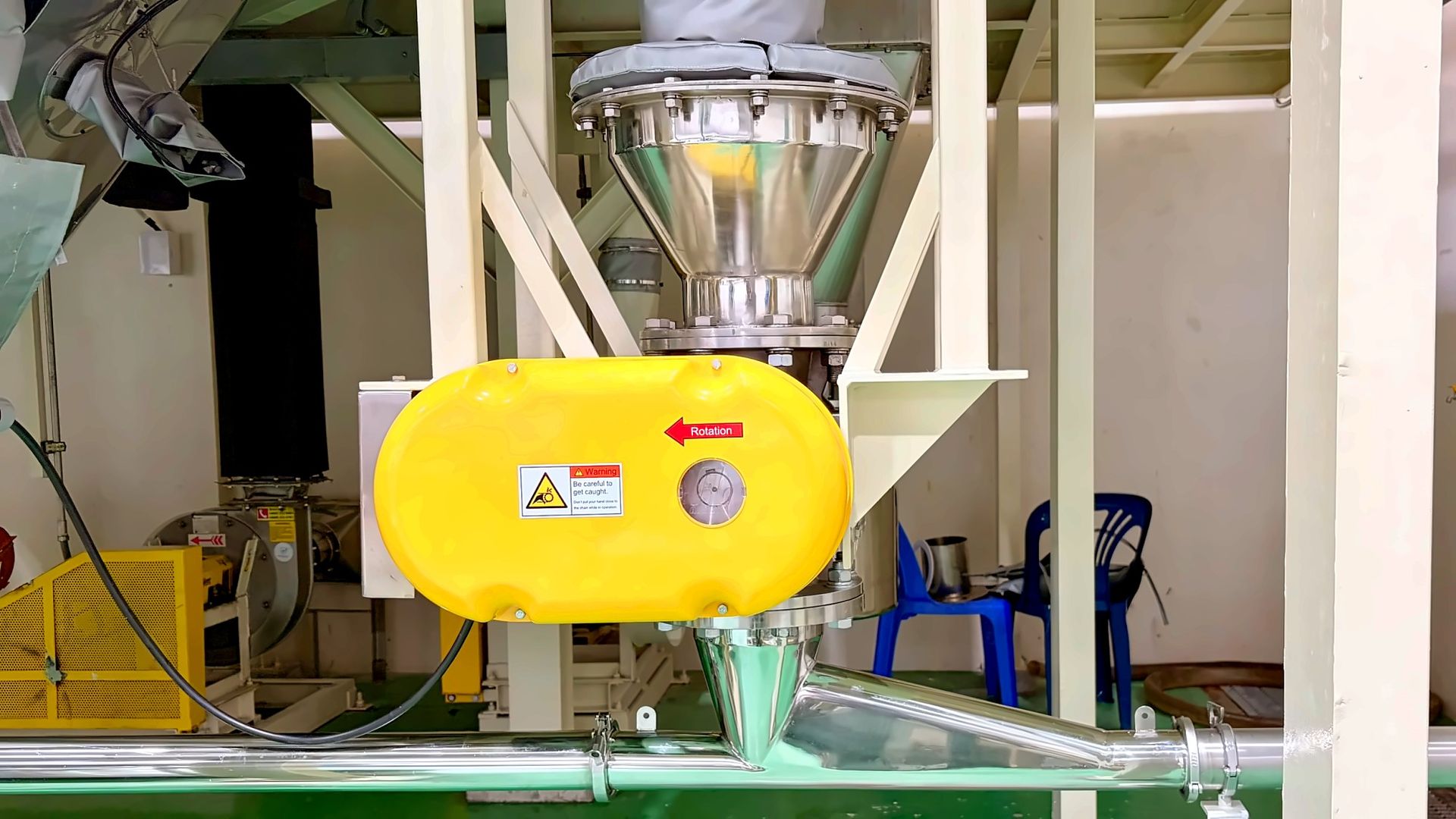
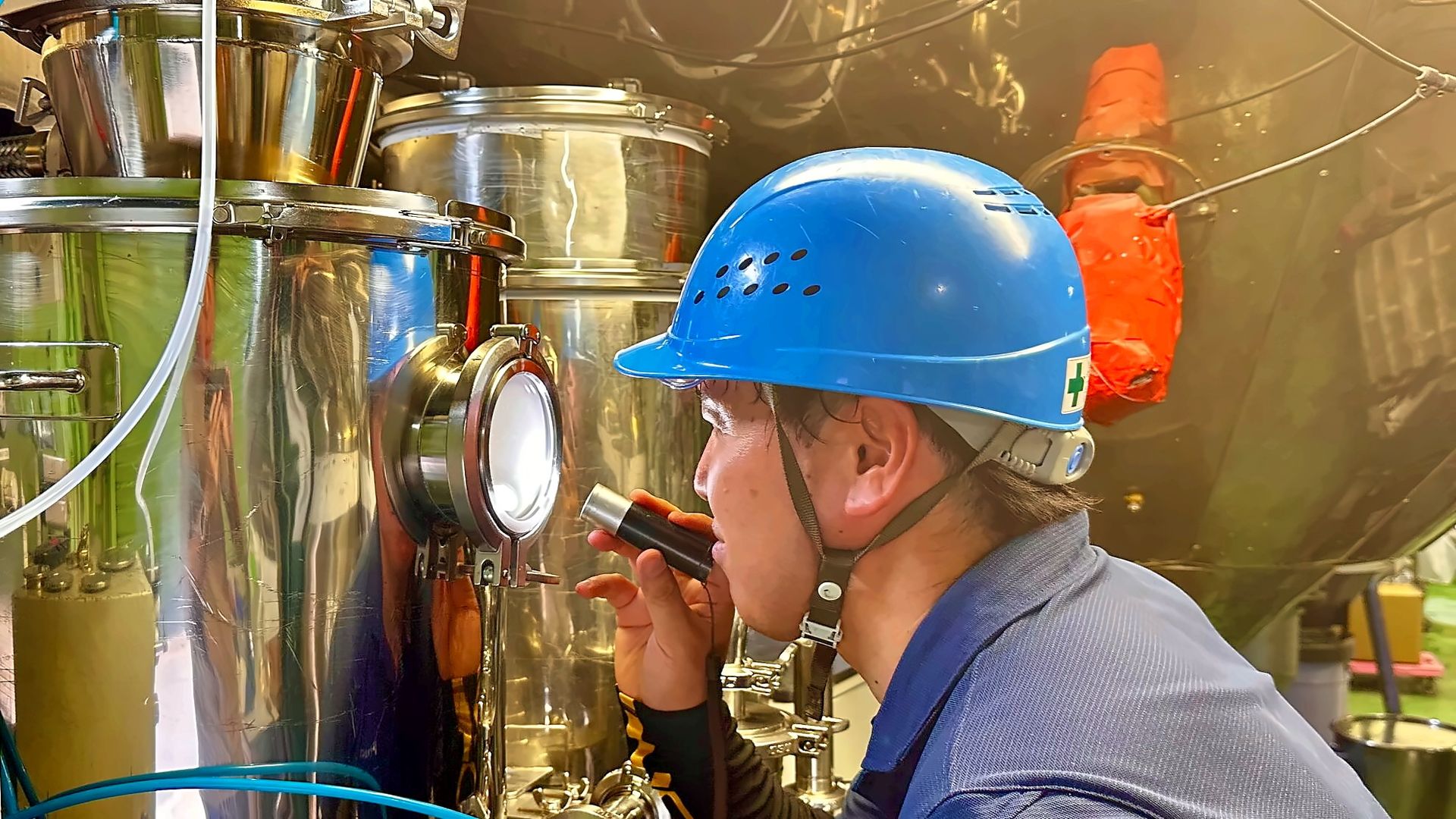
At PTC ASEAN spray cooling runs on the P260, the same unit used for spray drying. Dehumidified, cooled process gas and a pneumatic conveying line with cooling are a configuration unique in Thailand.
Pilot to production
P260 dual‑function
⌀2,600 mm chamber with rotary atomizer, two‑fluid and pressure nozzles. Runs as a spray dryer or a spray cooler.
Process gas
Cold, dry process gas
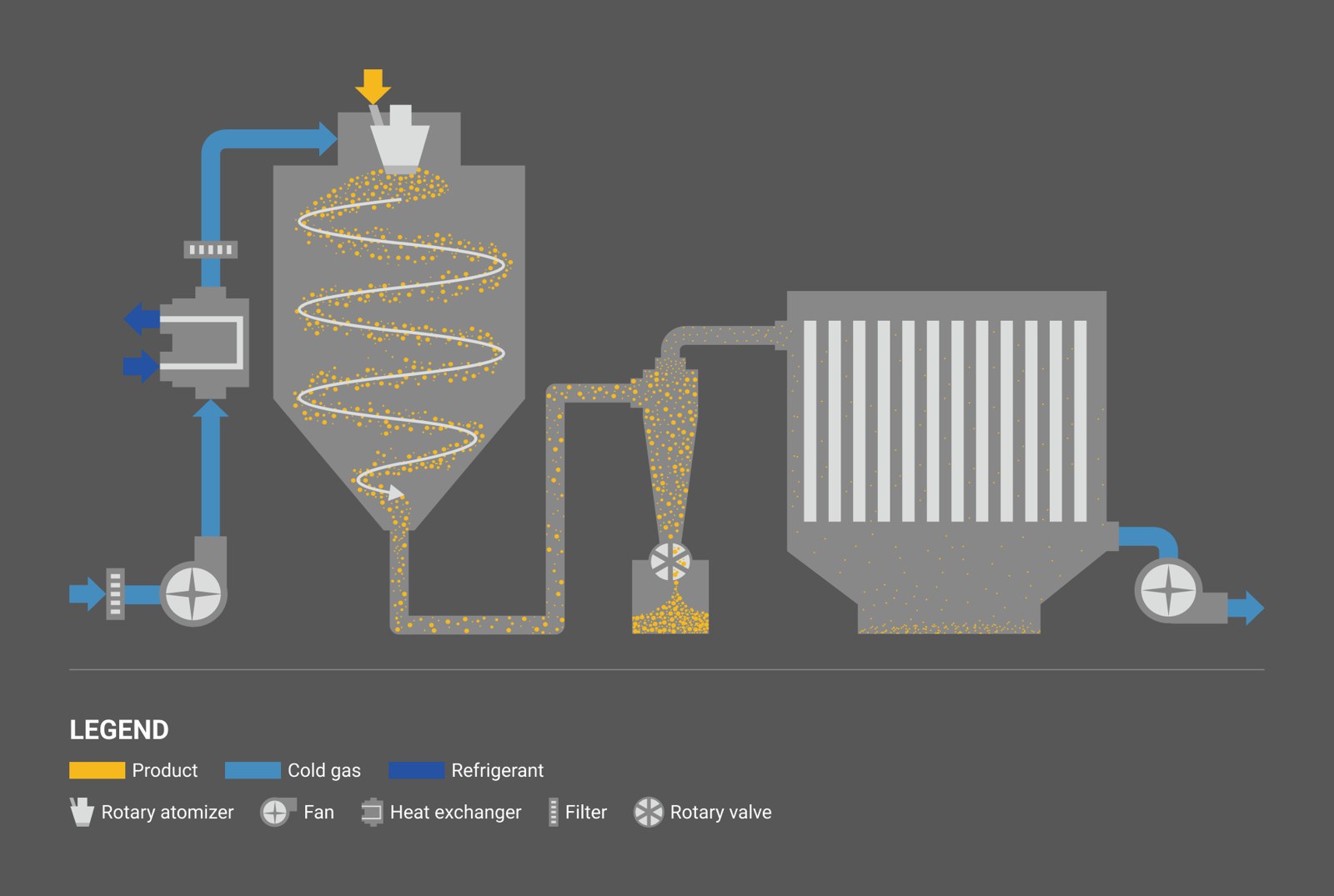
A heat exchanger dehumidifies and cools the gas that solidifies the droplets.
Powder handling
Pneumatic conveying line with cooling mechanism
Powder is conveyed with dried air at a controlled temperature, so low‑melting granules stay free‑flowing.
P260 spray cooler · unique in Thailand
- Cold, dry process gas. Droplets solidify reliably in a tropical climate.
- Stable conditions in any weather. Gas is dehumidified, so conditions do not follow ambient humidity.
- Pneumatic conveying line with cooling mechanism. Low‑melting granules stay free‑flowing without caking.
Melting and feed
Melting equipment, feed pumps and stirrers are set up for each material.
Service content
Scope of supply
Provided by PTC ASEAN
- P260 spray cooling system
- Melting units, feed pumps, agitators, stainless steel tanks and weighing
- Packaging and dispatch of the recovered powder
- Equipment cleaning after each run
Provided by the customer
- Solid raw material samples
- Material data, including the Safety Data Sheet (SDS)
- Any additional items agreed at the technical consultation
Principle
Advantages of spray cooling
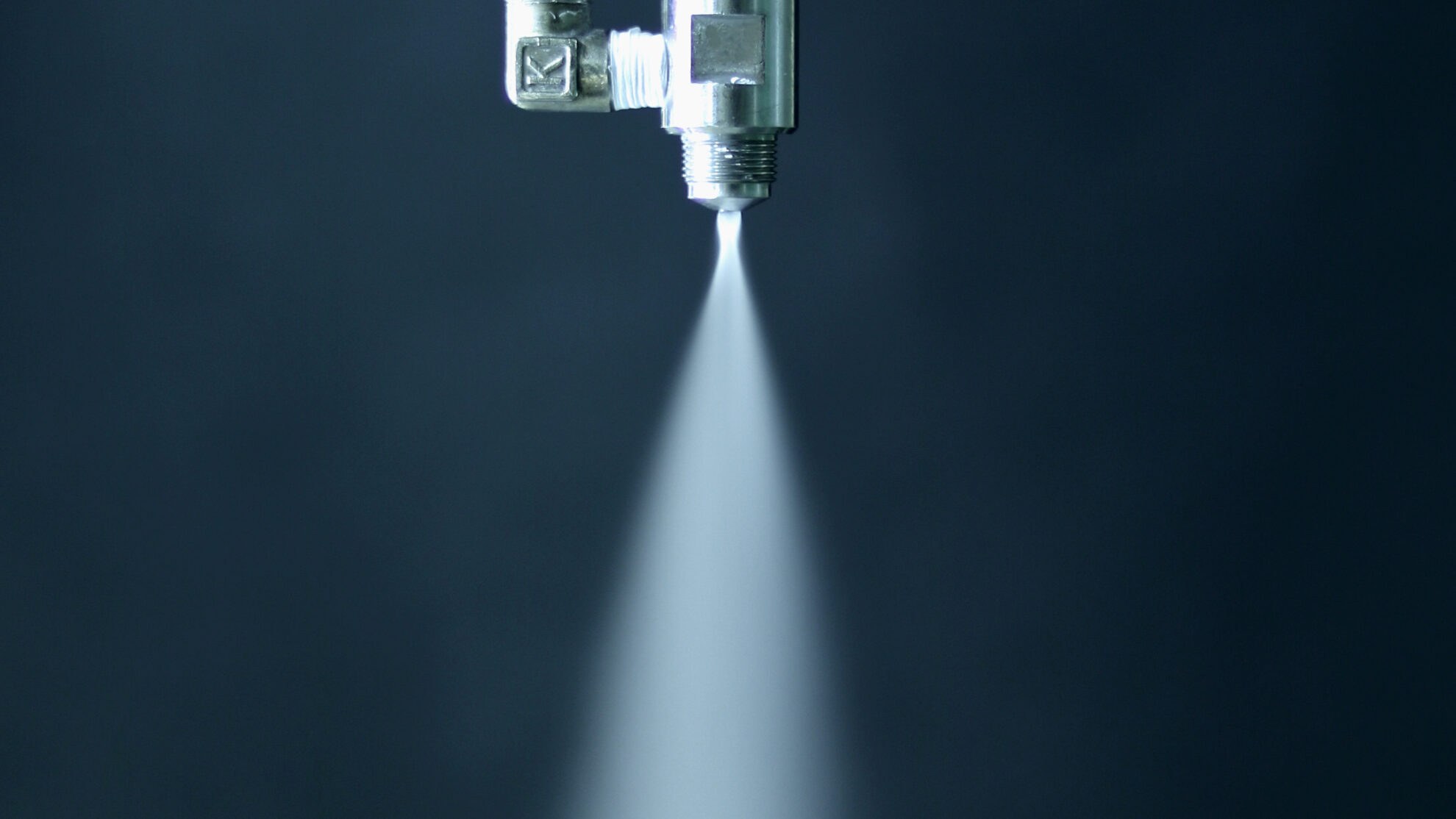
Molten material is sprayed into cold gas and solidifies almost instantly into spherical particles.
Spherical, free‑flowing
Surface tension shapes each droplet before it solidifies.
Larger particles
No solvent evaporates, so particles do not shrink.
No solvent and no drying
The melt is the whole feed. Nothing has to be evaporated.
Encapsulation
Actives are held in a fat or wax matrix for taste masking and controlled release.
Know‑how
Atomizer speed and particle shape
PRECI case on the P260: paraffin melting at about 50 °C was melted at 85 °C and sprayed by rotary atomizer into gas at 35 °C.
3,000 rpm
Larger droplets cool more slowly. Surface tension forms near‑perfect spheres, with the highest circularity and aspect ratio.
6,000 and 12,000 rpm
Smaller droplets solidify before surface tension can act. Particles become rod‑shaped and string‑like.
Spheres at higher speed
Raise the feed temperature or the inlet gas temperature. The droplet stays liquid longer and surface tension can round it.
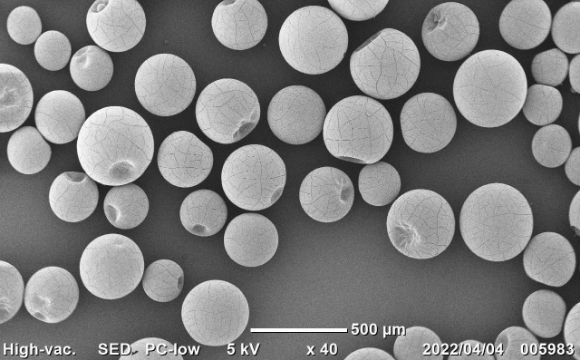
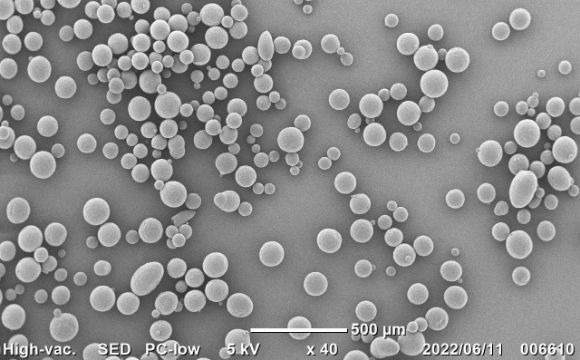
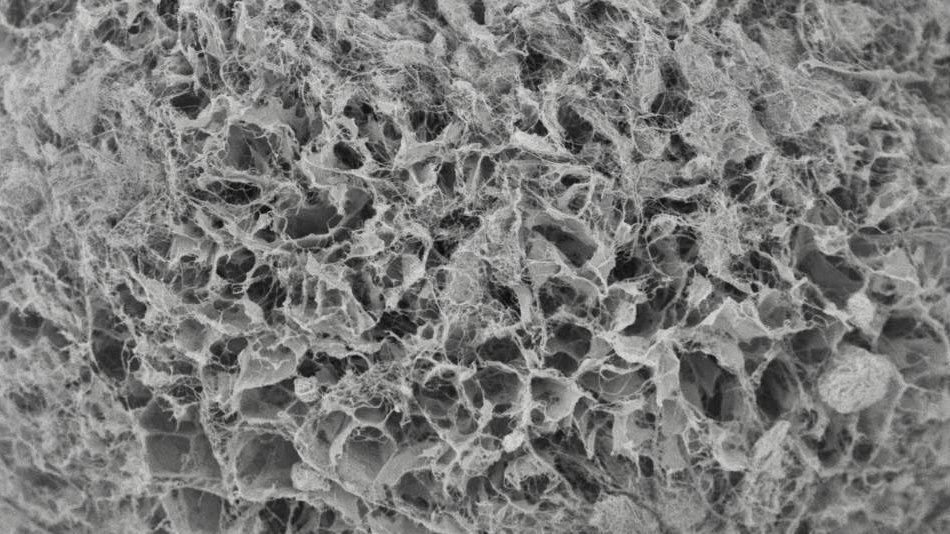
Spray‑cooled granules, SEM. Images: PRECI
Applications
Materials we spray cool
Start small
A small evaluation trial comes first. Scale‑up to production follows on the same process.
Case studies
Spray cooling in practice
Case studies from trials at PTC ASEAN and at PRECI's centers in Japan.
Step by step
How to request a trial
Contact
Reach us through the contact form, by email or by phone.
Consultation
We discuss your material and goals. You complete the confirmation sheet.
Proposal
We propose the spray cooling process for your material and send a quotation.
Scheduling
The run date is fixed when you place the order.
Material delivery
Send your material by the day before the run. Hand delivery is also possible.
Processing
We run your material on the scheduled day.
FAQ
Before you request a trial
What particle size can you reach?
It depends on the melt. Lower viscosity gives smaller particles, higher viscosity larger ones. PRECI's record runs from a D50 of a few µm to about 500 µm.
How soon can a trial run?
Within days when equipment is free. Allow longer when the schedule is full.
Can I attend the run?
Yes. We recommend attending the first trial so we can discuss the target powder while it is produced.
Is my information kept confidential?
Yes. We sign a confidentiality agreement on request and do not disclose your information to others.
Explore
Related pages
Discuss your material
Send us your material and target. We reply within one working day.