TSK Powder Technical Center

Home / Technology / Fine grinding / Recycling and valorization

POITTEMILL

Recycling and by‑product valorization

Grinding, drying and classification that turn food by‑products, agro‑food waste and recovered materials into powders with a use and a value. POITTEMILL processes, engineered and installed in Thailand by TSK.

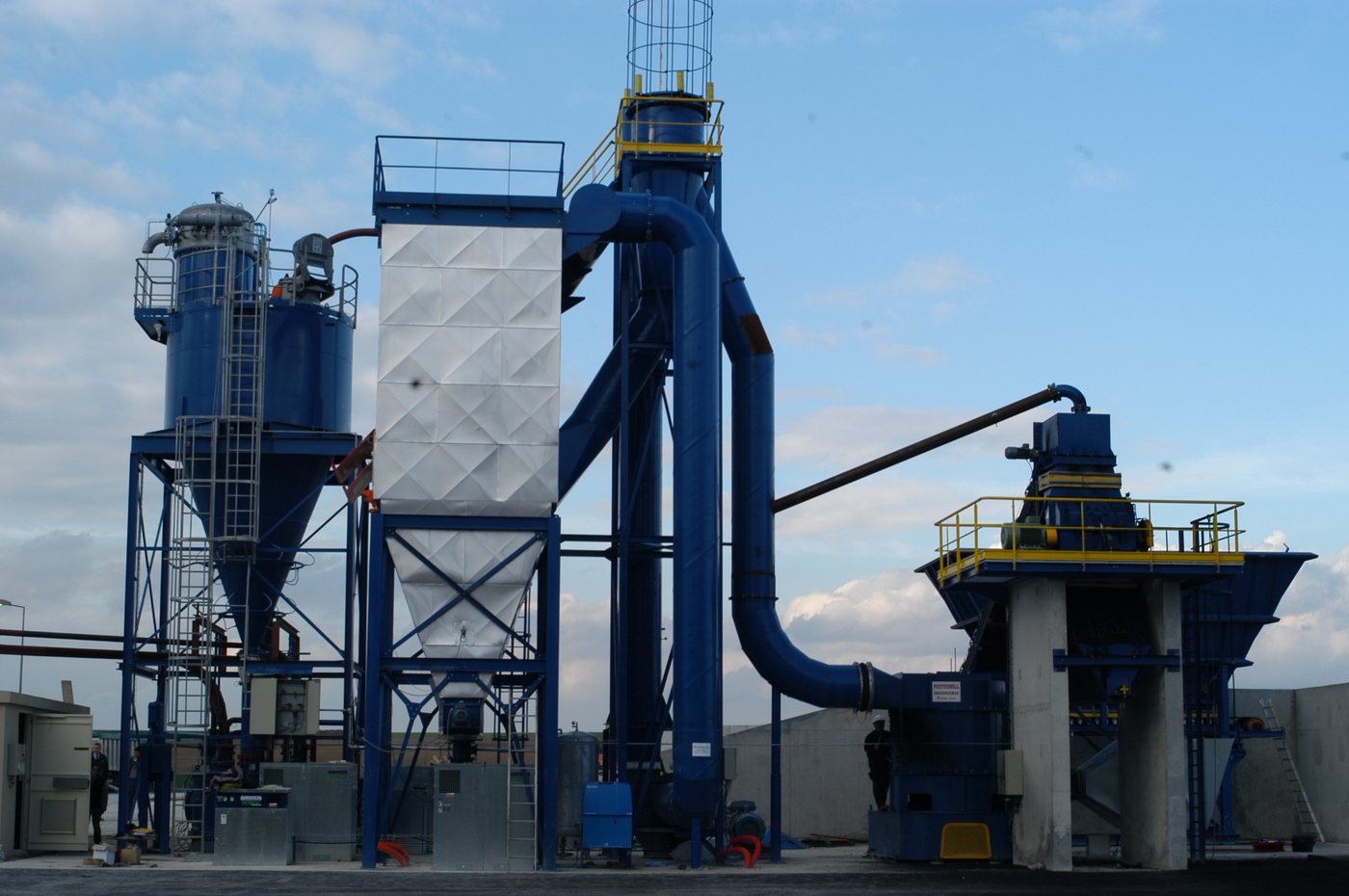
POITTEMILL grinding and drying line with mill, classifier, cyclone and filter

Process

Tailor‑made, from pre‑grinding to storage

Each line is designed for the material and the product it has to become. POITTEMILL covers every step of the dry process.

  • Pre‑grinding of large or tough pieces
  • Fine and ultra‑fine grinding, with drying in the mill where needed
  • Separation by air classification into one or more products
  • Aspiration and filtration
  • Storage and handling
  • Explosion protection, ATEX design and pressure‑shock‑resistant systems
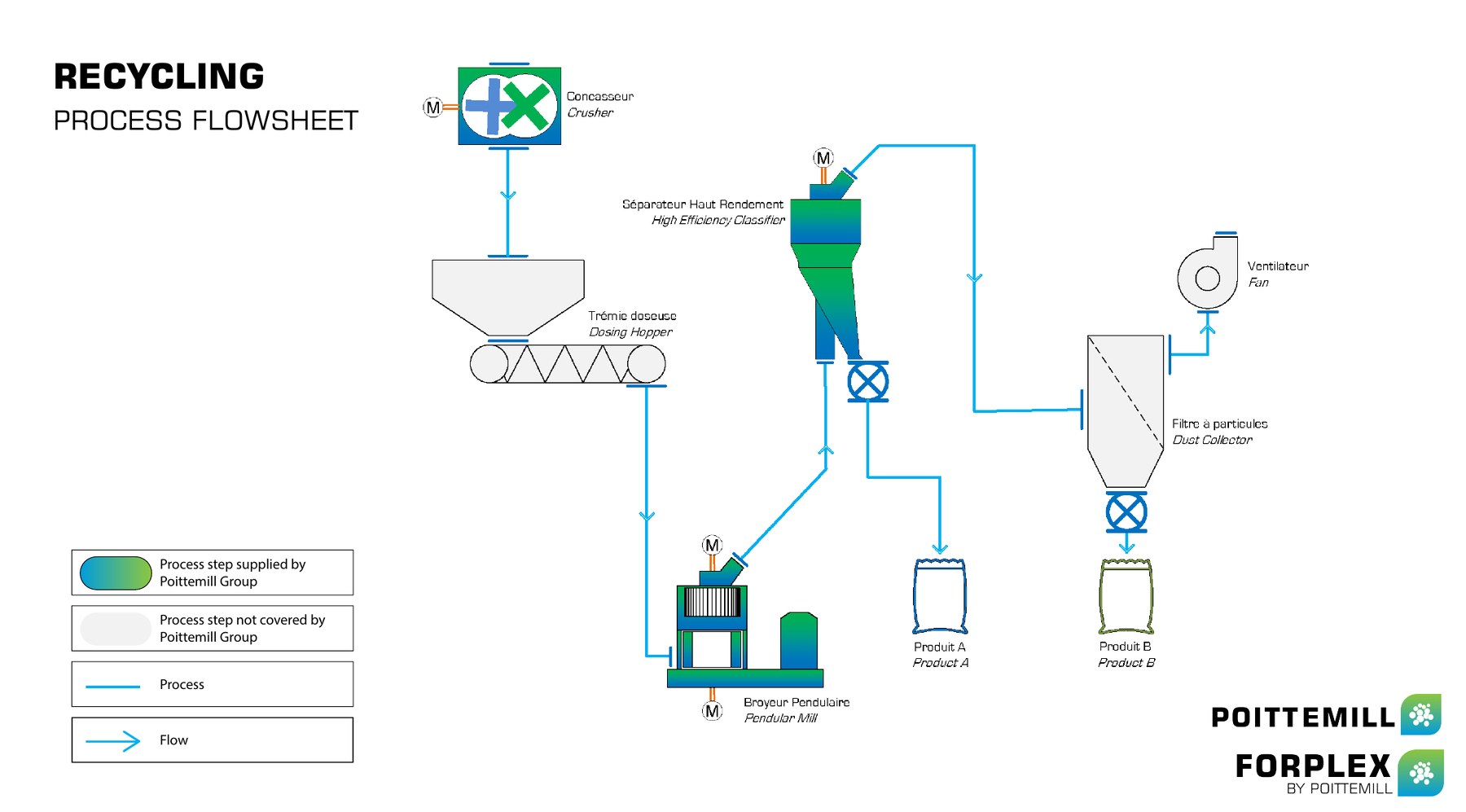
Recycling process flowsheet: crusher, dosing hopper, pendular mill with crusher, high-efficiency classifier, dust collector and fan, producing product A and product B
Recycling flowsheet: two products from one line. Image: POITTEMILL

Materials

By‑products that can be valorized by grinding

Shells, bones, feathers and processing residues become mineral powders, protein meals, ingredients and fuels.

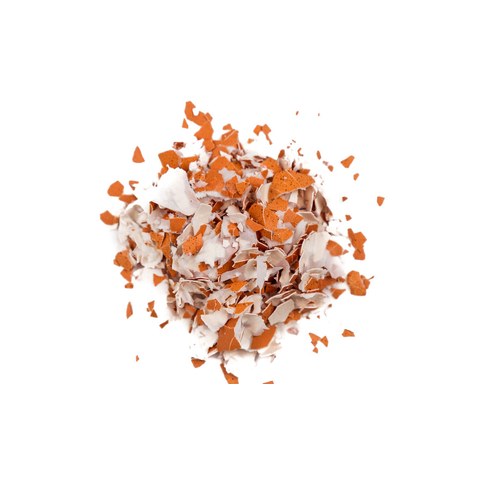
Eggshells
Eggshells
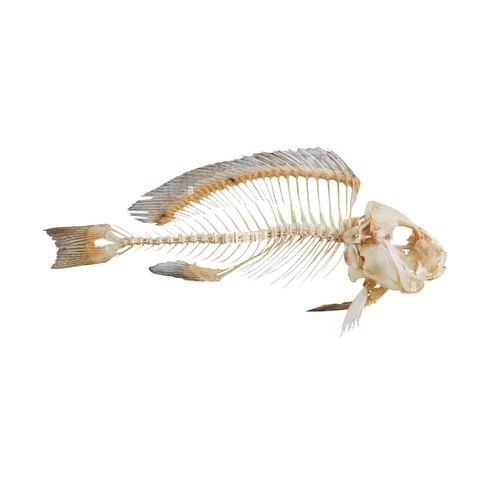
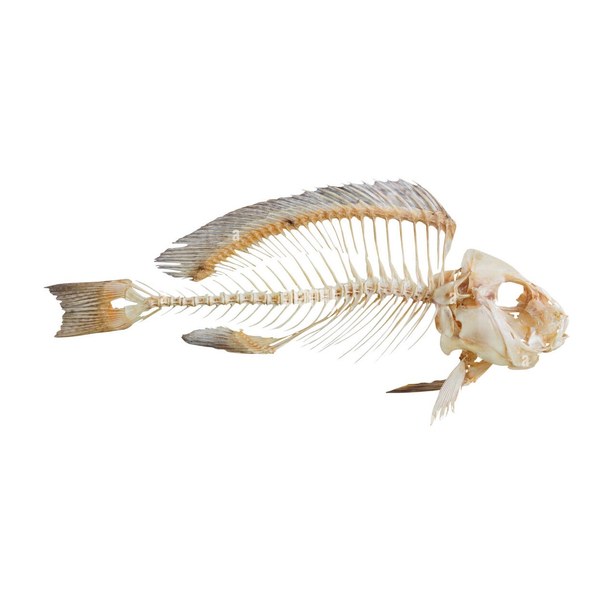
Fish bones
Fish bones
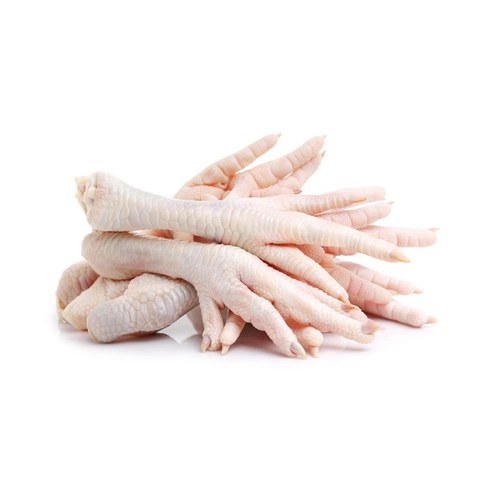
Chicken feet
Chicken feet
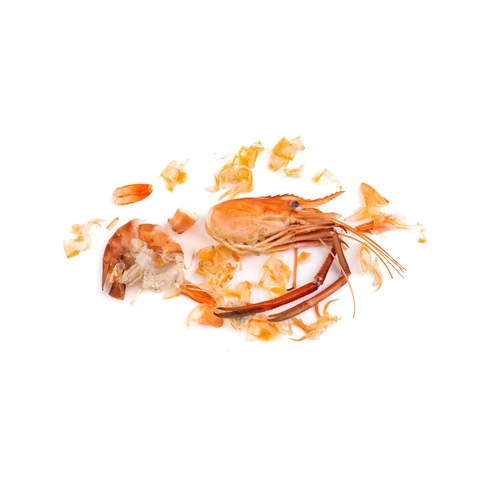
Shrimp waste
Shrimp waste
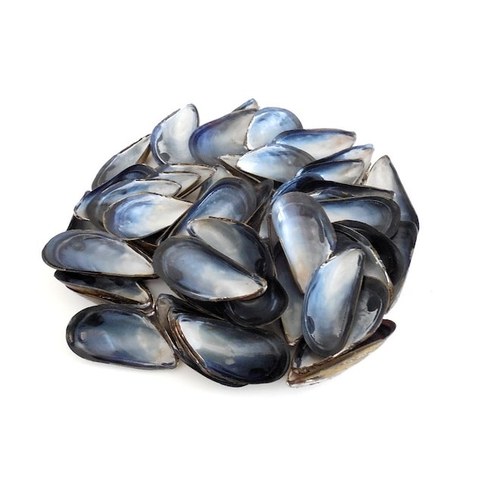
Mussel shells
Mussel shells
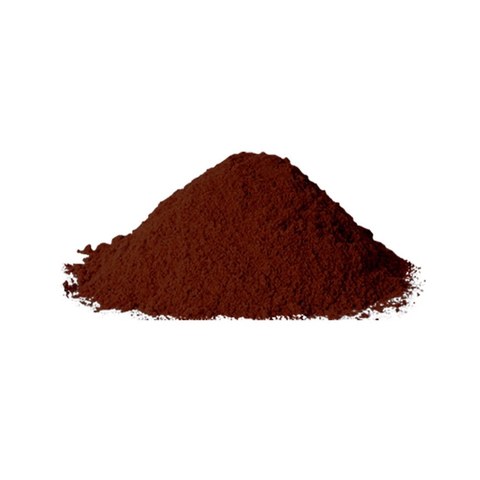
Slaughter blood
Slaughter blood
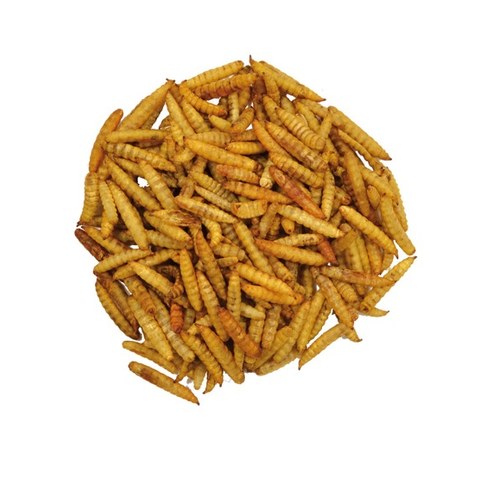
Insect larvae
Insect larvae
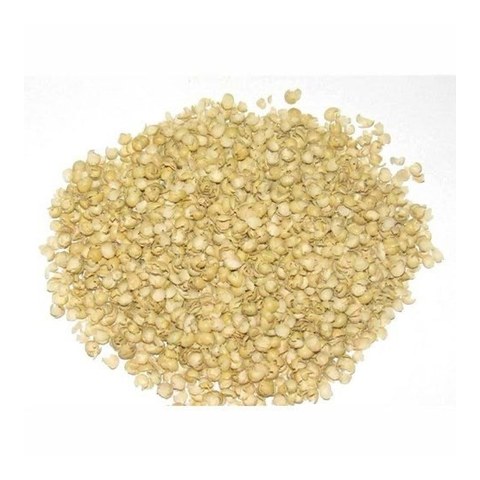
Hulls
Hulls

Images: POITTEMILL

Engineering

Challenges and how the line answers them

Variable material

By‑products vary in composition, size, shape and hardness from batch to batch.

Solution. Flexible, modular grinding equipment that adapts to the material, with sorting and pre‑treatment to remove unwanted material.


Wear

Hard, abrasive materials such as mussel shells and hulls wear grinding parts quickly.

Solution. Wear‑resistant materials and coatings on critical parts, and preventive maintenance that replaces worn parts before a breakdown.

Particle size control

A uniform size for feed, food or construction use is hard to reach from a mixed material.

Solution. Multi‑stage grinding with classification to set the size, and monitoring to adjust the grinding conditions.

Cross‑contamination

Mixing different by‑products is a quality and safety risk, above all for animal feed.

Solution. Cleaning protocols between batches and separation of materials before grinding.

Energy

Hard and bulky materials make grinding energy‑intensive.

Solution. Optimized grinding conditions, high‑efficiency equipment, and heat recovery from the grinding step.

Projects

Reference cases

Results from POITTEMILL projects and trials.

Fish waste to flavour powder

Grinding and drying in one step

Fish waste to flavour powder

  • FeedFresh fish waste, 85% water
  • Fineness98% below 100 µm
  • Capacity300 kg/h dry powder

Solution. Attrition mill with flash drying in the same step: 50% less energy than a fluidized‑bed pre‑dryer. Recycled dry powder lowers the inlet moisture and lengthens residence time to develop a toasted flavour, while the colour is kept.

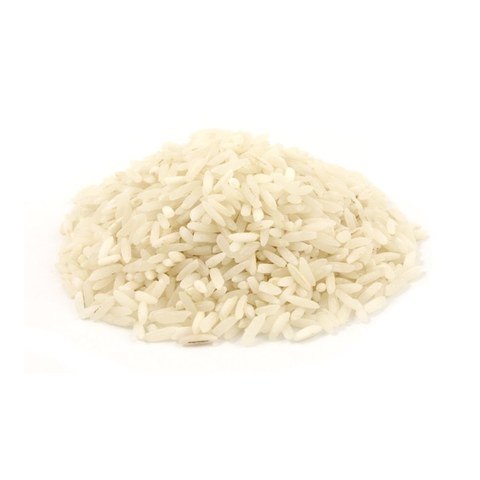
Broken rice to noodle flour

Drying and classifying

Broken rice to noodle flour

  • FeedBroken rice, below 10% moisture
  • Fineness80% below 100 µm
  • Capacity5,000 kg/h

Solution. Attrition mill with a micro‑classifying stage and air cooling. No water, and no rice wasted.

Fish bones to fine mineral powder

Fine grinding

Fish bones to fine mineral powder

  • Finenessd99 below 75 µm, d97 below 50 µm
  • Capacity174 kg/h

Solution. PAS air‑classifier mill, impact and attrition grinding with static and dynamic classification, followed by an SHR classifier for a clean cut.

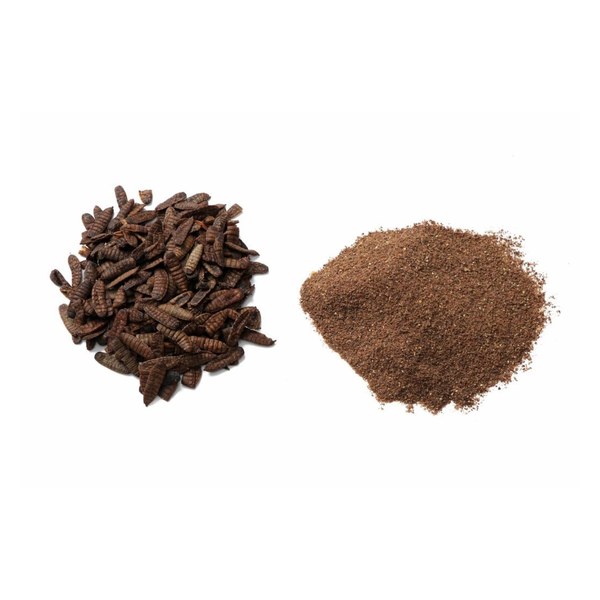
Black soldier fly larvae

Fine grinding

Black soldier fly larvae

  • Moisture9%
  • Finenessd90 below 700 µm
  • Capacityup to 700 kg/h

Solution. FNG pin mill, in a system built to resist 10 bar overpressure.

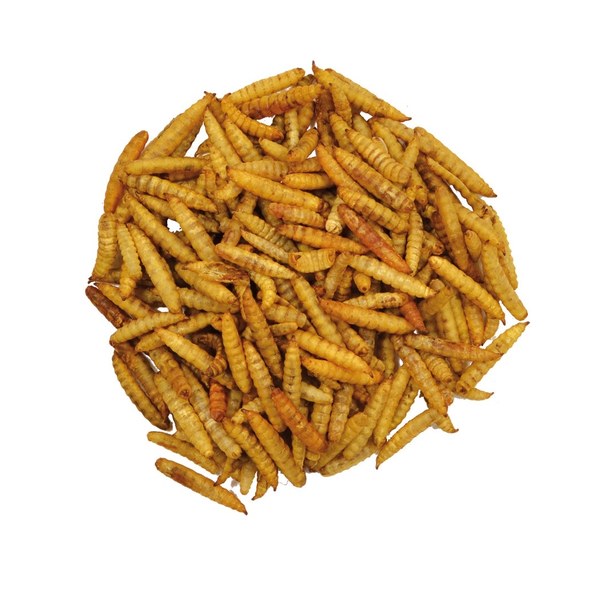
Insect larvae

Crushing

Insect larvae

  • Feed55–60% protein, 7–9% moisture, 0–3 mm
  • Target1 mm
  • Capacityup to 500 kg/h

Solution. MA 4/5 universal impact mill.

Pork viscera to animal meal

Grinding

Pork viscera to animal meal

  • Feed2–14 mm pieces, 10–15% fat, sticky
  • Product100% below 2 mm
  • Capacity750 kg/h

Solution. FK 4.2 grinding mill, in a system built to resist 10 bar overpressure.

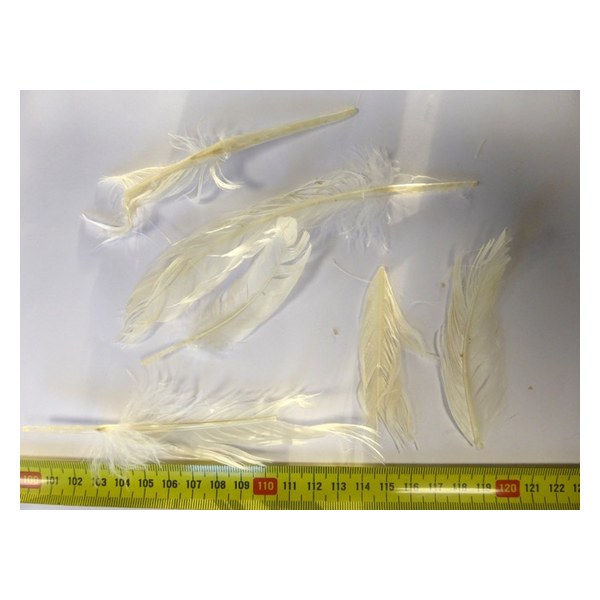
Duck feathers to keratin powder

Pre‑grinding and grinding

Duck feathers to keratin powder

  • FeedDried feathers, pieces around 200 mm
  • Product1 mm powder
  • Capacity100 kg/h

Solution. FK 3.3 pre‑grinding mill, then FL1 grinding, developed through three trials.

Biomass to biofuel

Grinding and drying

Biomass to biofuel

  • FeedTorrefied wood, coal, petroleum coke
  • Finenessd90 below 100 µm
  • Capacity2.3 to 3.8 t/h

Solution. One grinding and drying process for three different fuels.

Data and images: POITTEMILL

Selection

Choosing the right process

The choice depends on many parameters, weighed together. A test on your material sets the mill, classifier and conditions before the plant is designed.

Ask about a test

ParameterWhat is assessed
The material inInlet size, fines content, hardness (Hardgrove index), moisture, stickiness, abrasiveness
The powder outParticle size distribution, and the application it is for
EnergySpecific energy and the savings available from grinding and drying in one step
InvestmentNumber of machines, building height and footprint
MaintenanceWear parts, access and cleaning
Operation and environmentEase of operation, dust, noise and explosion protection

Mills, classifiers and process flowsheets for other industries are on the main POITTEMILL page.

Fine grinding and classification →

Contact our engineers

+66 81 978 8389 · contact@tskengineering.co.th
Talk to an engineer