Background
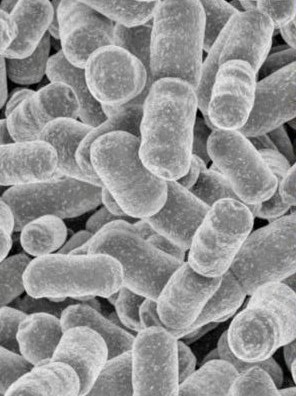
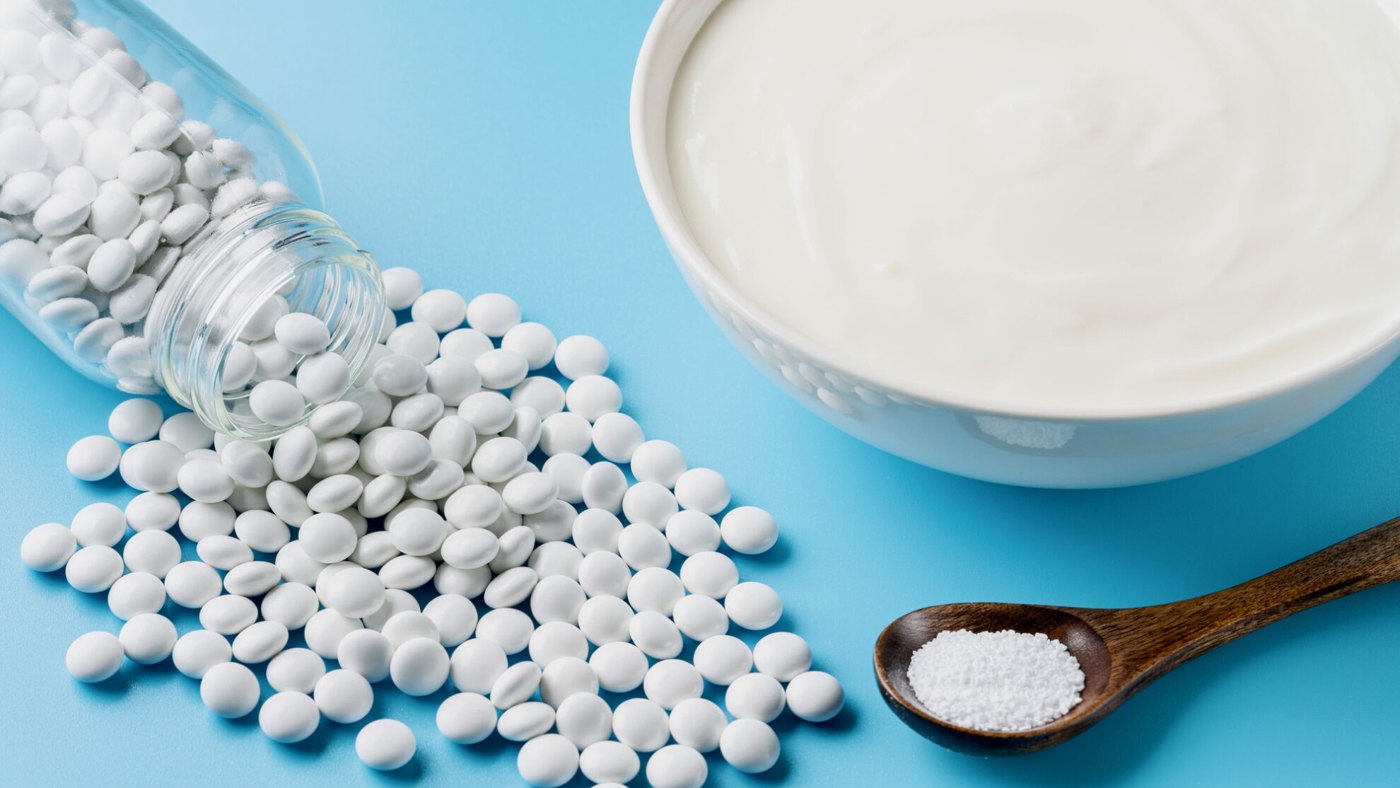
Probiotics such as Lactobacillus and Bifidobacterial are recognized for their role in gut health, immune support, and preventive medicine. To be effective, these live microorganisms must survive processing and reach the intestines intact. Traditionally consumed through fermented foods like yogurt, natto, and miso, probiotics are now widely formulated into powders, capsules, and functional foods.

Challenge
Maintaining high viable counts during industrial processing is difficult. Probiotic cultures are sensitive to heat, oxygen, and moisture. While spray drying offers efficiency and cost advantages compared to freeze drying, it risks reducing bacterial viability due to thermal stress.
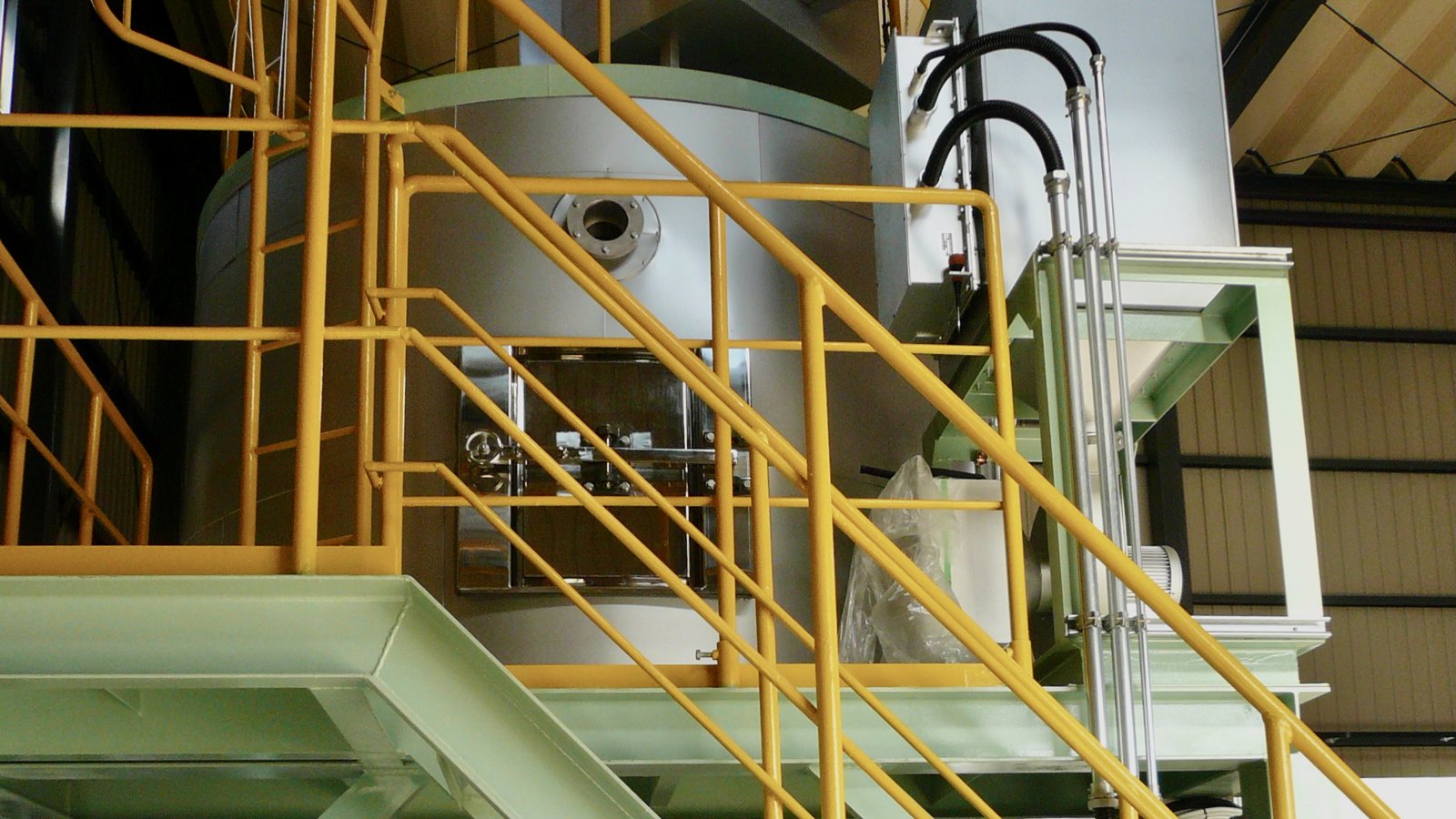
Solution: Spray Drying Technology
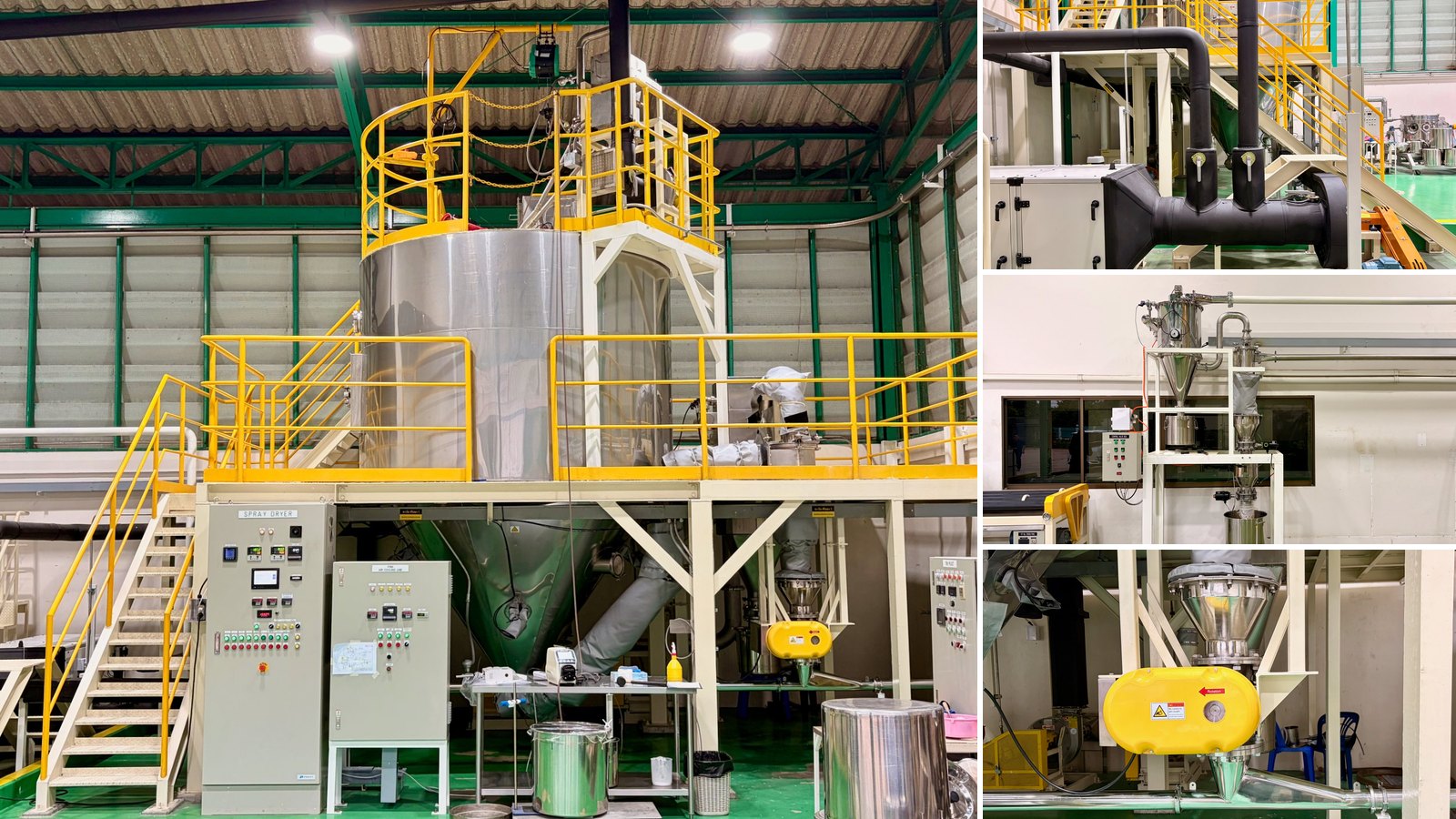
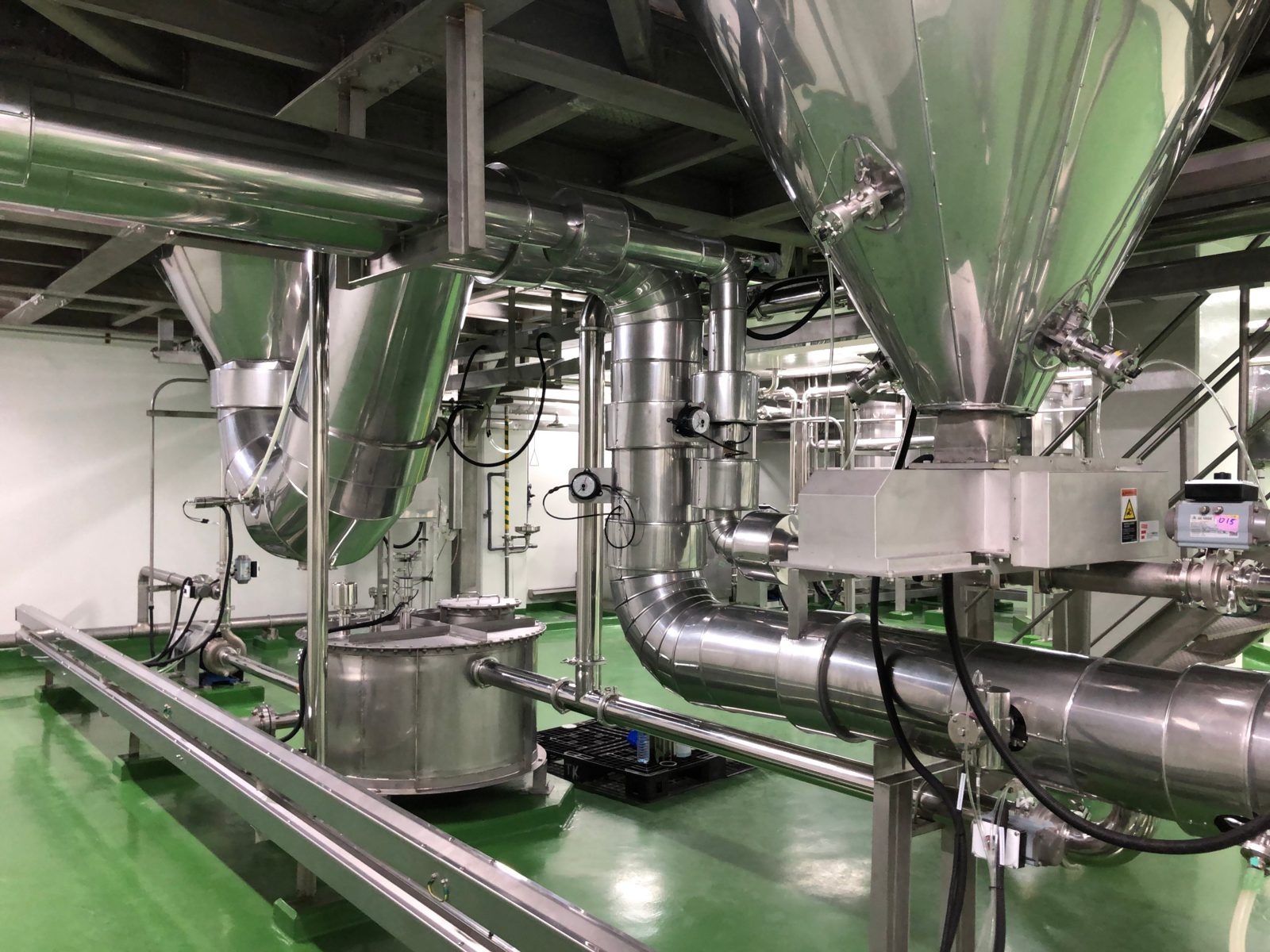
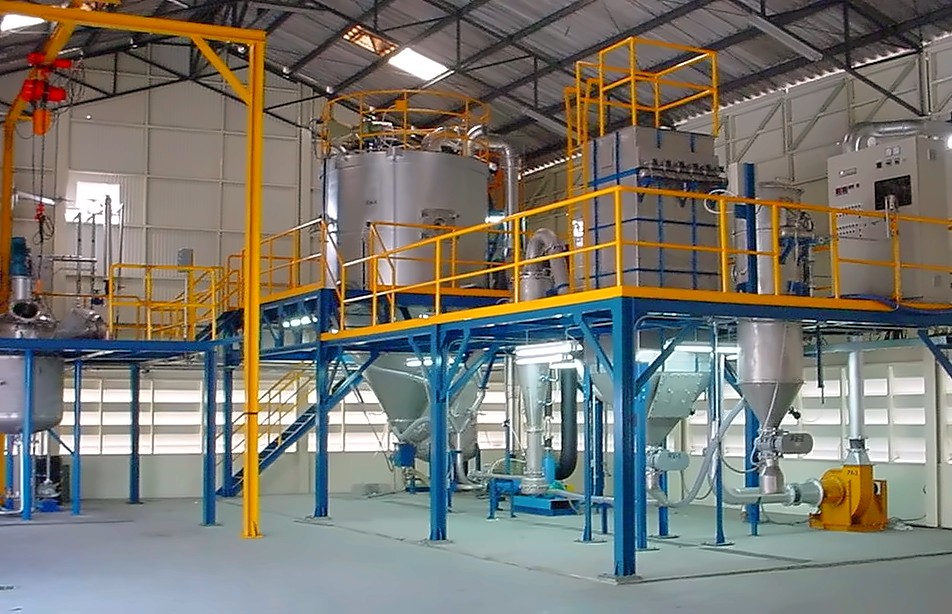
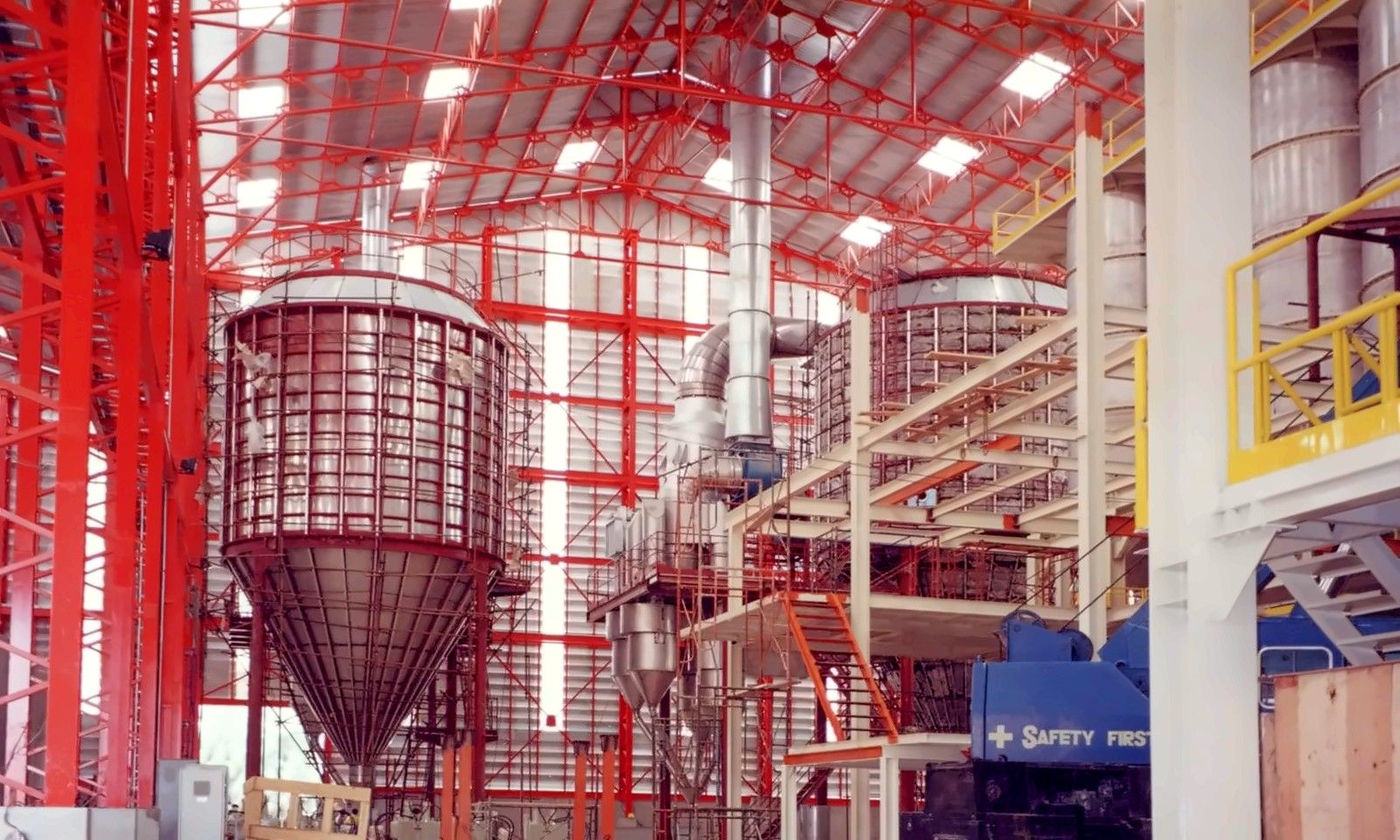
Spray dryers enable the production of stable probiotic powders with reduced mass and volume for long‑term storage and easier transport. By carefully controlling inlet (100–180 °C) and outlet (60–90 °C) temperatures, airflow, and atomization method (rotary atomizer, two‑fluid nozzles, or ultrasonic nozzles), manufacturers can balance productivity with bacterial survival. In some cases, inert gases like nitrogen are used to limit oxidation.
Results
- Maintain high viable counts
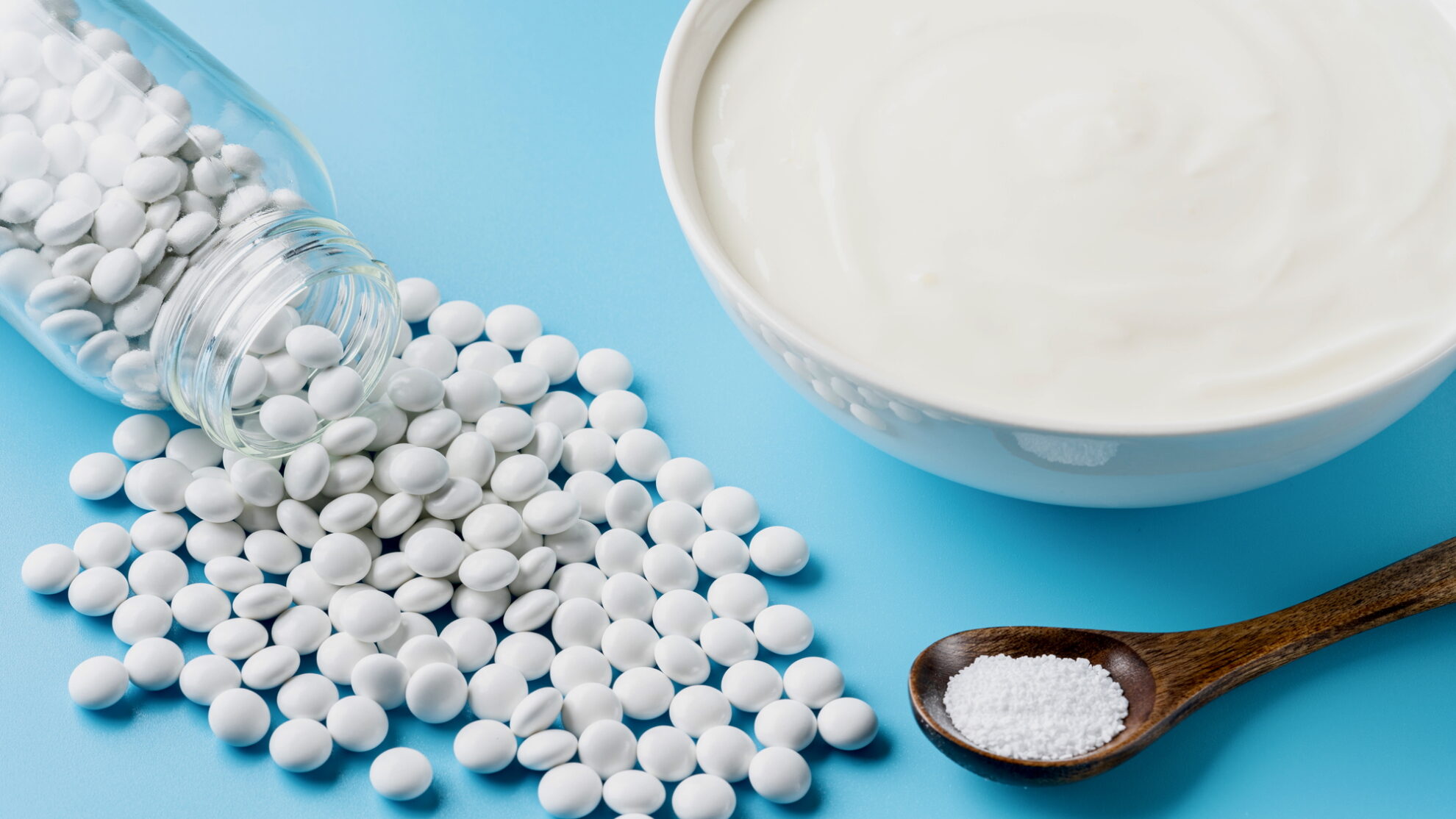
- Stable probiotic powders suitable for pharmaceuticals, supplements, and functional foods.
- Extended shelf life and easier handling compared to liquid cultures.
- Optimized process conditions reduce thermal damage and maintain viability.
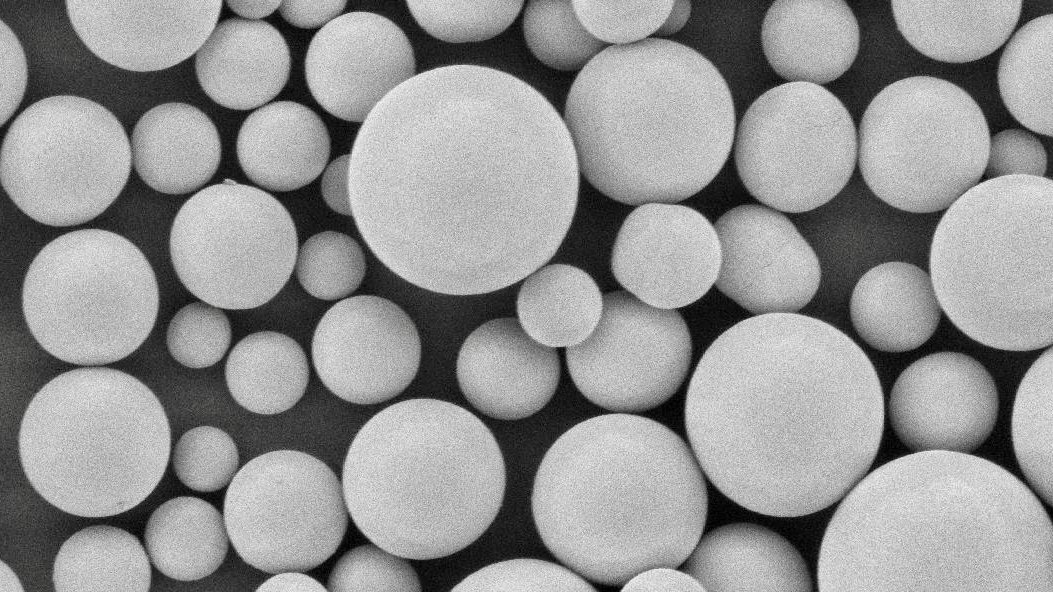
- Controlled particle size & bulk density improve powder flowability and downstream applications.