Background
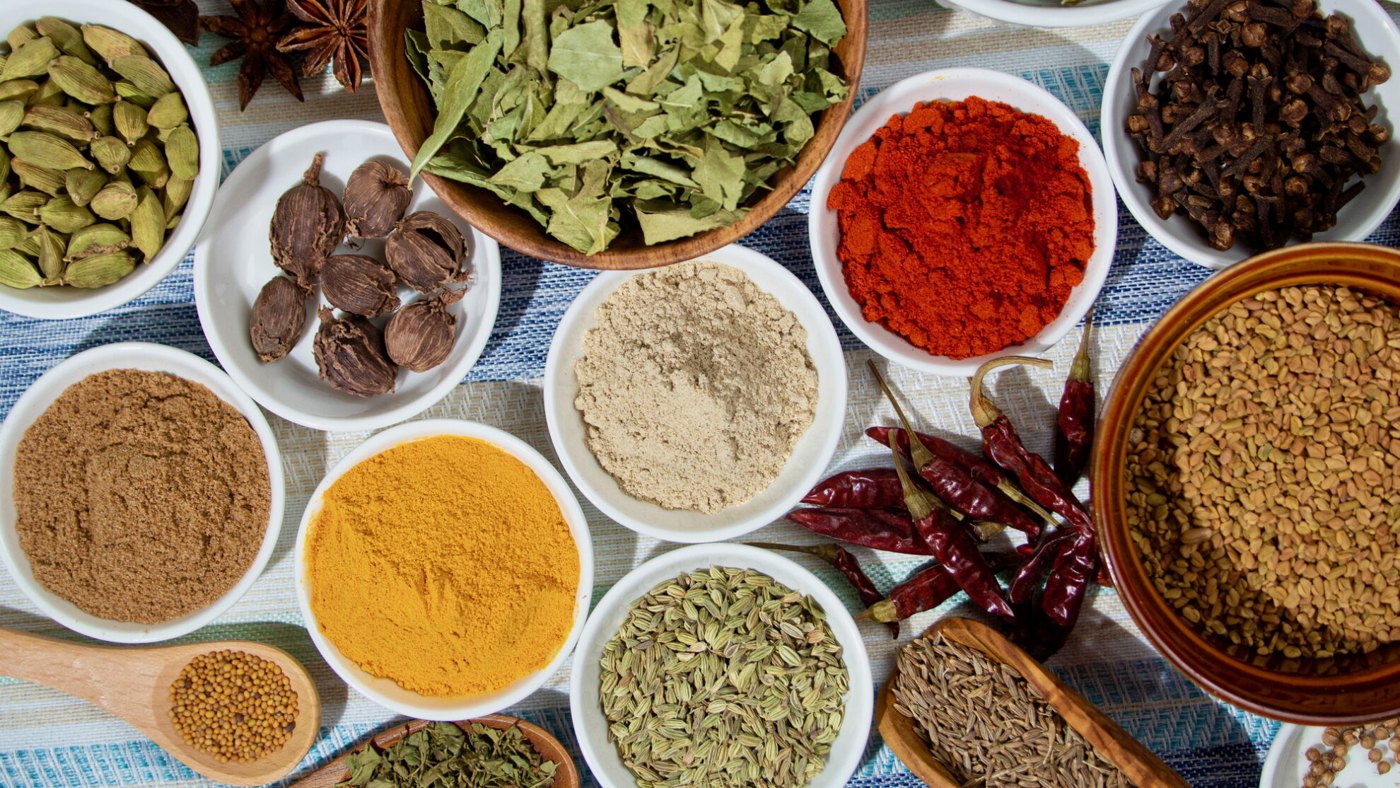
Flavors and spices are essential in foods, beverages, cosmetics, and pharmaceuticals, providing aroma, taste, and masking of undesirable odors. They include a wide range of natural extracts—such as citrus oils, mint, cinnamon, vanilla, coffee, tea, wasabi, ginger, chili, garlic, turmeric, basil, and rosemary—often blended with synthetic aroma chemicals to create new flavor profiles.
Conversion into powders through spray drying is preferred because powders are lighter, more stable, easier to transport, and suitable for long‑term storage compared to liquid forms.
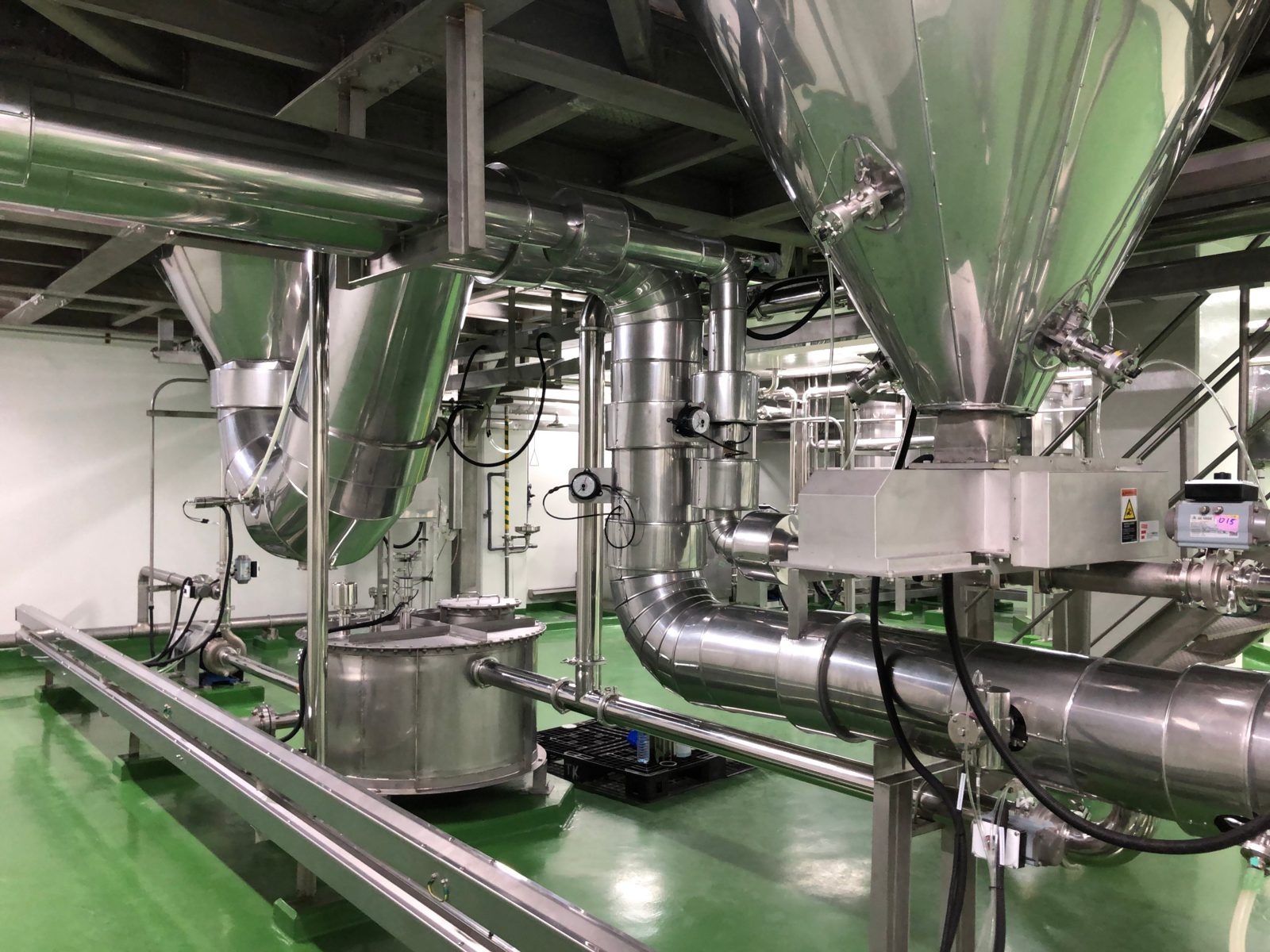
Process
- Preparation – blending of flavor oils or extracts with carriers and excipients.
- Atomization – using rotary atomizer, two‑fluid nozzle, single‑fluid pressure nozzle, or ultrasonic nozzle.
- Drying – gentle, low‑temperature conditions to prevent thermal degradation.
- Powder Recovery – optimized air handling and humidity control for stability.
- Post‑Processing – blending, granulation, or packaging for end use.

Challenges
- Volatile compounds easily lost due to low boiling points.
- Heat‑sensitive components (sugars, amino acids) prone to degradation or Maillard reaction.
- Hygroscopic raw materials (e.g., citric acid) cause adhesion and caking.
- Particle instability: hollowing, rupture, or segregation during drying.
Solutions
- Low‑temperature spray drying to minimize thermal damage.
- Controlled process gas (dehumidified or inert air) to reduce adhesion and oxidation.
- Additives such as maltodextrin, trehalose, and cyclodextrin:
- Protect volatile compounds through encapsulation.
- Stabilize sensitive actives.
- Improve solubility and flavor release.
- Optimization of recovery line conditions for consistent moisture, density, and powder quality.
Key Quality Parameters
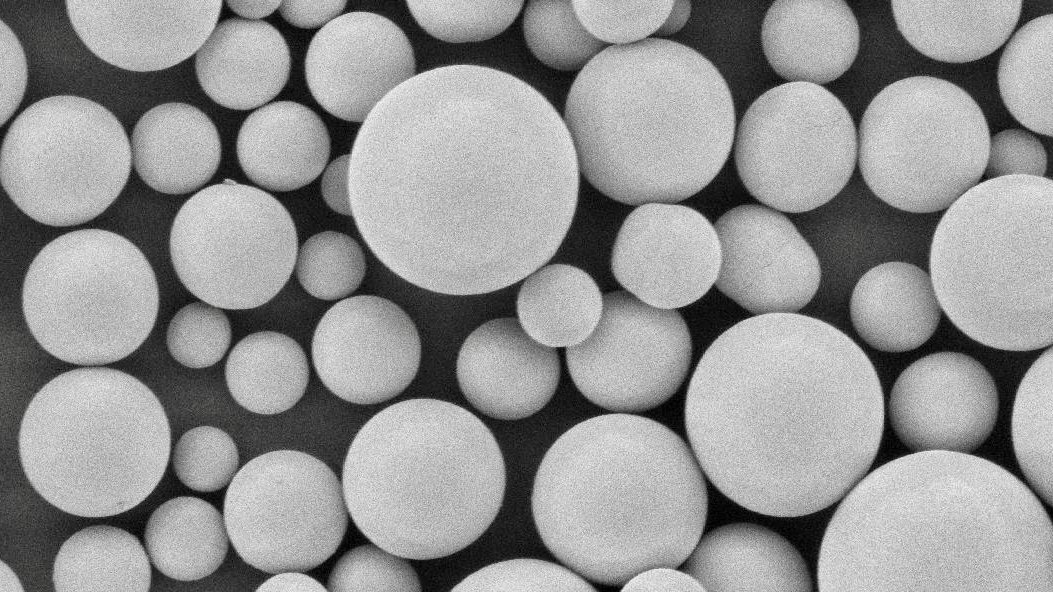
- Particle Size Distribution – flowability and filling stability.
- Bulk Density – consistent dosing and packaging efficiency.
- Moisture Content – balanced for shelf life without caking.
- Surface Properties – solubility, wettability, color, and taste.
Results
With optimized spray drying, flavor and spice powders retain their aroma and taste, remain stable during storage, and dissolve efficiently in end applications. Producers achieve consistent particle size, controlled bulk density, and reduced flavor loss, ensuring high product quality and consumer satisfaction.
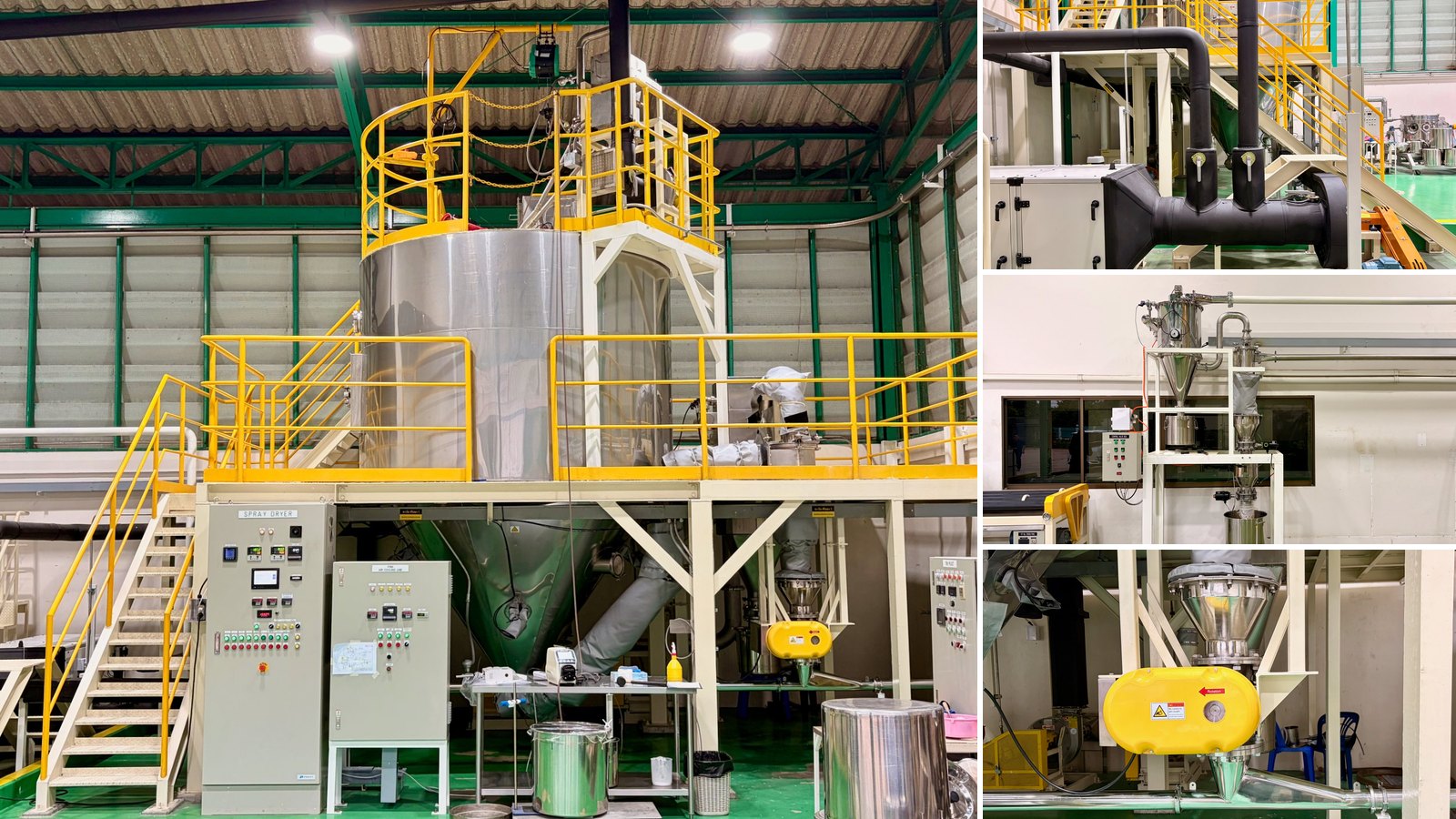
Powder Technical Center
With extensive experience in collagen peptide spray drying, we provide:
- Tailored process design for each raw material and application.
- Three Powder Technical Centers (Japan & ASEAN) for R&D and scale‑up.
- PTC2 (2023) – Japan’s largest analytical and measurement facility.
- Cutting‑edge Freeze Granulation Technology – overcoming the limitations of spray- and freeze‑dried powders.
- One‑stop services – raw material preparation, powder processing, testing, and evaluation.
Conclusion
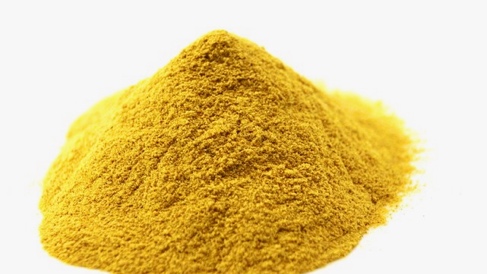
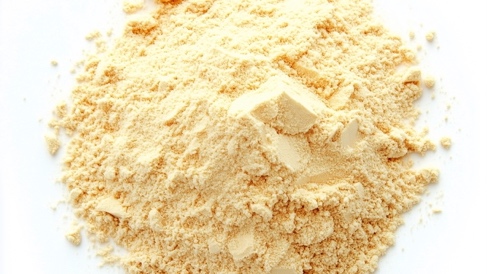
Spray drying transforms liquid flavors and spice extracts into stable, free‑flowing powders with preserved aroma, taste, and quality. Through optimized process conditions and advanced encapsulation techniques, we help manufacturers deliver reliable, high‑value flavor and spice products to global markets.