Background
Amorphous solids have no regular molecular arrangement. They are less stable than crystals but have higher solubility and permeability, so they are used in drug delivery systems to improve bioavailability. The market for nanotechnology‑based drug delivery is projected to grow about 9 % a year.
Spray drying
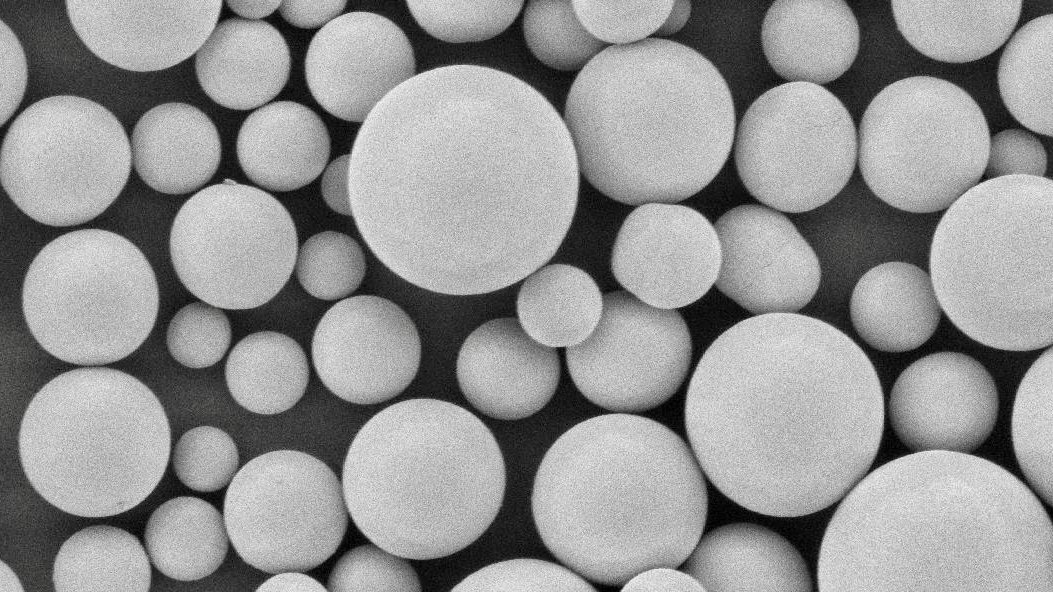
- A solution of the drug and additives is atomized into hot gas and dried to a granulated powder: spherical, free‑flowing, with a sharp size distribution.
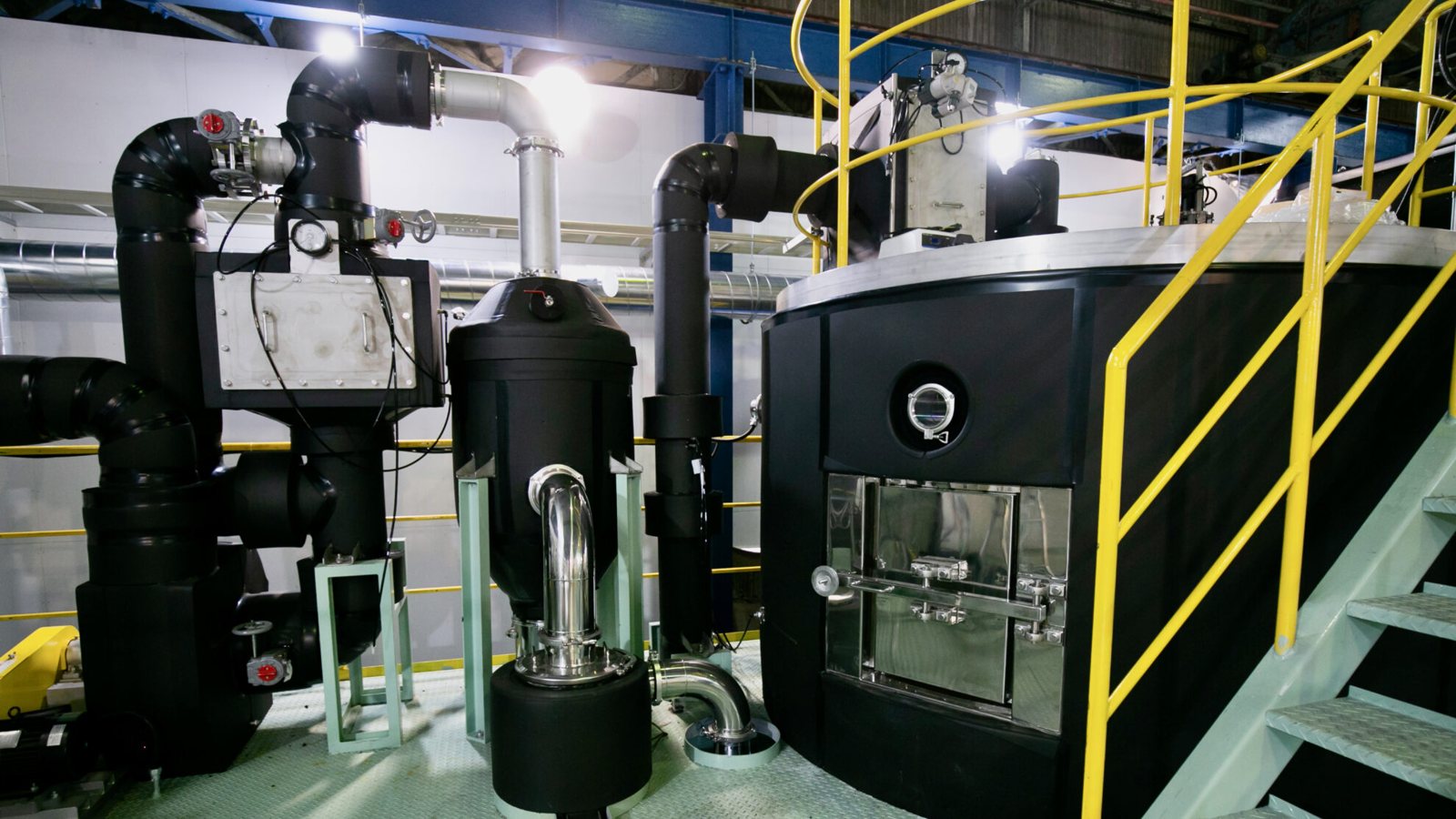
- Closed‑cycle spray dryers handle organic solvents with nitrogen as the process gas.
- Used for solid dispersions with water‑soluble polymers, poorly soluble small molecules and APIs, dry powder inhalers and carriers such as lactose.
- Core amorphous. Low‑molecular counter compounds such as organic salts and amino acids replace the polymer; the choice of counter compound sets absorption and solubility, and spray drying sets particle shape, density, shell and inner structure.
Freeze granulation
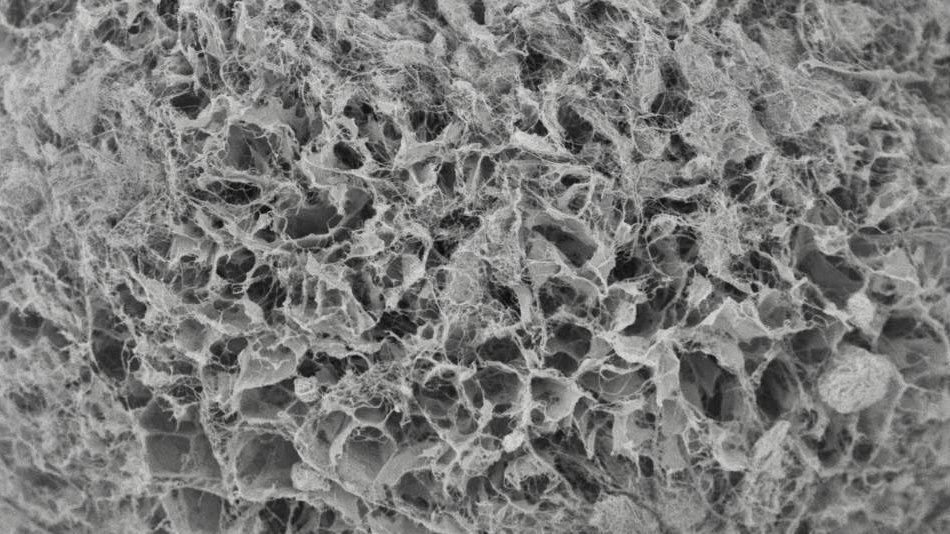
- The liquid is atomized into an ultra‑low‑temperature chamber; the droplets freeze into granules and are then freeze‑dried by sublimation.
- PRECI developed the first production‑scale dry cooling freeze granulation process in 2019.
- Rotary atomizer, two‑fluid, pressure or ultrasonic nozzle.
- A continuous freezing step and a batch freeze‑drying step; several freeze dryers can be connected and switched automatically for semi‑continuous production.
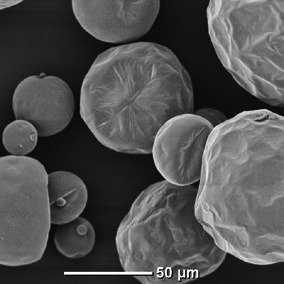
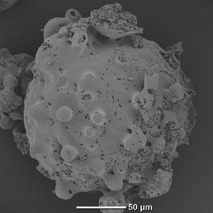
Spray drying against freeze granulation
- Freeze granules are spherical, free‑flowing, low‑density and highly homogeneous, from about 10 to 500 µm, with tap density equal to or higher than spray‑dried powder.
- No hot gas, so heat damage and oxidation are kept low.
- Lactose test (X‑ray diffraction): spray‑dried granules showed crystalline peaks; freeze‑granulated granules were more amorphous. Freeze granulation reached the amorphous state more readily than spray drying.
Trials at PTC ASEAN
PRECI runs these trials at its Powder Technical Centers in Japan. PTC ASEAN, the Powder Technical Center in Chonburi, runs spray drying, spray cooling and freeze granulation trials with the same know‑how, with pre- and post‑processing and powder analysis, and links to the Japan centres for advanced characterisation.