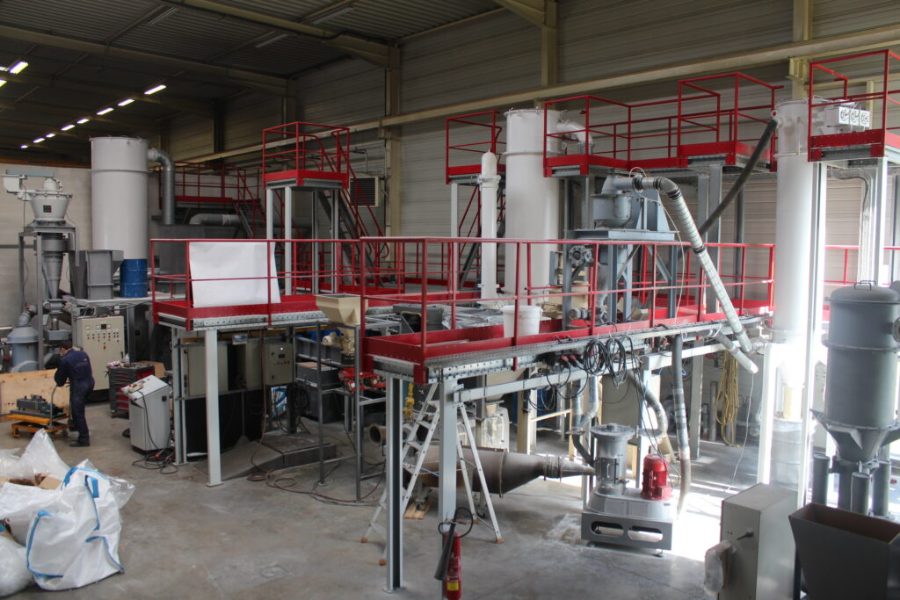
The process line
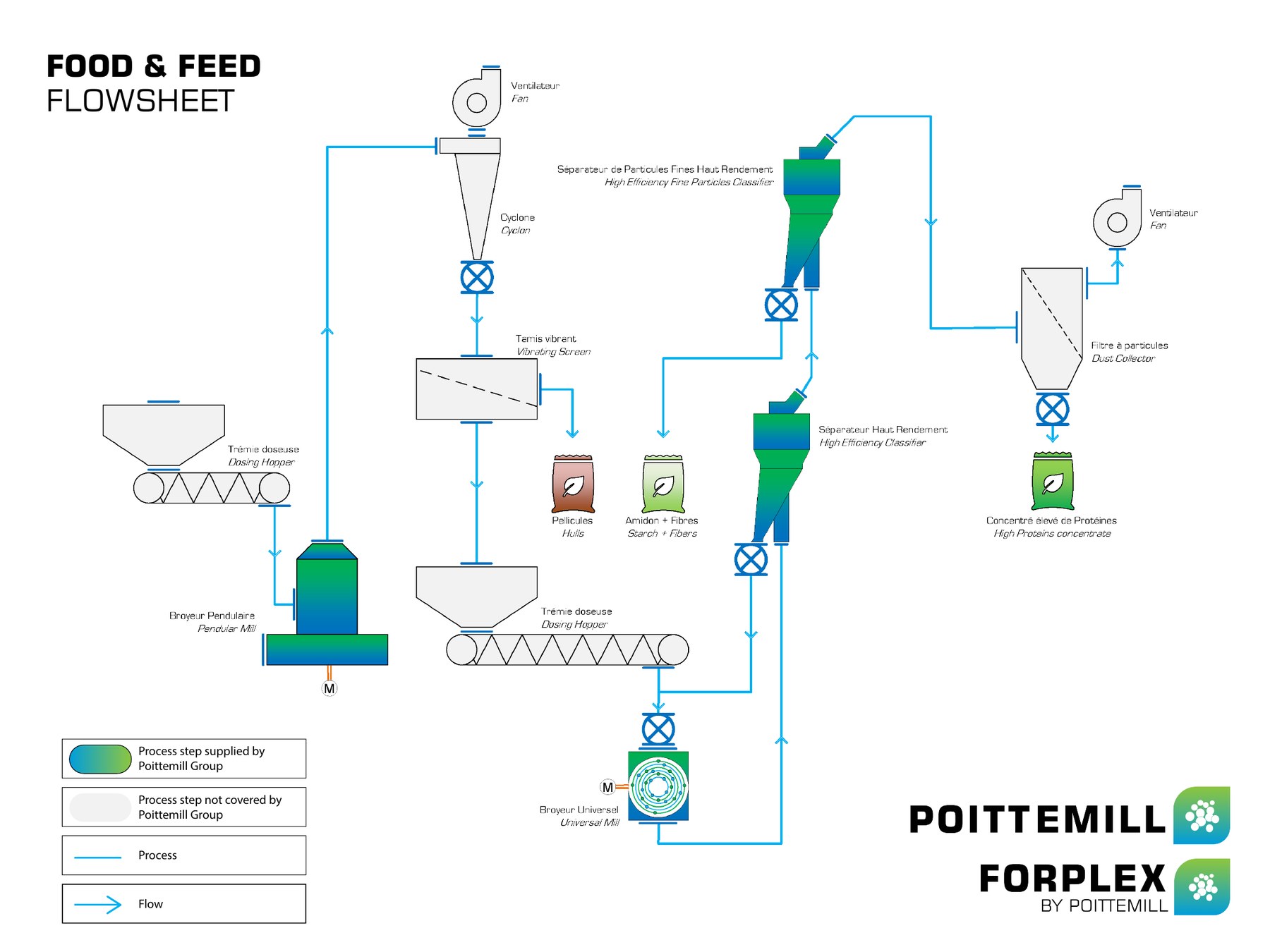
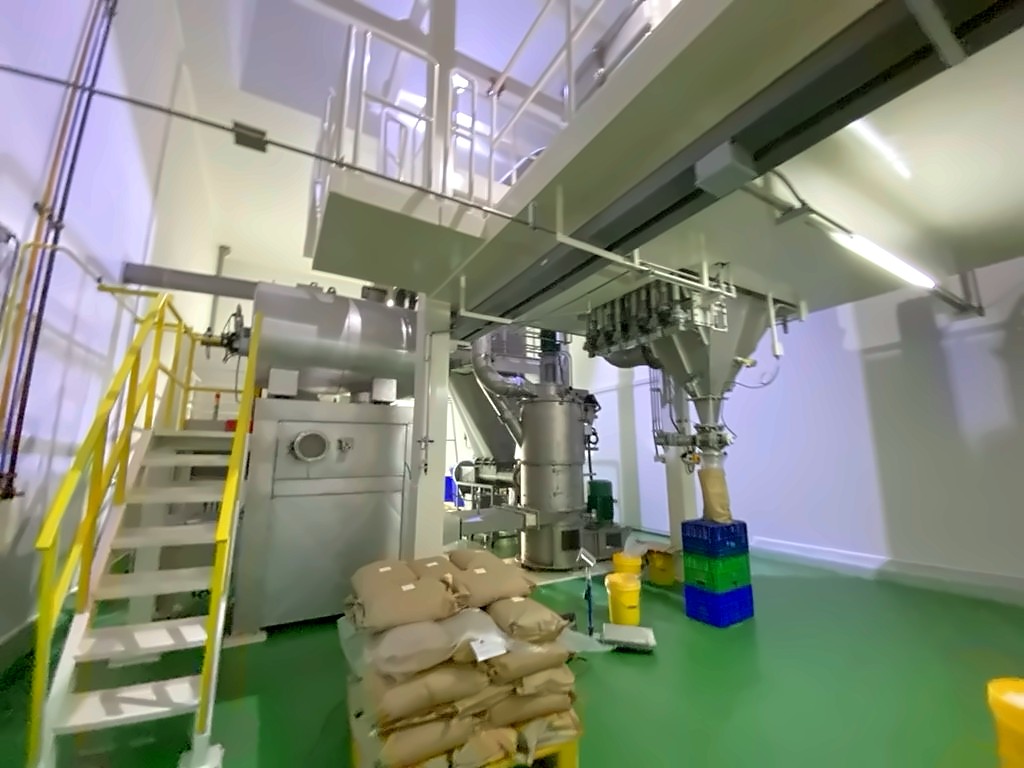
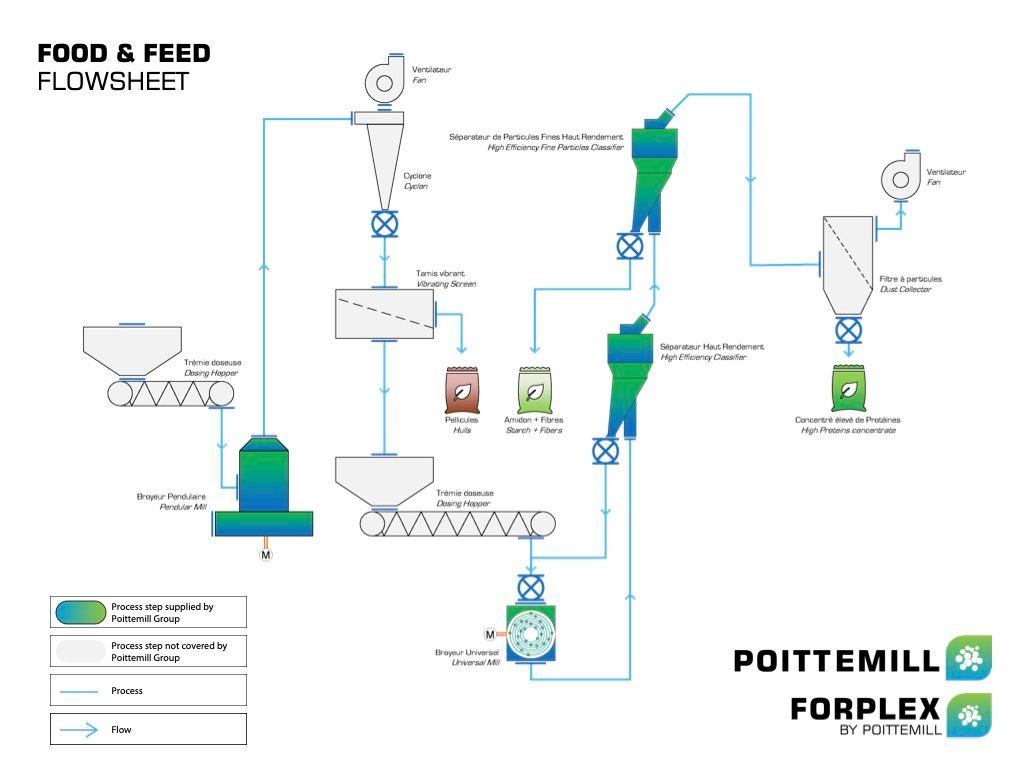
- Dehulling: shells and hulls are removed so only the kernel is milled.
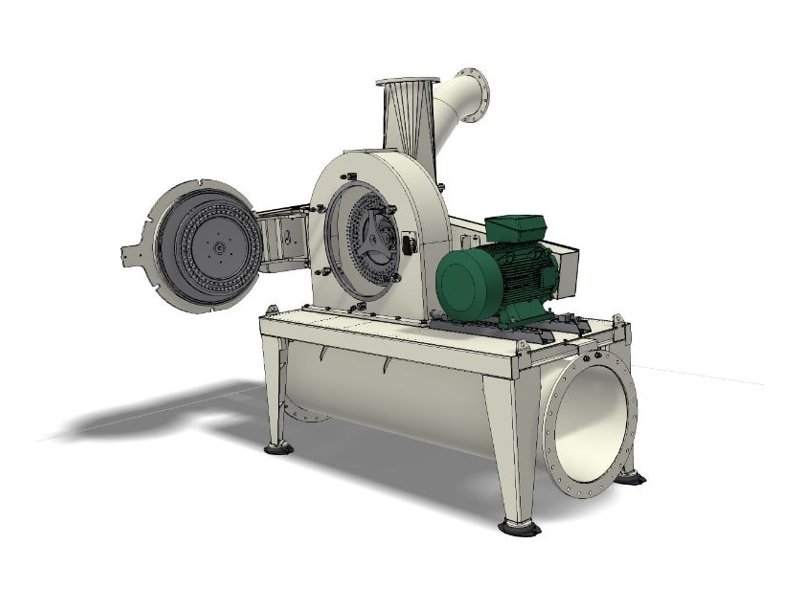
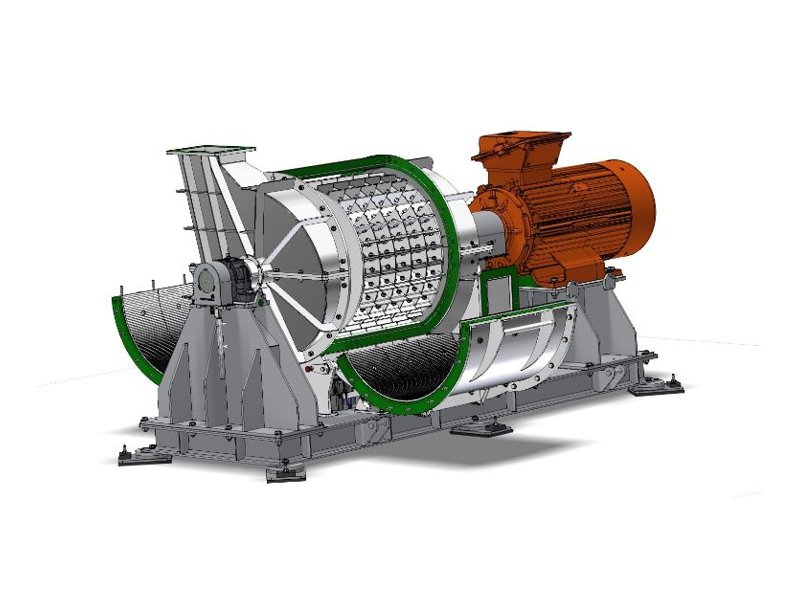
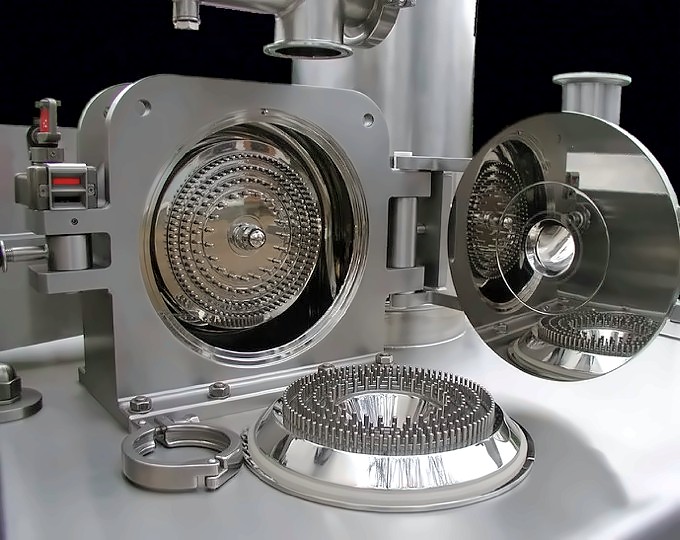
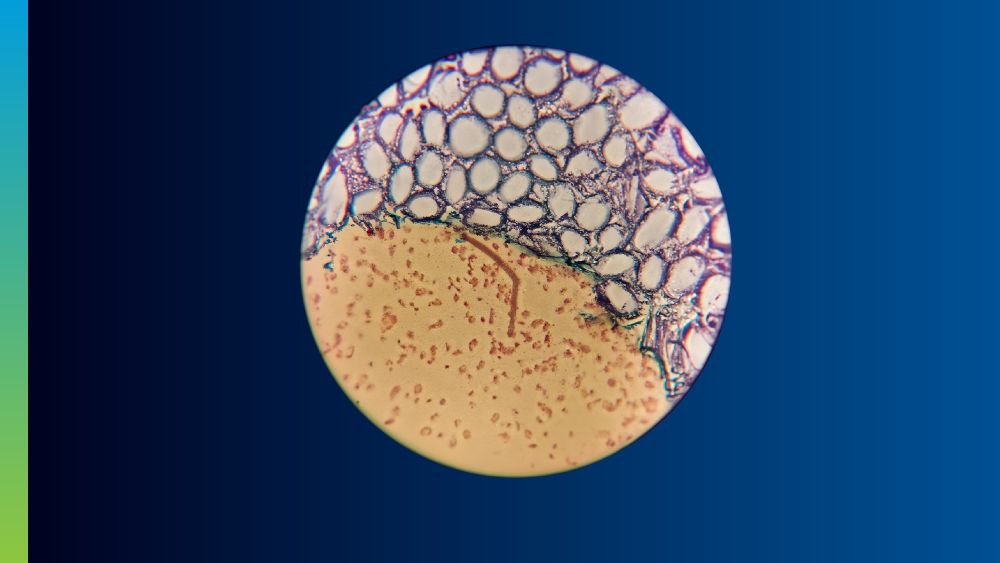
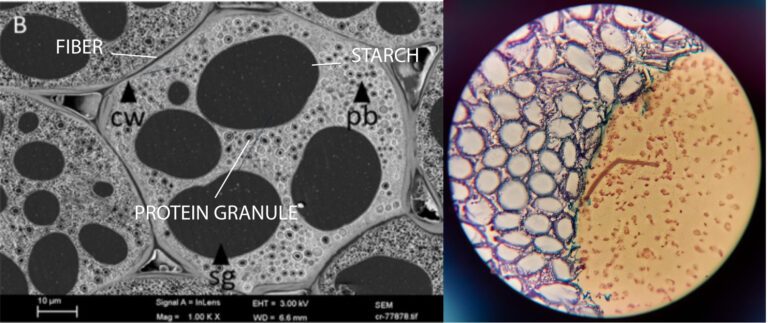
- Grinding: impact, attrition or compression mills break the flour down to the size of its starch granules and protein bodies, chosen for the raw material and project.
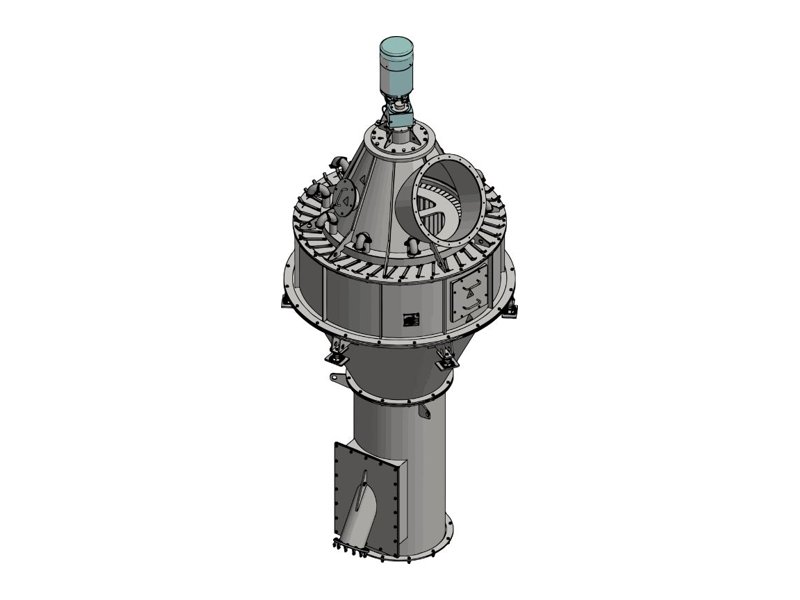
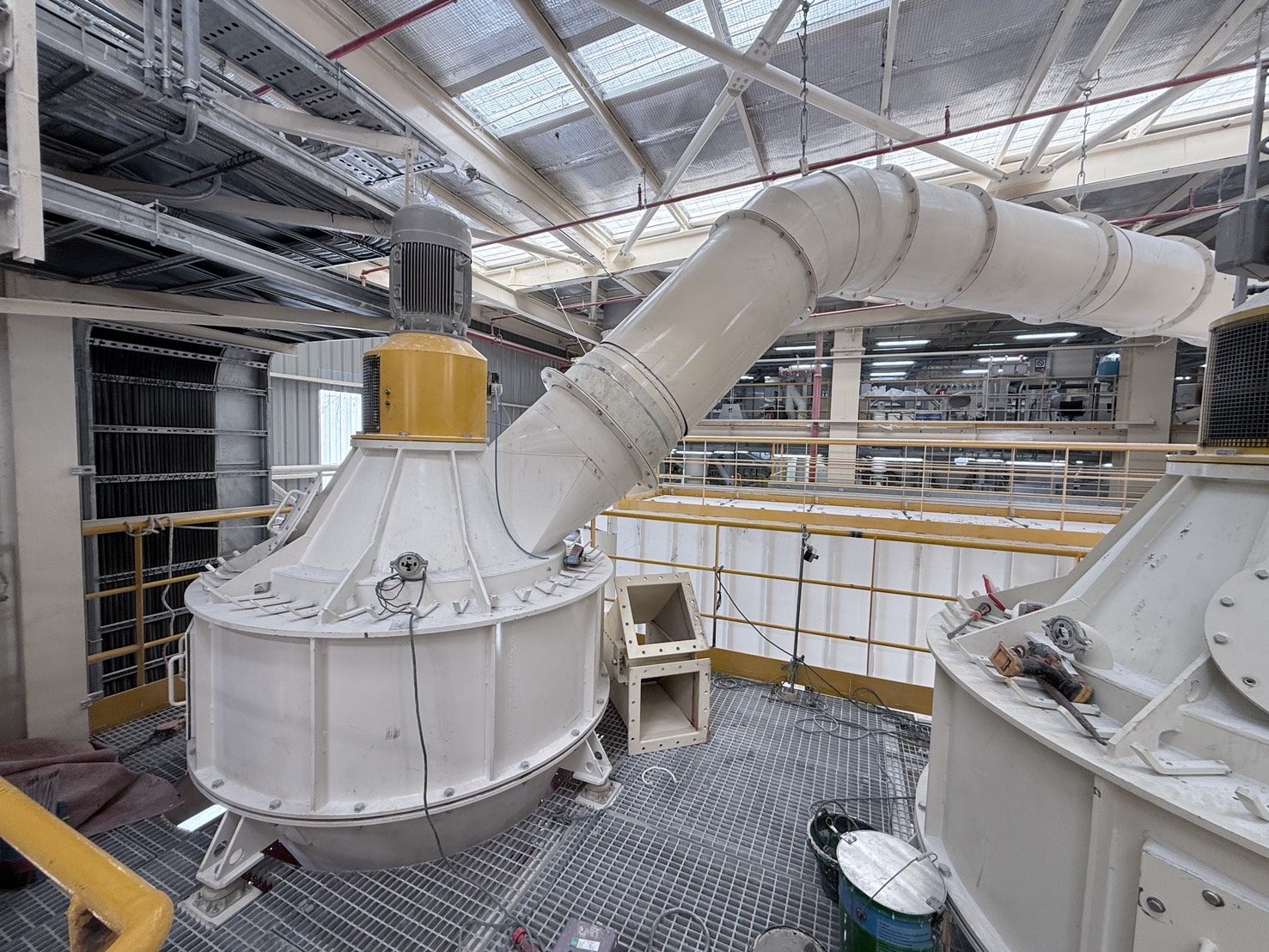
- Classification: the ground flour passes through a high‑efficiency SHRv separator, which splits fine protein bodies from heavier starch granules and fibre cells.
- Further steps if needed: wet extraction, enzymatic hydrolysis or acid precipitation, then purification by filtration, centrifugation or chromatography.
Result
Once the grinding and classifier settings are tuned to the product, the protein‑rich fraction exceeds 70% protein and represents 25 to 30% of the starting material. Grinding that keeps the product pure and a sharp classifier cut give a higher protein yield.
The concentrate can also be blended into an existing powder to raise its protein content.
Raw materials
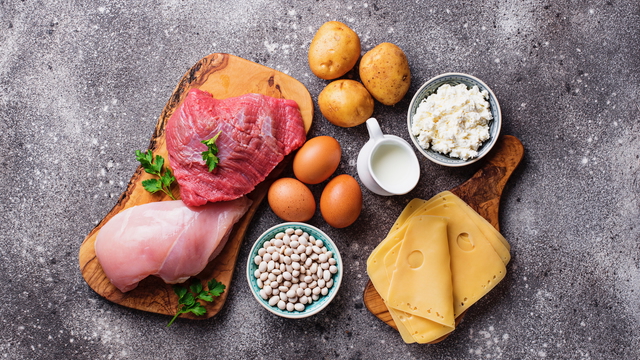
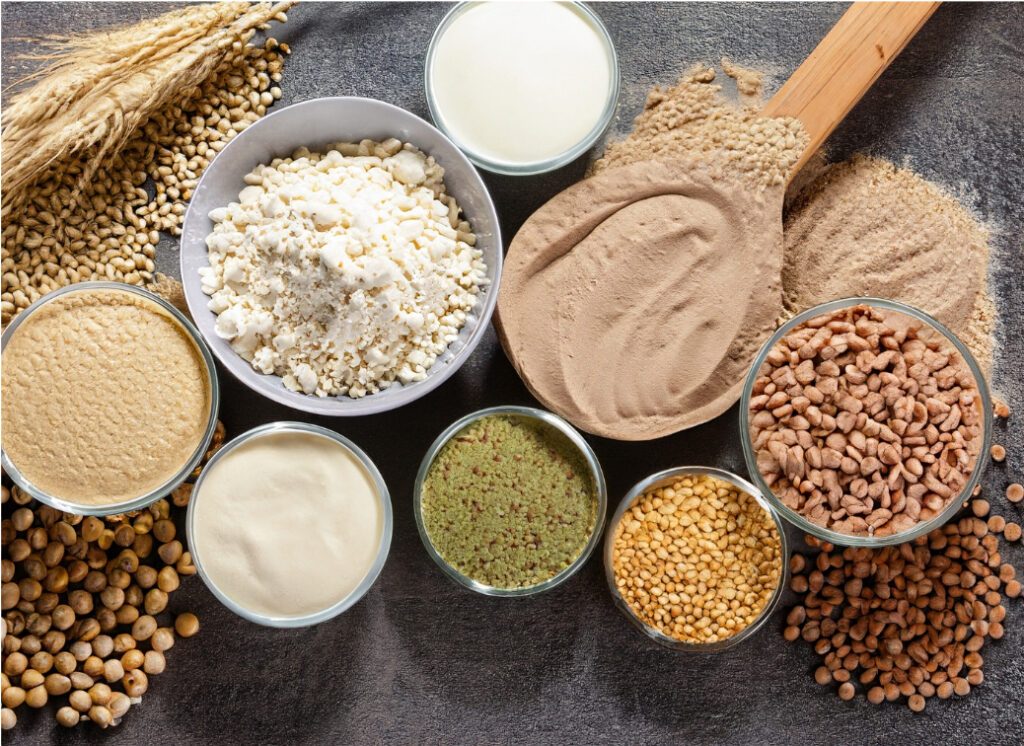
- Pulses: soybean, pea, faba bean, mung bean, chickpea, lentil and lupine.
- Cereals: wheat, oat, rice and corn.
- Oilseeds and others: hemp and other seeds that can be milled into flour.
- Co‑products: hulls, fibre and starch fractions, recovered for other uses. See By‑product valorization.
Trials with your material
Small grinding and classification trials run at PTC ASEAN in Chonburi on a POITTEMILL FNG laboratory mill. Larger or specialised trials run at the POITTEMILL test centre in Béthune, France, at pilot and full scale, to set machine, parameters and process before you invest.