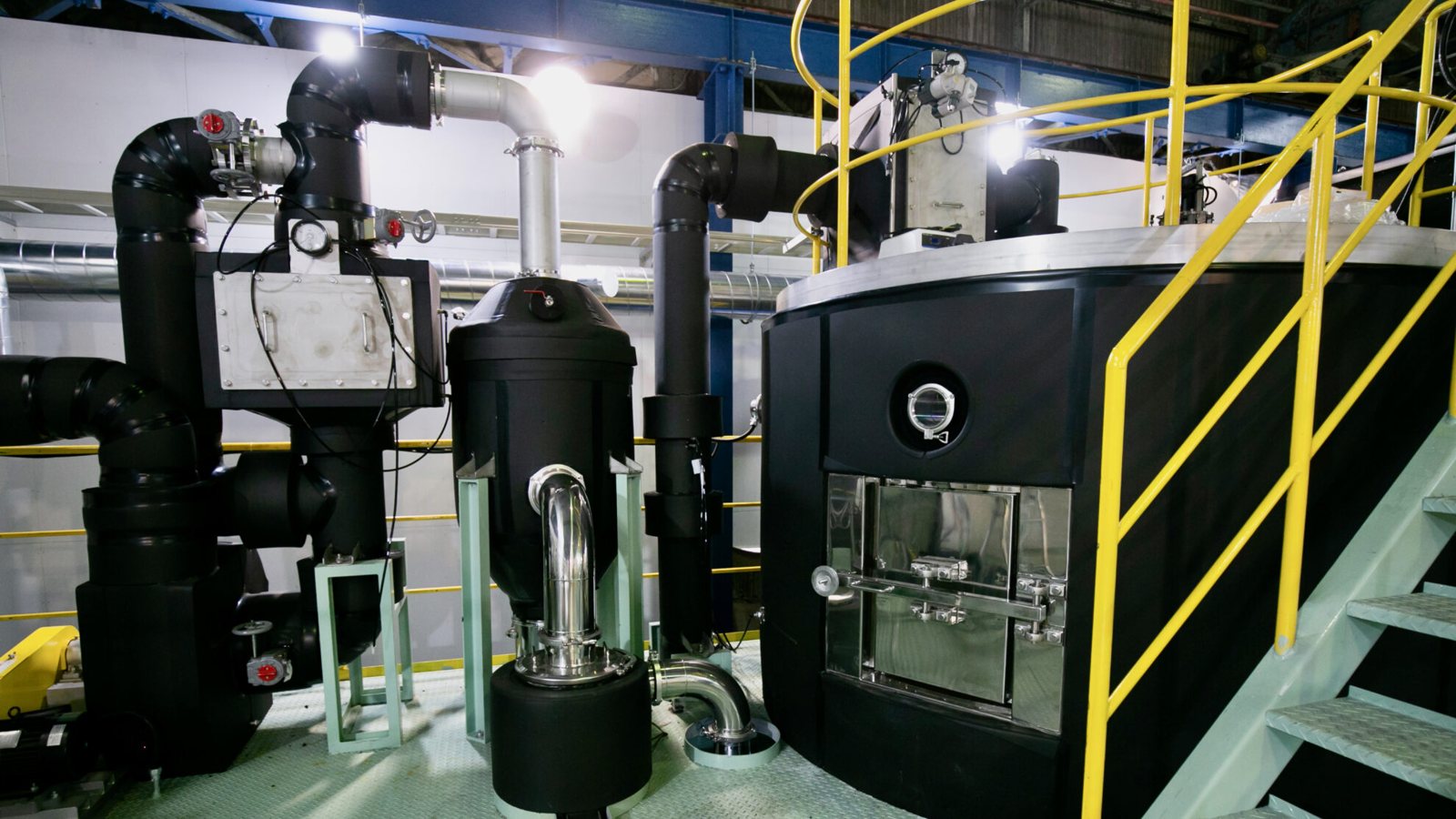
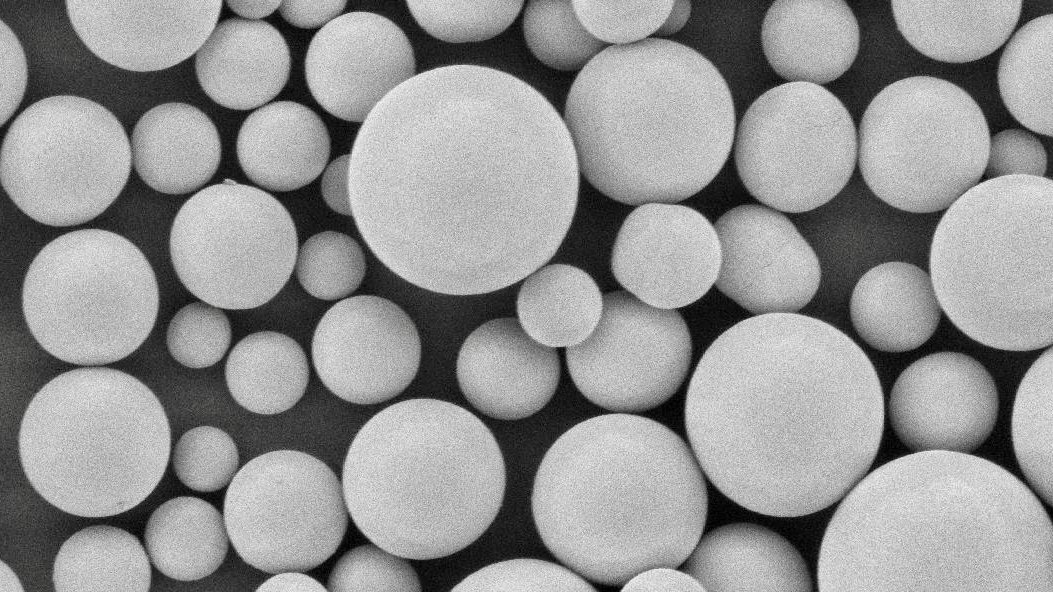
Homogeneous, no segregation
Freezing in a freezer takes hours, and ingredients segregate, or settle in a suspension. Atomized droplets freeze instantly, so the structure is fixed without segregation, and sublimation keeps it.


Home / Technology / PRECI / Freeze granulation
PRECI, Japan
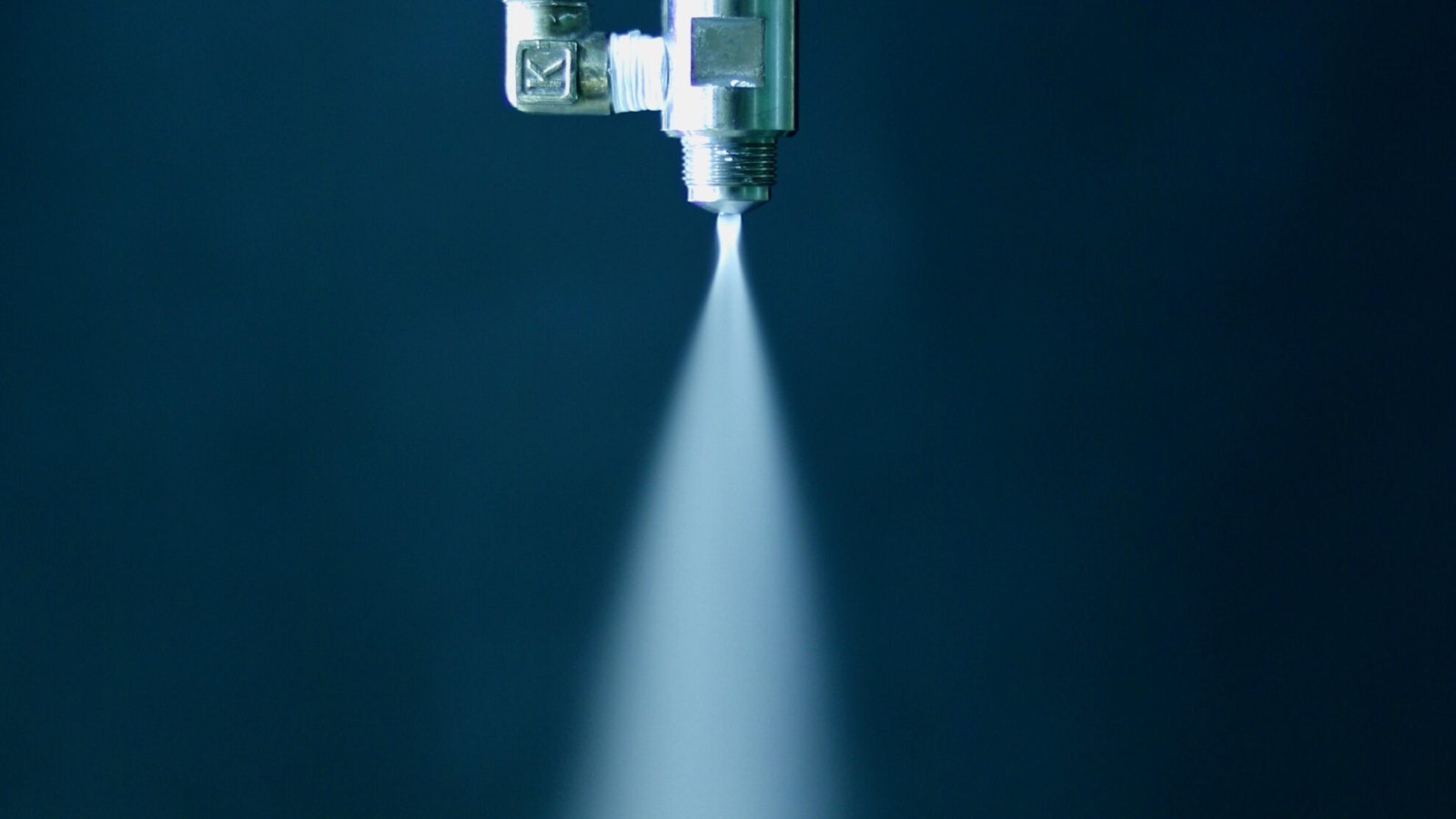
A liquid is atomized into an ultra‑low‑temperature gas stream, the droplets freeze instantly, and the frozen granules are freeze‑dried. Also called spray freeze drying or spray freeze granulation drying.
Freeze granulation
Freeze granulation is a two‑step process. In the freezing step, solutions, gels, suspensions, slurries or emulsions are atomized and rapidly cooled to frozen granules. In the drying step, the ice is removed by sublimation. Freezing is continuous; freeze‑drying is batchwise, and several freeze dryers can be connected to one freeze granulator to run semi‑continuously.
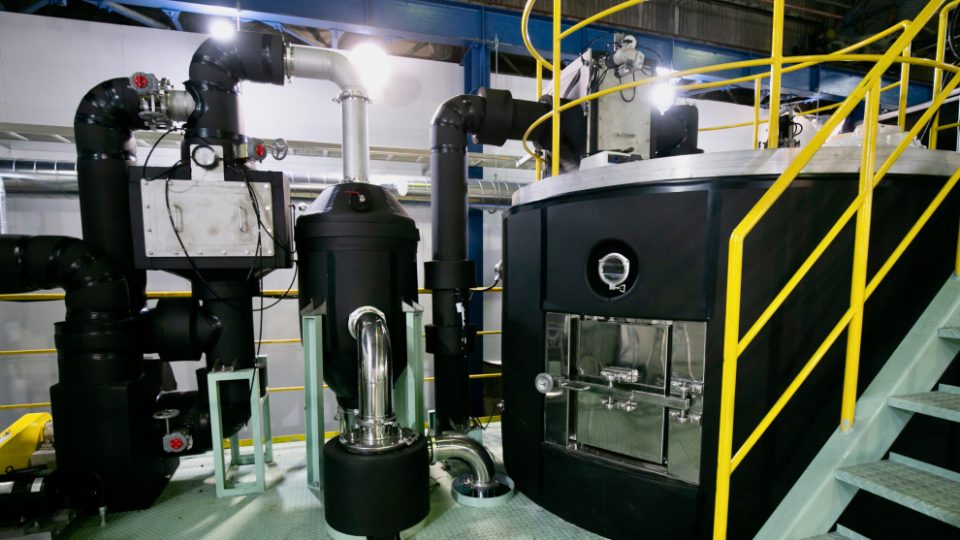
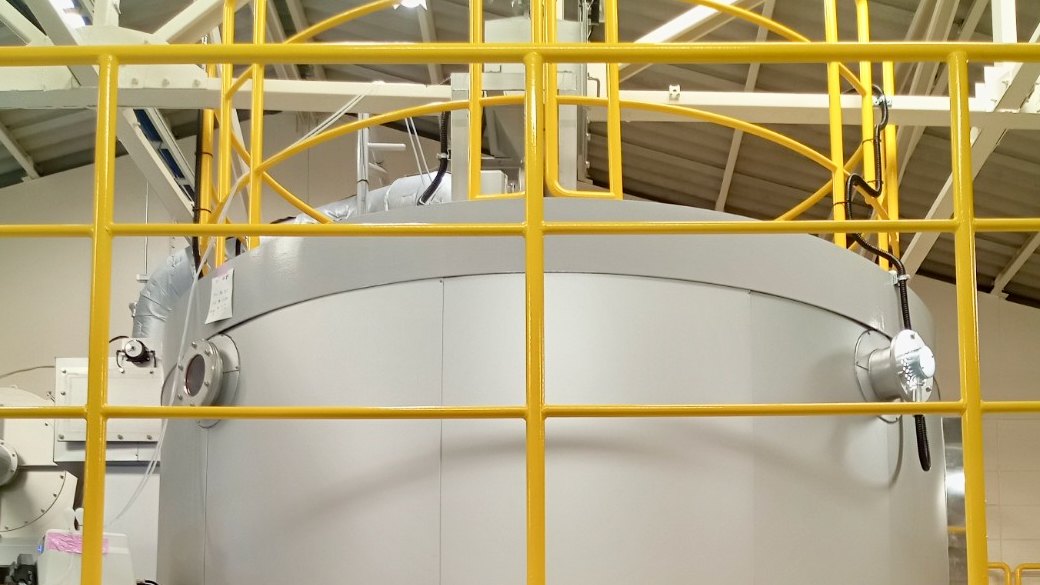
There are three ways to cool: wet cooling, spraying directly into liquid nitrogen; dry cooling with evaporated nitrogen gas; and PRECI's dry cooling with its own high‑efficiency cooling system, which uses no liquid nitrogen. The liquid‑nitrogen‑free process is now the main one, with advantages in safety, environment, installation and operating cost.
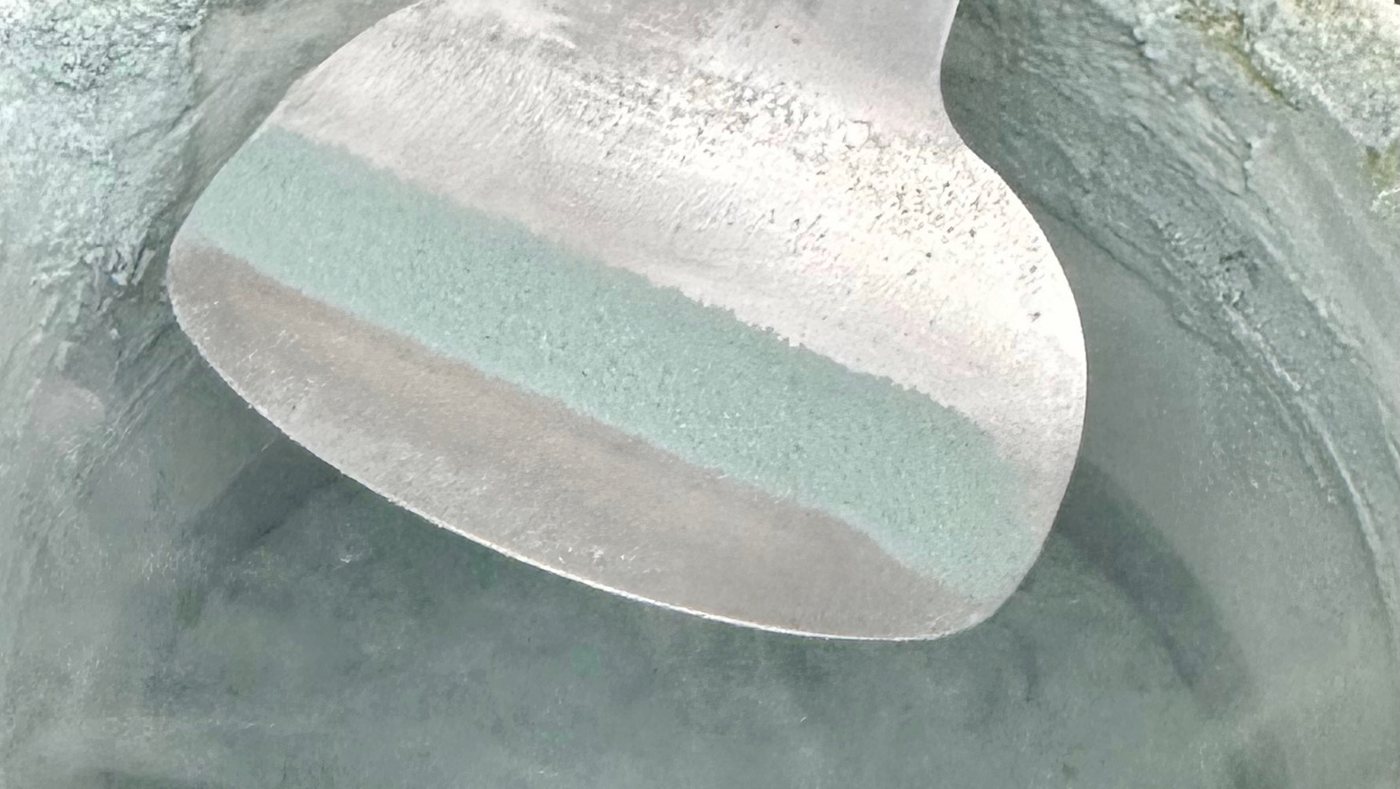
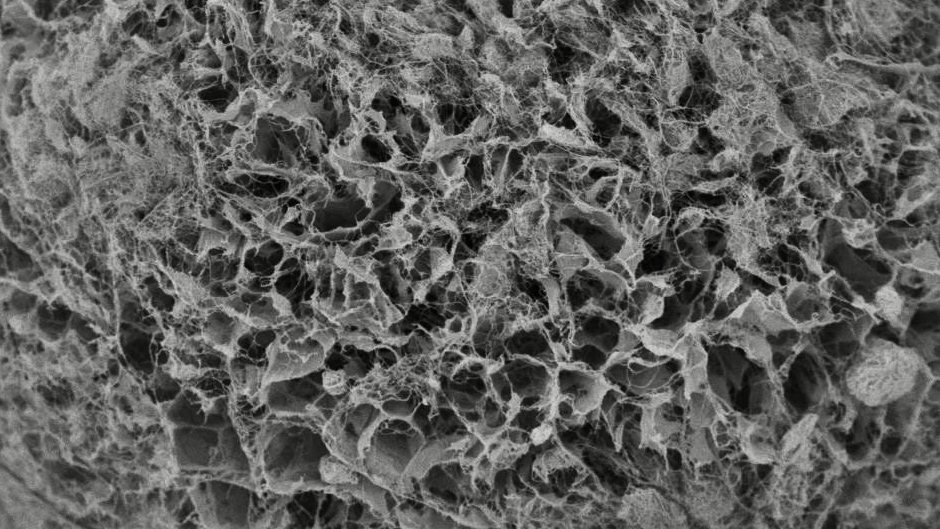
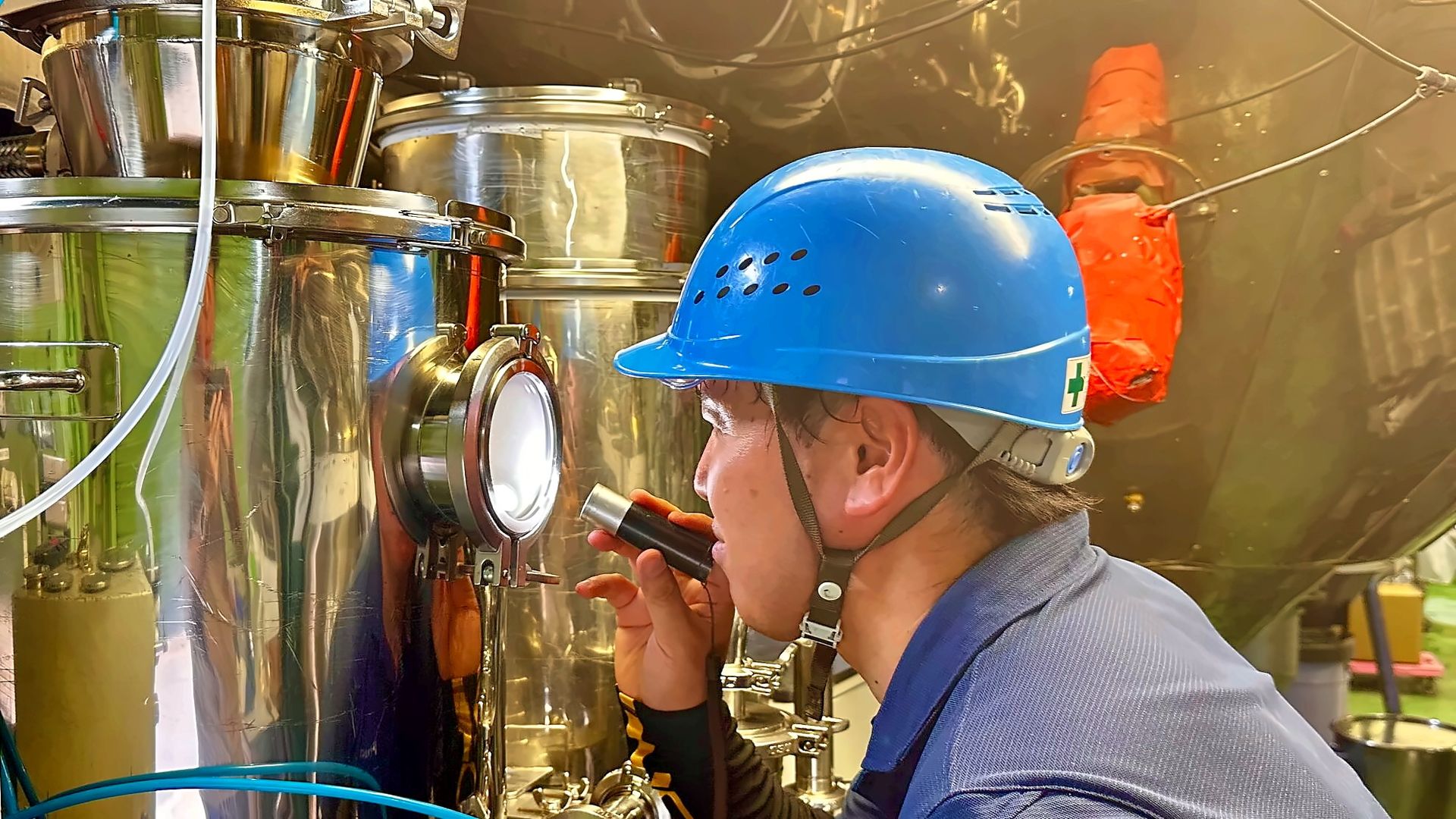
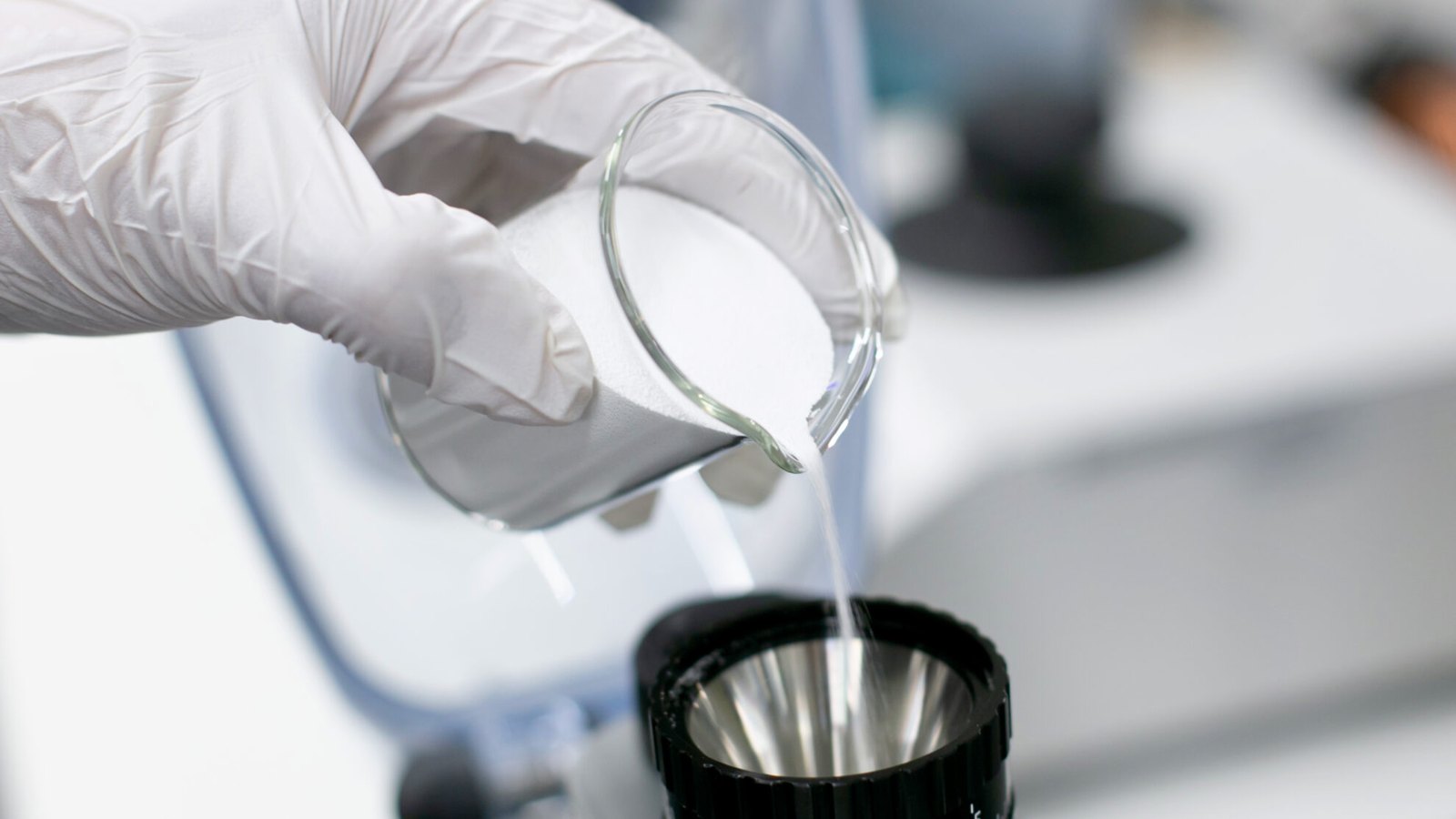
Images: PRECI
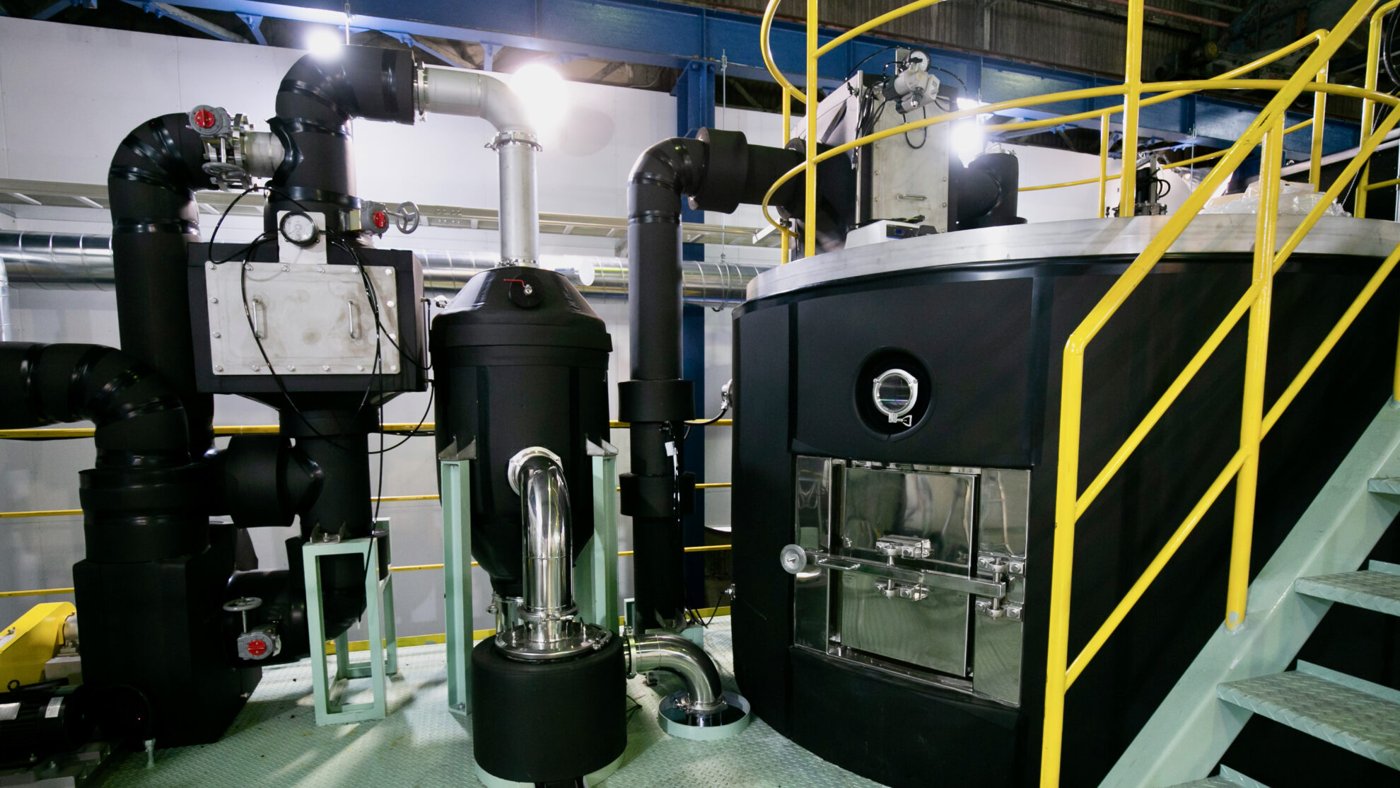
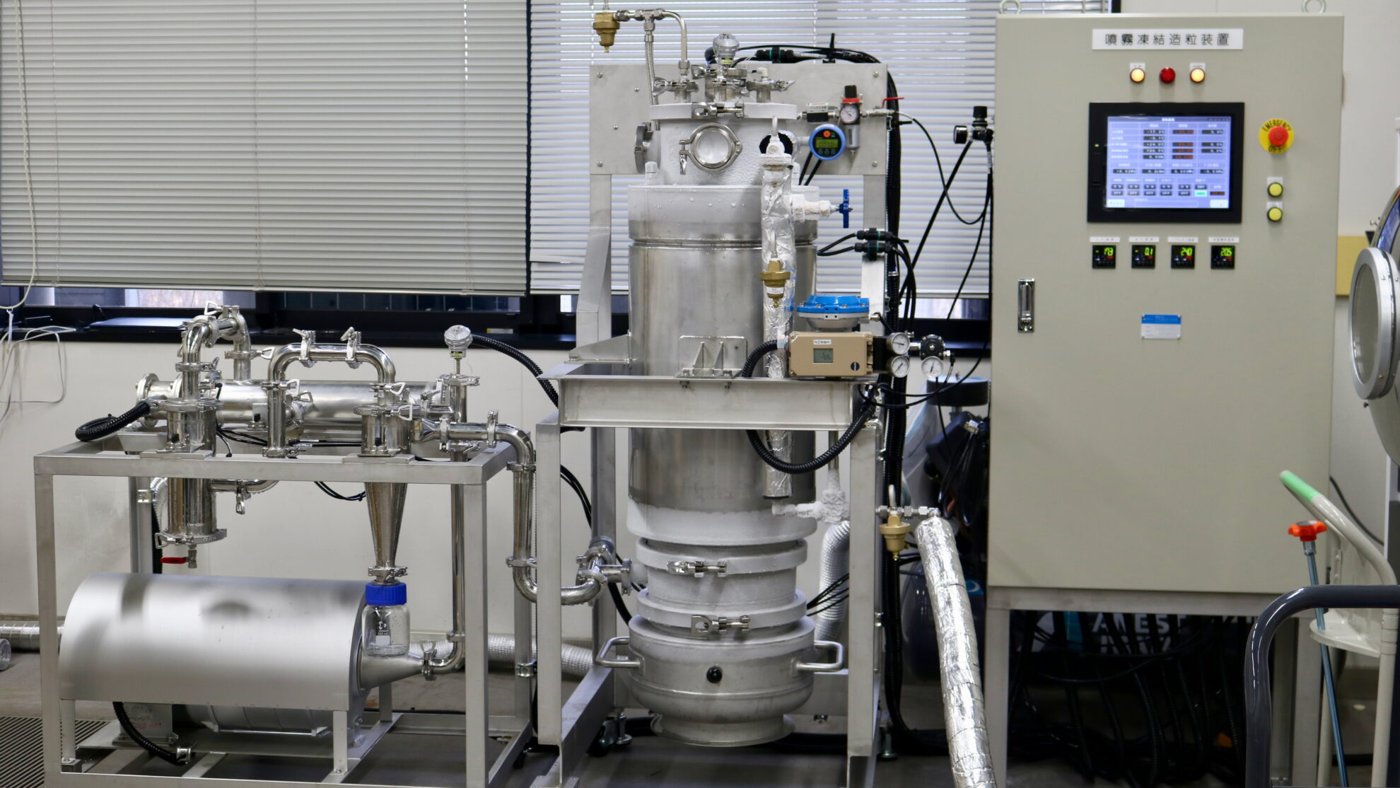
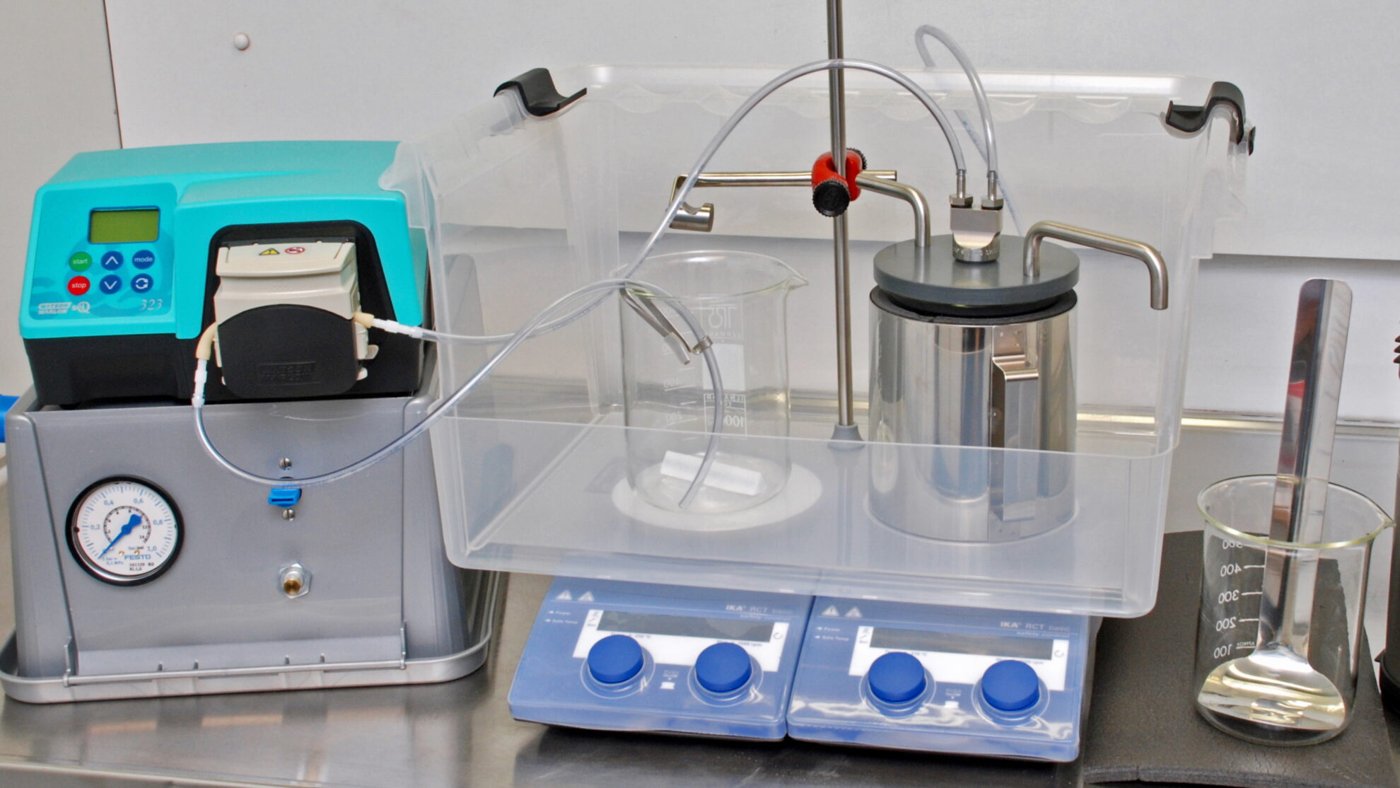
Images: PRECI
Freeze granulation and spray drying
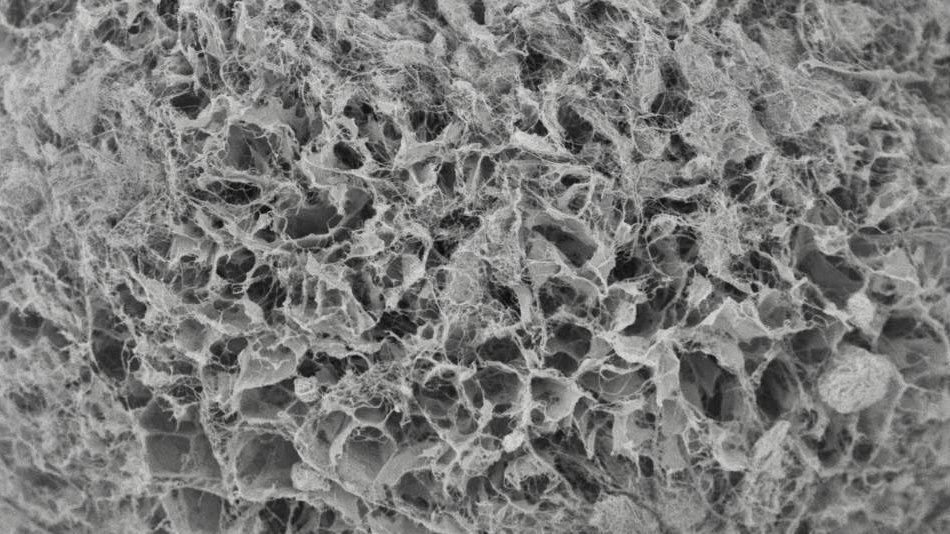
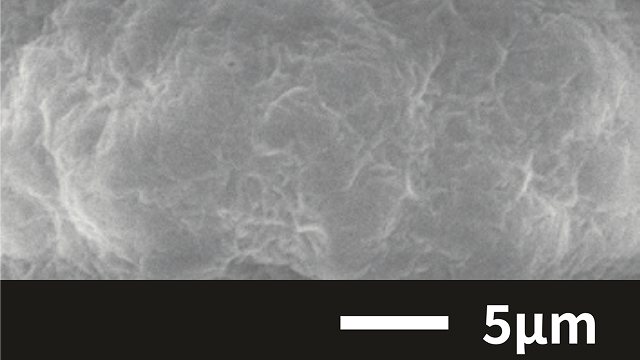
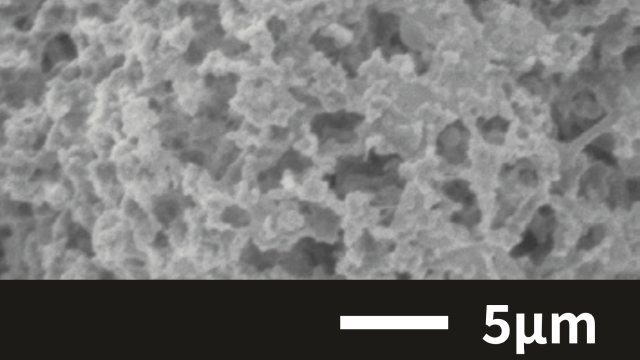
In spray drying, moisture evaporates from the droplet surface while inner moisture moves outward, carrying solids with it, so granules are denser outside and can become hollow. Freeze granulation fixes the droplet structure by freezing it, and sublimation moves almost no material. Granules are porous but structured, with no difference between inside and outside.
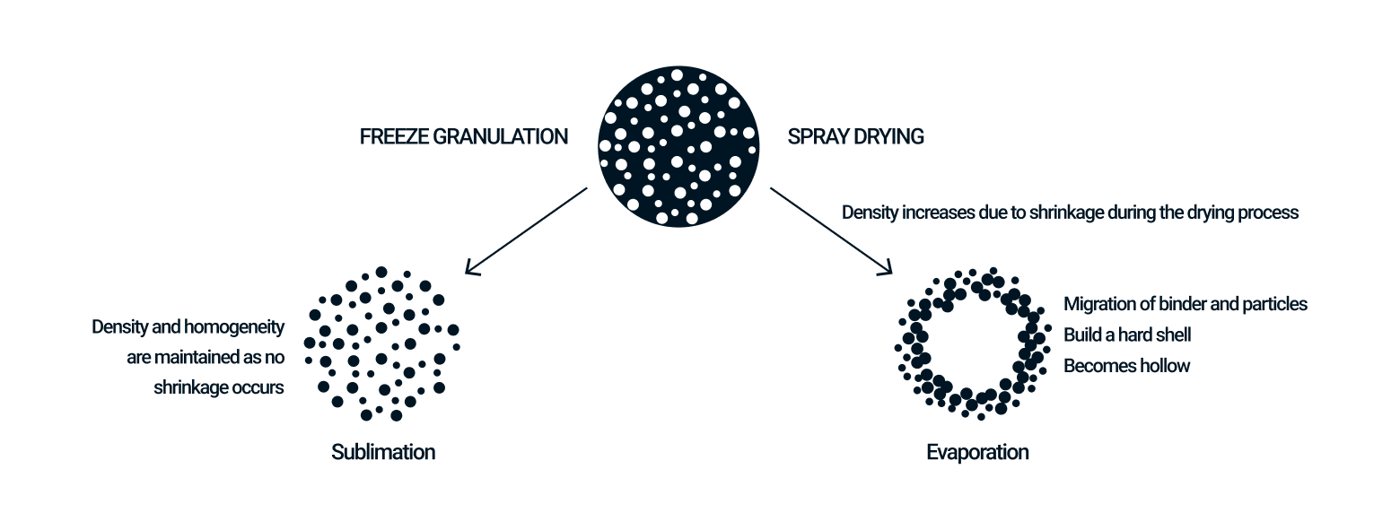
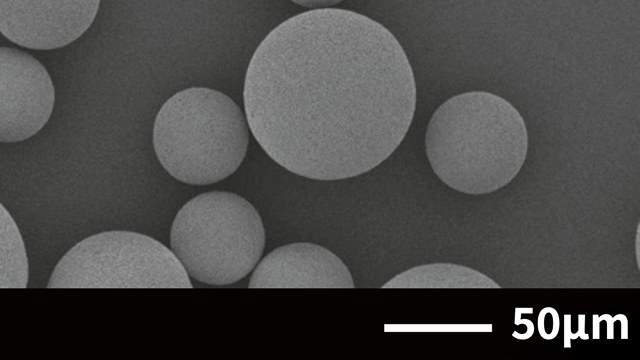
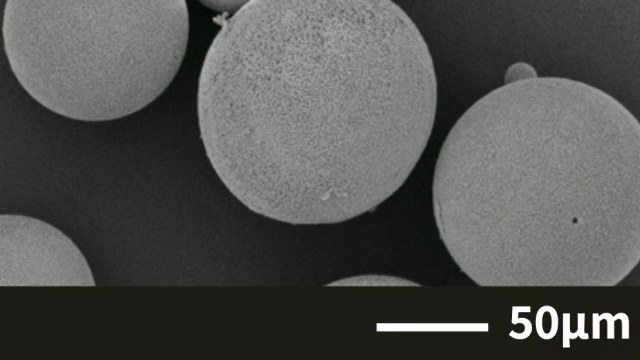
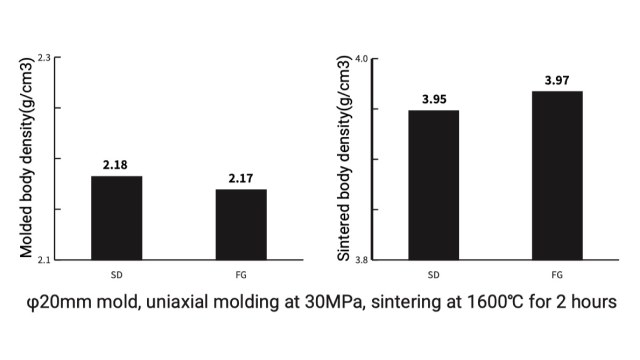
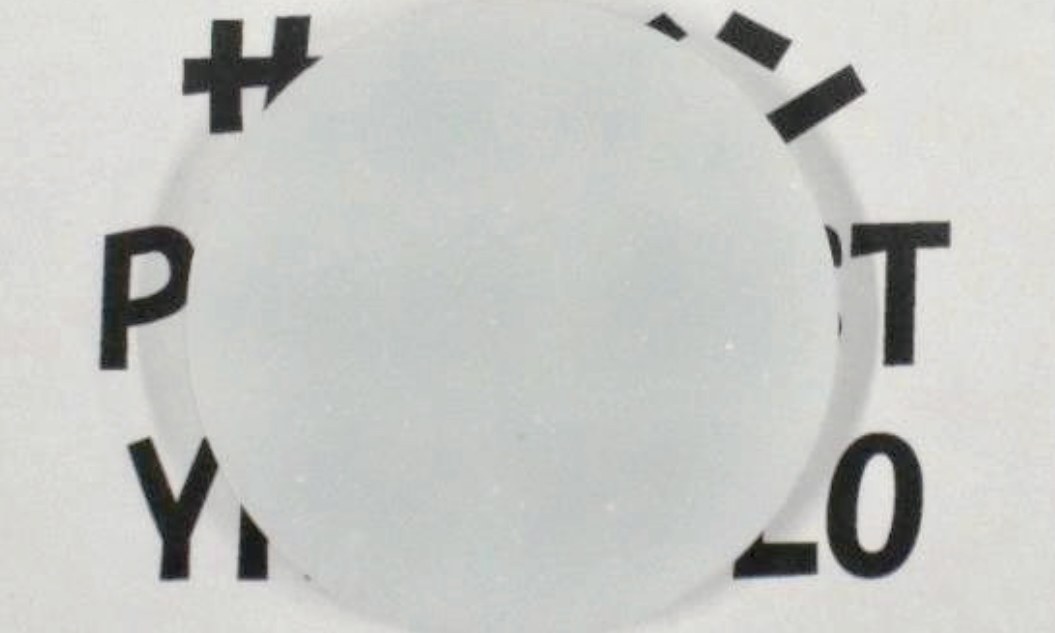
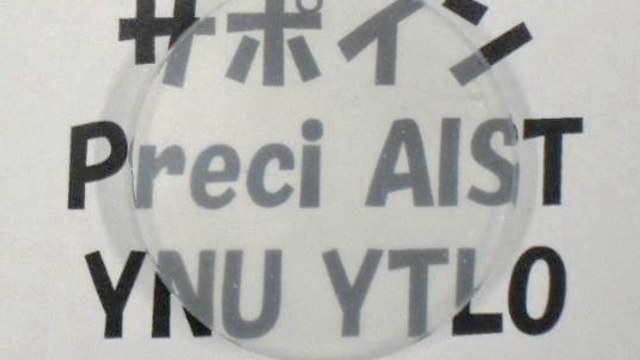
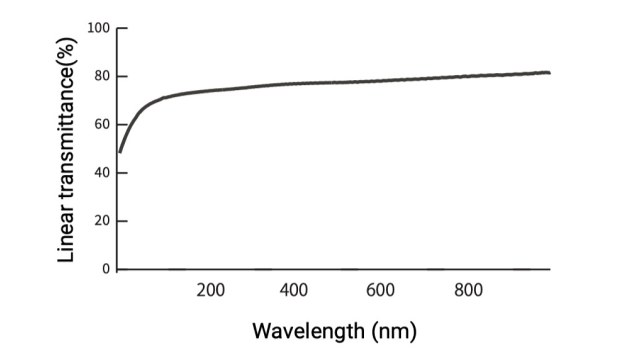
Data and images: PRECI
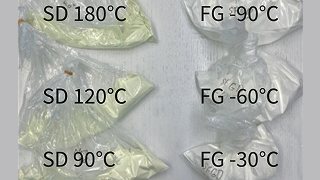
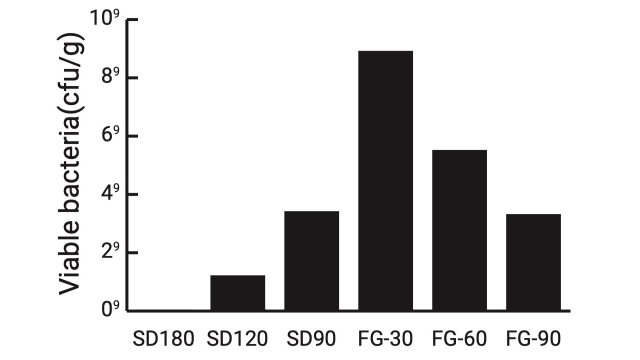
Low‑temperature drying. Spray drying keeps the product cool by evaporation, but the material still meets gas above room temperature. Freeze granulation gives dry powder without heat above room temperature, for materials that are extremely sensitive to heat, such as viable bacteria.
Freeze granulation and ground freeze‑dried product
The usual alternative is to freeze a product in a freezer, freeze‑dry it and grind it, as in instant coffee.
Applications
A new production process, so reference cases are still few. Products made by spray drying today may gain quality by freeze granulation, without heat and with low‑density, homogeneous granules.
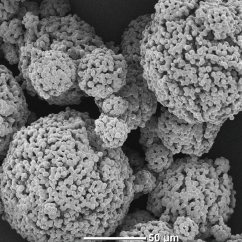
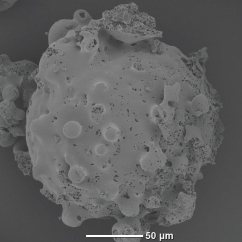
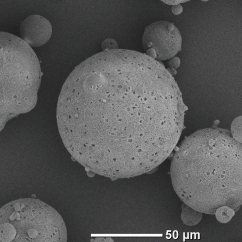
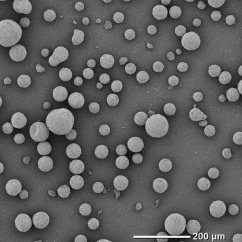
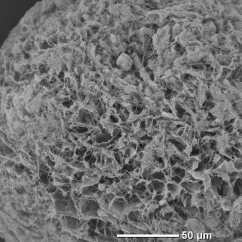
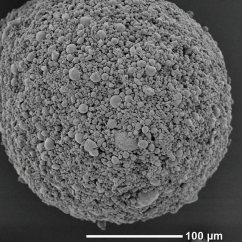
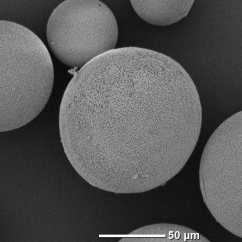
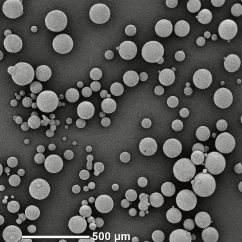
Scanning electron microscope. Images: PRECI
Process overview
Freezing is continuous; freeze‑drying is batchwise. Several freeze dryers on one granulator give semi‑continuous production.
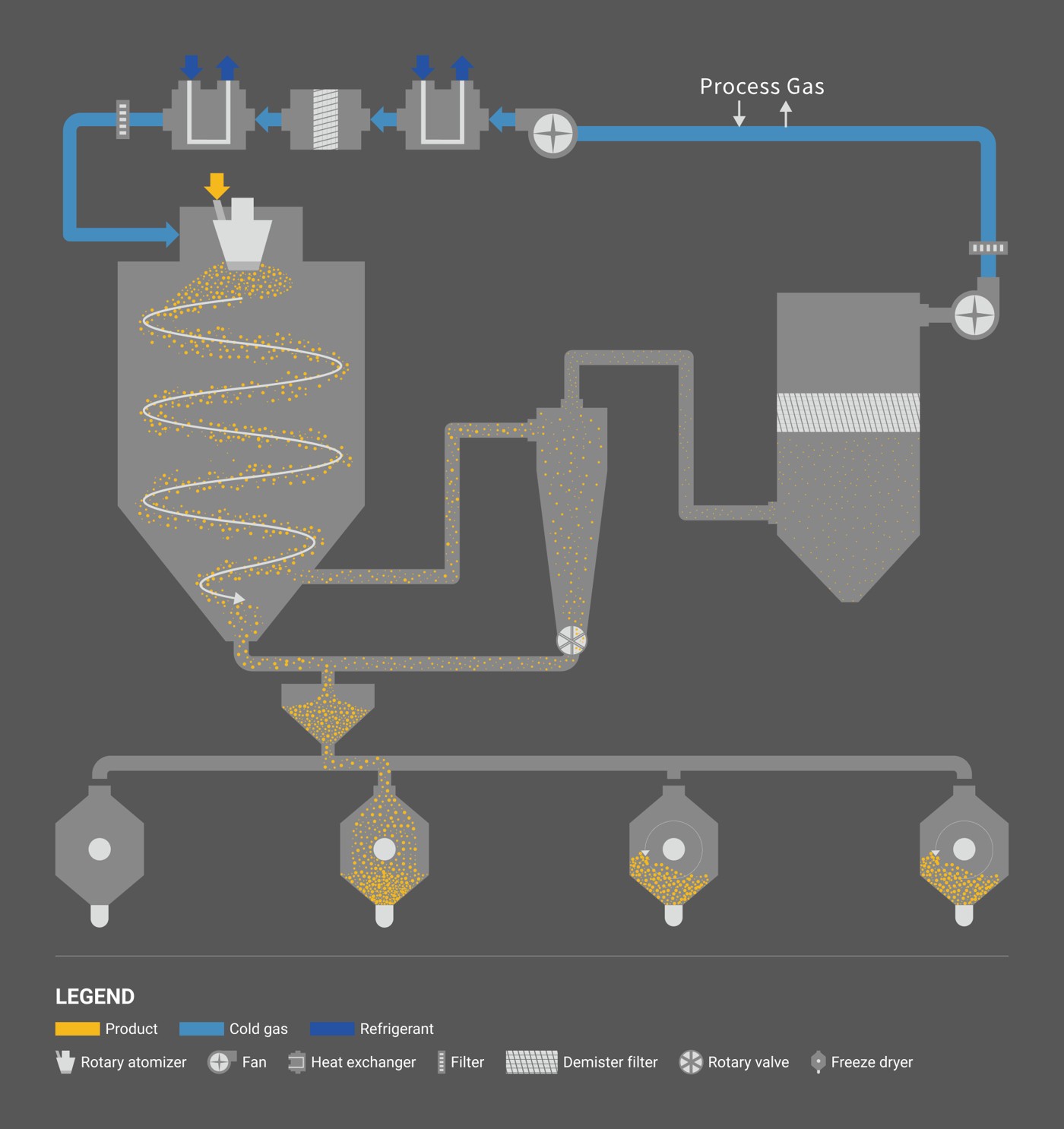
The liquid (yellow arrow) is fed to the rotary atomizer at the top of the freezing chamber. A solution, gel, suspension, slurry or emulsion can be used. Droplet size and shape set the final granule, so the atomizer and its conditions are chosen first.Liquid atomization →
Cold process gas (light blue) enters the chamber and carries the droplets down in a spiral. They freeze in seconds and their structure is fixed. The gas is cooled by refrigerant heat exchangers (dark blue), cleaned by a filter and demister filter, and returned by the fans in a closed cycle, with no liquid nitrogen. CS30 instead uses evaporated nitrogen gas, and the LS‑6 laboratory unit sprays directly into liquid nitrogen.
Frozen granules leave the bottom of the chamber; the fine fraction carried by the gas is caught in the cyclone and returned through the rotary valve. Both join in a cold hopper, still frozen.
The hopper fills the freeze dryers in turn. In each dryer the ice is removed by sublimation under vacuum, with almost no movement or shrinkage, so the granules keep their size and structure. While one dryer runs, the next is filled.
Questions and answers
Not with PRECI's CS220. It cools with PRECI's own high‑efficiency dry cooling system in a closed cycle, which lowers operating cost and removes the handling of liquid nitrogen.
Freezing is continuous. Freeze‑drying is batchwise, but several freeze dryers connected to one freeze granulator and switched automatically give semi‑continuous production.
Both start by atomizing a liquid into droplets. In spray drying the droplets meet hot gas and the water evaporates; as it leaves, dissolved and fine solids move to the droplet surface, so the particle can form a dense shell or a hollow core, and heat‑sensitive components are exposed to the drying temperature. In freeze granulation the droplets are frozen in seconds, which fixes their internal structure, and the ice is then removed by sublimation under vacuum. The result is a porous, low‑density granule with the same composition throughout, made without heat. Spray drying is a single continuous step and costs less per kilogram; freeze granulation adds a batch freeze‑drying step and is chosen where the product cannot take heat, or where low‑density, homogeneous granules improve it: faster dissolution in food and pharmaceuticals, or better pressing and sintering in fine ceramics and powder metallurgy.
Yes. Spray freeze drying and spray freeze granulation drying describe the same process: atomizing a liquid into a very cold gas, then freeze‑drying the frozen granules.
Solutions, gels, suspensions, slurries and emulsions. The liquid must be atomizable, so viscosity and solids content are checked in a trial first.
Typically about 10 to 700 µm (D50), with a sharp size distribution. The atomization system and its conditions set the droplet size, and the granule keeps that size because it does not shrink during freeze‑drying.
Grinding a freeze‑dried block gives irregular particles with a wide size range, and components can separate. Freeze granulation gives spherical, free‑flowing granules in which every granule has the same composition.
Yes. LS‑6 is used in the laboratory, CS30 for pilot and small production, and CS220, liquid‑nitrogen‑free in a closed cycle, scales up for mass production. Several freeze dryers on one granulator raise capacity.
Equipment
CS220, CS30 and LS‑6 freeze granulators, with RHEOFREED, TFD‑10 and laboratory freeze dryers.
Related
Trials
A freeze granulation trial shows the granule structure and density your material can reach. Our engineers arrange the trial with PRECI.
Trial and plant results from PTC ASEAN and PRECI.

PRECI Co., Ltd., Japan
Powder processing technology. TSK is PRECI's exclusive partner in Thailand.
+66 81 978 8389 · contact@tskengineering.co.th