

Home / Technology / PRECI / Cleaning systems
PRECI, Japan
Cleaning systems, CIP and COP
Cleaning decides product quality and safety in food and pharmaceutical plants. Spray dryers, spray coolers and freeze granulators, and the tanks and fermenters around them, are designed for it from the start.
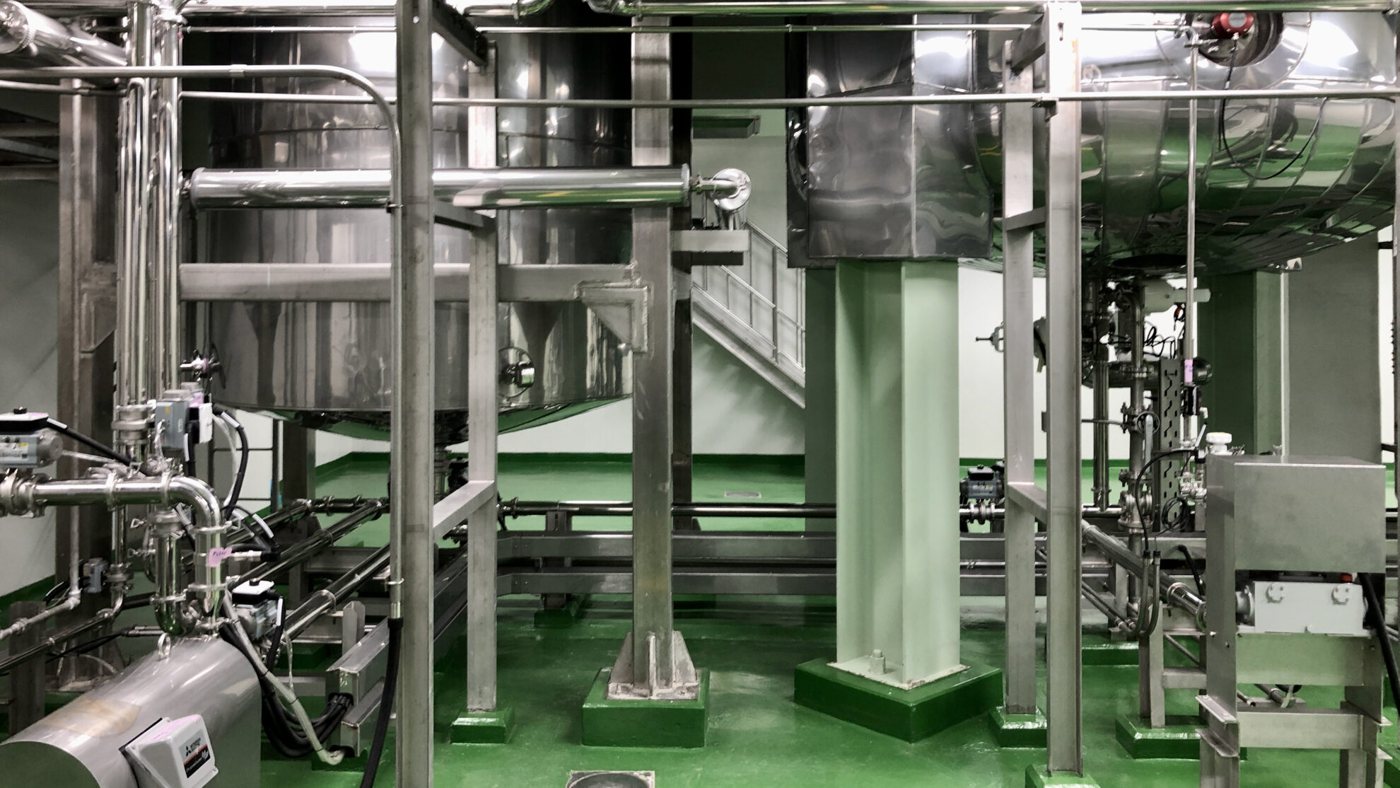
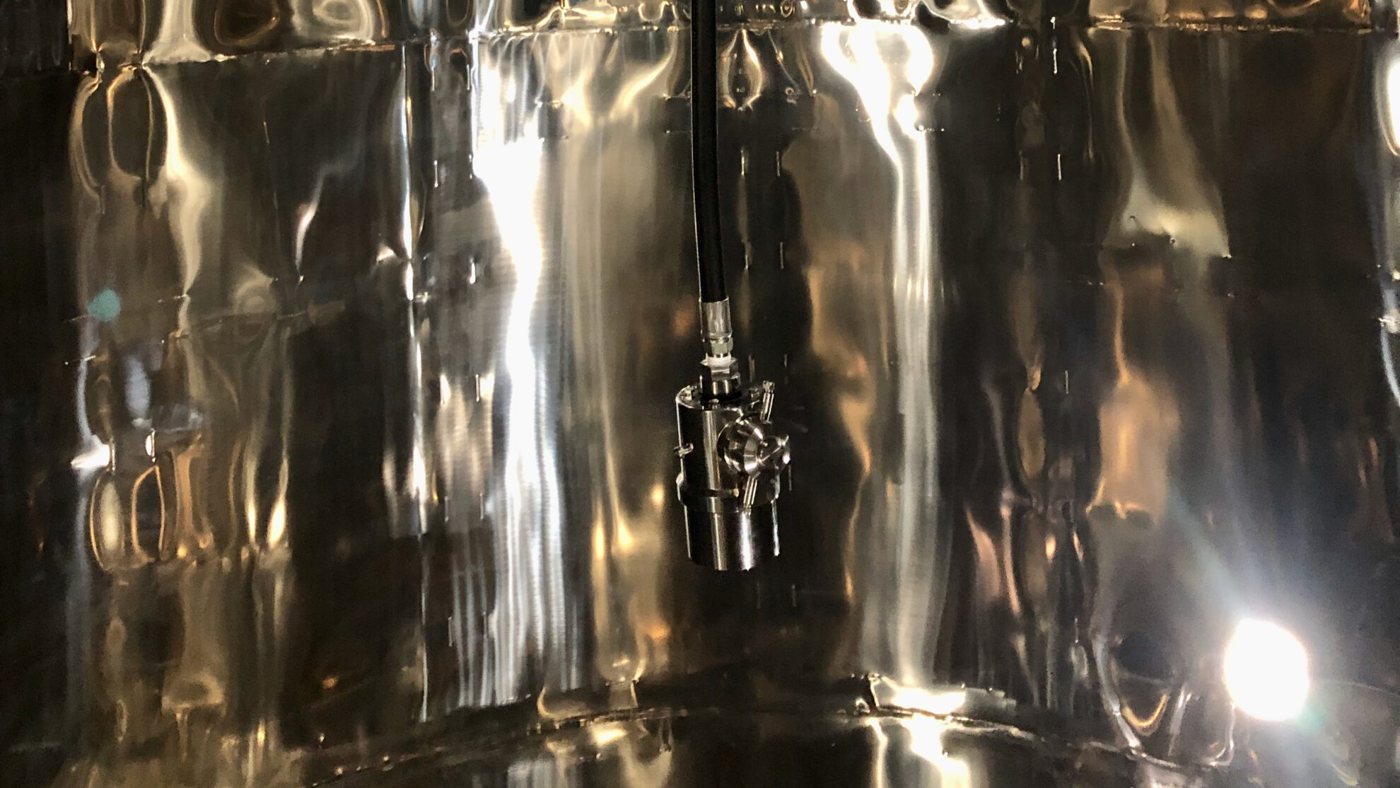
Images: PRECI
CIP
Clean‑in‑place
The process lines that touch the product, including pipelines, chambers, tanks, ancillary equipment and sensors, are cleaned automatically without dismantling.
- 3D nozzles, push‑out nozzles and spray balls placed through the process, run by a designed cleaning programme
- No dismantling and reassembly: shorter cleaning time and lower labour cost
- Closed to outside contamination, so hygiene is consistent from batch to batch
- The cleaning system has to be part of the process design from the start
COP
Clean‑out‑of‑place
The process is dismantled and cleaned by hand. COP suits small, simple equipment and parts with shapes that CIP cannot clean completely.
- Lower investment than a CIP system
- Manual cleaning: quality depends on the operator, and parts are exposed to outside contamination
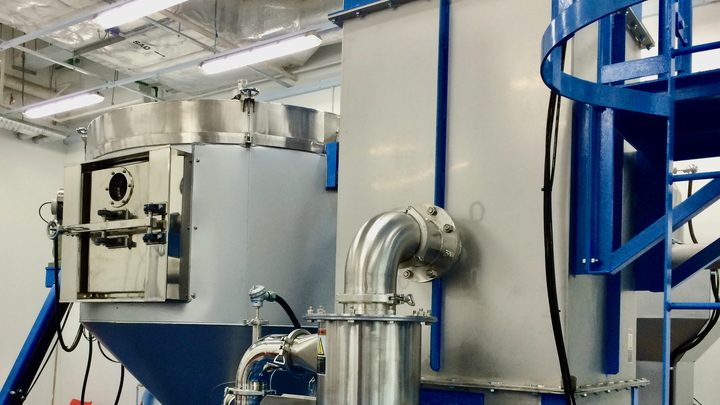
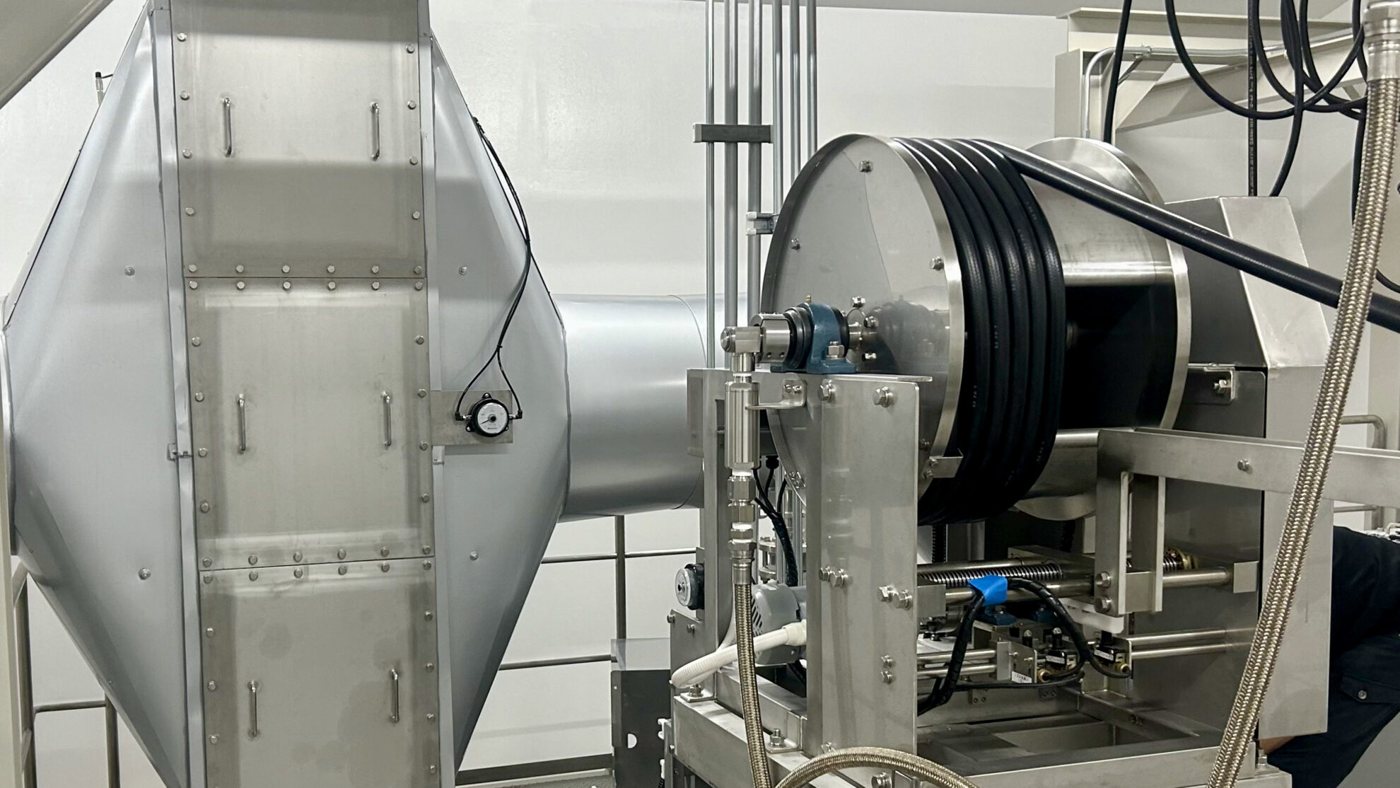
- Small PRECI units are designed to dismantle easily, with sanitary construction for COP
Hygienic design
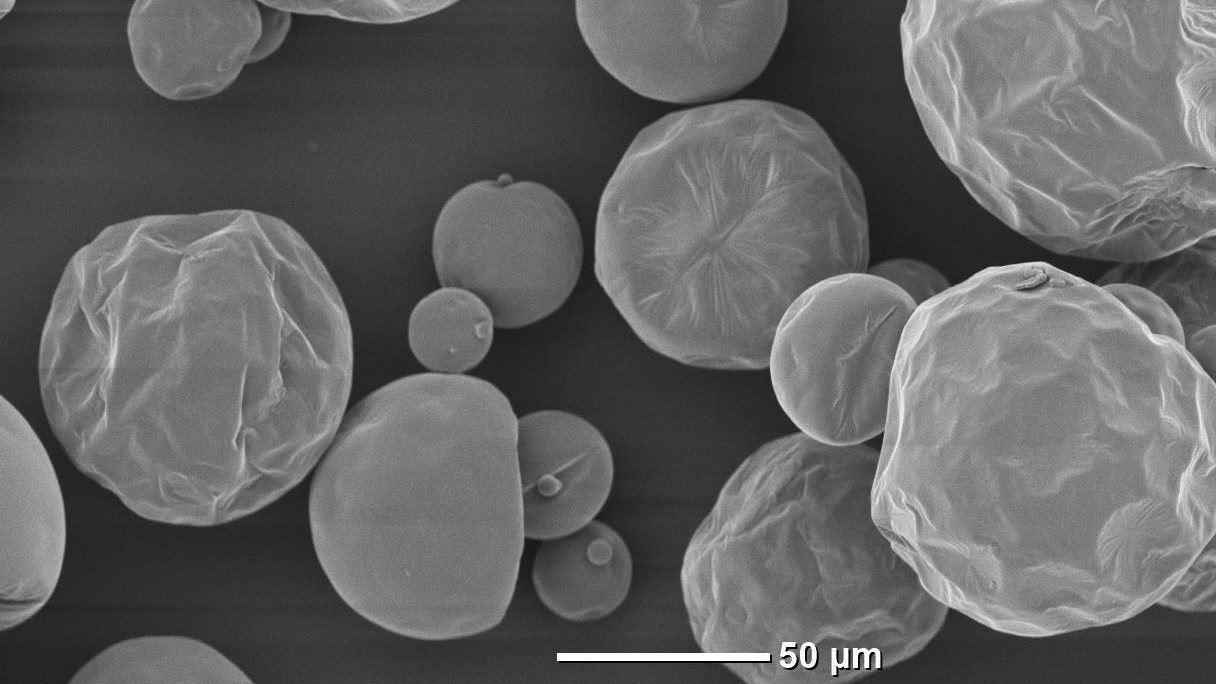
Designed to be cleaned
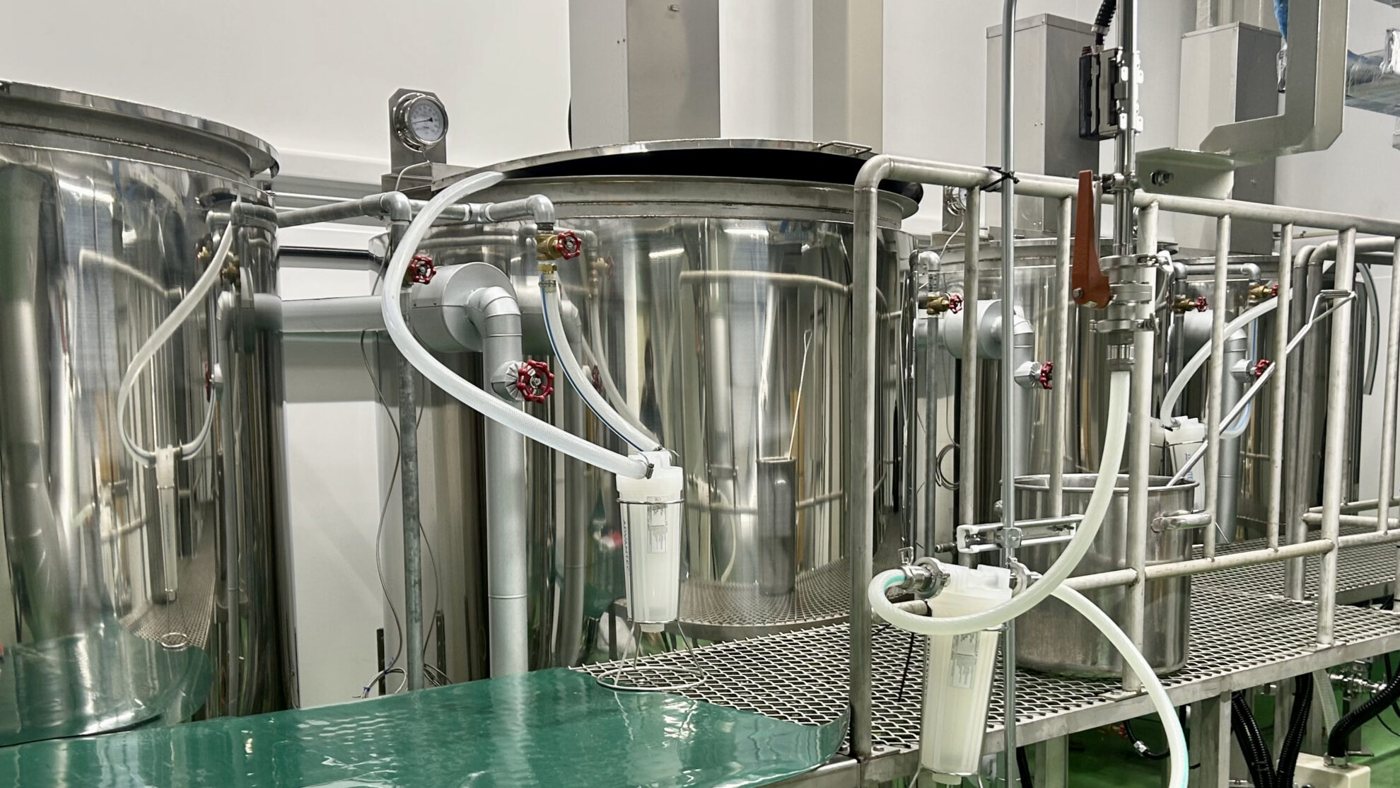
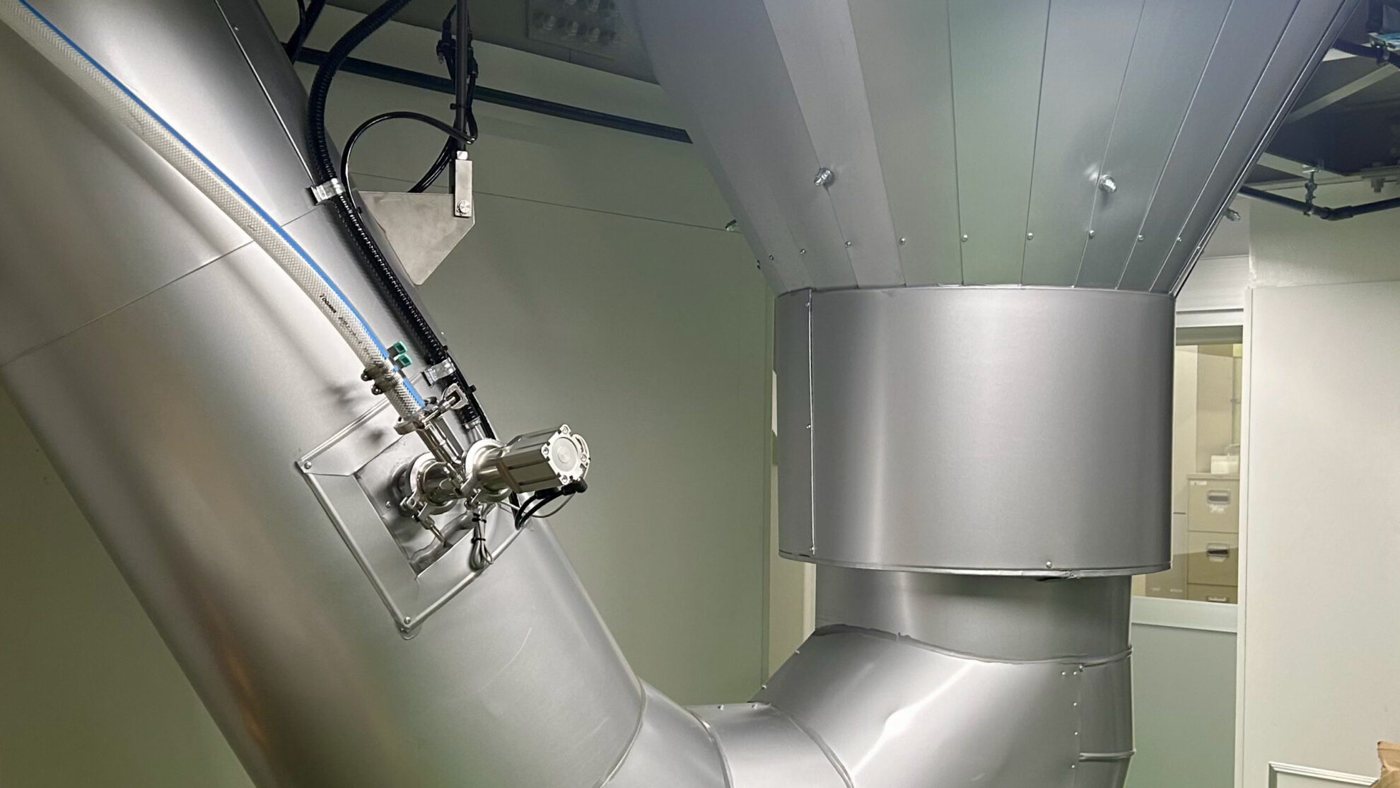
Images: PRECI
Choosing the system
Investment against operating cost
CIP costs more to install; COP costs more to run. Sanitary design comes first: no cleaning method makes up for equipment that is not hygienic by design.
| CIP | COP | |
|---|---|---|
| Investment | Higher | Lower |
| Labour and cleaning time | Low, automatic | High, manual |
| Cleaning quality | Repeatable, validated programme | Depends on the operator |
| Contamination risk | Closed system | Parts exposed during cleaning |
| Typical use | Pilot and production plants | Laboratory and small units, complex parts |
A semi‑CIP system combines both: parts that clean poorly in place are removed and cleaned separately, and the rest of the process is cleaned automatically. Depending on the material, this can be more hygienic and stable than full automatic CIP. Research facilities running many small batches sometimes choose automatic cleaning to save labour.
A typical CIP programme
Sequence and equipment
The programme is set from the product residue and the structure of the equipment. Recirculating the cleaning solutions as far as possible saves water, chemicals and energy.
Typical CIP system: water, alkali and acid tanks, buffer tank, supply and return pumps, process piping, cleaning nozzles and sensors for temperature, conductivity and flow.
TSK solutions
Hygienic piping and CIP across the plant
TSK designs, fabricates and installs the hygienic piping, tanks and CIP circuits that connect the process, from liquid preparation to packing.
Related
Related information

PRECI Co., Ltd., Japan
Powder processing technology. TSK is PRECI's exclusive partner in Thailand.
Contact our engineers
+66 81 978 8389 · contact@tskengineering.co.th