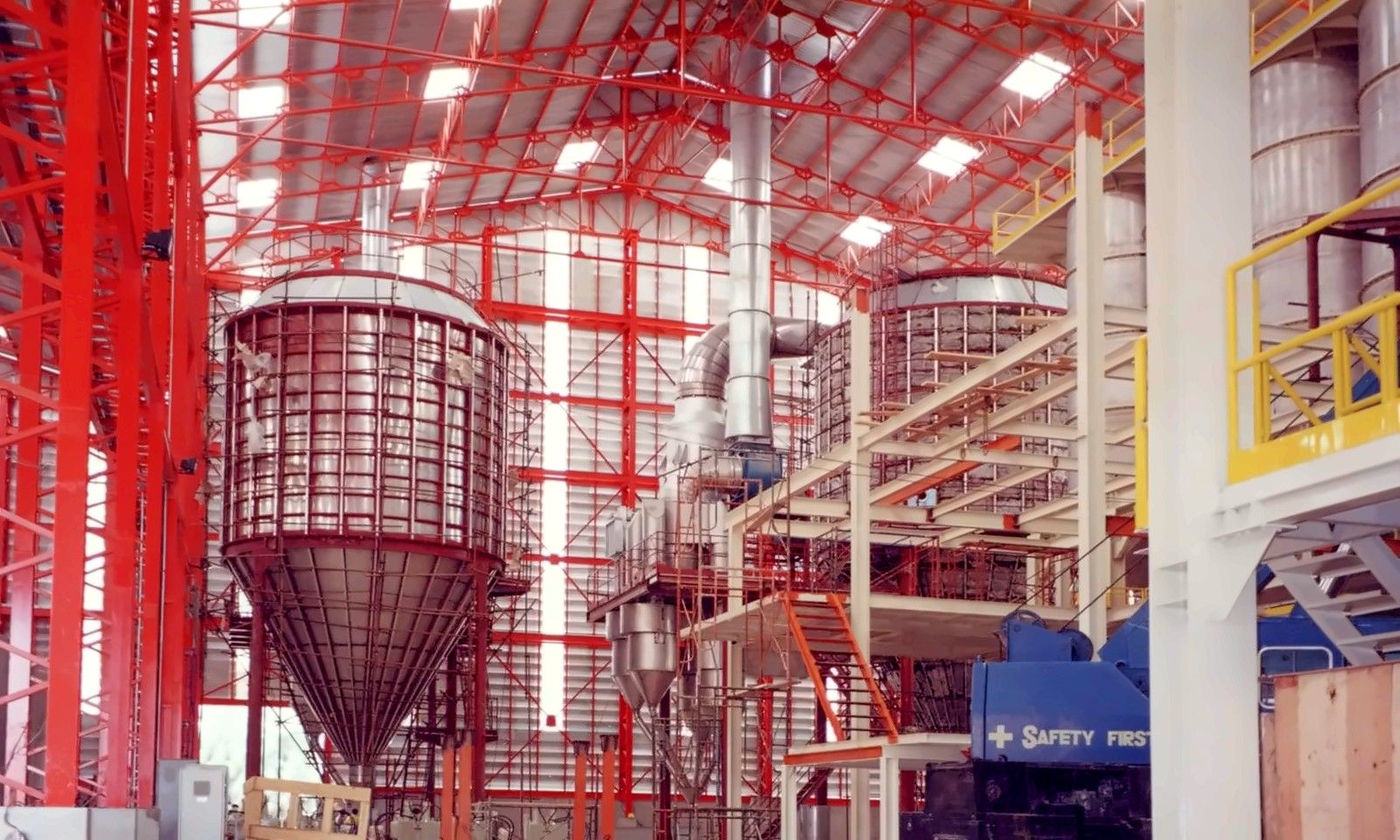
Thailand's tuna industry
Thailand is the world's No. 1 canned tuna exporter, with about 30% of global export volume (29.7% in 2024).
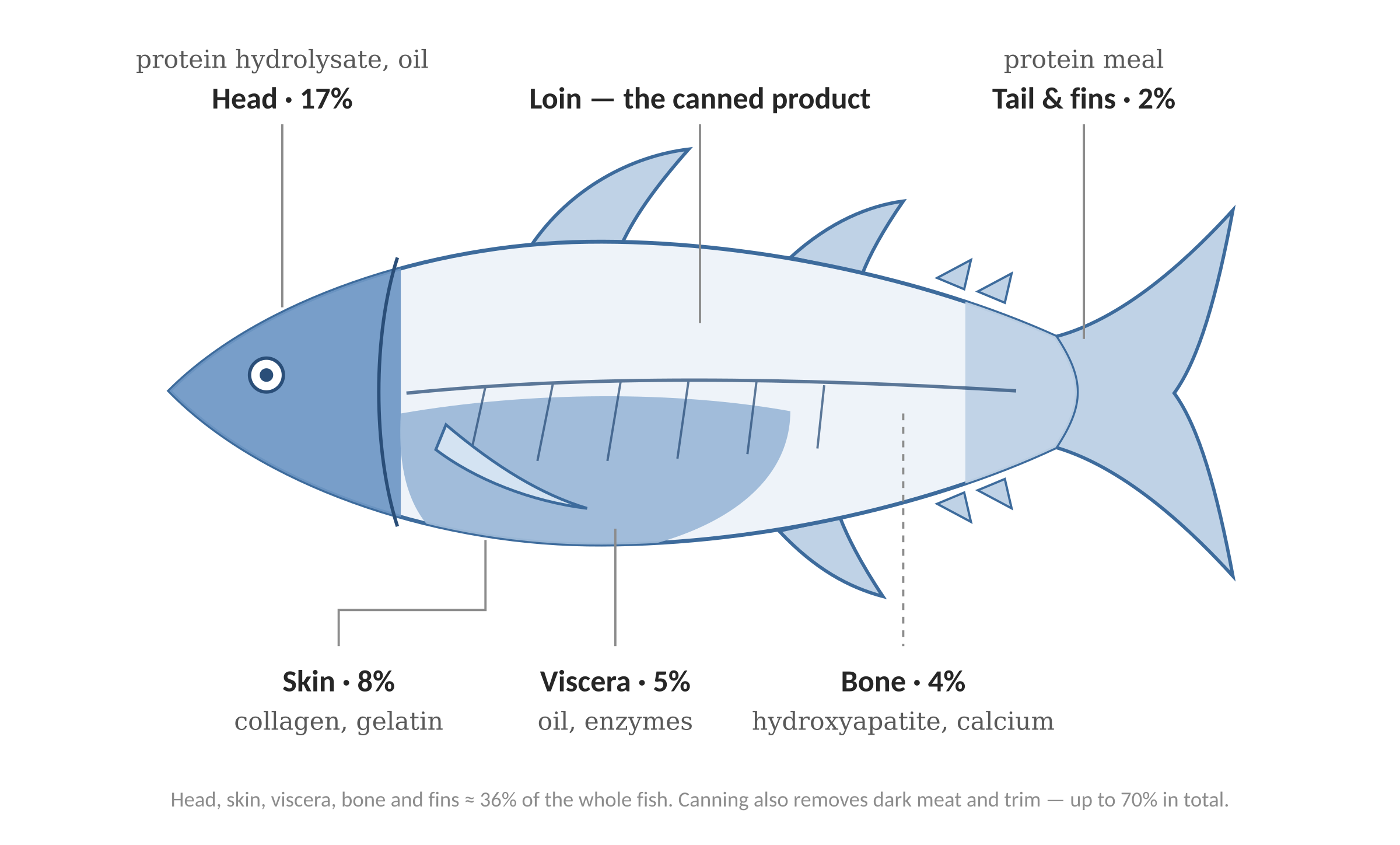
Only the loin goes into the can. Head, skin, viscera, bone and fins make up about 36% of the whole fish, and canning also removes dark meat and trim: up to 70% of the fish in total.
Most of it leaves the plant as fish meal, fertilizer or landfill, at the bottom of the value ladder. Much of the value then comes back as imported omega‑3, collagen, protein, peptides and calcium. Thailand exports the waste and imports the value.
Cooking water is one of several tuna side streams PTC ASEAN works on. Others include trims, bones and tuna blood. The tuna blood work is a pioneer project with a Thai university partner.
The by‑product
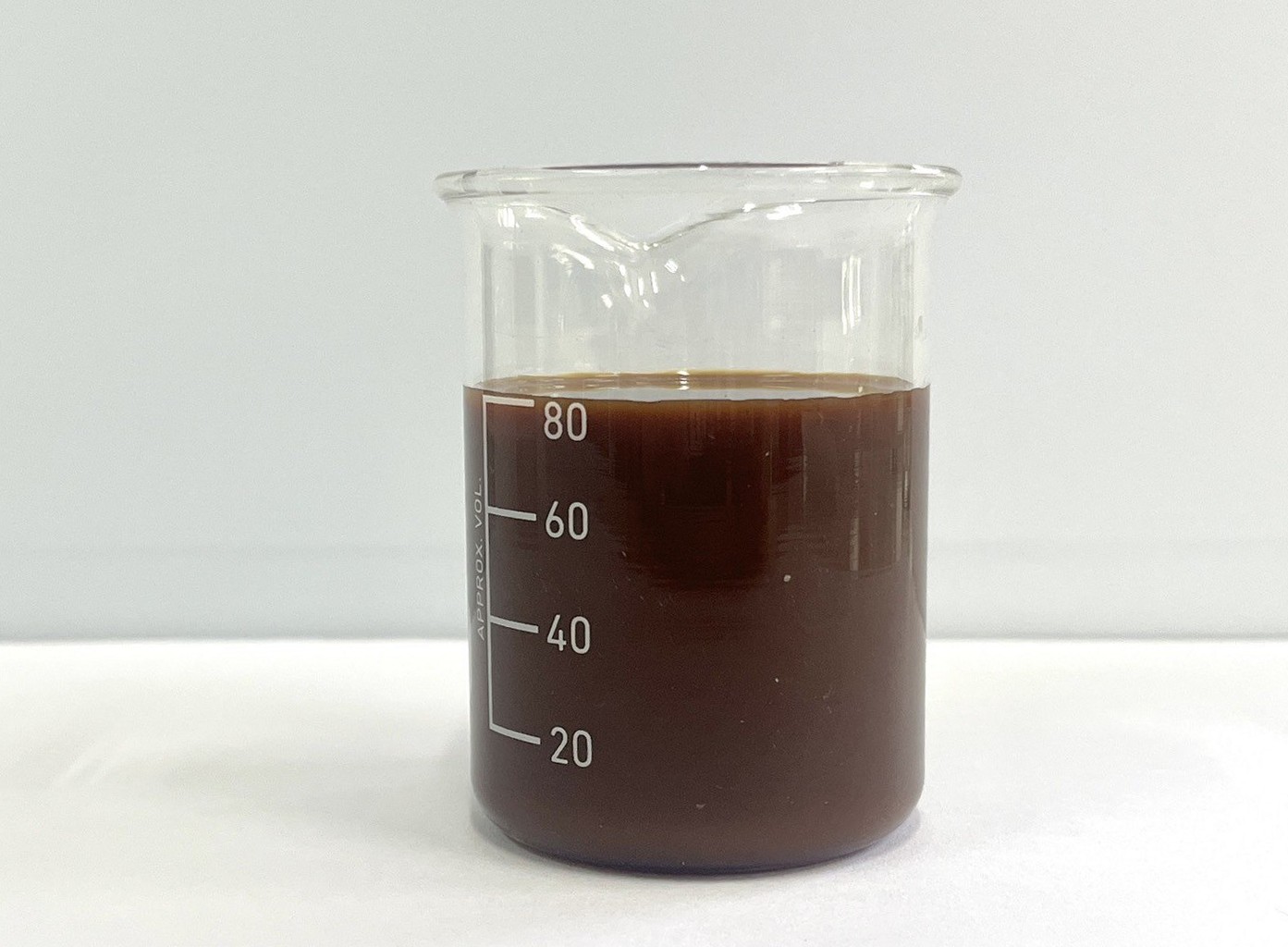
Tuna cooking water is the liquid left from precooking tuna before canning. It carries proteins, peptides, free amino acids, minerals and some oil. Processed by removing oil and solids and concentrating it, it becomes tuna soluble extract (TSE).
In Thailand TSE is sold as a low‑value feed ingredient. It is also exported to Japan and Europe, where processors turn it into higher‑value products. As a liquid it spoils quickly and is costly to store and ship.
Drying it into a stable powder in Thailand lets the producer move up that value ladder at home, instead of selling the liquid cheaply.
A functional powder is the first step, not the last. From the same stream the ladder goes higher: protein and peptide ingredients from the soluble fraction, and omega‑3 from the oil separated during processing, protected as a powder by spray cooling.
Challenges
- Hygroscopic: free amino acids, small peptides and salts lower the glass transition temperature (Tg). The powder turns sticky on the chamber wall and picks up moisture after drying.
- Fat content: residual oil reduces flowability, adds to wall deposits and can oxidize, which affects odour and shelf life.
- Salt level: salt varies from batch to batch and adds to moisture pick‑up.
- Powder stability: the powder must stay free‑flowing in tropical humidity, through storage and shipping.
Approach
PTC ASEAN has worked with several leading companies in the marine industry to turn TSE into powder.
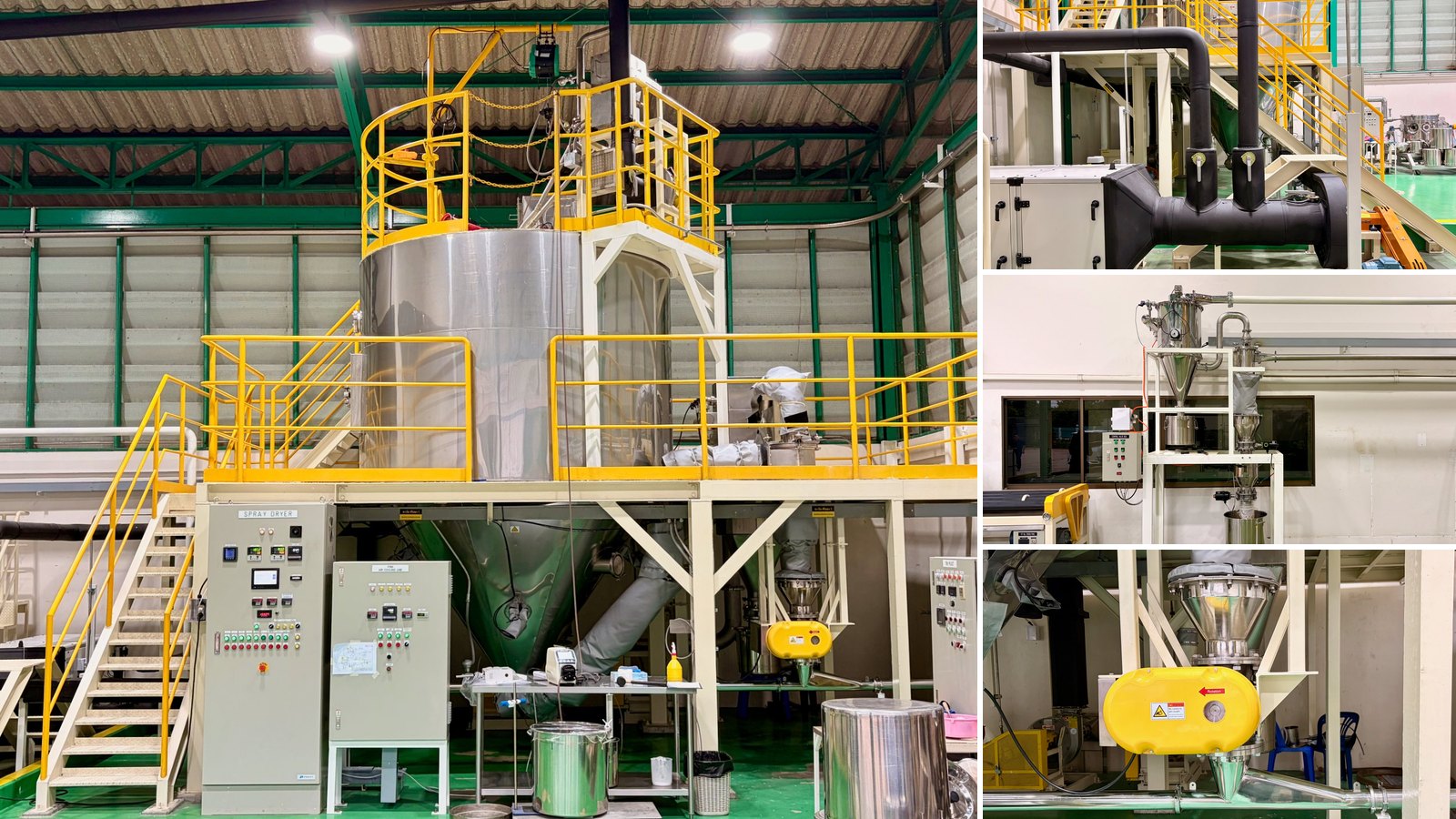
The work started at laboratory scale to screen formulations, then moved to pilot scale to set the drying conditions for each one. Inlet and outlet temperatures, feed solids and formulation were adjusted together, because each change shifts both stickiness and powder quality.
Pilot‑scale conditions make the step to a production dryer predictable: they show where a formulation becomes sticky and which operating window gives a stable powder.
Results
Many TSE formulations were dried successfully to stable powder, from laboratory to pilot scale.
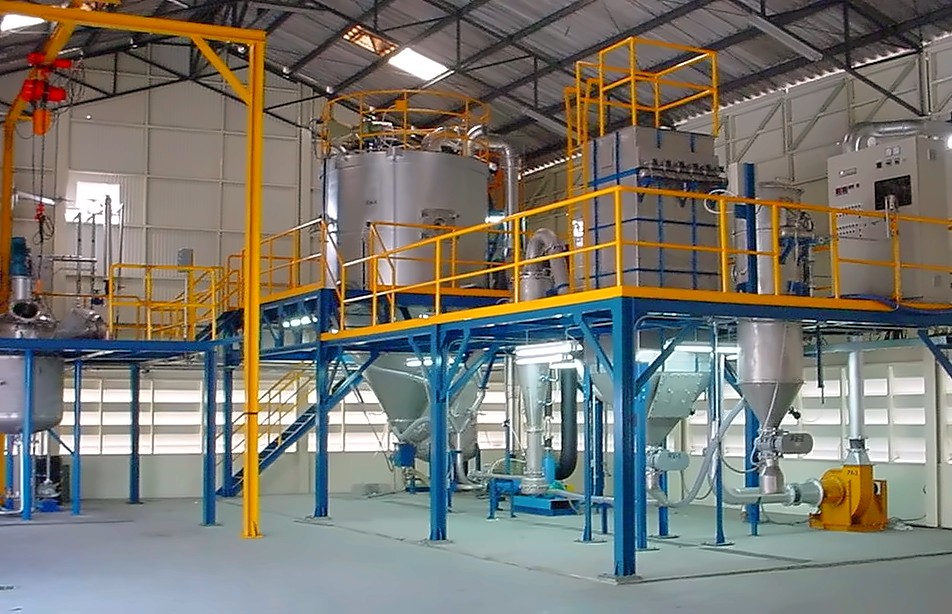
The trials set the drying conditions and formulation limits needed to design a production line for this material.
Same approach for chicken and pork cooking liquids
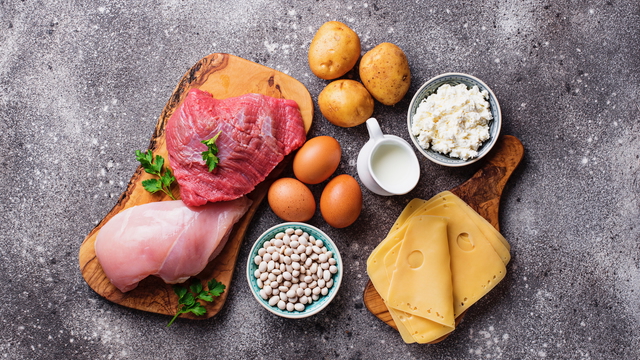
PTC ASEAN has also dried chicken and pork cooking liquids for customers. They share the same challenges: protein, salt and fat in a hygroscopic powder. Each material needs its own formulation and drying window, which is what pilot trials set.
What this means for a production line
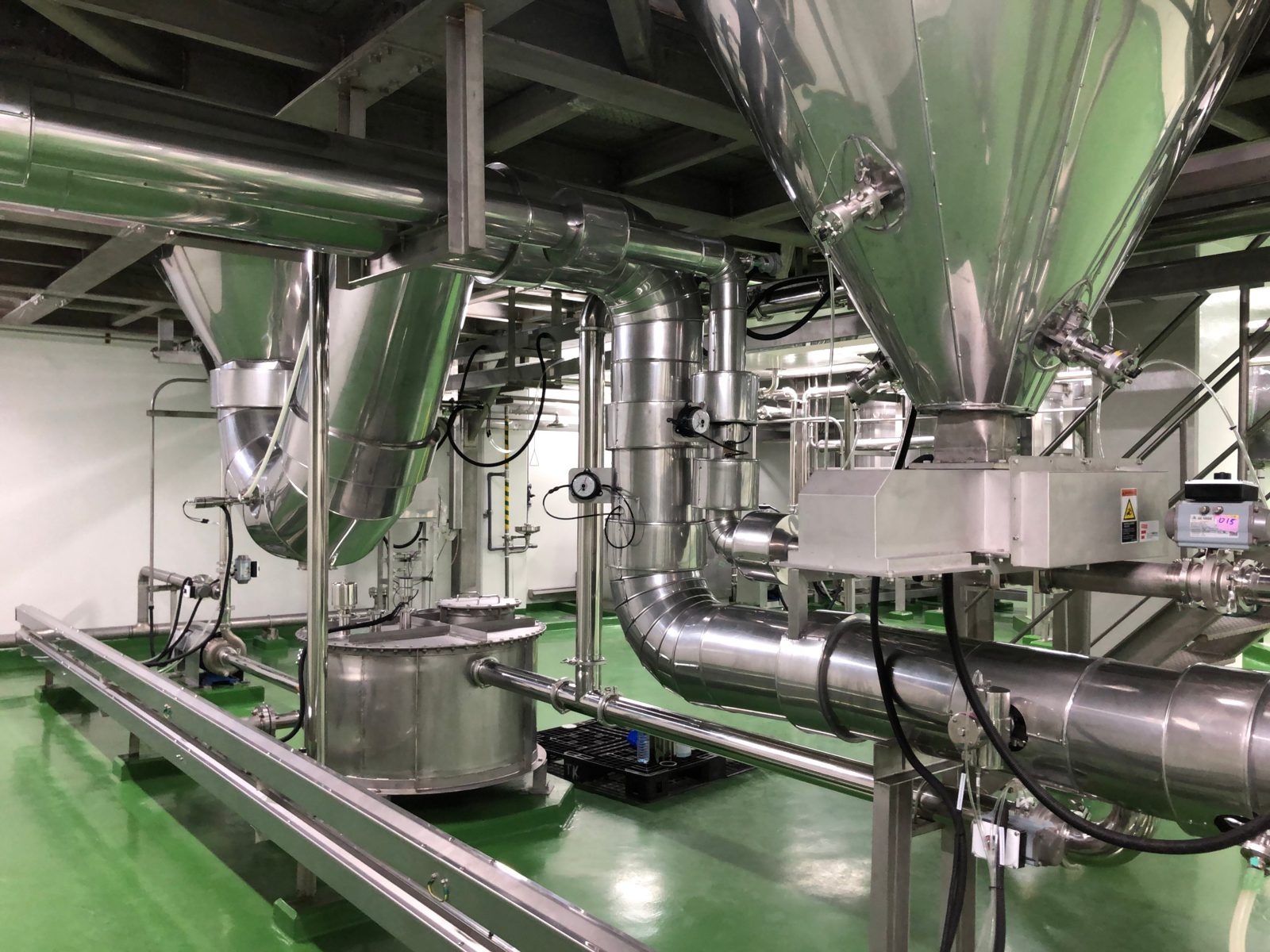
- Dehumidified process air keeps drying capacity steady through the wet season and lowers the risk of sticky powder.
- Controlled outlet temperature and fast powder cooling keep particles below the temperature at which they turn sticky.
- Closed powder handling and moisture‑barrier packing protect a hygroscopic powder after drying.
- Exhaust treatment keeps cooking odour from reaching the surroundings.
Higher‑value applications
- Food ingredients: seafood and meat broth, stock and seasoning powders, when processed to food grade.
- Protein and peptide ingredients: concentrated protein, peptides and amino acids in dry form.
- Pet food: natural savoury palatant.
- Omega‑3: oil from the cooking water, encapsulated as a free‑flowing omega‑3 powder.
- Premium feed: digestible protein and feed attractant for aquafeed and young animals.