Background
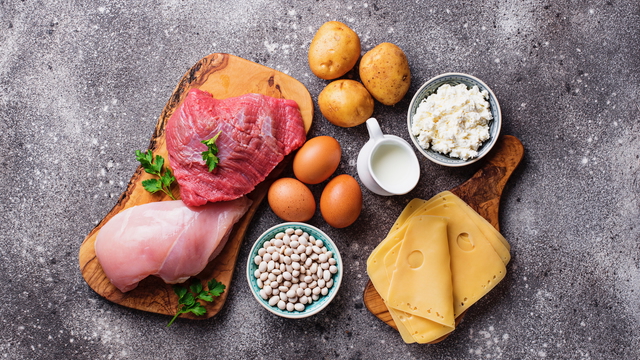
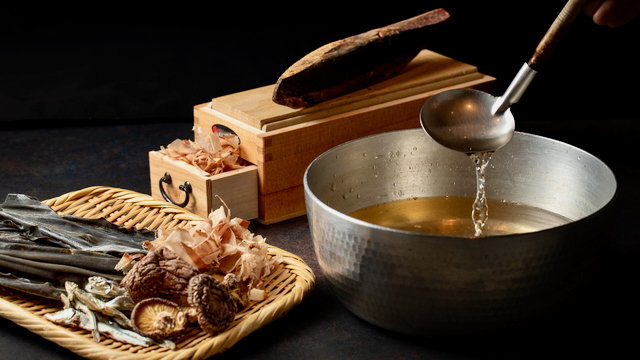
Seasonings come as water‑based, oil‑based and emulsified liquids: soy sauce and miso, fish sauce, oyster sauce, chili sauce, XO sauce, and meat, seafood, vegetable and cheese seasonings and extracts. Complex seasonings blend these with umami components such as glutamic, inosinic and guanylic acid.
As powders, seasonings weigh and occupy less, which cuts transport cost, and they keep well in storage. Powdered meat, seafood and vegetable extracts can also be blended straight into complex seasonings. Spray drying is continuous and forms the granules as it dries, so separate concentration, grinding and mixing steps can be left out.
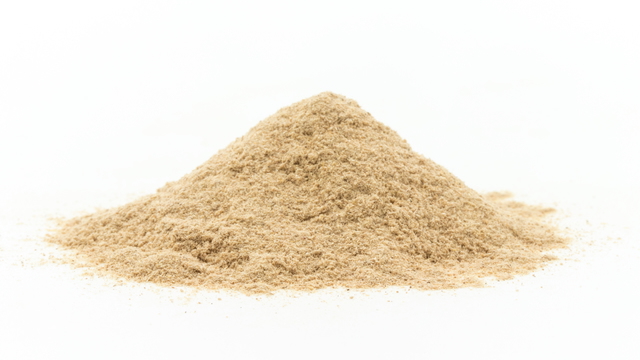
Spray drying challenges
- Salt and sugar. Highly hygroscopic, so powder sticks to the chamber and cakes. Dehumidified process air, an air sweeper or dehumidifying air line in the chamber, and controlled temperature and humidity in the recovery line prevent this.
- Heat‑sensitive components. Sugars and amino acids degrade with heat, and Maillard browning changes colour and taste. Spray drying has a short drying time and less thermal impact than other dryers, with temperature and gas volume set for each liquid.
- Aroma. Volatile flavour components are lost at high temperature. Maltodextrin, cyclodextrin and oligosaccharides hold them in the particle.
- Oil‑based seasonings and oxidation. Oils and emulsions need suitable carriers, and oxidation is reduced with additives and with inert gas as the process gas.
How the conditions shape the powder
- Drying temperature. Low temperature dries slowly and gives higher bulk density, with more residual moisture. High temperature forms a shell fast, and particles can expand, rupture or become hollow.
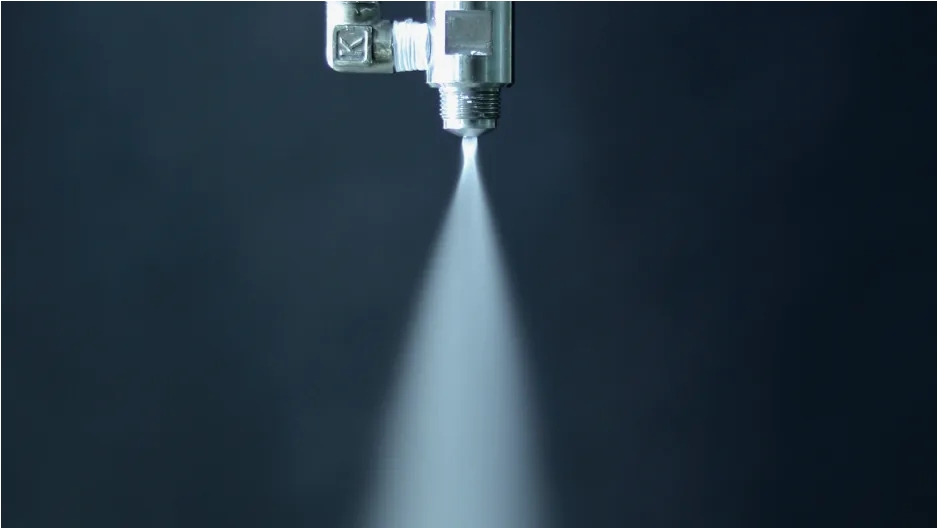
- Atomizer. Rotary atomizer, two‑fluid, pressure or ultrasonic nozzle, chosen for droplet size and for contact and friction in the chamber.
- Feed. Higher solids raise output but change particle size and density. Additives such as trehalose and cyclodextrin can mask off‑notes and stabilise components.
Key quality parameters
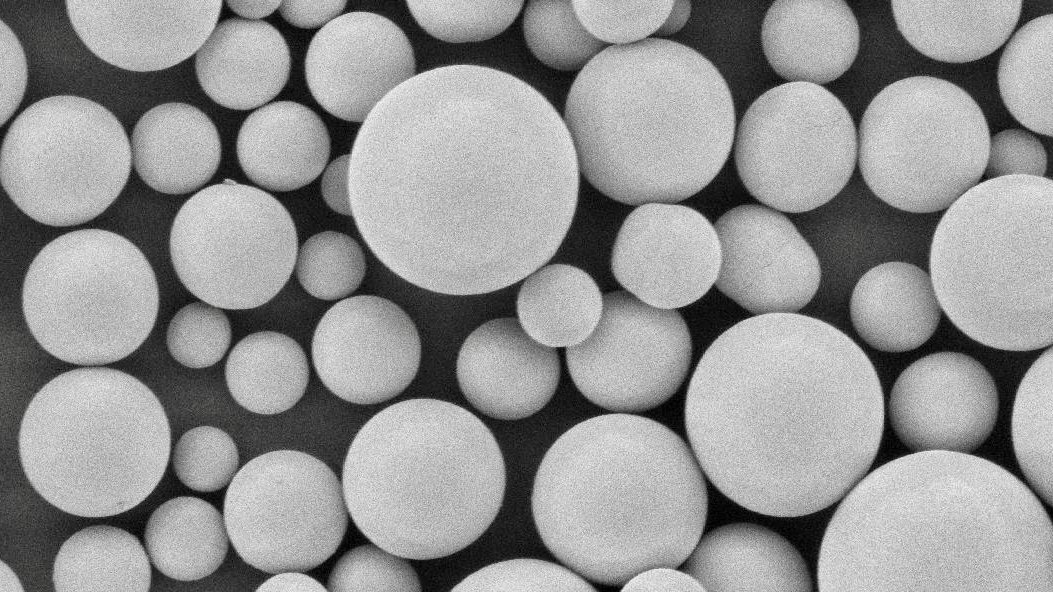
- Residual flavour, colour, moisture content, particle size distribution and bulk density.
- Flowability, solubility and wettability, so the powder doses and dissolves evenly in the final product.
- Large particles flow better and hold more moisture; small particles have lower bulk density and can pick up moisture from the exhaust air if the powder is very hygroscopic.
Trials at PTC ASEAN
PRECI develops these processes at its Powder Technical Centers in Japan. PTC ASEAN, the Powder Technical Center in Chonburi, runs spray drying trials on your own sauce or extract with the same know‑how, with liquid preparation, powder analysis and links to the Japan centres for advanced characterisation.