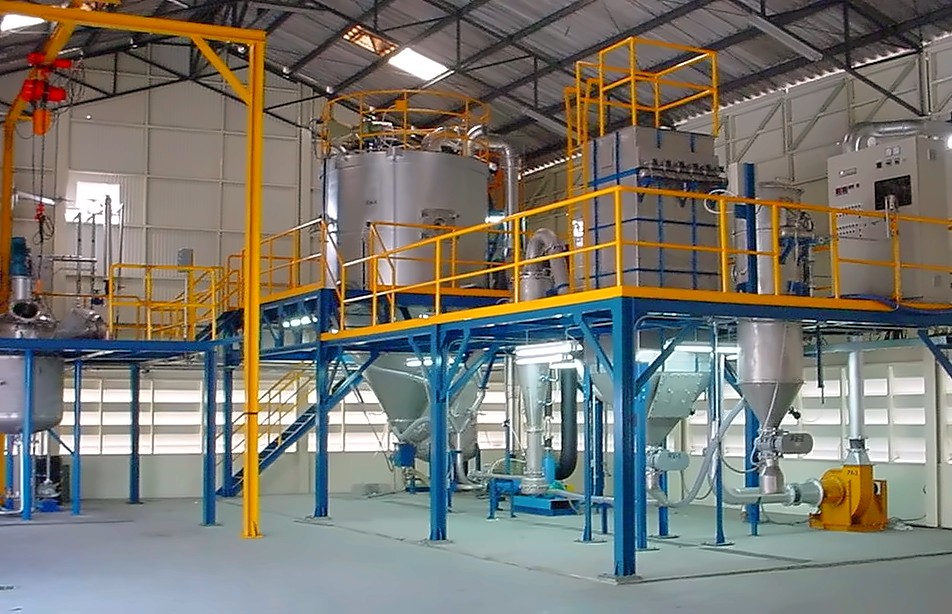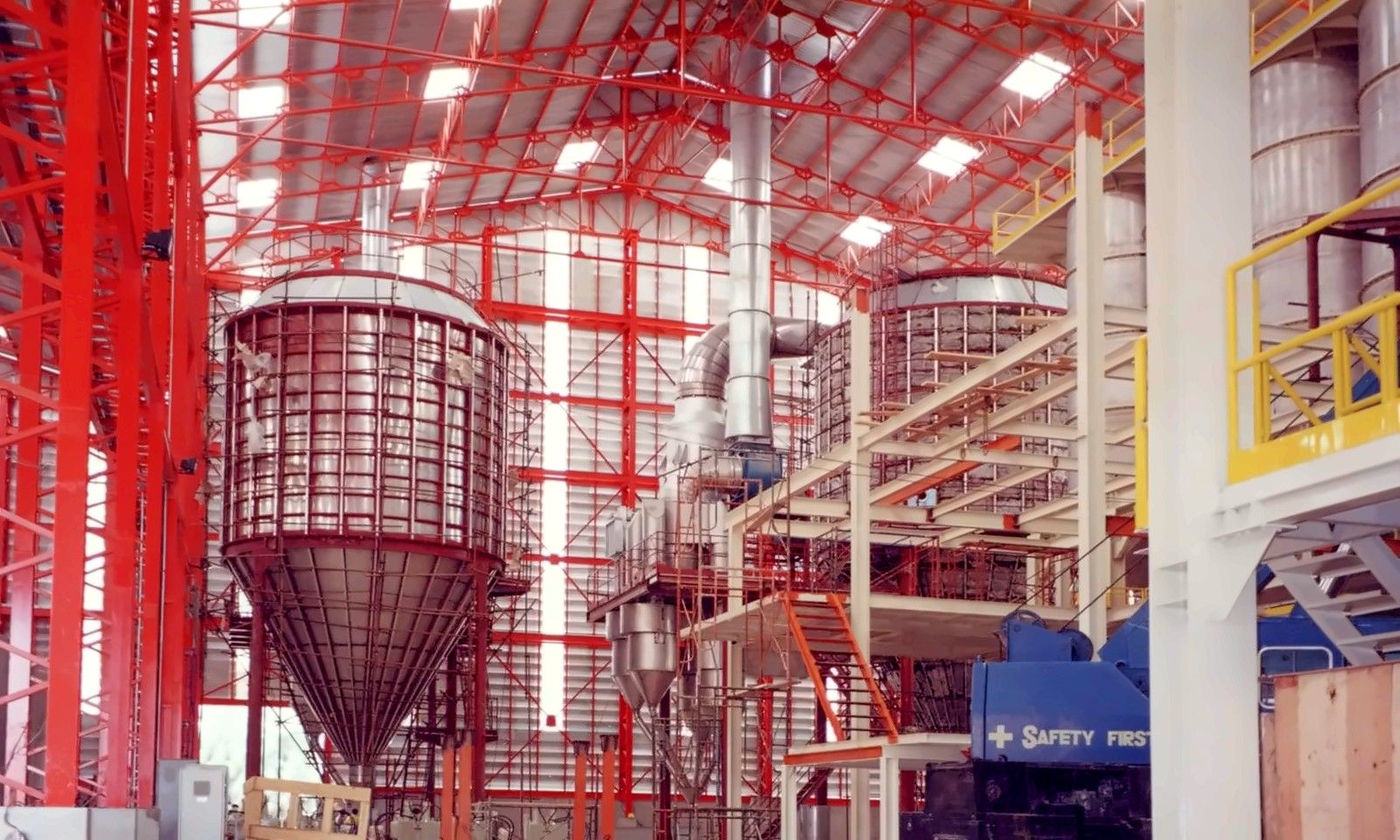
The by‑product
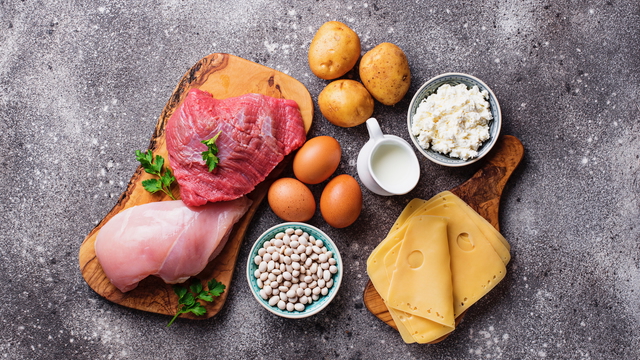
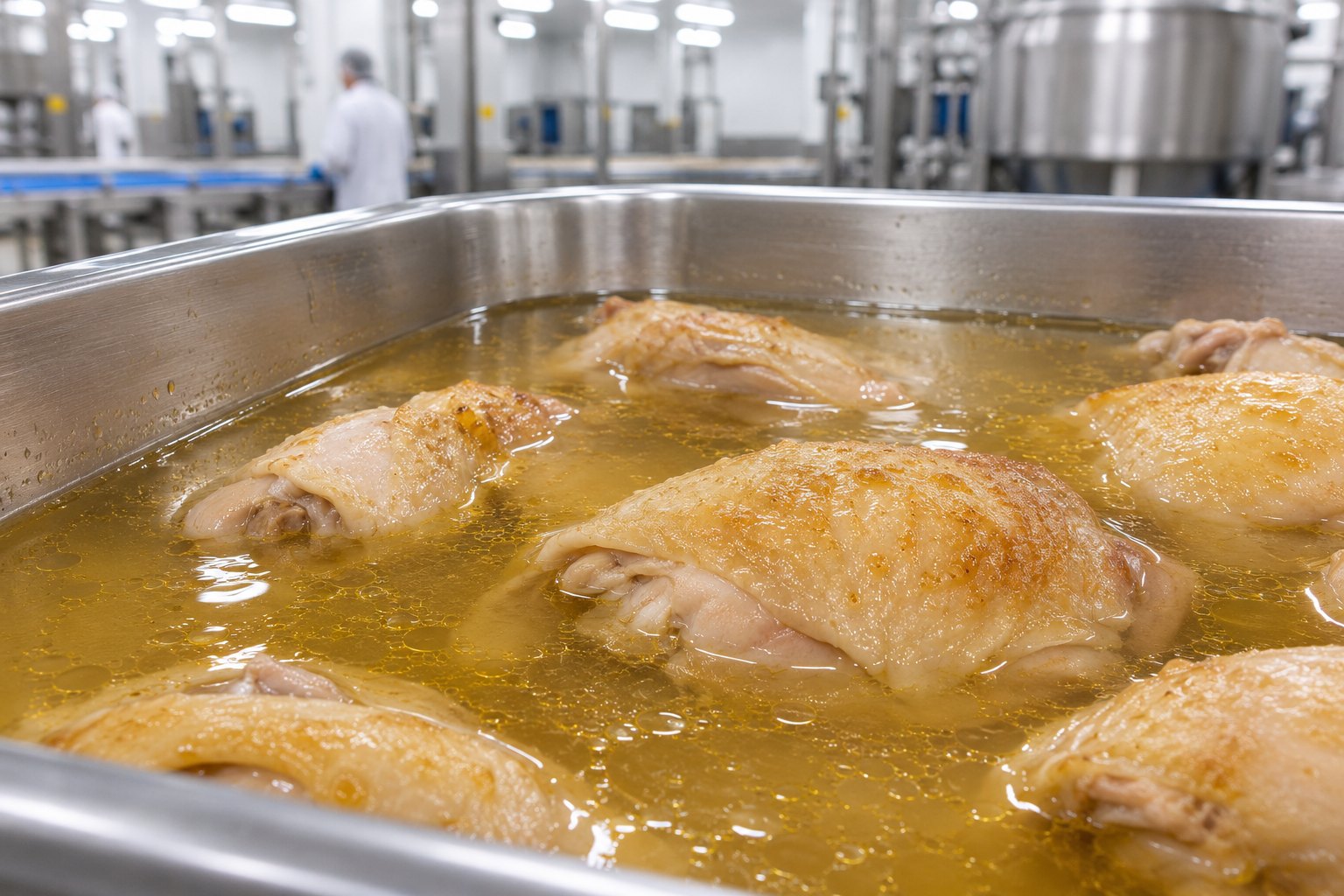
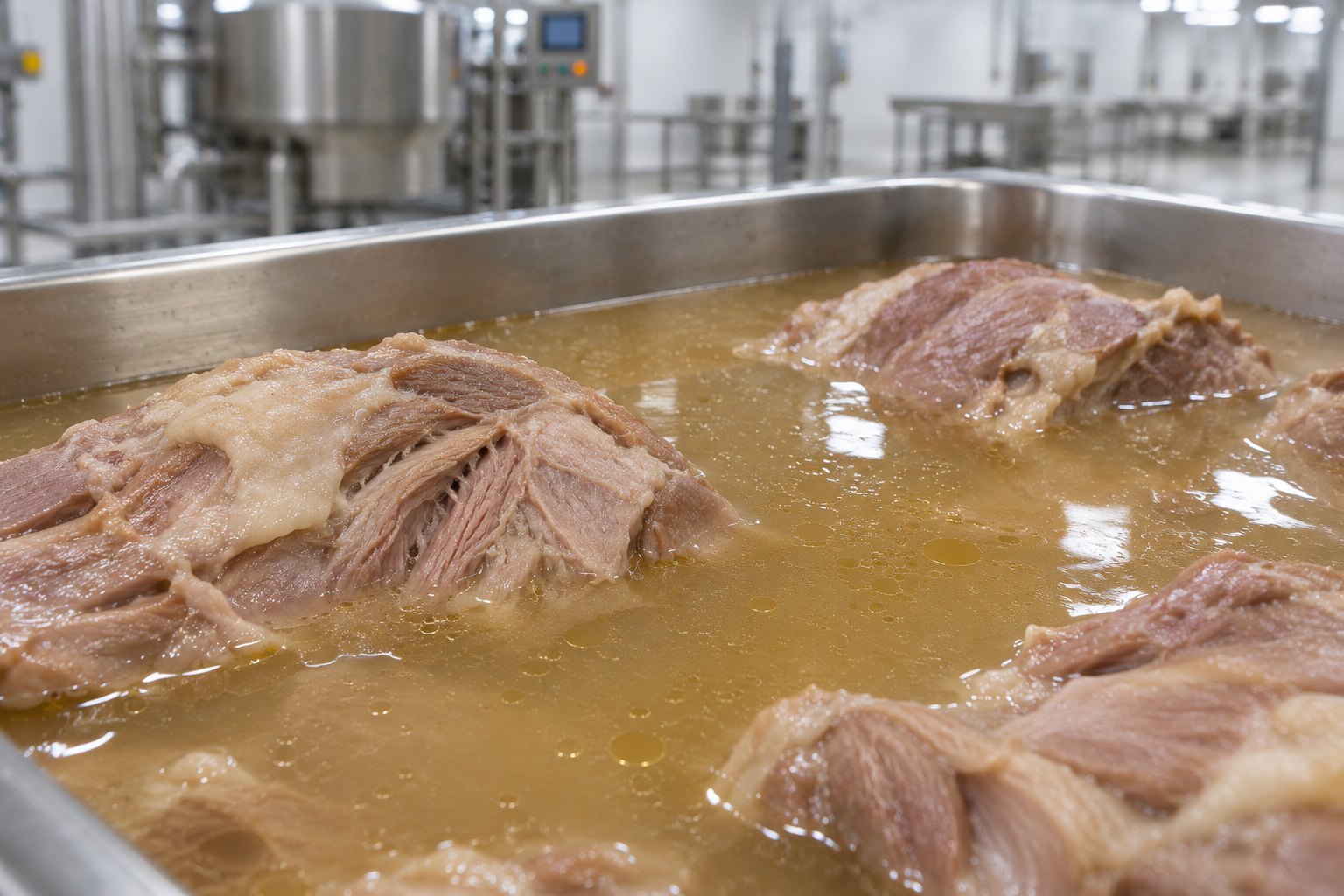
Cooking, blanching and steaming meat, poultry, seafood and vegetables for processed foods releases a liquid that carries soluble protein, peptides, gelatin, fat, salt and flavour. It is often sent to wastewater treatment or sold cheaply.
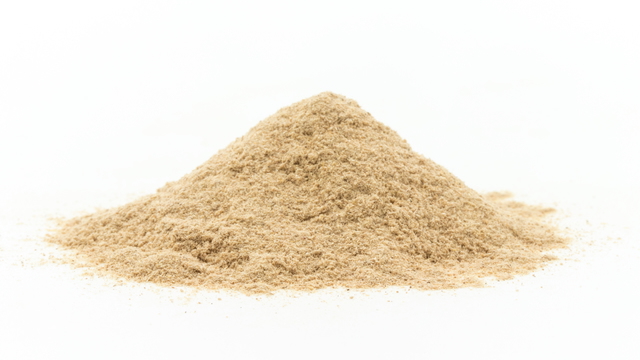
Dried to a powder, it becomes a broth, stock, extract or seasoning base, or a palatant for pet food.
Challenges
- Hygroscopic: peptides and salt make the powder sticky and quick to pick up moisture.
- Fat: residual fat affects flow, wall deposits and shelf life.
- Gelatin: the liquid can gel when it cools, so feed temperature and solids have to be controlled.
- Flavour: drying must keep the cooked flavour and avoid scorched notes.
Approach
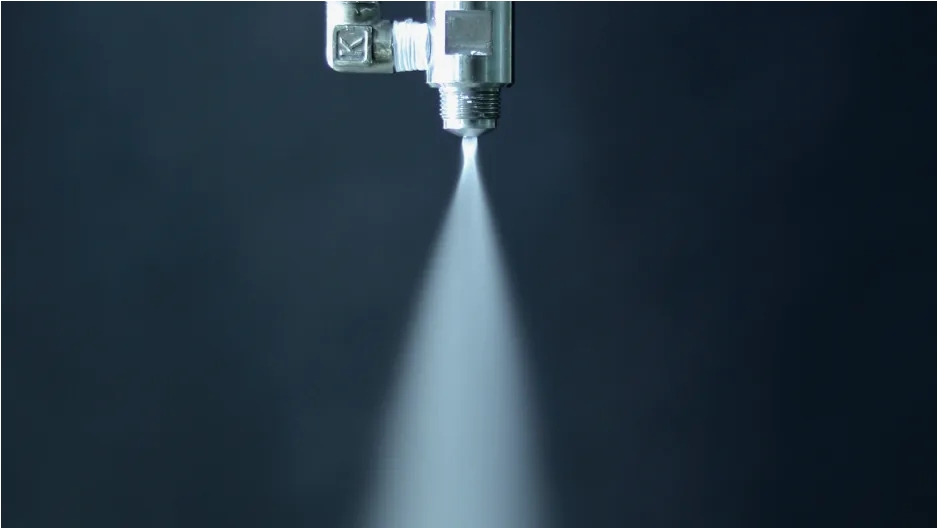
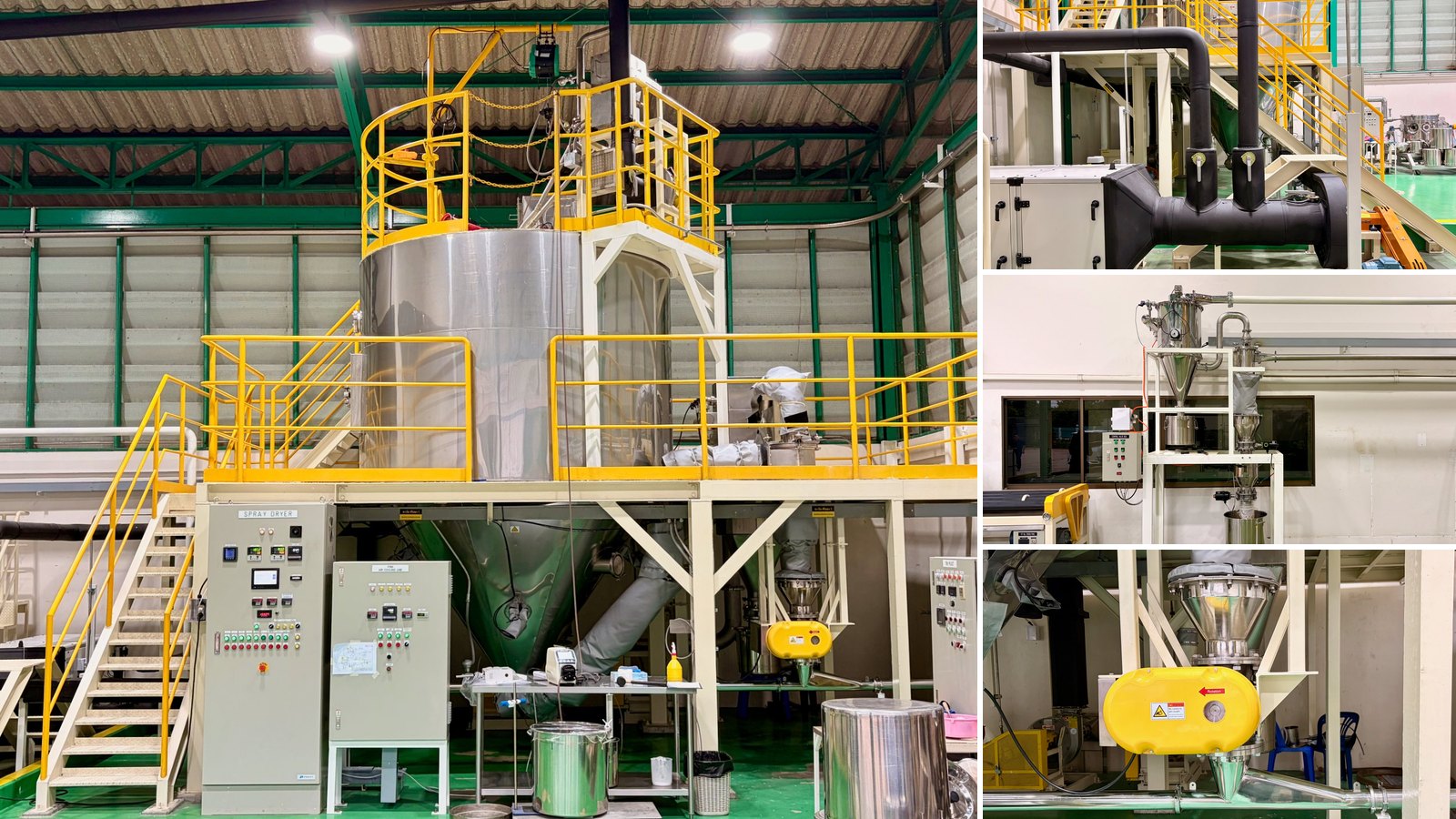
PTC ASEAN prepared the liquid (fat separation and concentration as needed), then set the feed solids and drying temperatures on the pilot spray dryer to find a stable operating window for each material.
Results
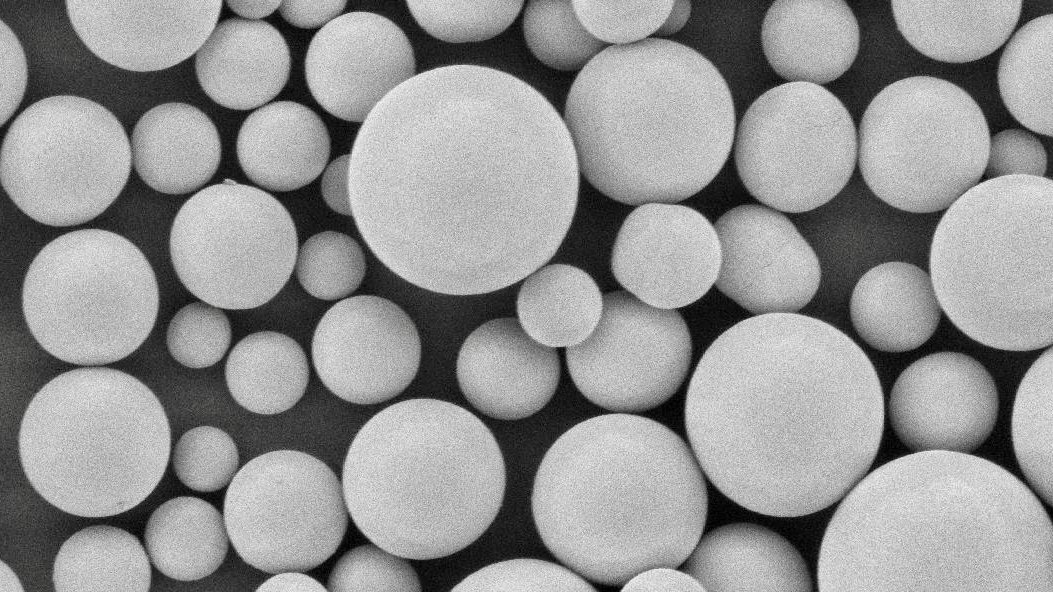
Chicken and pork cooking liquids were dried to free‑flowing broth powders. The trials set the preparation steps and drying window needed for a production line.
What this means for a production line
- Liquid preparation sets powder quality as much as the dryer does.
- Dehumidified process air and fast powder cooling control stickiness.
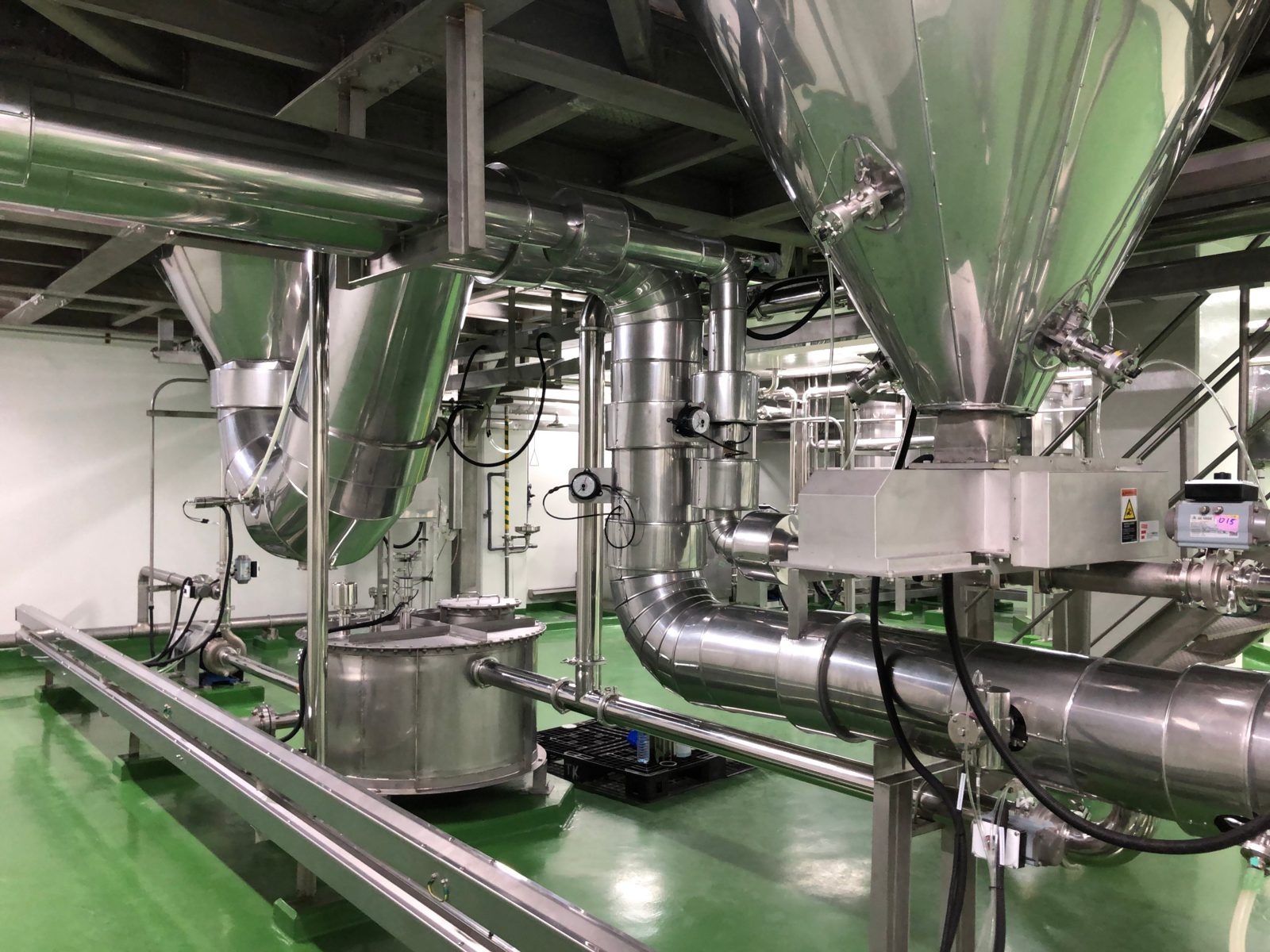
- Hygienic design and cleaning for a food‑grade product.
- Exhaust treatment keeps cooking odour from the surroundings.
Related applications
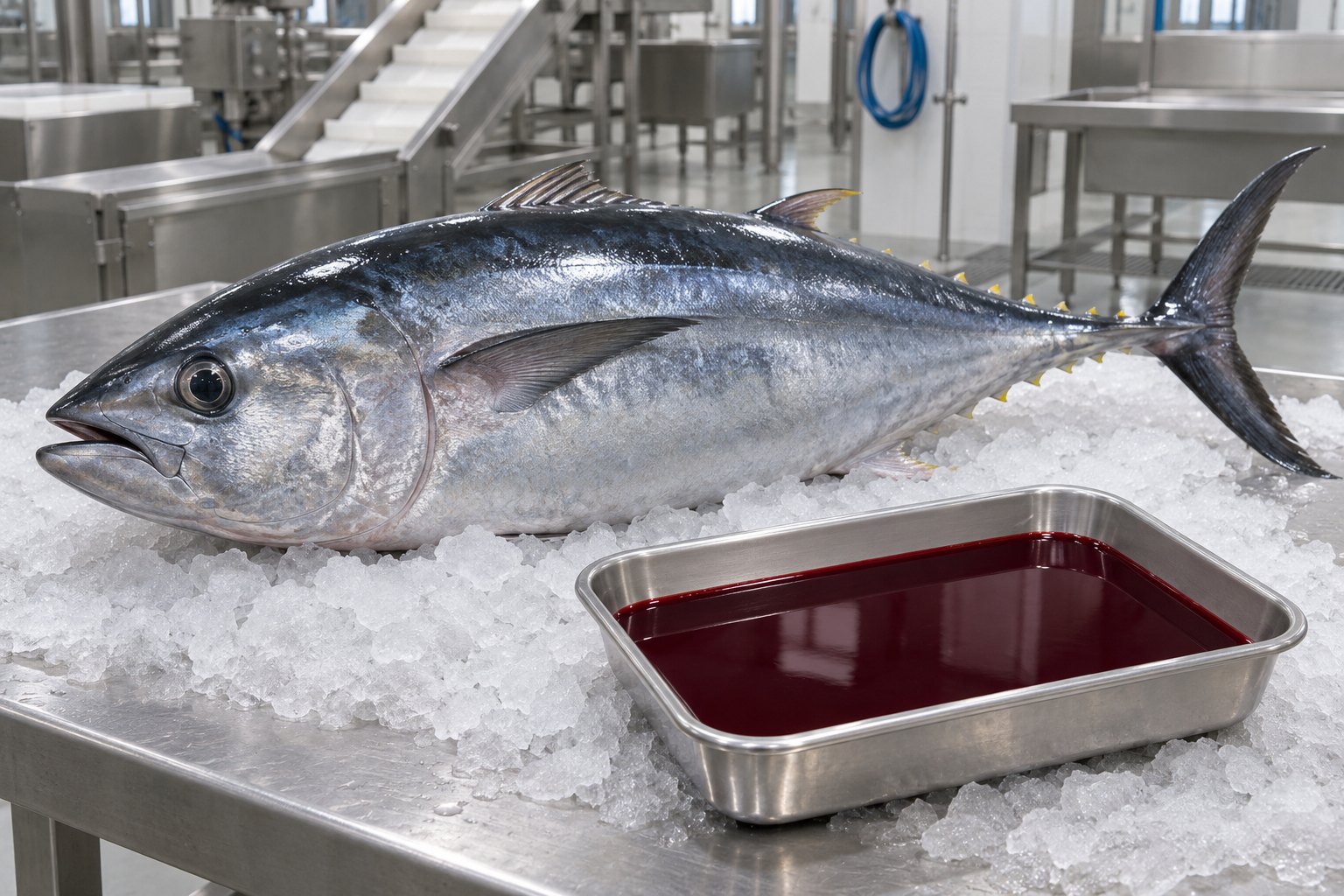
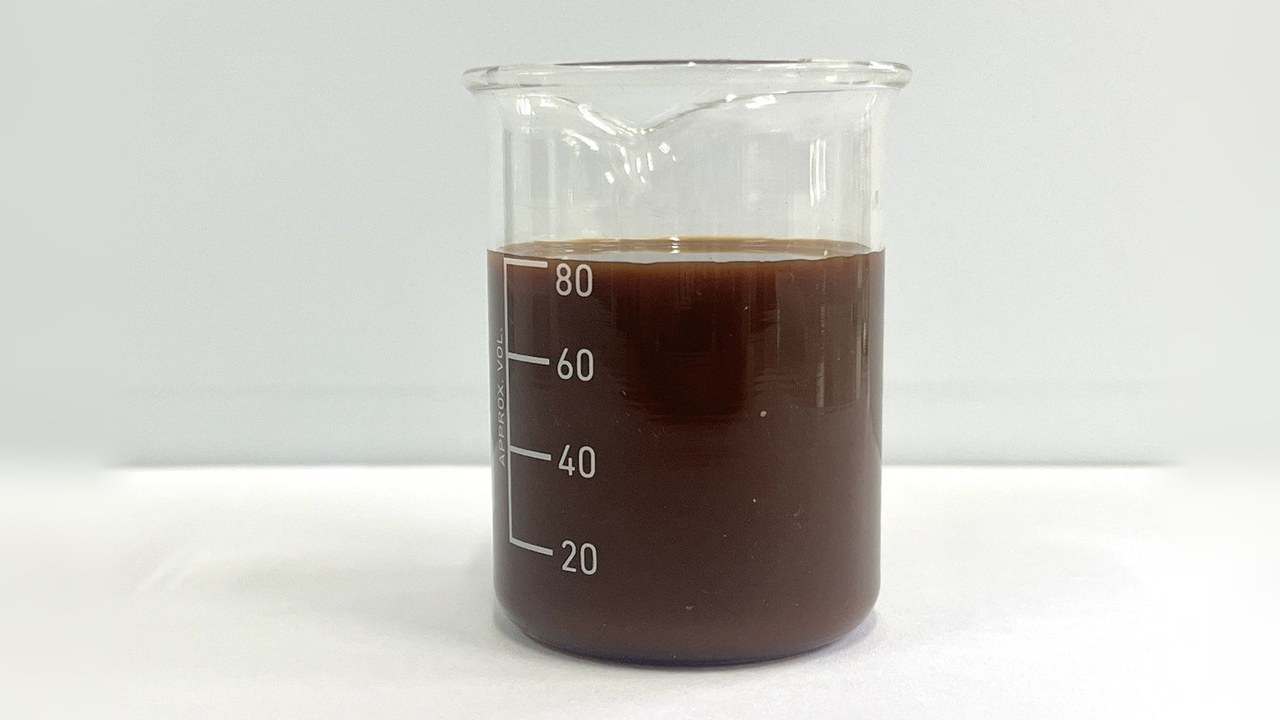 From tuna cooking water to high‑value powder
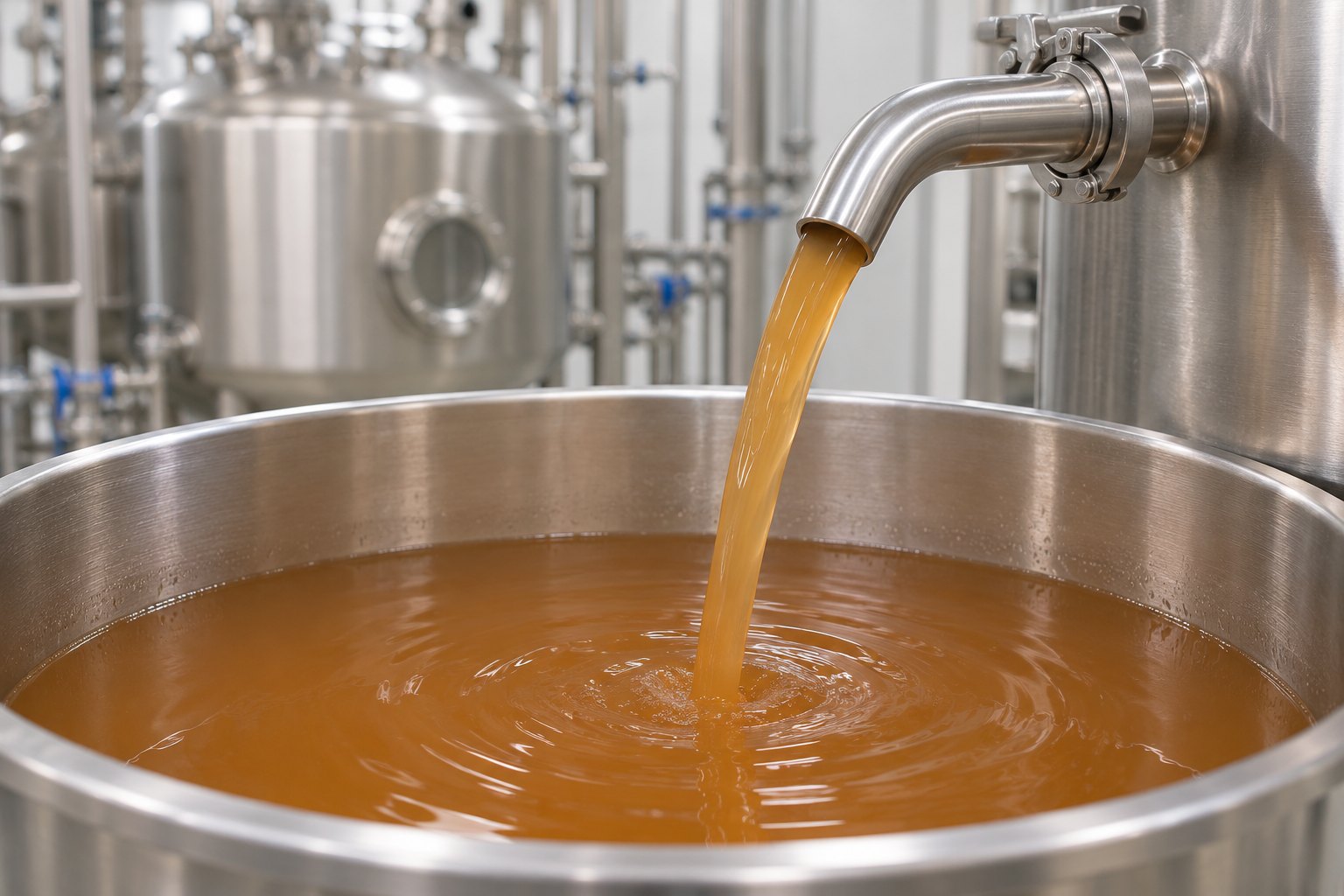 From fermentation mother liquor to a dry feed ingredient
 Tuna blood to protein powder