Background
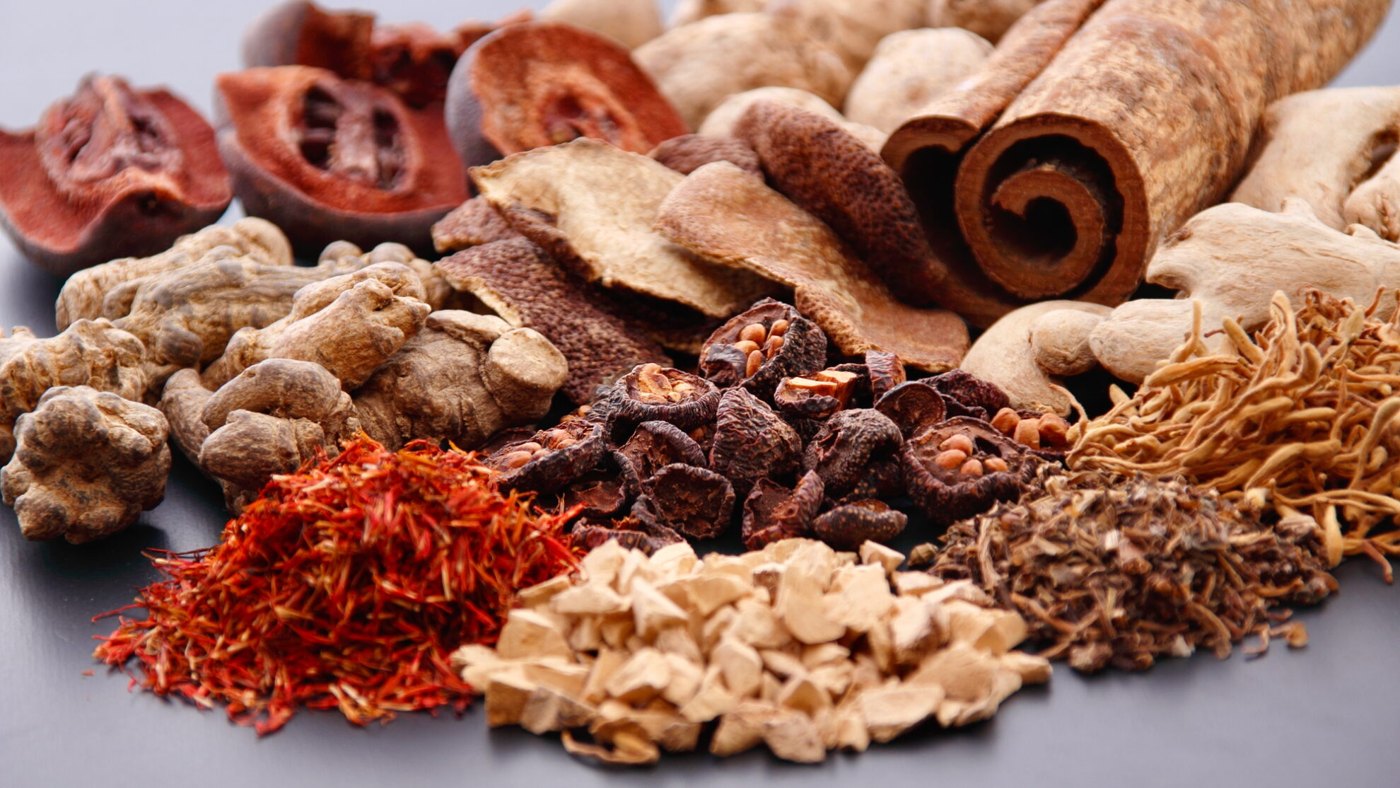
Herbal medicines and plant extracts are rich in bioactive compounds that support health and wellness. They are widely applied in pharmaceuticals (e.g., traditional Chinese medicines such as Pueraria, Ephedra, Licorice, Ginger), nutraceuticals and health foods (e.g., green tea catechins, ginkgo, turmeric, moringa, salacia), and functional food additives.
While these ingredients are often consumed in liquid or decoction form, conversion into powders provides significant advantages: stability by protecting sensitive actives, efficiency through reduced transport and storage costs, and versatility in processing into tablets, capsules, instant drinks, or functional blends. Spray drying is the preferred technology for producing such powders, offering gentle drying conditions that preserve activity, flavor, and aroma while enabling industrial scalability.
Process Flow
- Weighing & Blending – strict quality control ensures consistent ingredient balance.
- Extraction & Filtration – hot water, steam, or microwave methods depending on target components.
- Concentration & Sterilization – low‑temperature evaporation for stability and safety.
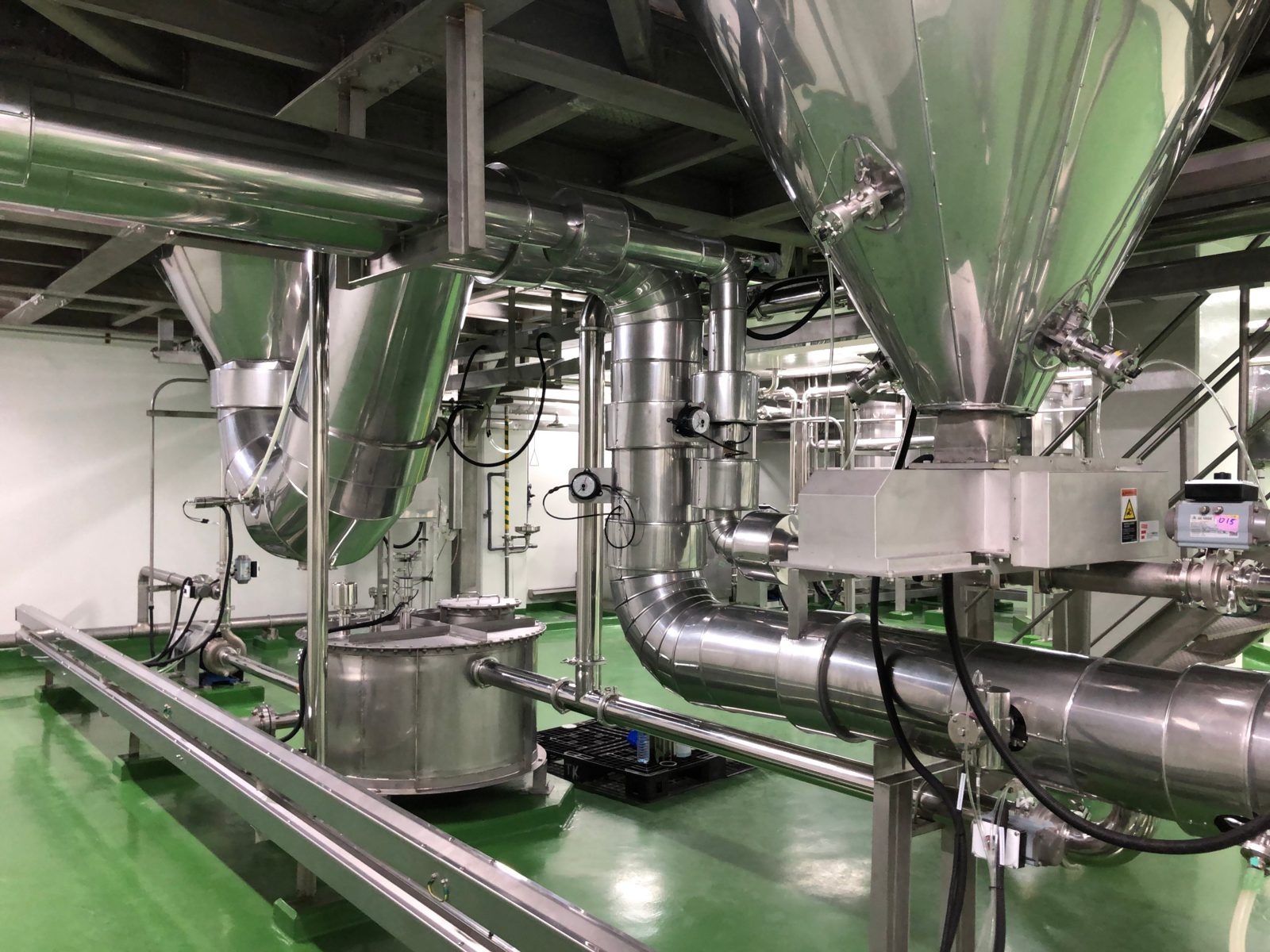
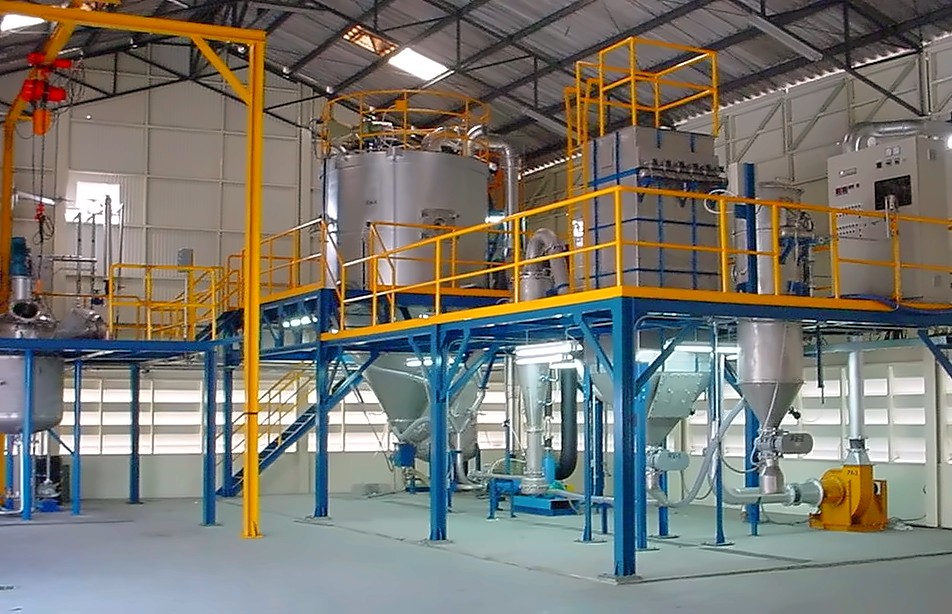
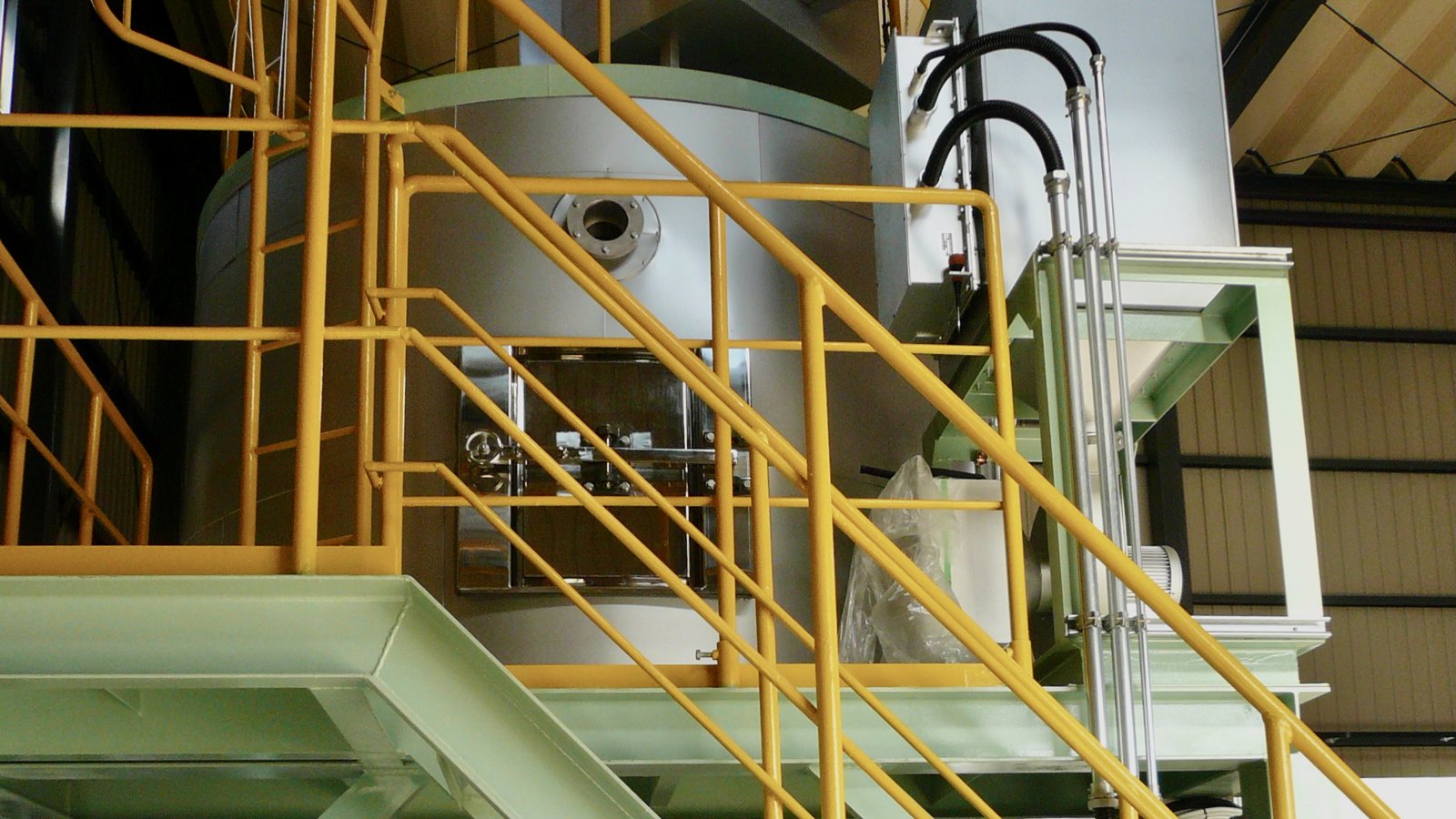
- Spray Drying – atomization into fine powders using optimized nozzles and conditions.
- Filling & Packaging – powders, granules, or tablets prepared for distribution.
Challenges
- Heat sensitivity of herbal actives leading to potential degradation.
- Hygroscopic components causing stickiness and process adhesion.
- Loss of volatile aroma compounds during drying.
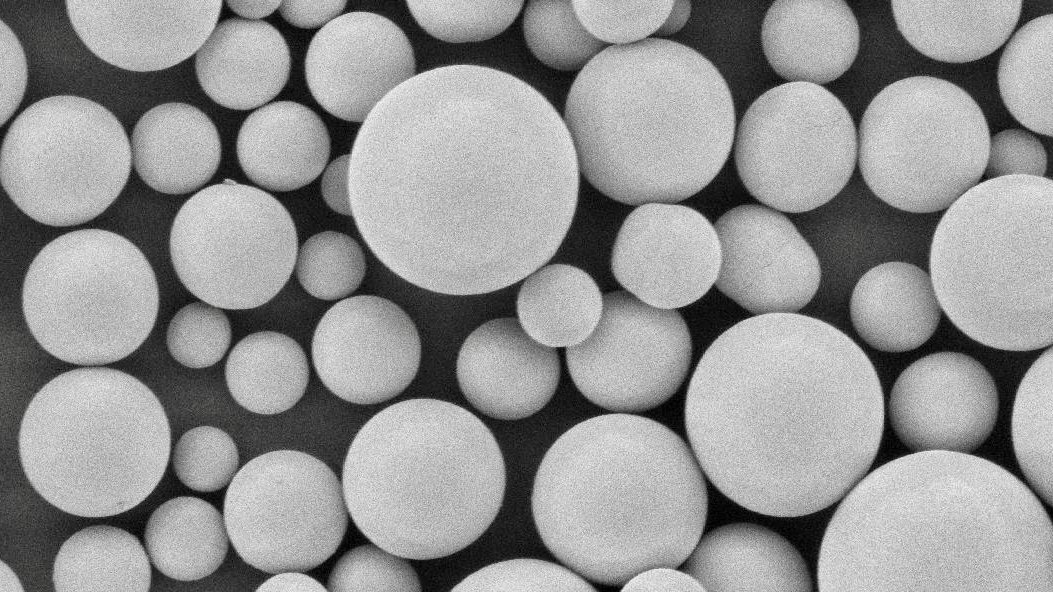
- Particle structure issues such as hollow or ruptured powders.
Solutions
- Low‑temperature spray drying to minimize thermal damage.
- Controlled process gas (dehumidified or inert air) to reduce adhesion and oxidation.
- Use of stabilizing additives such as maltodextrin, trehalose, and cyclodextrin to retain flavor, mask bitterness, and improve solubility.
- Optimization of recovery line conditions for consistent moisture, density, and powder quality.
Key Quality Parameters
- Particle size distribution for flowability and dosage control.
- Bulk density for efficient packaging and stability.
- Moisture content balance for shelf life and handling.
- Surface properties affecting solubility, color, taste, and texture.
Results
The optimized spray drying process produces herbal extract powders with consistent quality and high market value. Bioactivity of sensitive compounds is preserved, while powders show high solubility and easy redispersion for convenient consumer use. The powders are stable and free‑flowing, ensuring long shelf life, efficient packaging, and reliable dosing.
- Stable, free‑flowing powders
- Active ingredients preserved
- High solubility & dispersibility
- Long shelf life & lower logistics cost
From a commercial standpoint, spray drying reduces logistics costs, supports scalable production, and delivers versatile products for pharmaceuticals, nutraceuticals, functional foods, and natural flavoring applications.
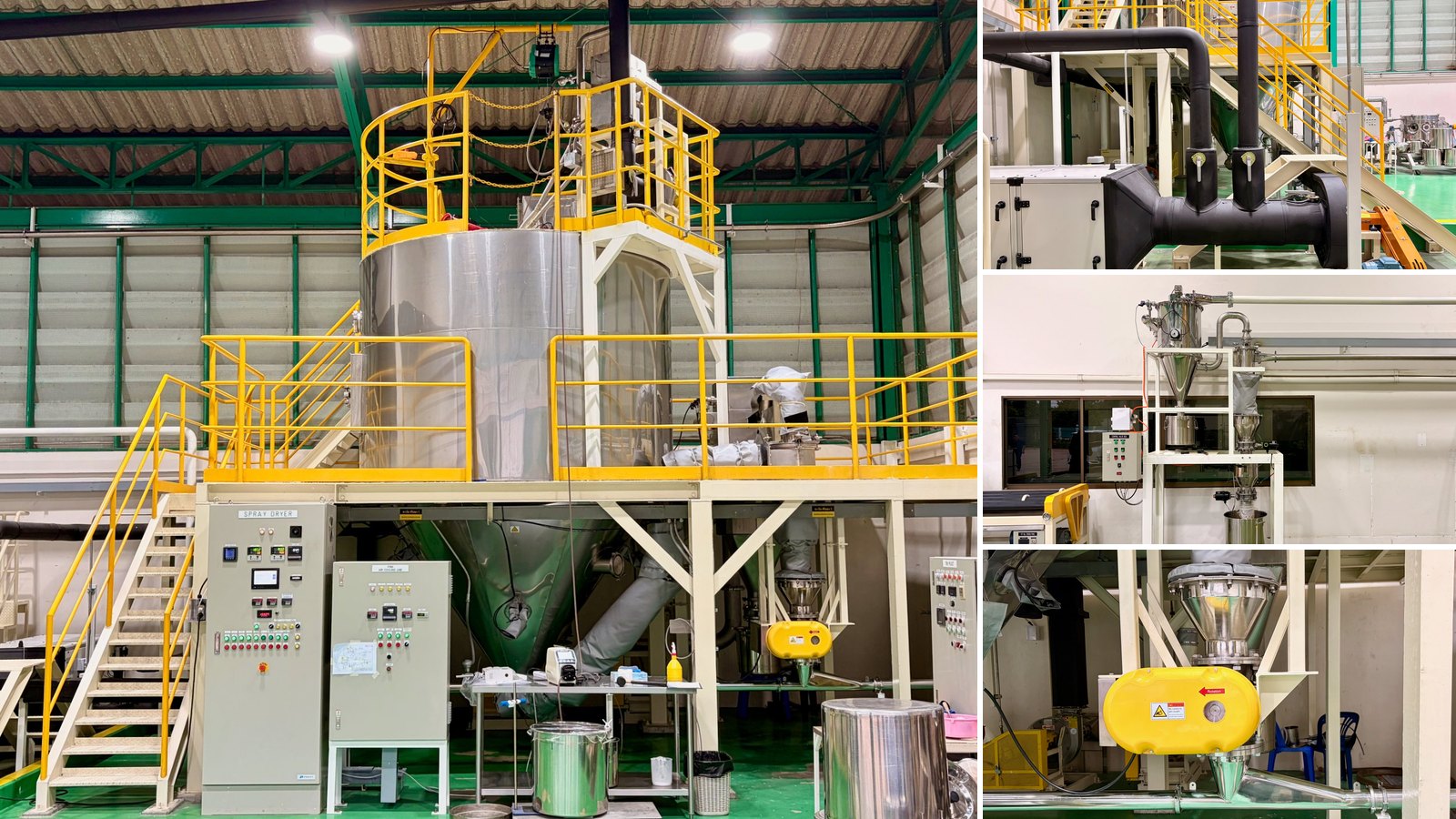
Powder Technical Center
With extensive experience in herbal extract spray drying, we provide:
- Tailored process design for each raw material and application.
- Three Powder Technical Centers (Japan & ASEAN) for R&D and scale‑up.
- PTC2 (2023) – Japan’s largest analytical and measurement facility.
- Cutting‑edge Freeze Granulation Technology – overcoming the limitations of spray- and freeze‑dried powders.
- One‑stop services – raw material preparation, powder processing, testing, and evaluation.