The by‑product
Egg breaking and egg‑product plants leave large volumes of shells. They are mostly calcium carbonate with a thin membrane, and are often discarded or sold at low value.
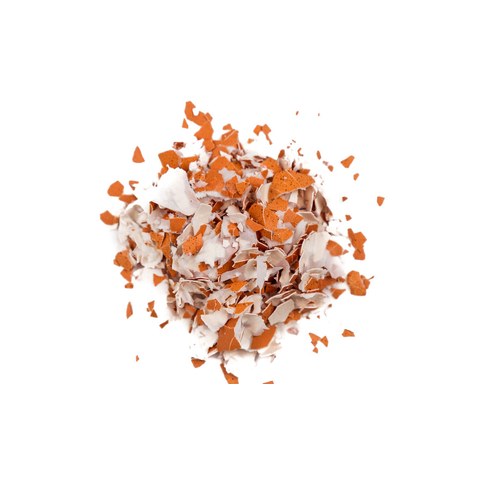
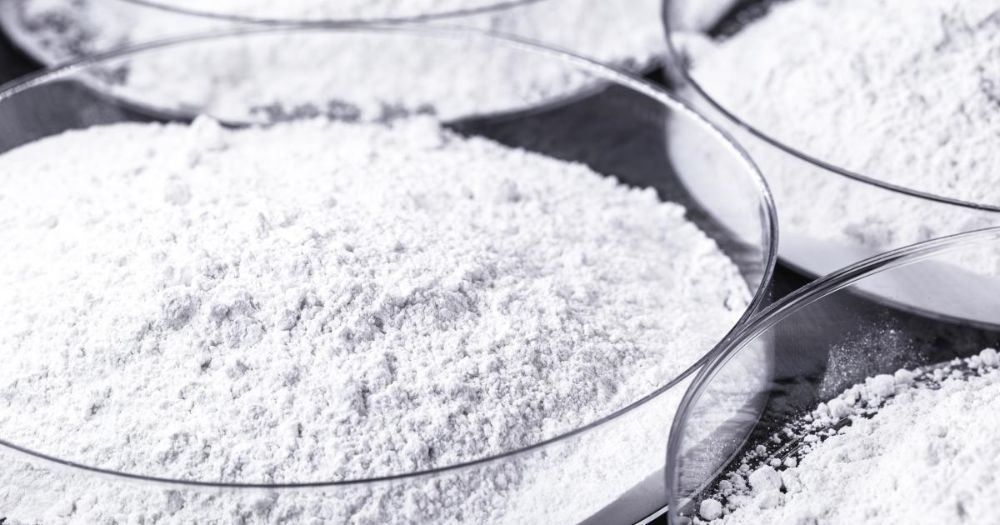
Dried and ground to a defined fineness, eggshell becomes bio‑calcium: a natural calcium source for food fortification and supplements.
Challenges
- Moisture: shells arrive wet and must be dried as part of the process.
- Fineness: food use needs a fine, consistent particle size; this line makes two grades, below 50 µm and single‑micron.
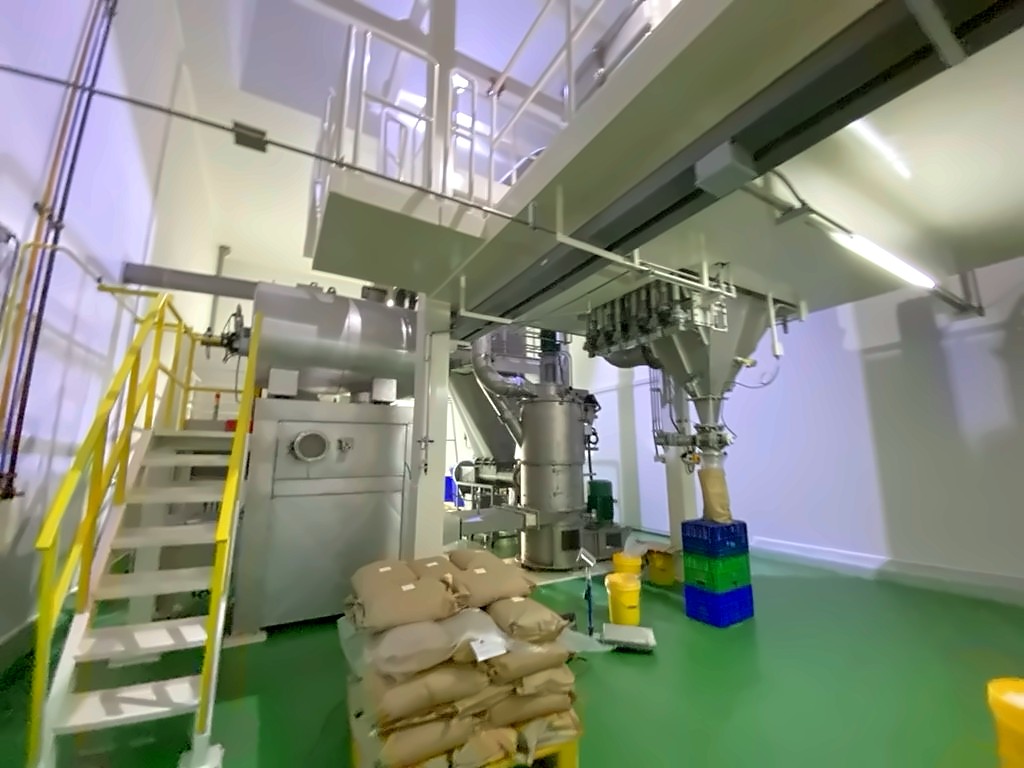
- Hygiene: a food ingredient needs clean, closed handling from intake to bagging.
The line
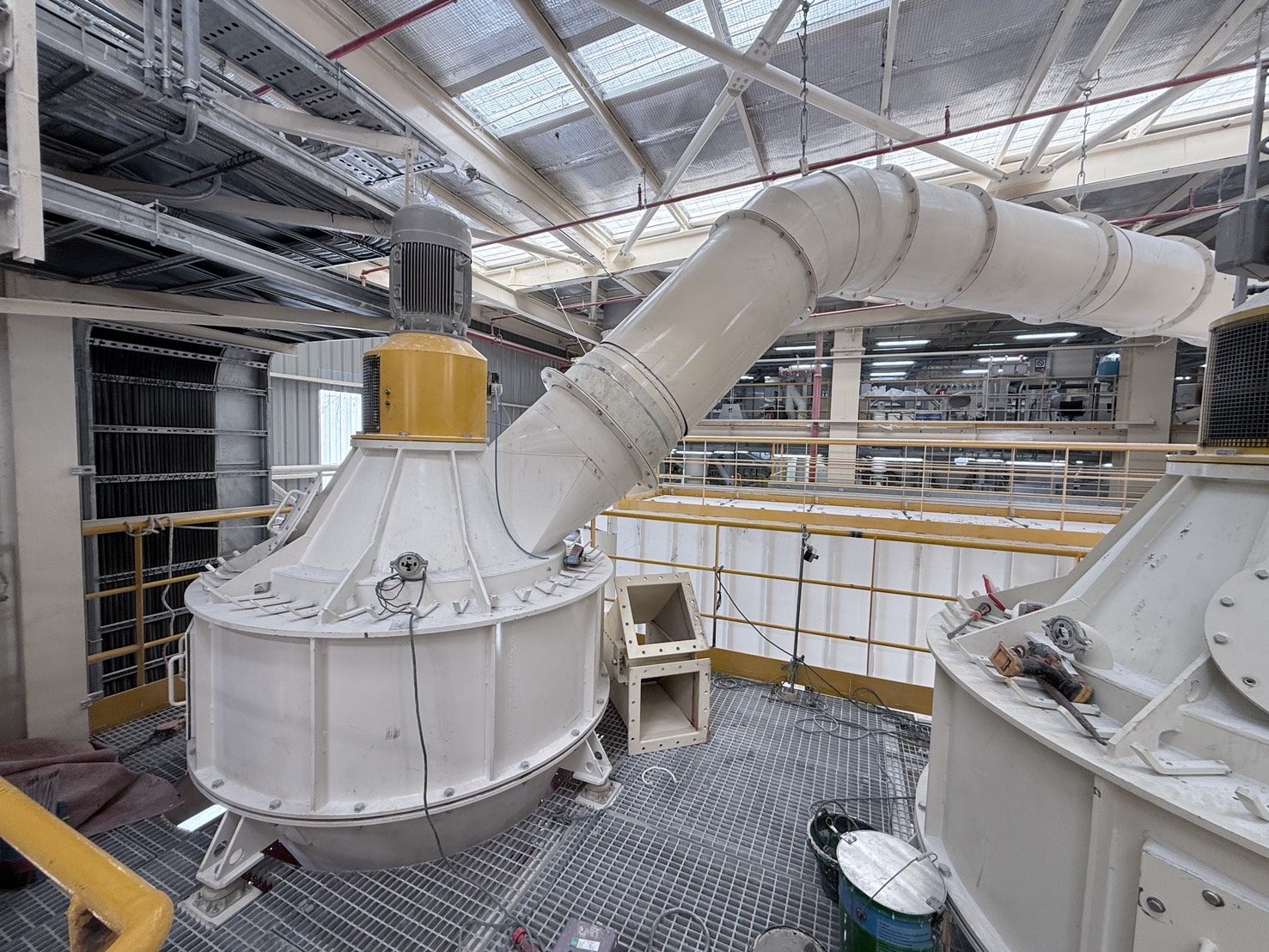
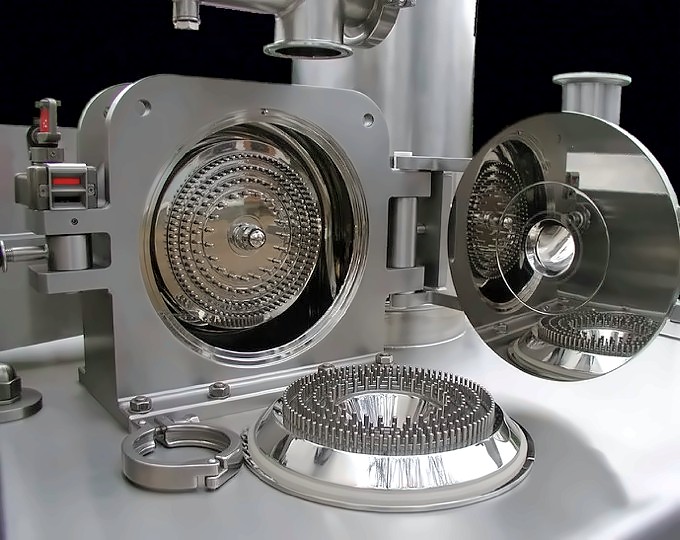
TSK supplied the line turnkey: POITTEMILL fine grinding and classification, an ACS cyclone for powder recovery, a hot gas generator for drying air, with the hopper, conveying, platform, electrical, control and automation around them.
Grinding, drying and classification run as one line, so the shell enters wet and leaves as a dry, fine powder. The line makes two products: one below 50 µm and one in the single‑micron range.
Applications
The coarser grade below 50 µm suits fillers, construction and feed; the single‑micron grade suits food, supplements, cosmetics and pharma.
- Compound materials: filler in plastics, bioplastics and rubber compounds, paints and coatings, and paper.
- Construction: additive in cement, mortar and ceramics.
- Agriculture and feed: calcium for poultry and animal feed, and soil conditioning.
- Food: calcium fortification of bakery, noodles, dairy and beverages.
- Supplements: natural calcium for tablets, capsules and powders.
- Cosmetics and oral care: mild abrasive in toothpaste and a base powder in cosmetics.
- Pharma: calcium carbonate as an active or excipient, and a calcium source for hydroxyapatite in bone and dental materials.