Background
Collagen is the most abundant protein in the human body, providing elasticity and strength to skin, hair, bones, tendons, and organs. As natural collagen synthesis declines with age, supplementation with collagen peptides—enzymatically hydrolyzed, easily soluble forms of collagen—has become widely adopted in foods, beverages, cosmetics, pharmaceuticals, and supplements. With the global collagen peptide market projected to reach nearly US$2 billion by 2035, efficient and reliable spray drying technologies are essential to meet increasing demand.

Process Flow
The collagen peptide production process involves:
- Pre‑treatment & Extraction – raw materials from bovine, porcine, poultry, or marine sources.
- Enzymatic Hydrolysis – collagen broken into smaller, bioavailable peptides.
- Filtration, Concentration & Sterilization – ensuring purity and stability.
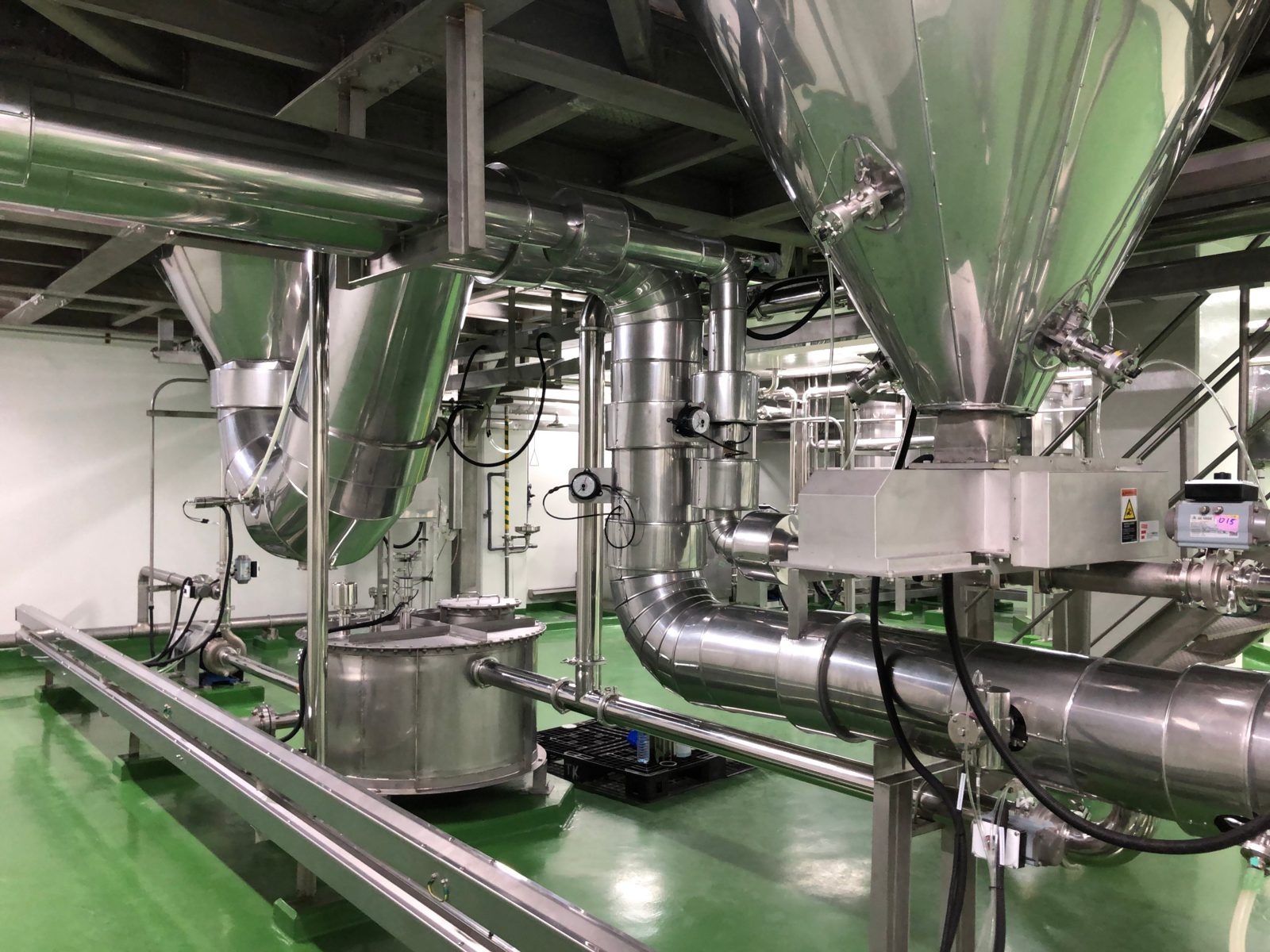
- Spray Drying – gentle atomization into stable, free‑flowing powders.
- Post‑Processing – granulation, blending, or tableting depending on application.
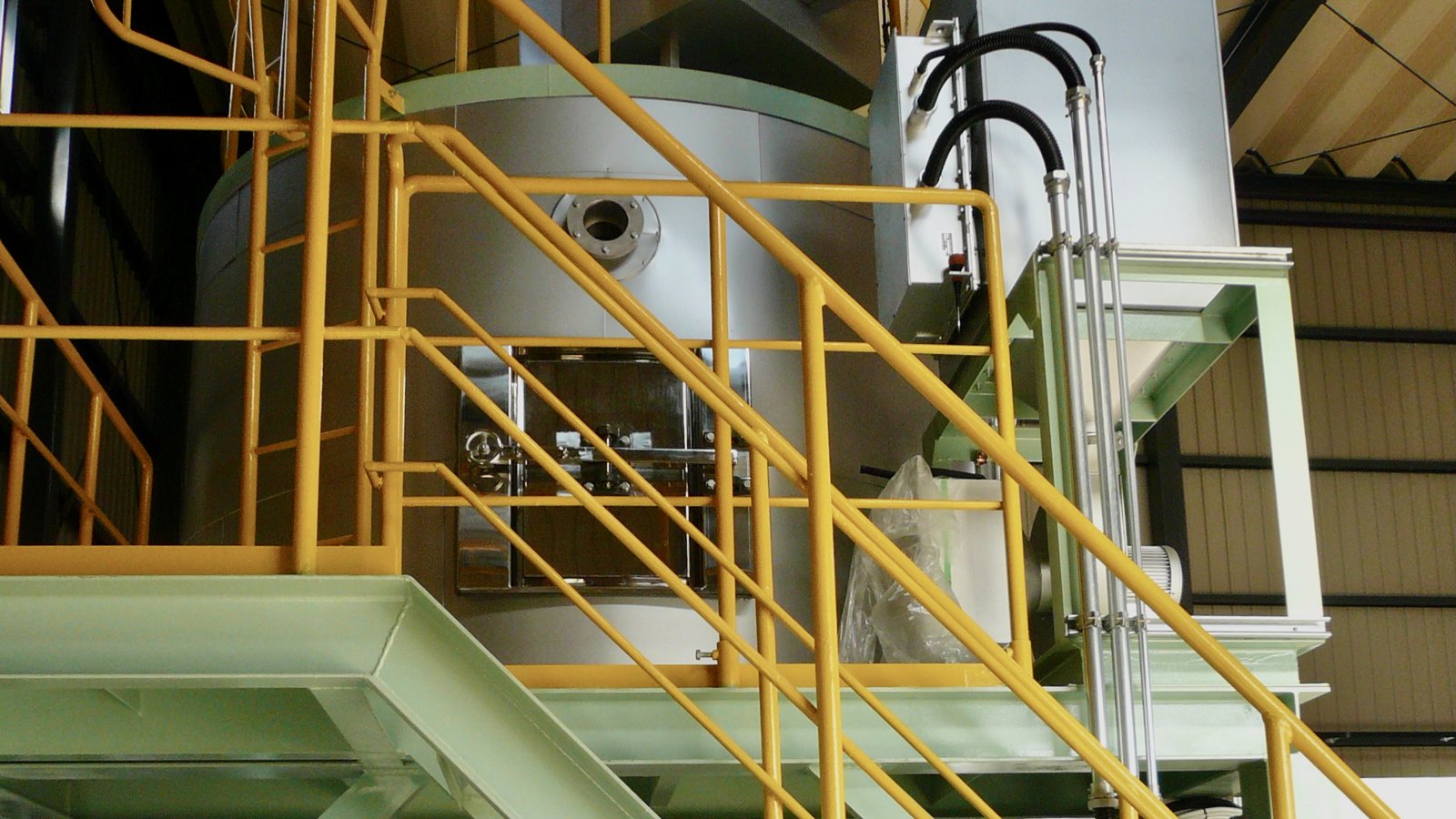
Spray Drying Challenges
- Heat Sensitivity – risk of peptide degradation and discoloration.
- Hygroscopicity – powder adhesion inside the chamber or reabsorption of moisture.
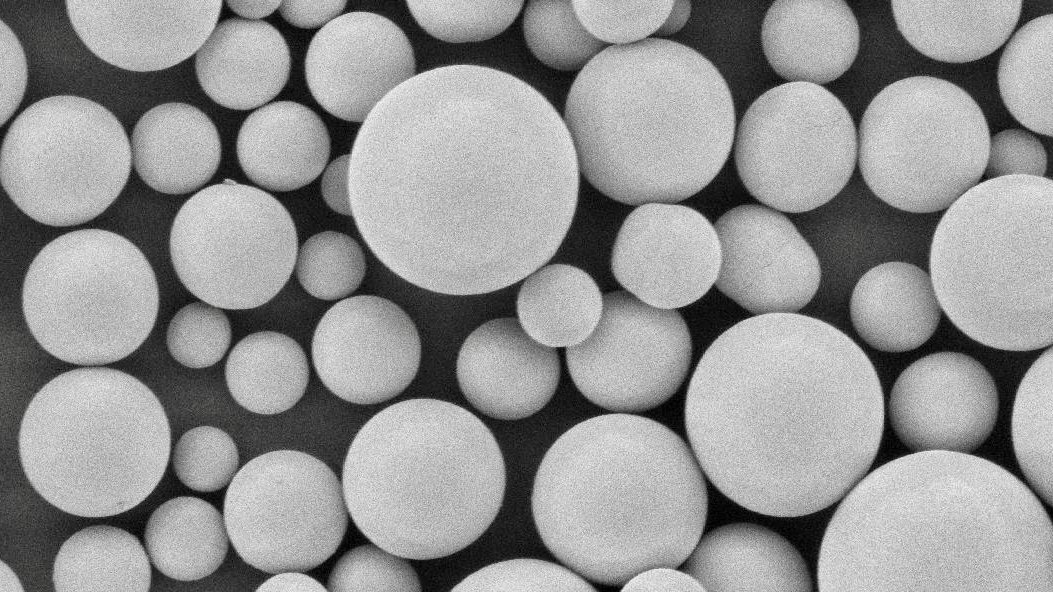
- Particle Uniformity – risk of swelling, hollowing, or ruptured particles.
- Powder Recovery – reduced yield from wall deposition or sticking.
Solutions
- Low‑temperature spray drying to minimize thermal damage.
- Controlled process gas (dehumidified or inert air) to reduce adhesion and oxidation.
- Optimization of recovery line conditions for consistent moisture, density, and powder quality.
Key Quality Parameters
- Particle Size Distribution – flowability and filling stability.
- Bulk Density – consistent dosing and packaging efficiency.
- Moisture Content – balanced for shelf life without caking.
- Surface Properties – solubility, wettability, color, and taste.
Customer Results
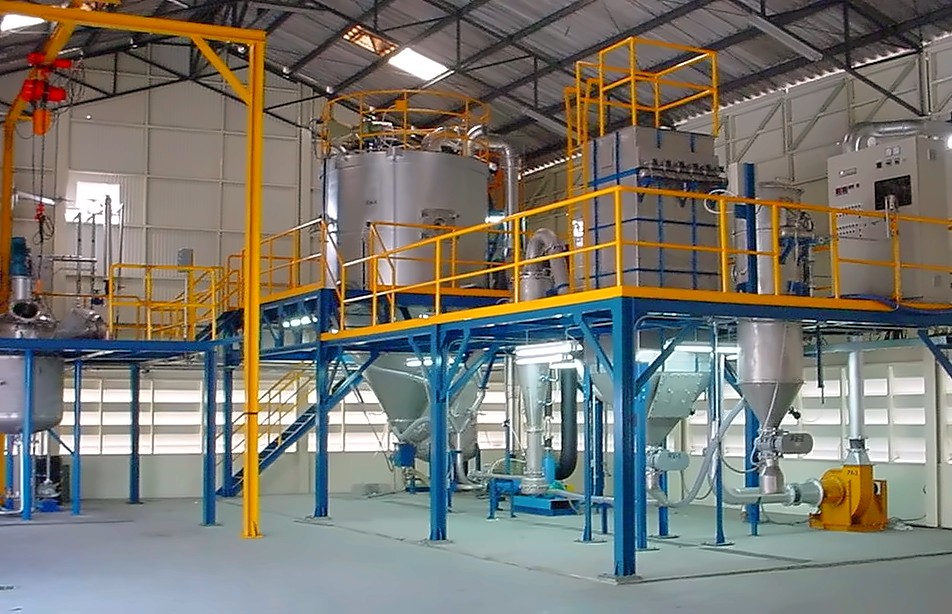
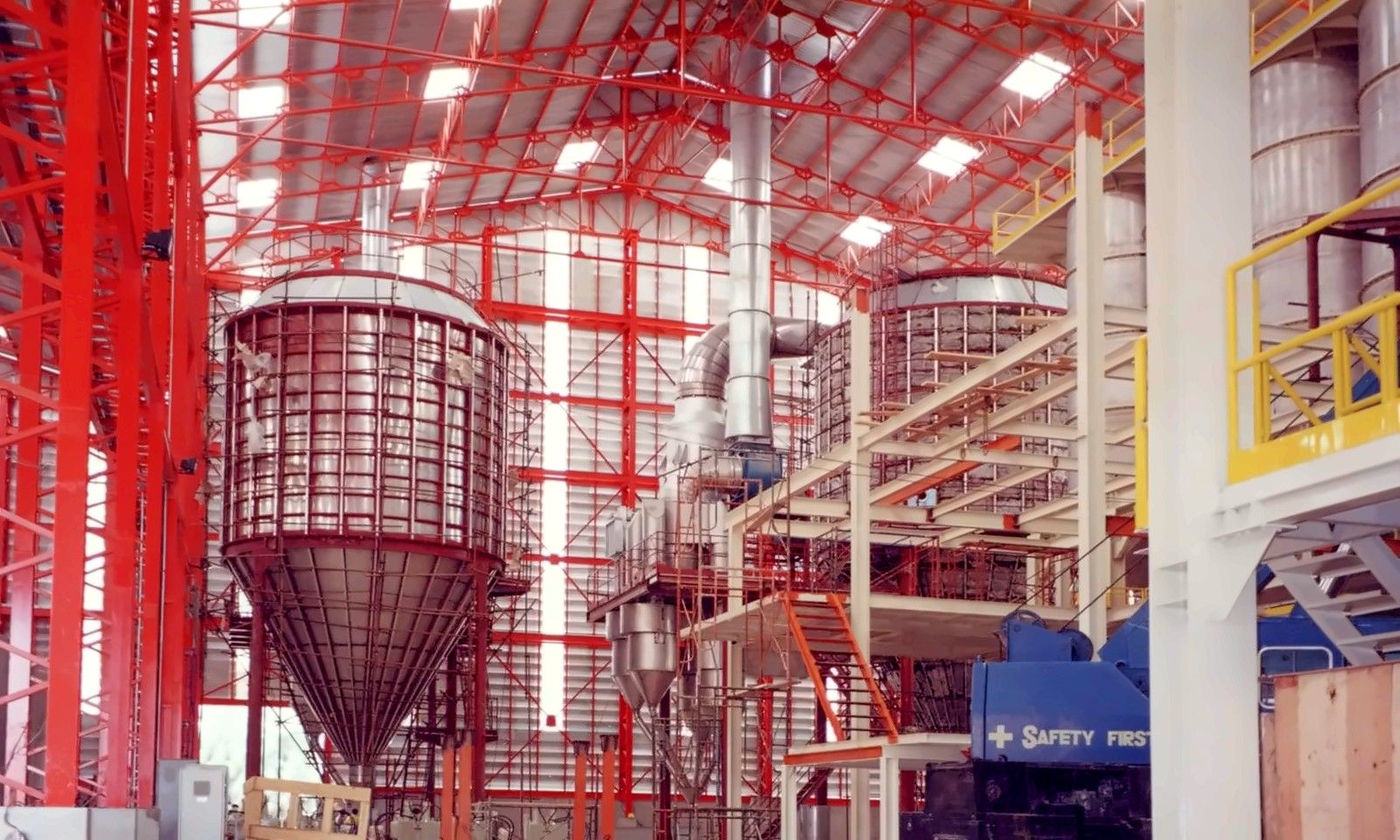
One customer began with a single spray dryer for collagen peptide production and, due to rising demand, expanded to multiple full‑scale plants. By adopting our spray dryers from R&D to pilot to commercial scale, and by retrofitting existing facilities with our latest technologies, they achieved:
- Higher production efficiency and yield.
- Stable, high‑quality powders meeting pharmaceutical and food‑grade requirements.
- Ongoing improvements through collaboration with our Powder Technical Centers (PTCs), which provide R&D support, testing, and advanced analysis.
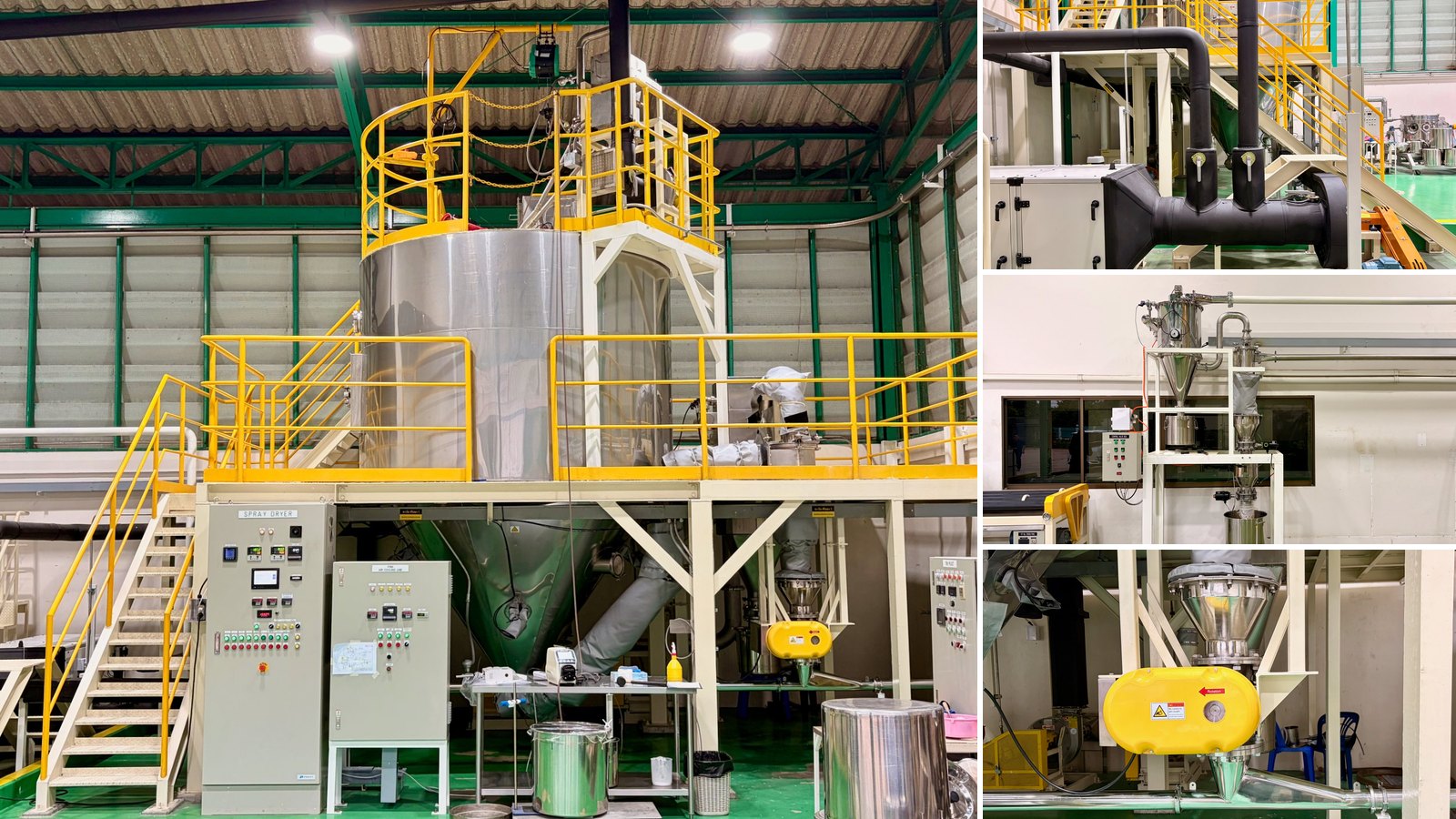
Powder Technical Center
With extensive experience in collagen peptide spray drying, we provide:
- Tailored process design for each raw material and application.
- Three Powder Technical Centers (Japan & ASEAN) for R&D and scale‑up.
- PTC2 (2023) – Japan’s largest analytical and measurement facility.
- Cutting‑edge Freeze Granulation Technology – overcoming the limitations of spray- and freeze‑dried powders.
- One‑stop services – raw material preparation, powder processing, testing, and evaluation.