Background
Spray drying is a continuous process that dries a sprayed liquid in a stream of hot gas within seconds, so coating, odour and taste control, and microencapsulation can happen during powder production itself. By adding a polymer to the liquid feed as a wall material, a thin film forms on the core material as each droplet dries. Film thickness is set by the type and amount of wall material. Compared with other drying processes, spray drying needs a short drying time and puts less thermal load on the product.
Common wall materials include starches such as dextrin, sugar solutions, gelatin, gum arabic, binders such as PVA, PVP and PEG, aminoacrylic methacrylate copolymers, and cellulose‑based materials such as hydroxypropyl cellulose (HPC), hydroxypropyl methylcellulose (HPMC), ethyl cellulose and cellulose acetate phthalate. For microencapsulation, glycerin, oils and fats, cellulose‑based substances, polylactic acid and other polymers are also used.
Purposes and Applications
The main purposes of forming a film on the core material:
- Granulation – binding fine particles into free‑flowing granules.
- Powderization of liquids – useful oils such as EPA and DHA, fragrances, even powdered alcohol.
- Protection and stabilization – shielding the core from oxygen, water and light; preventing vitamin oxidation.
- Release control – sustained and enteric release in drug delivery systems (DDS), pharmaceuticals and pesticides, and timed release of several core substances.
Applications are mainly in food, pharmaceuticals, chemicals and inorganic materials: taste masking and odour control, controlling disintegration and strength, preserving the flavour of fragrances, and improving solubility by making substances amorphous. A wall material can also be added to a waste liquid before spray drying to seal in its toxicity and recover it as a dry powder. With the right coating additive and a low drying temperature, powdered alcohol keeps a high residual alcohol content; redissolved in water, it restores both the alcohol and its flavour.
Spray Drying Challenges
- Thermal denaturation – heat‑sensitive core materials need protected drying conditions.
- Volatile loss – low‑boiling components evaporate during drying.
- Particle structure – drying forms a dense outer shell and a low‑density or hollow interior.
- Segregation – components of different size and density separate inside the granule.
As a droplet dries, solvent evaporates from its surface and moisture moves outward, carrying solids with it, so the droplet shrinks and the particle forms from the outside in. In a suspension of several components with different particle size and density, the components can segregate inside the granule. Understanding the raw materials and the size, density and internal structure of the particles is the basis for setting the operating conditions.
Solutions
- Liquid formulation and dryer operating conditions optimized together to form a proper film.
- Wall material type and amount selected to set film thickness and release rate.
- Carriers such as maltodextrin, cyclodextrin and oligosaccharides to retain volatile components. Cyclodextrin holds volatile molecules in its hydrophobic cavity, which reduces losses during drying and slows the release of flavour in the product.
- Drying temperature and process gas flow set for heat‑sensitive cores; inert gas (nitrogen) as the process gas to prevent oxidation.
- Inorganic shell – very fine particles such as silica, talc or pyrophyllite added with a wall material to the slurry form an inorganic shell around the core.
Experiments – Surface Treatment of Ceramic Particles
Film thickness and coating rate depend on the internal structure of the granules, such as density and porosity. PRECI tested spray drying for the surface treatment of fine ceramic particles. The results were presented jointly by PRECI and the (then) Malvern Division of Spectris Co., Ltd. at the 30th Autumn Symposium of the Ceramic Society of Japan, 2017.
Experiment 1 – Silica Slurry with Different PVA Concentrations
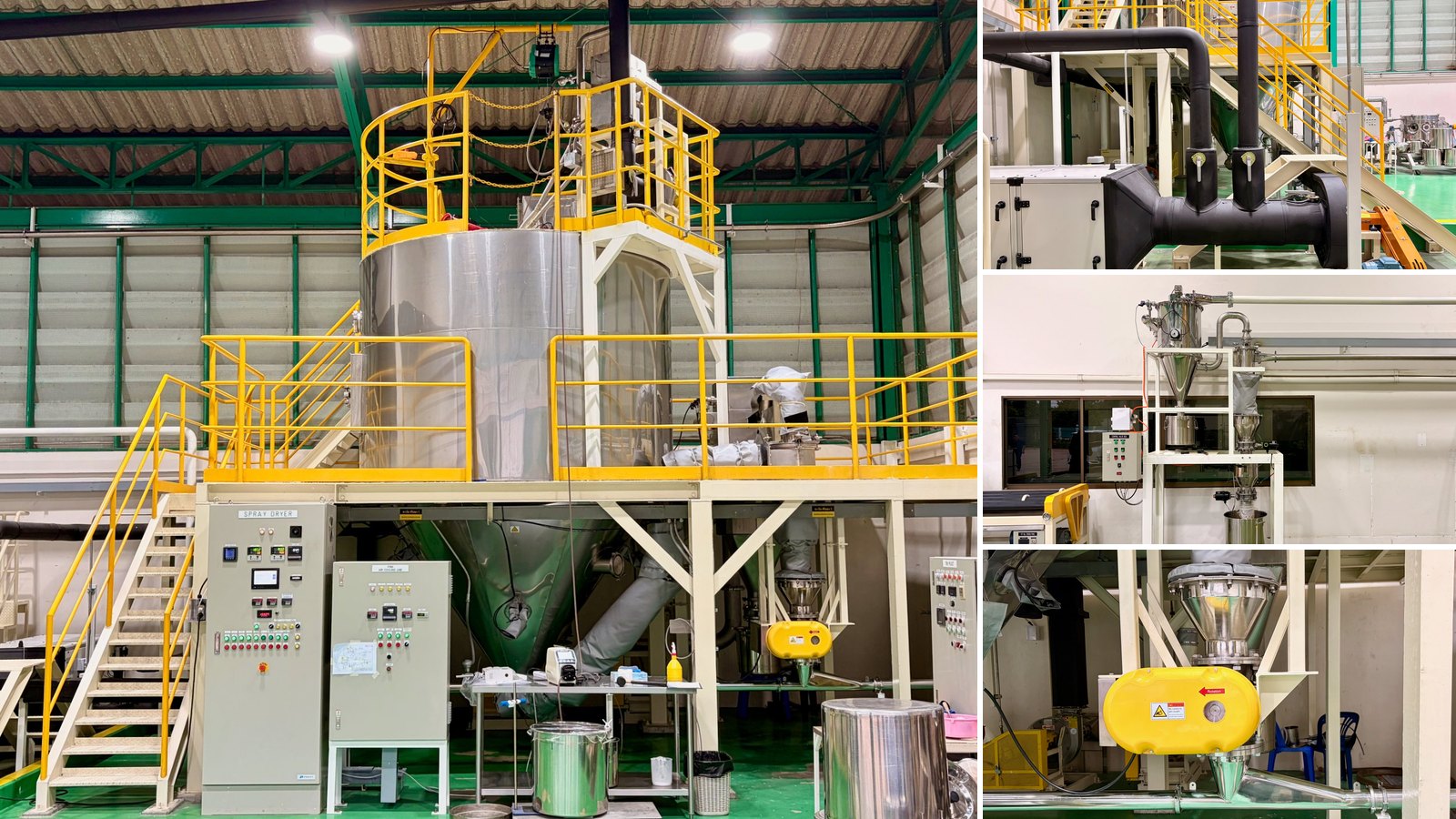
- Spray dryer TR160, two‑fluid nozzle at 0.5 MPa, product collected by cyclone.
- Inlet 150 °C, outlet 75–80 °C, feed rate 5 kg/h.
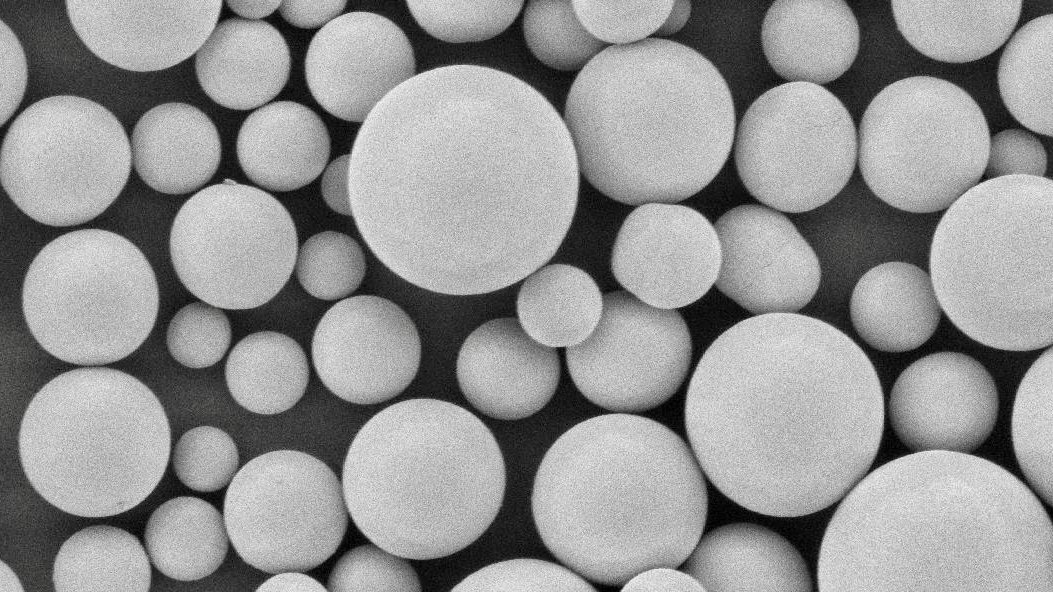
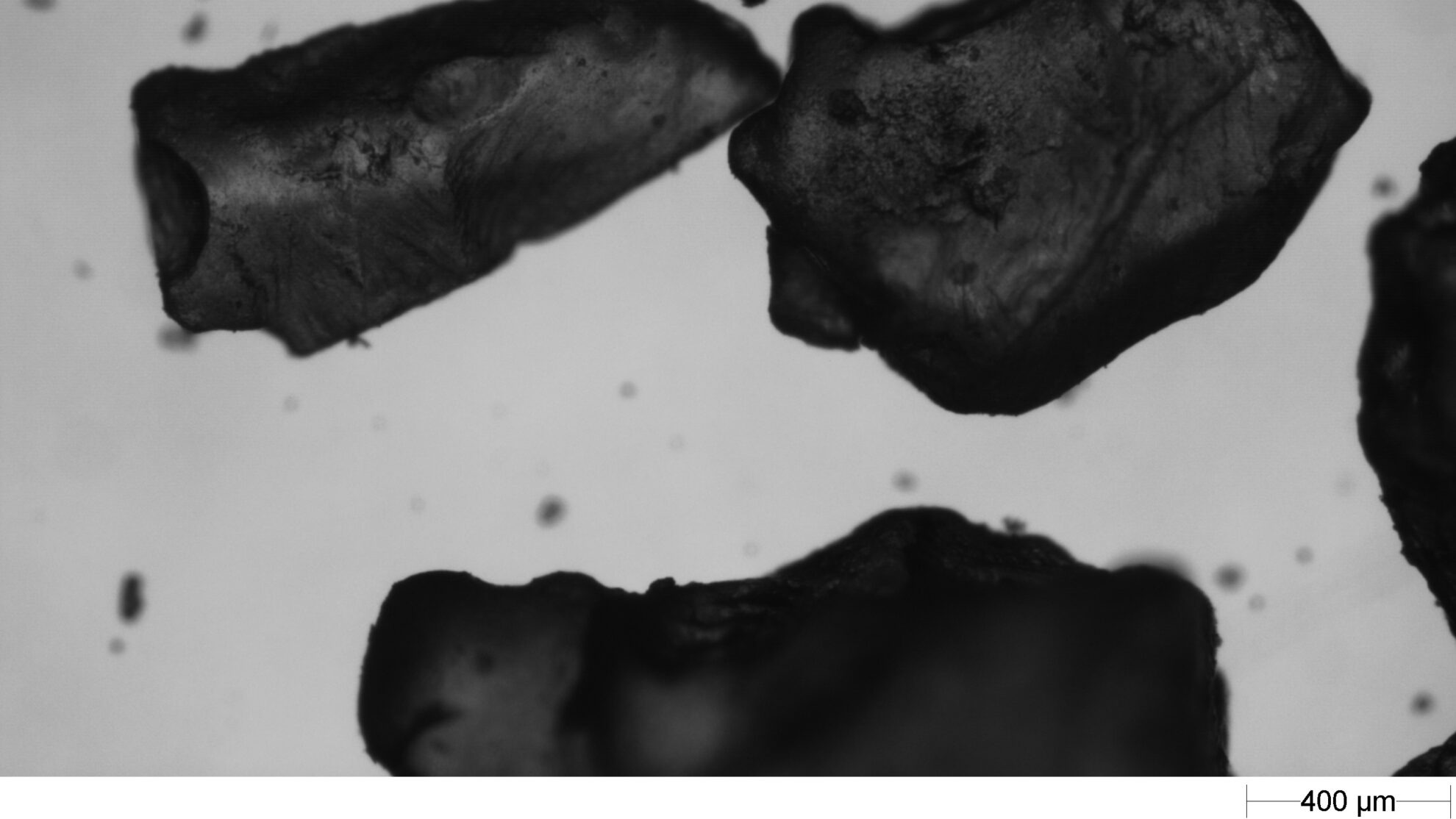
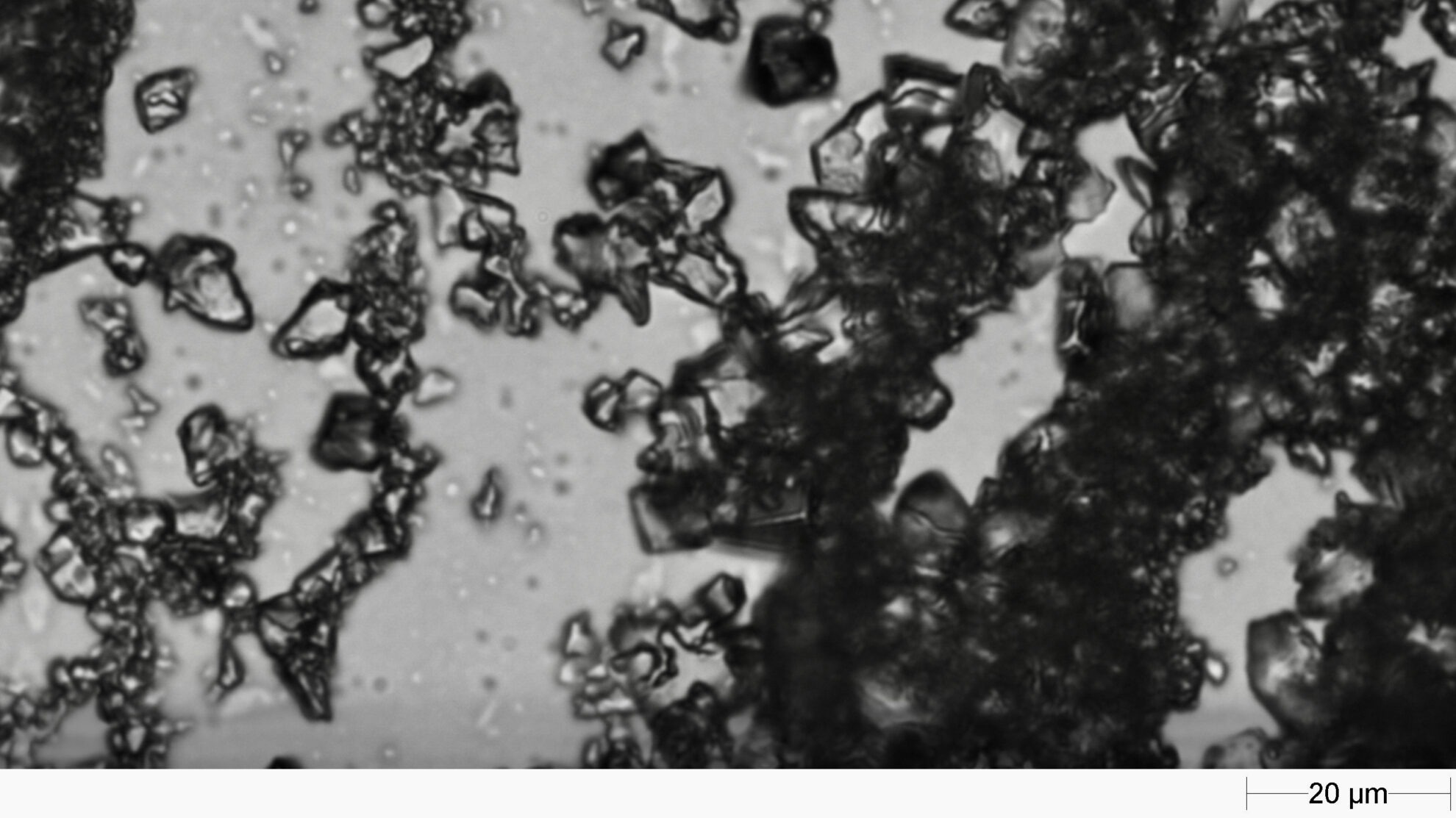
- Silica ball‑milled for 88 hours to Dv50 5.1 µm, then made into four slurries: (1) silica 12.5 wt%, PVA 0.6 wt%; (2) silica 12.5 wt%, PVA 1.2 wt%; (3) silica 25.0 wt%, PVA 1.2 wt%; (4) silica 6.3 wt%, PVA 0.3 wt%; balance water.
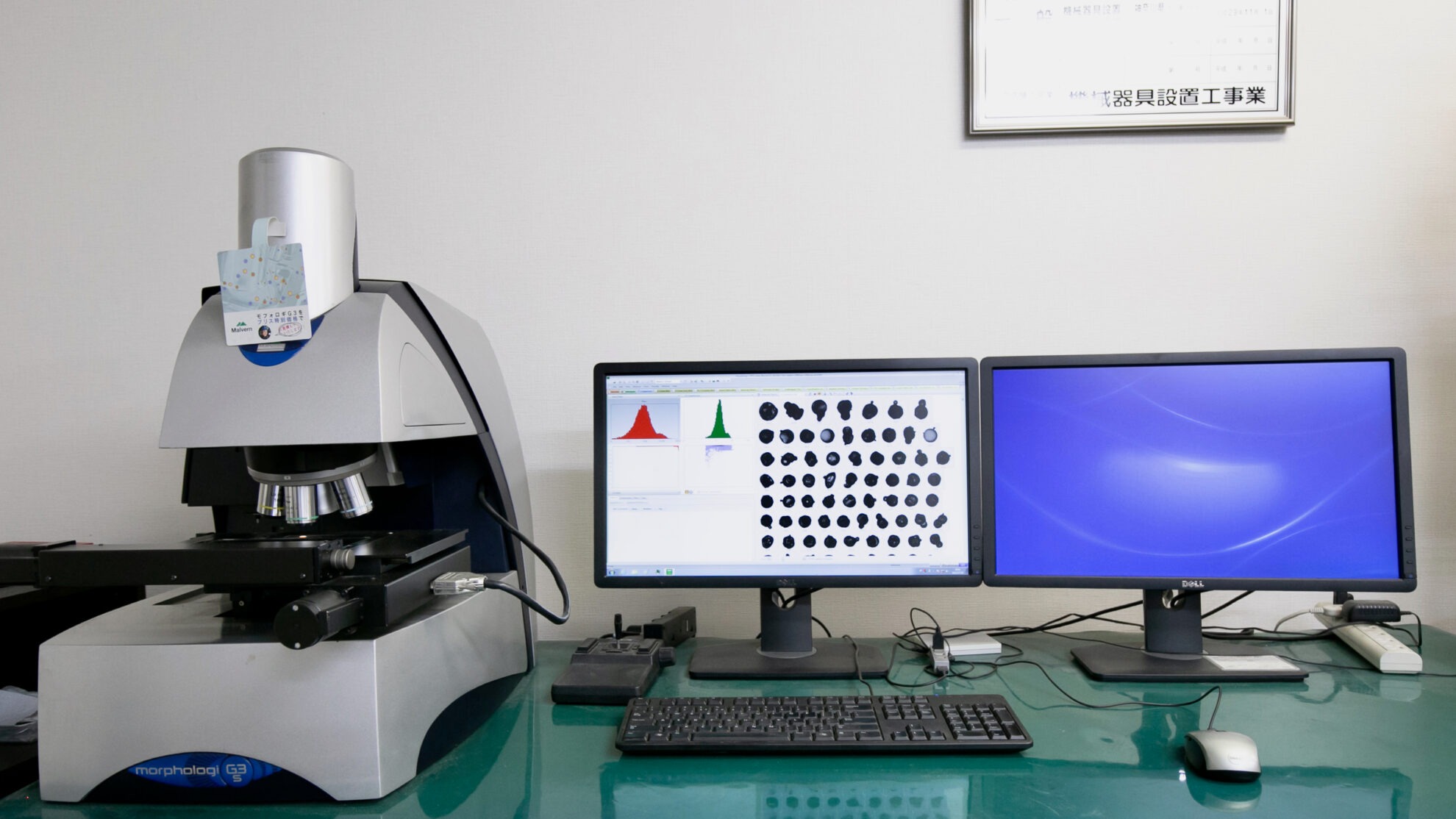
- Evaluation with the Morphologi G3 particle image analyzer (Malvern Panalytical): dispersed particles imaged for size and shape.
Results
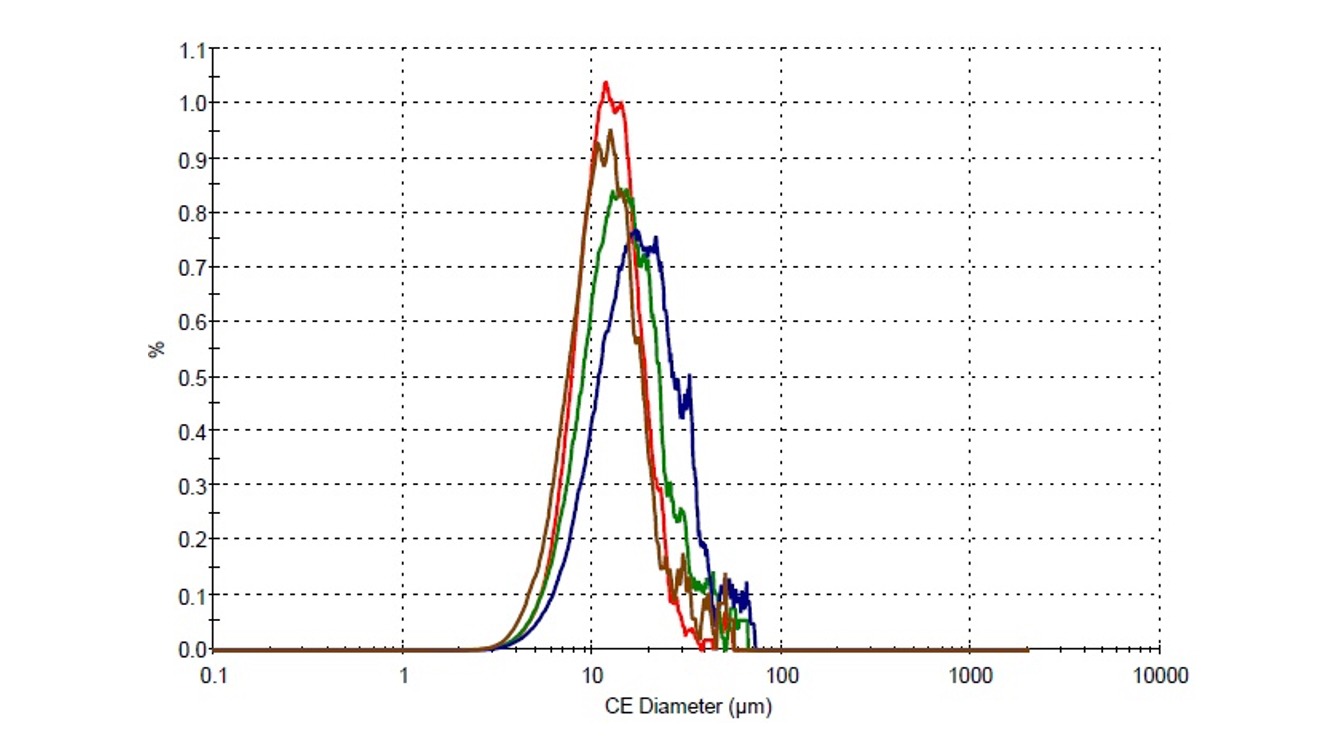
- Granule size (Dv50) increased with silica and PVA concentration: 11.7 µm (silica 6.3%, PVA 0.3%), 12.1 µm (12.5%, 0.6%), 14.1 µm (12.5%, 1.2%) and 17.4 µm (25.0%, 1.2%).
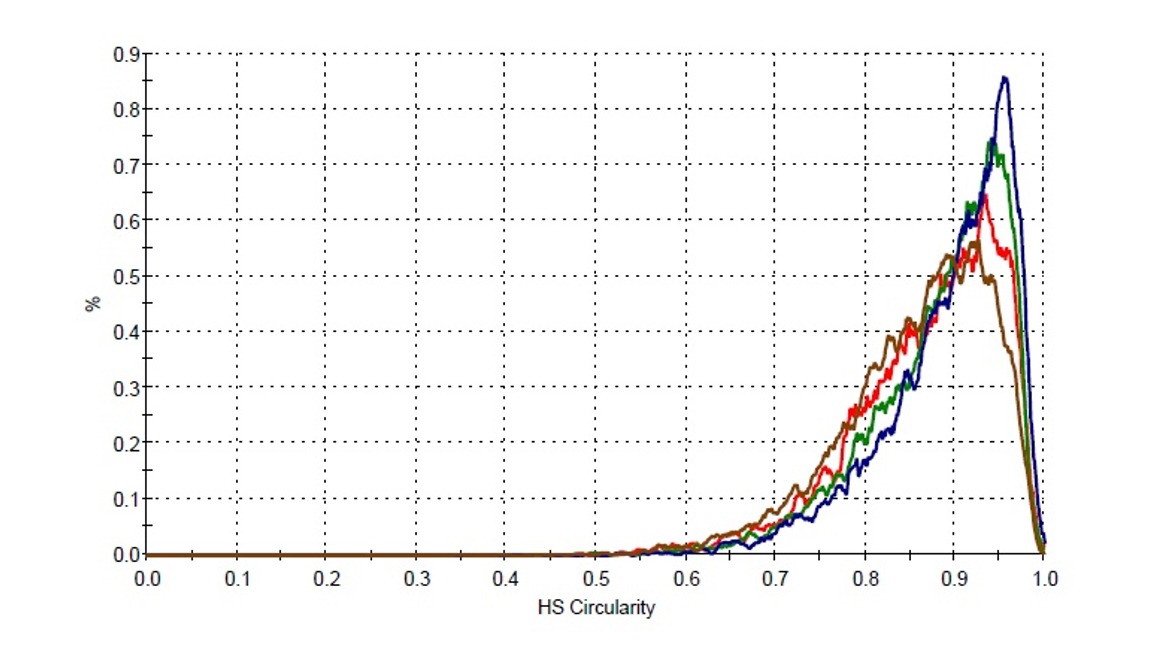
- Circularity (Dn50, particles extracted by brightness value) rose in the same order: 0.87, 0.89, 0.90 and 0.91. Higher silica and PVA concentrations gave more complete coating.
Experiment 2 – Coating Glass Beads with Alumina Powder and PVA
- Spray dryer TR160, rotary atomizer at 6,000 and 12,000 rpm; product collected in the chamber and cyclone, chamber powder evaluated.
- Inlet 200 °C, outlet 80–90 °C, feed rate 5 kg/h.
- Slurry: glass beads 18.0 wt% (Dv50 49.1 µm), alumina 1.8 wt% (Dv50 0.5 µm), PVA 0.2 wt%, water 80.0 wt%.
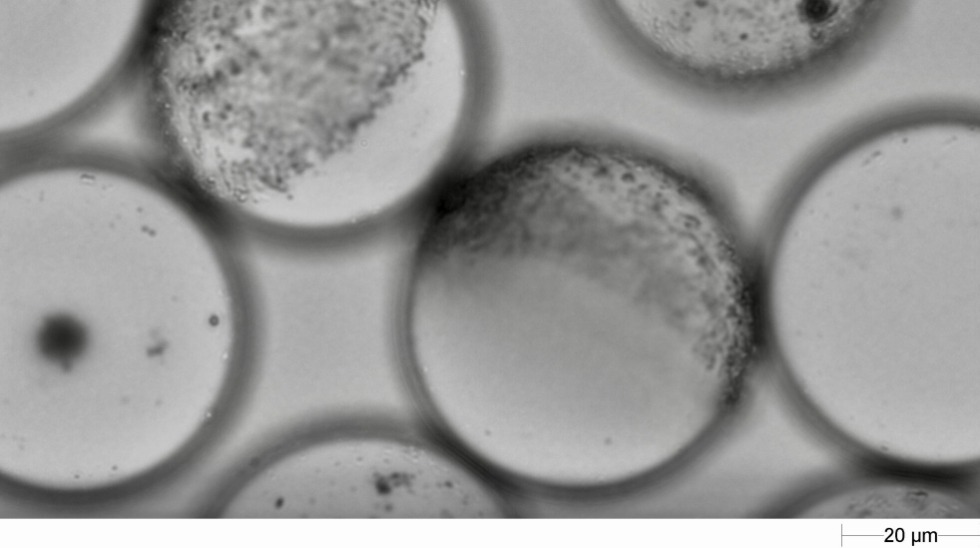
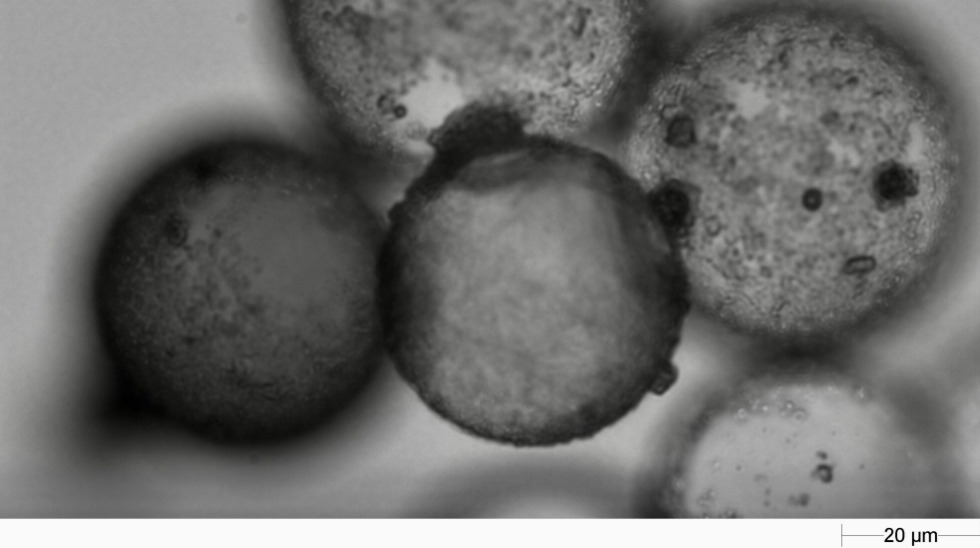
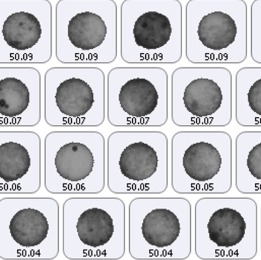
- Evaluation with the Morphologi G3. Coating was checked by immersion transillumination, which passes light only through the glass beads.
Results
- At 12,000 rpm the high speed gave small droplets, and the glass beads were only partly coated.
- At 6,000 rpm the lower speed gave larger droplets, and the beads were completely coated with alumina.
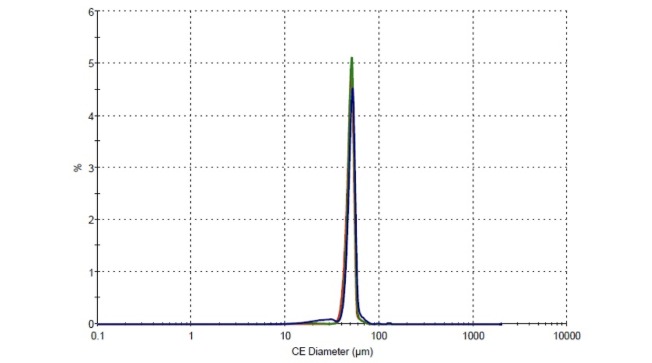
- Granule size (Dv50): glass beads 49.1 µm, 12,000 rpm 49.8 µm, 6,000 rpm 50.6 µm. The larger granules at 6,000 rpm mean higher coverage; with 0.5 µm alumina it could not be confirmed whether multiple layers formed.
- The number distribution (Dn50) also showed fine particles that were not glass beads, and aggregates of uncoated alumina and PVA.
- Circularity: Dn50 comparable (0.99, 0.99, 0.98). At Dn10, glass beads 0.98, 12,000 rpm 0.93 and 6,000 rpm 0.89: the 6,000 rpm granules were less round.
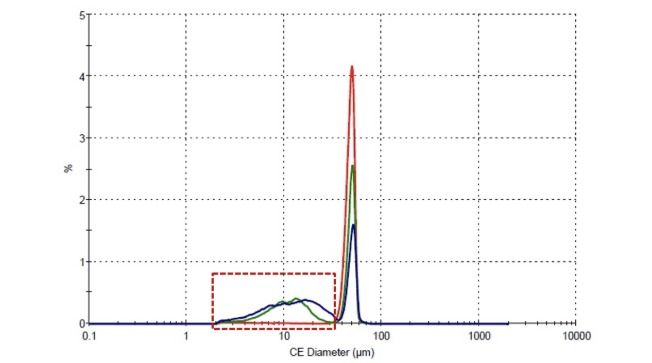
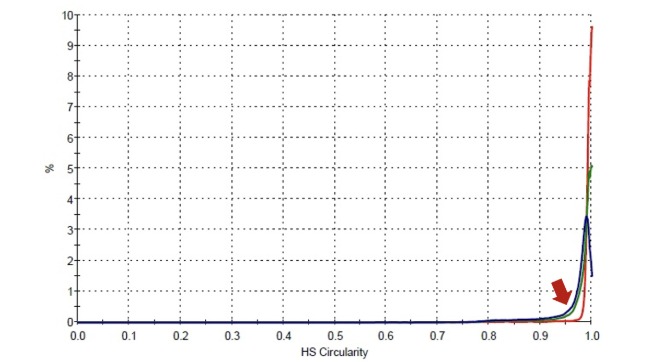
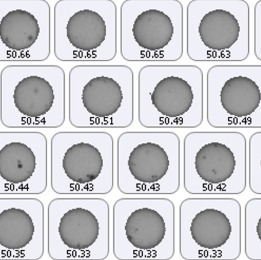
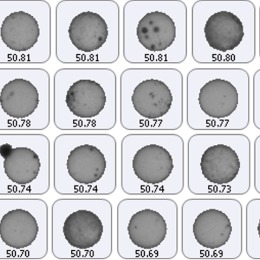
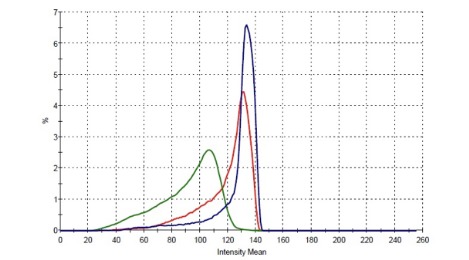
- Coating amount: alumina blocks transmitted light, so brightness correlates with the amount of coating. Average brightness of particles of 40–60 µm confirmed clear differences between the conditions.
- Atomizer speed is a direct lever on coating coverage.
Powder Technical Center
PRECI spray dryers have a proven track record in coating, odour and taste control, and microencapsulation. With this experience, we provide:
- Tailored process design and operating conditions for each core material and wall material.
- Freeze granulation, a newer powder process that can overcome weaknesses of spray‑dried and freeze‑dried, pulverized products.
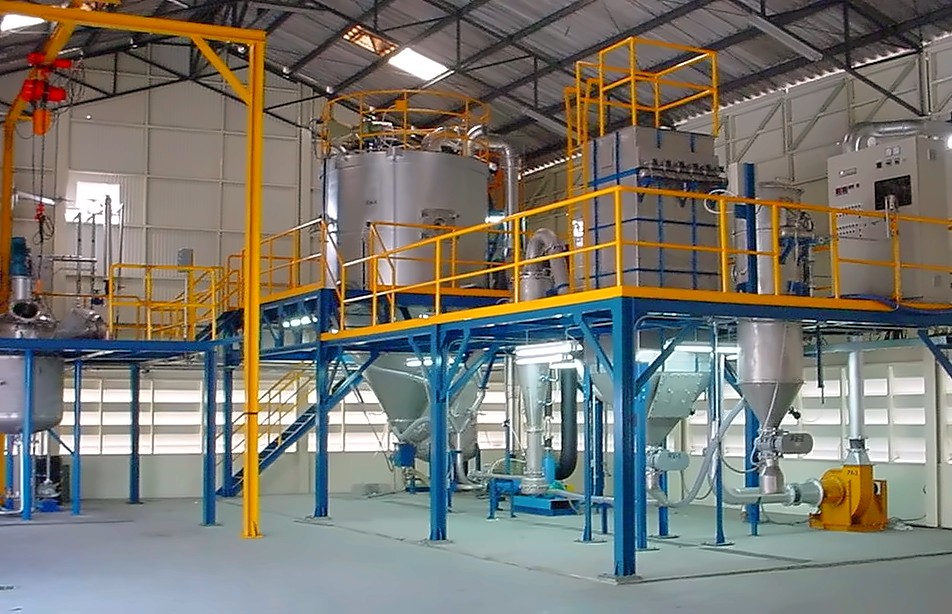
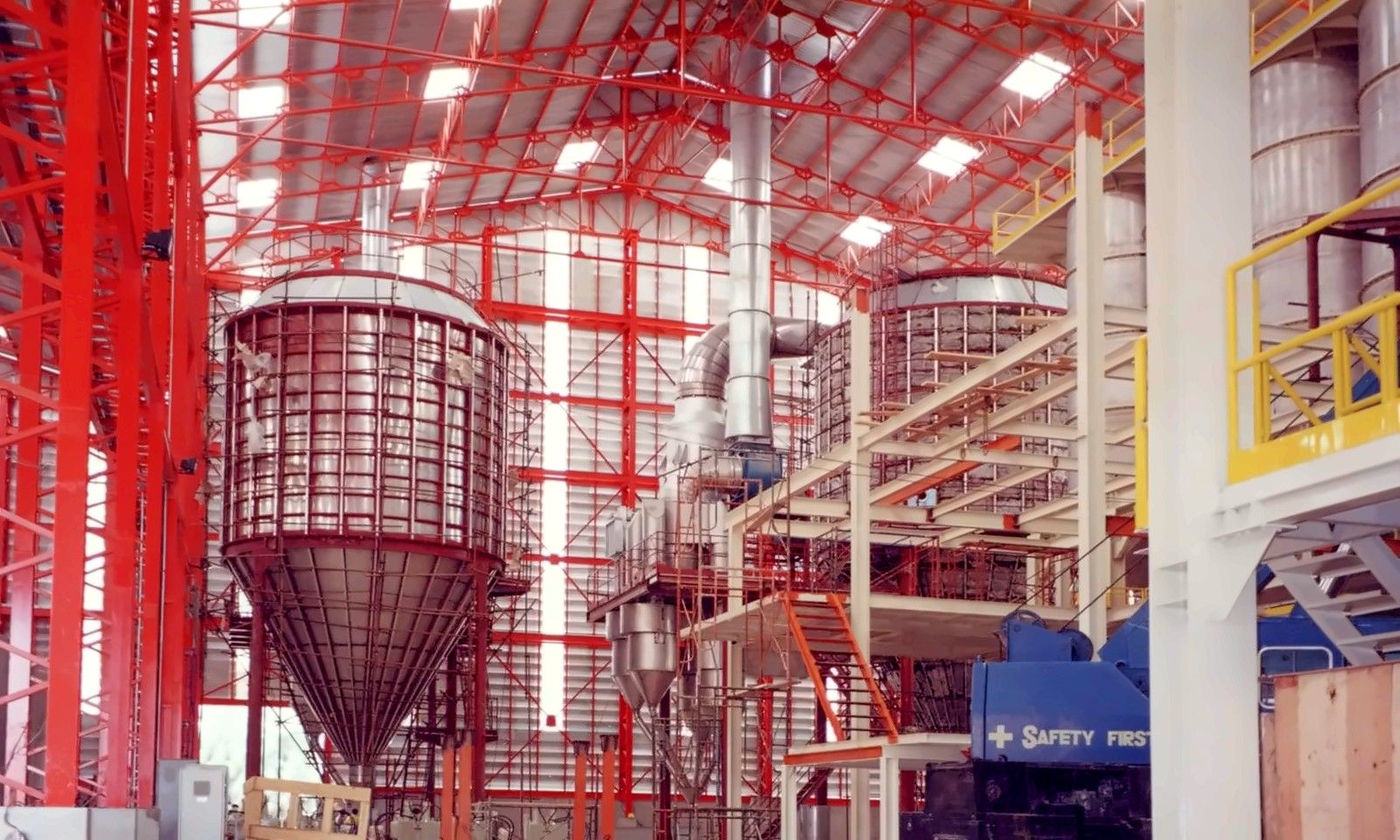
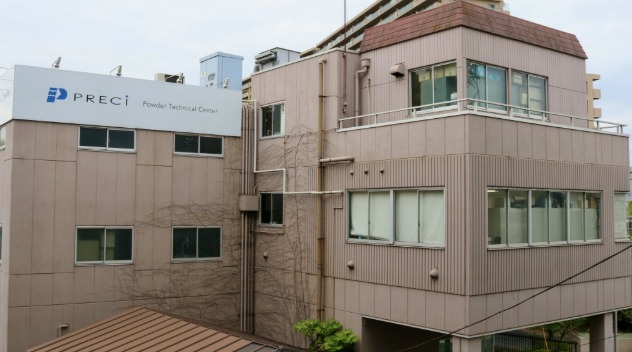
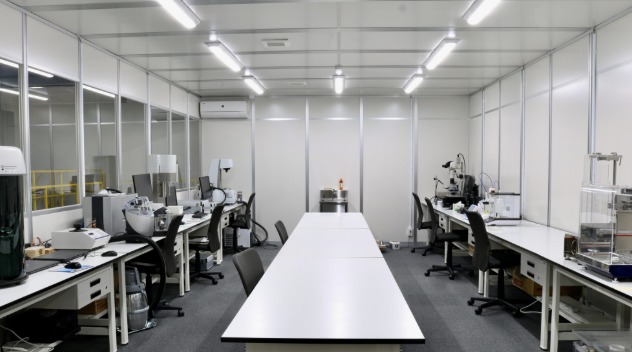
- Three Powder Technical Centers for R&D and scale‑up: two in Japan and PTC ASEAN in Chonburi, Thailand.
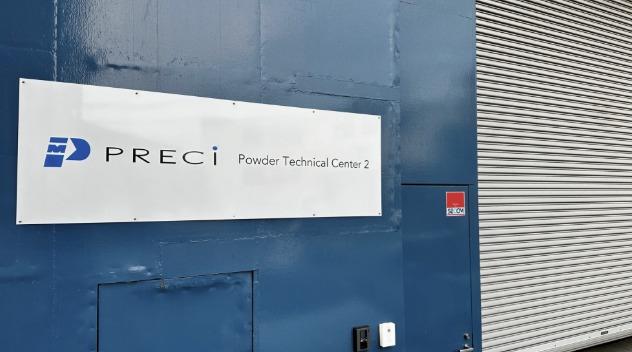
- PTC2 (2023) – one of the largest collections of analytical equipment in Japan.
- Powder trials in spray drying, spray cooling and freeze granulation.
- Pre- and post‑processing – wet pulverizing, mixing, molding, sintering and freeze‑drying.
Source: PRECI Co., Ltd., "Coating, Masking and Microencapsulation Technologies by Spray Drying", preci.co.jp/en/applications/0010. Photos and data: PRECI.