Background
Fine ceramics are used in semiconductors, electronics, automotive, aerospace, machinery, chemicals and pharmaceuticals. The process runs from slurry preparation, through spray drying to spherical granules, molding (uniaxial pressing, CIP, extrusion, injection molding, slip casting, tape forming) and sintering, to finishing and inspection.
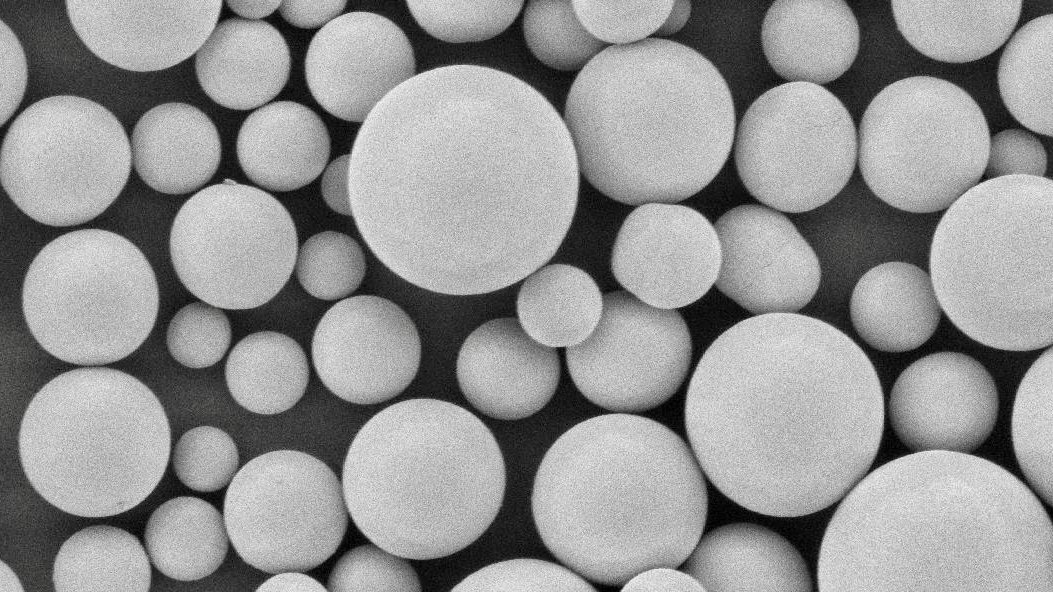
Wet milling and mixing give a slurry of powders of about 0.1–1 µm. Spray drying turns it into granules of tens of µm up to about 100 µm. Spherical granules with a narrow size distribution flow well, fill the mold evenly and sinter to high density. Poor granules cause density variation, cracks, warping and sintering defects.
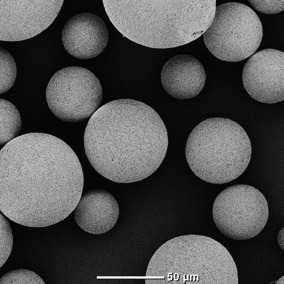
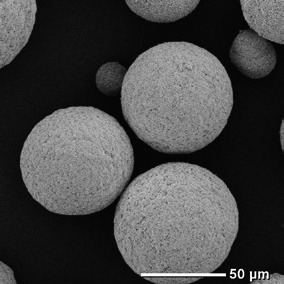
Solid or hollow granules
During drying the outer shell can harden while the inside stays hollow or segregates. Hollow granules do not collapse when pressed; the voids remain after sintering and reduce strength. In a test with a 50 wt% slurry of 0.5 µm alumina, pressed at 30 MPa (φ20 mm), debinded at 500 °C for 1 h and sintered at 1600 °C for 2 h, solid granules from an agglomerated slurry (no dispersant) gave a higher sintered density than hollow granules from a dispersed slurry.
Dispersant study
- Slurry. Alumina 0.5 µm at 60 wt%, PVA 0.5 wt%, ammonium polycarboxylate dispersant from 0 to 0.40 wt%, pot‑milled about 18 h with zirconia balls.
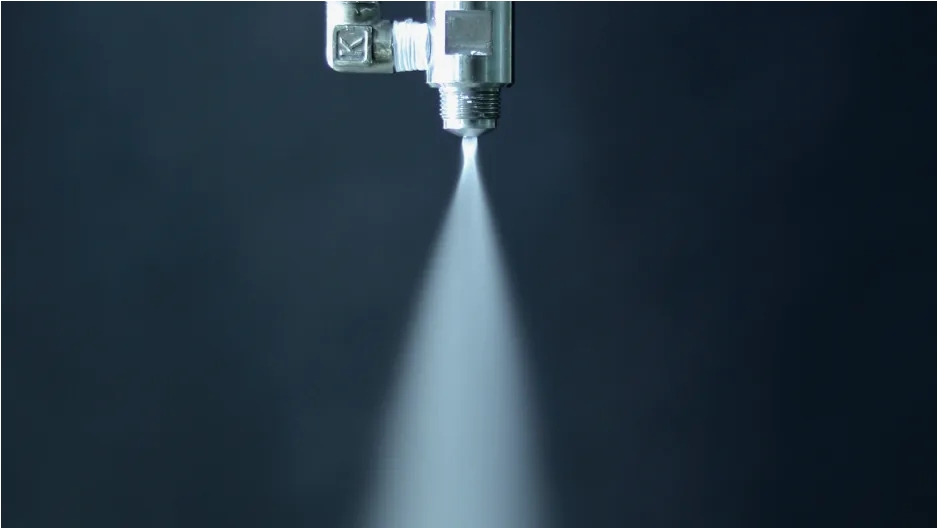
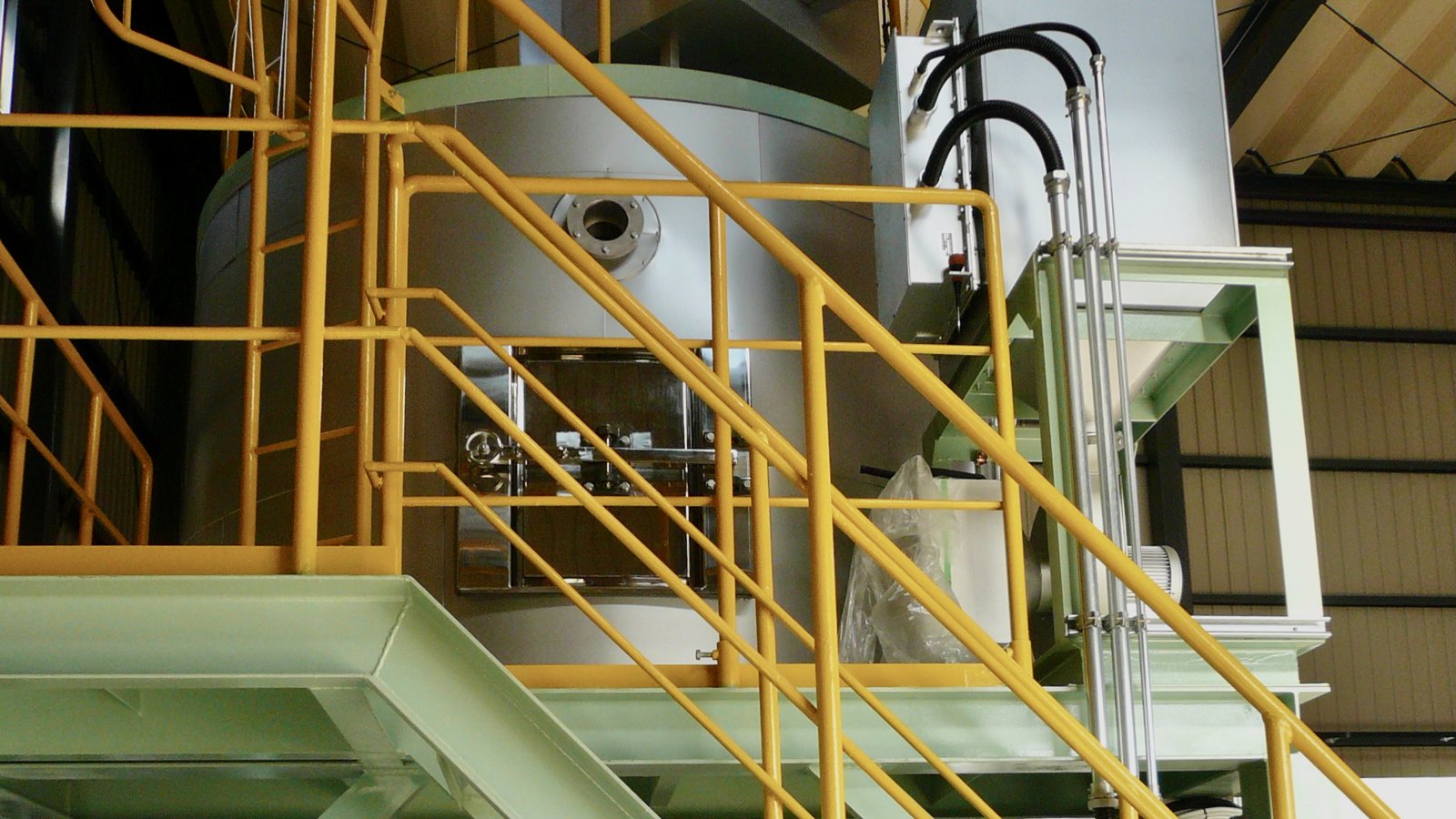
- Spray drying. TR160 spray dryer, inlet 150 °C, outlet 85–89 °C, rotary atomizer at 8,000 rpm, peristaltic pump.
- Viscosity. Falls as dispersant increases; all slurries shear‑thinning. At 0 % the pump could not feed properly; from 0.05 % feeding was easy to control.
- Structure. 0–0.05 % gave near‑spherical solid granules; 0.10 % slightly dented; 0.20–0.40 % flattened hollow granules with a central hole.
- Size and flow. Higher viscosity gave larger droplets and granules, and a lower angle of repose. Hollow granules needed more energy to flow (powder rheometer).
- Strength. Average crushing strength similar, but the scatter was smaller for solid granules.
What this means for a plant
Slurry preparation and spray drying have to be set together, along with primary particle size and shape, binder content and dryer conditions. PRECI measures slurry rheology and granule size, shape, flow and strength to set them.
Trials at PTC ASEAN
PRECI runs these trials at its Powder Technical Centers in Japan. PTC ASEAN, the Powder Technical Center in Chonburi, runs spray drying, spray cooling and freeze granulation trials with the same know‑how, with pre- and post‑processing and powder analysis, and links to the Japan centres for advanced characterisation.