Background
A catalyst changes the rate of a reaction by lowering its activation energy. Homogeneous catalysts mix evenly with the reactants but are hard to remove afterwards; heterogeneous, solid catalysts are easy to separate. Solid catalysts are prepared by precipitation, hydrothermal synthesis or impregnation, and each route gives a liquid to be dried.
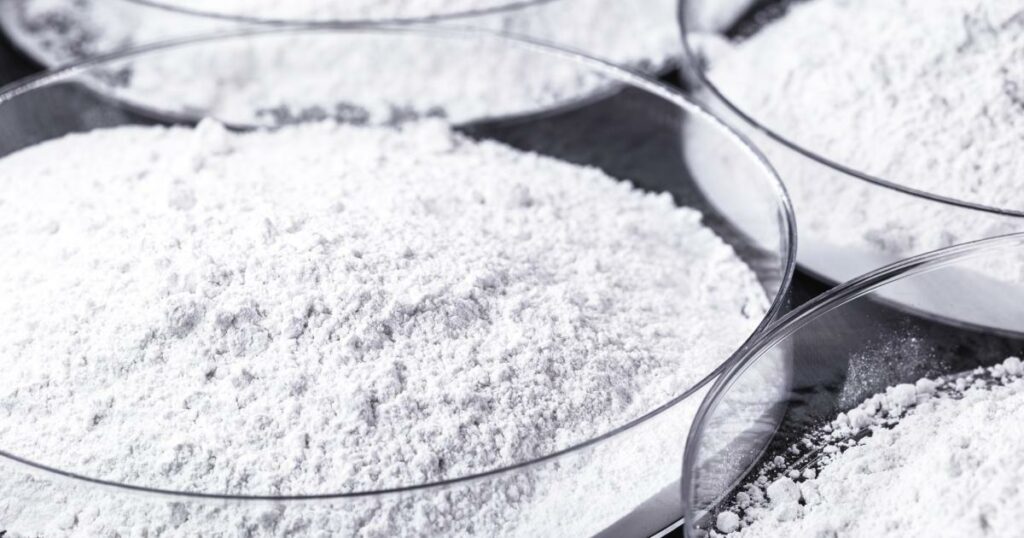
Supports anchor the active components and raise specific surface area and mechanical strength. Common supports are Al₂O₃, SiO₂, CeO₂, TiO₂, ZrO₂, zeolite and activated carbon. Spray drying can produce the support alone or the support and active substance together.
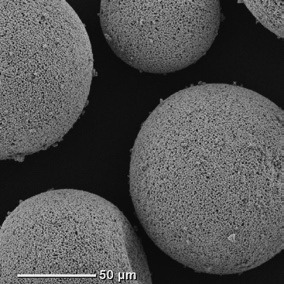
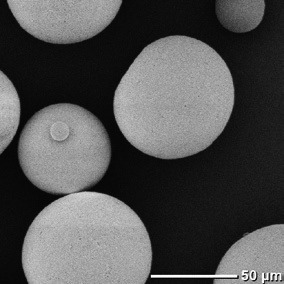
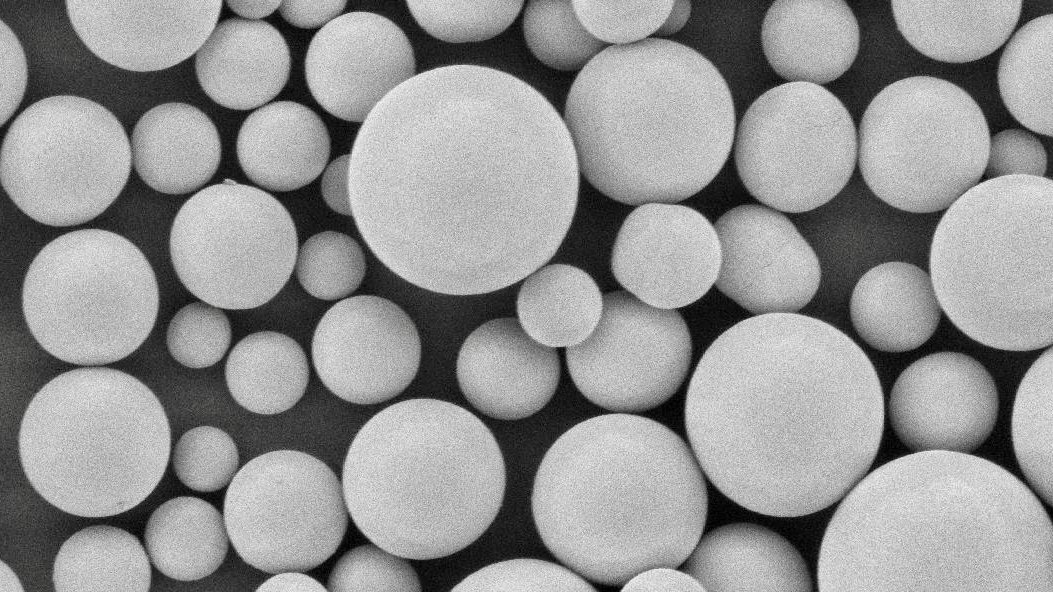
Spray‑dried granules
- Spherical, free‑flowing granules with a sharper, more stable size distribution than other drying methods.
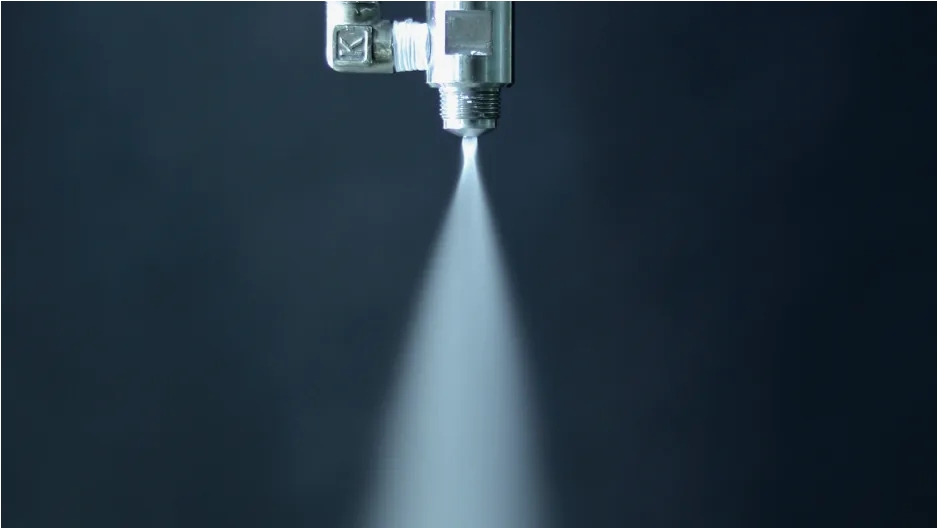
- Particle size from a single µm to about 200 µm, set through the atomizer and conditions; shape and density are controlled the same way.
- Smaller granules give higher specific surface area but are harder to handle; larger granules handle better with less surface area.
- Catalyst quality depends on activity and durability.
How the granules are evaluated
- Size and shape. Image analysis of individual particles (size, circularity), online laser diffraction and SEM.
- Flowability. Angle of repose, bulk density and Carr index, and dynamic measurement on a powder rheometer.
- Surface, pores, density. Gas adsorption for specific surface area and pore distribution; gas displacement for true and particle density.
- Strength. Crushing force of single micro‑particles.
- Slurry. Primary particle size by laser diffraction, aggregation and re‑dispersion, and wet rheology (viscoelasticity, thixotropy, yield point).
Trials at PTC ASEAN
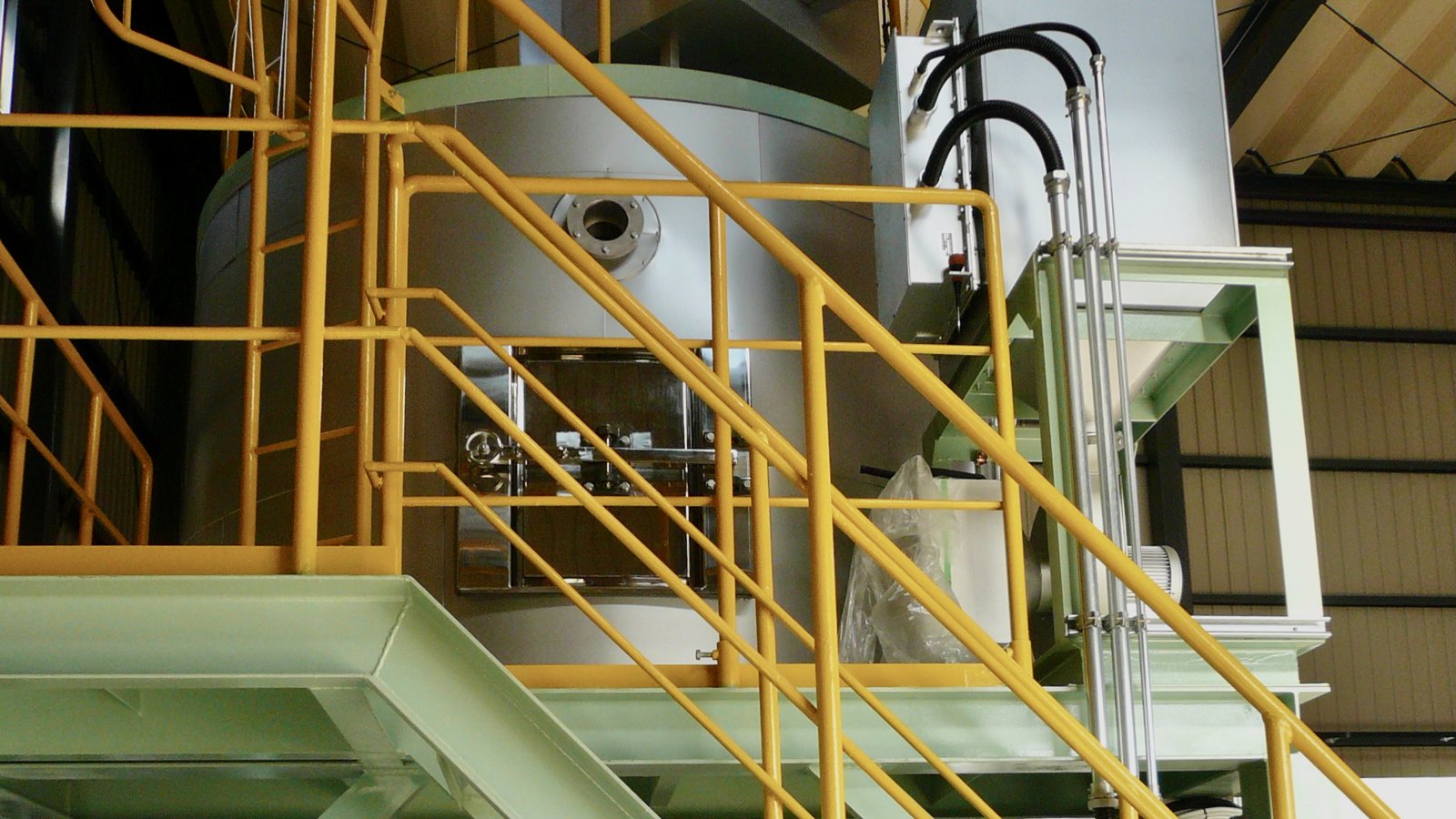
PRECI runs these trials at its Powder Technical Centers in Japan. PTC ASEAN, the Powder Technical Center in Chonburi, runs spray drying, spray cooling and freeze granulation trials with the same know‑how, with pre- and post‑processing and powder analysis, and links to the Japan centres for advanced characterisation.