Background
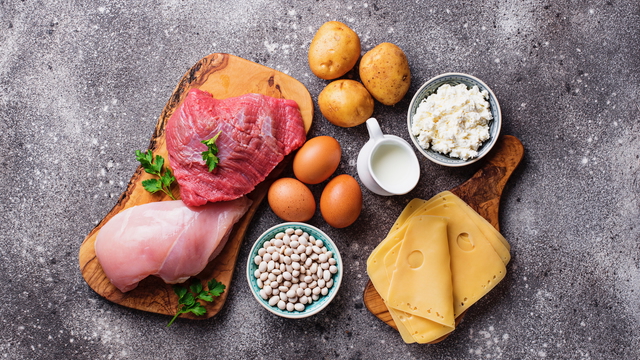
Amino acids, especially the umami components glutamic acid, inosinic acid and guanylic acid, are used in seasonings and flavour enhancers, and also in health products, cosmetics, pharmaceuticals, cell culture media, fertilizers and feed. Most are produced by microbial fermentation. Complex seasonings blend these umami components with natural extracts: soy sauce, fish sauce, oyster sauce, meat, seafood, vegetable and cheese seasonings.
As powders, seasonings weigh and occupy less, which cuts transport cost, and they store well. Spray drying is continuous and forms the granules as it dries, so separate concentration, grinding and mixing steps can be left out.
Spray drying challenges
- Heat‑sensitive components. Sugars and amino acids degrade with heat. Spray drying has a short drying time and less thermal impact than other dryers.
- Hygroscopic components. Powder sticks to the chamber. Dehumidified process air, an air sweeper or dehumidifying air line in the chamber, and controlled temperature and humidity in the recovery line prevent this.
- Oxidation. Reduced with additives and with inert gas as the process gas.
How the conditions shape the powder
- Drying temperature. Low temperature dries slowly and gives higher bulk density, with more residual moisture. High temperature forms a shell fast, and particles can expand, rupture or become hollow.
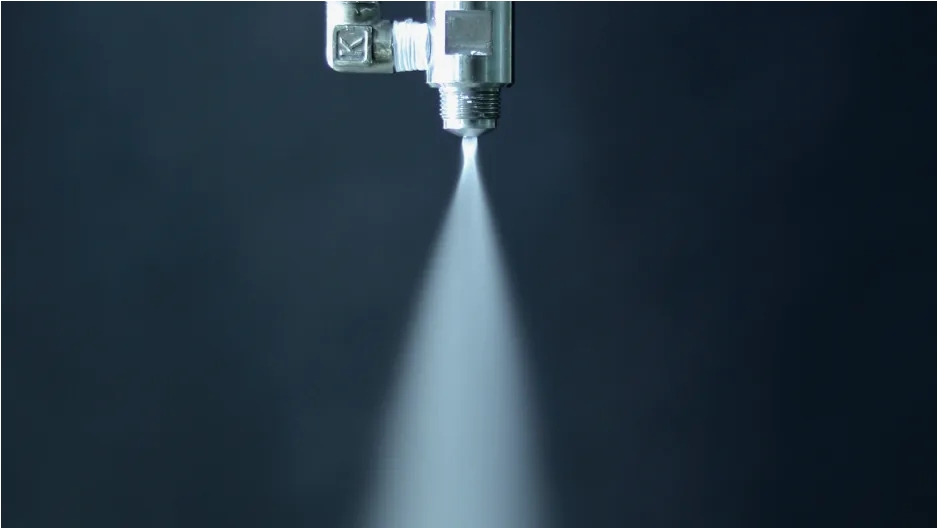
- Atomizer. Rotary atomizer, two‑fluid, pressure or ultrasonic nozzle, chosen for droplet size and for contact and friction in the chamber.
- Feed. Higher concentration raises output but changes particle size and density. Additives such as trehalose and cyclodextrin can mask bitterness of amino acids and stabilise components.
- Flavour retention. Maltodextrin, cyclodextrin and oligosaccharides hold volatile components. With coating additives and low‑temperature drying, even powdered alcohol with high residual alcohol can be made.
Key quality parameters
- Residual flavour, colour, particle size distribution, bulk density and moisture content.
- Flowability, wettability and solubility, and particle surface properties that affect taste.
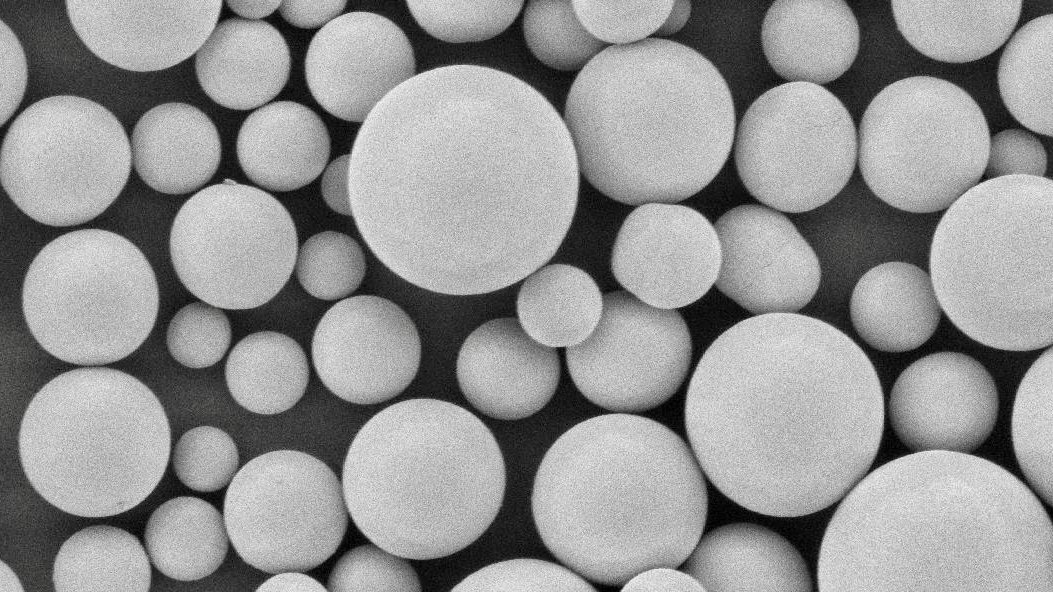
- Large particles flow better and hold more moisture; small particles have lower bulk density and can pick up moisture from the exhaust air if the powder is very hygroscopic.
Trials at PTC ASEAN
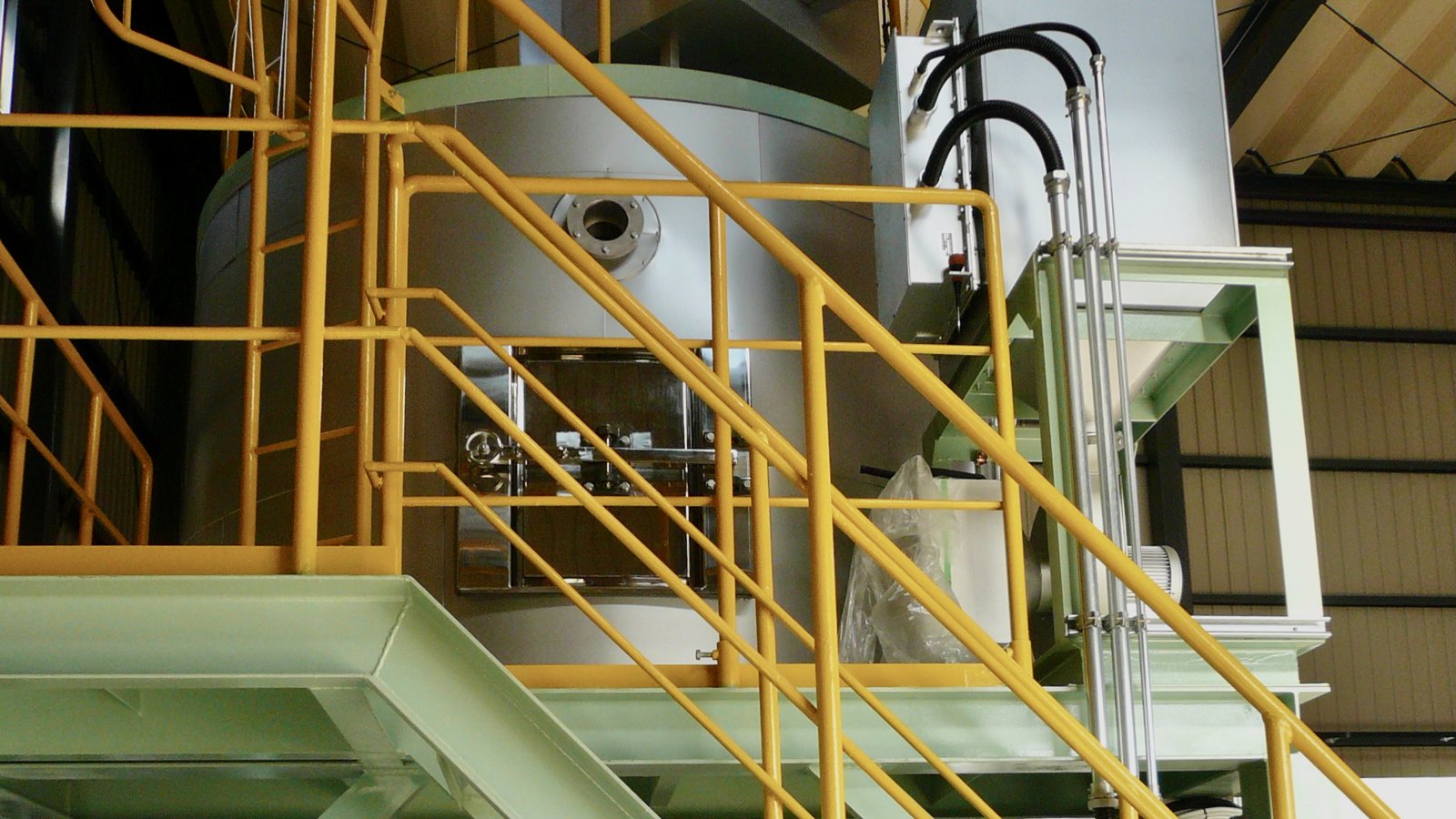
PRECI runs these trials at its Powder Technical Centers in Japan. PTC ASEAN, the Powder Technical Center in Chonburi, runs spray drying, spray cooling and freeze granulation trials with the same know‑how, with pre- and post‑processing and powder analysis, and links to the Japan centres for advanced characterisation.