Background
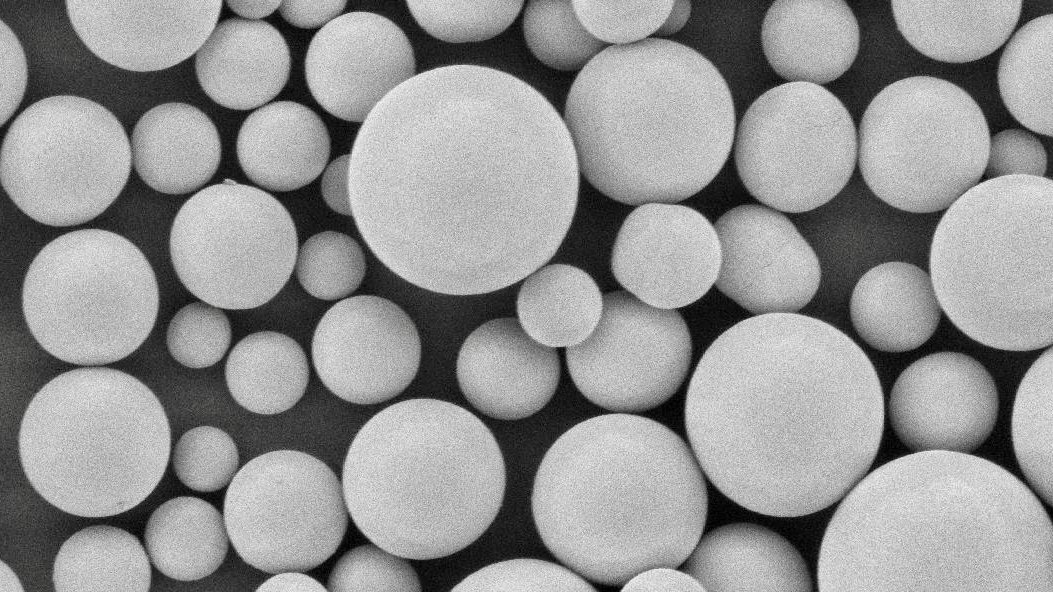
In fine ceramics, wet grinding and mixing give a slurry of raw powders from several hundred nm to 1 µm, and spray drying turns it into granules of several tens to 100 µm. Spherical, free‑flowing granules with a narrow size distribution pack evenly in the mold, give a stable compact and sinter to a dense body with little porosity.
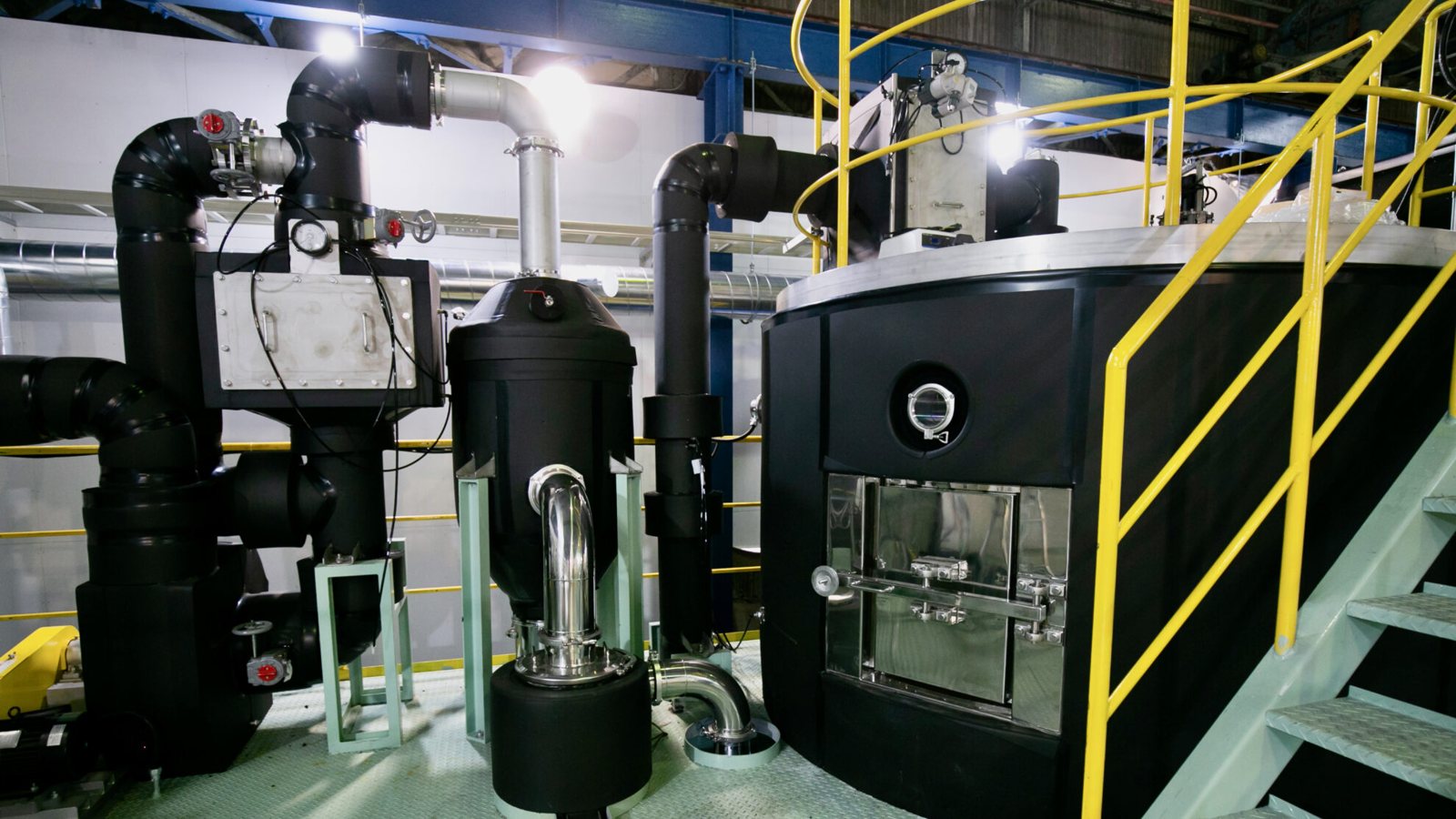
Freeze granulation atomizes the same slurry into an ultra‑low‑temperature chamber, freezes the droplets and dries them by sublimation. PRECI developed the first production‑scale dry cooling process in 2019, worked with AIST, Yokohama National University and Yokohama TLO under a METI support project in 2020, and in 2023 built the large, patented CS220, which cools without liquid nitrogen.
1. Alumina: compact and sintered density
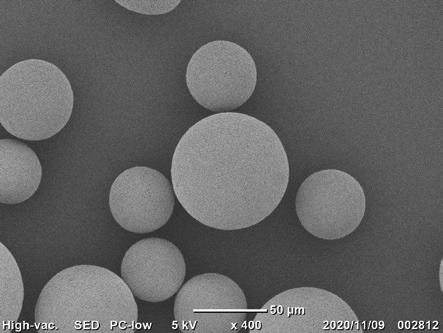
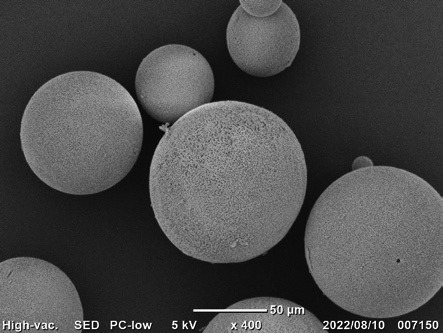
- φ20 mm mold, uniaxial pressing at 30 MPa, sintering at 1600 °C for 2 h.
- Spray‑dried granules gave the higher compact density. After sintering, the freeze‑granulated samples were denser.
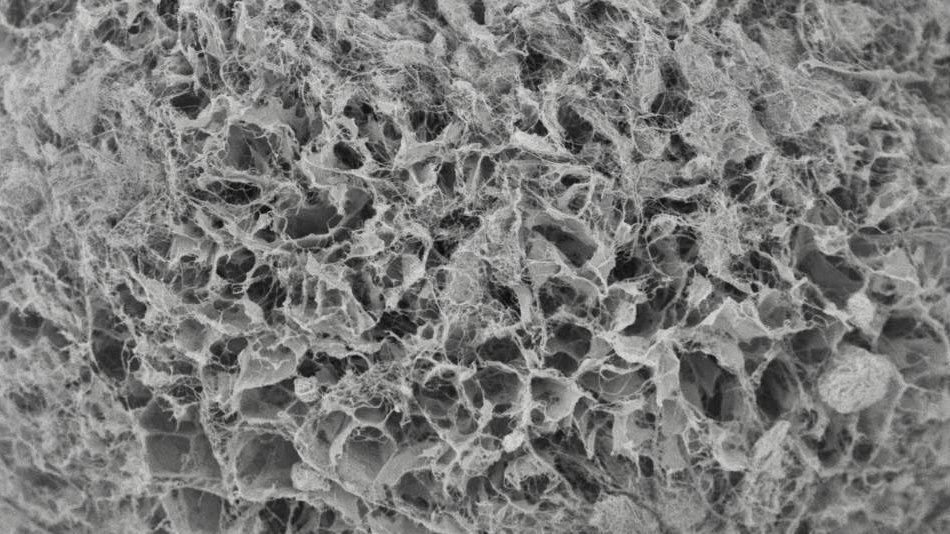
- Freeze granules are homogeneous inside but pack less densely, so the compact is lighter; the homogeneity gives fewer sintering defects and a higher sintered density.
- Published work with AIST and Yokohama National University (J. Ceramic Society of Japan, 2020 and 2024): the weaker, homogeneous freeze granules form a green body without interparticle pores, giving higher sintered density and strength than spray‑dried granules.
2. Silica: translucency of the sintered body
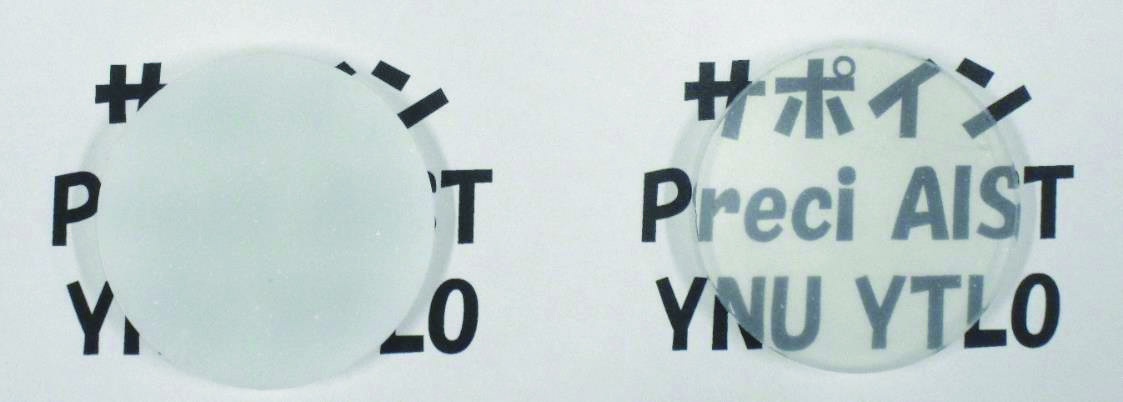
Silica granules from both processes were pressed, sintered and measured for linear transmittance. The homogeneous freeze granules leave fewer pores to scatter light, so the sintered body is more translucent.
Summary
Freeze‑granulated powders can reach sintered properties spray drying cannot. Spray drying also gives dense, low‑porosity bodies when the granule is understood and the slurry and drying conditions are controlled.
Trials at PTC ASEAN
PRECI runs these trials at its Powder Technical Centers in Japan. PTC ASEAN, the Powder Technical Center in Chonburi, runs spray drying, spray cooling and freeze granulation trials with the same know‑how, with pre- and post‑processing and powder analysis, and links to the Japan centres for advanced characterisation.