

Home / Technology / PRECI / Liquid atomization
Particle design · PRECI, Japan
Liquid atomization
The most critical step in particle design for spray drying, spray cooling and freeze granulation. The droplet formed at the atomizer sets the size and shape of the final particle.
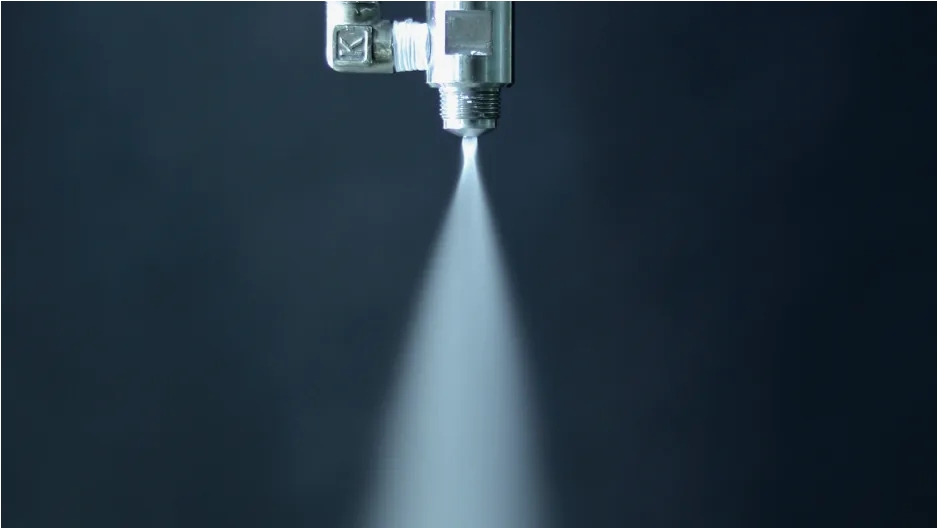
Why atomization comes first
Select the atomizer and its operating conditions before anything else
Liquid in
Solutions, suspensions, slurries, gels or emulsions are converted into droplets by a rotary atomizer or a spray nozzle.
Droplets formed
As droplet size falls, surface area rises sharply: moisture evaporates within seconds in spray drying, and droplets solidify rapidly in spray cooling and freeze granulation.
Particle set
The final particle size and shape are strongly determined by the droplet. Choosing the right atomization system is the first step in powder process design.
PRECI atomization technology
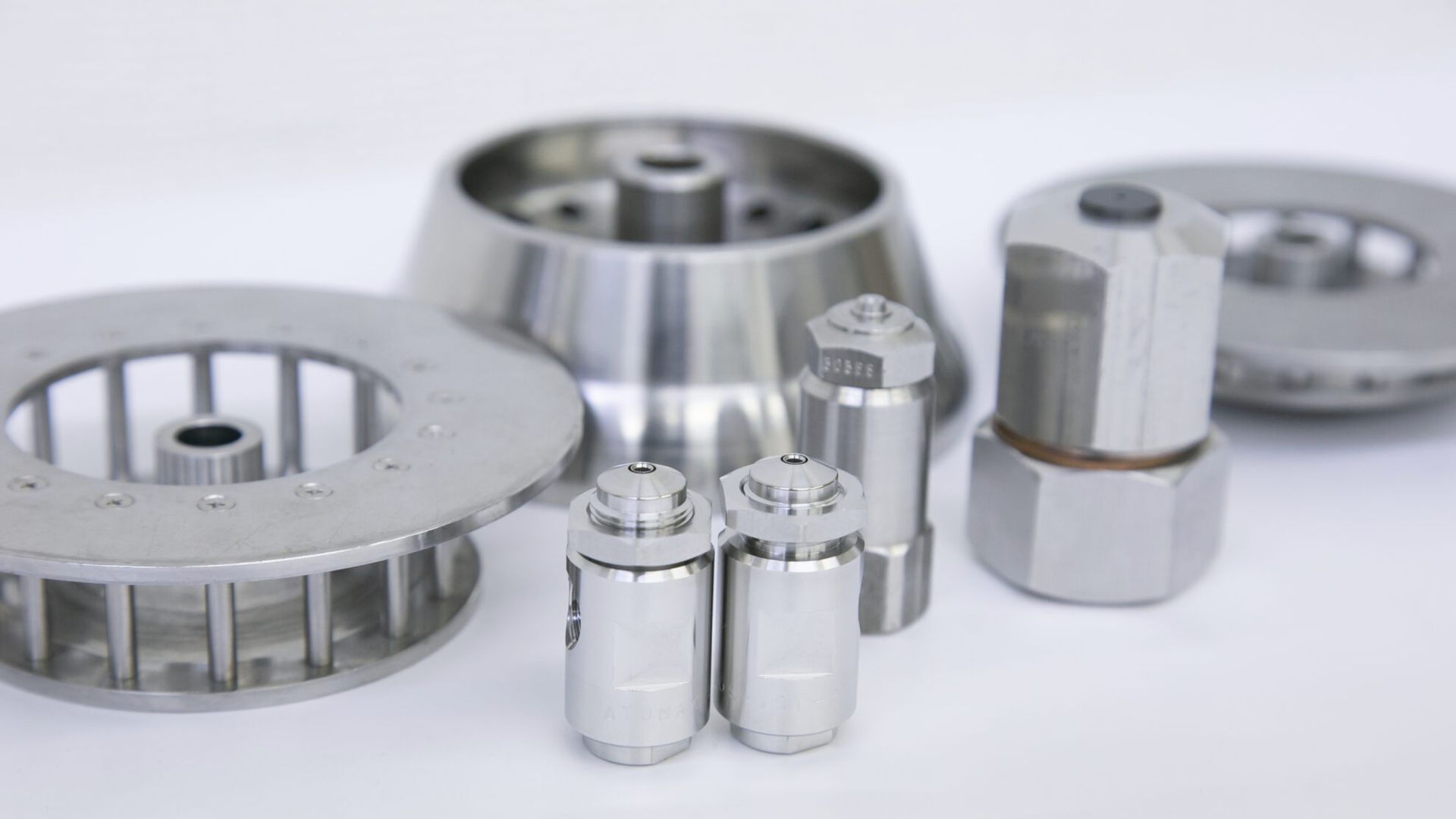
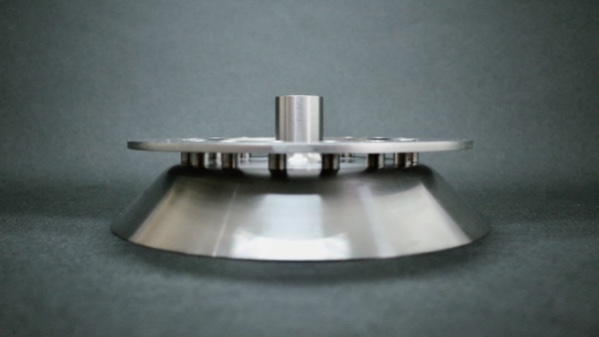
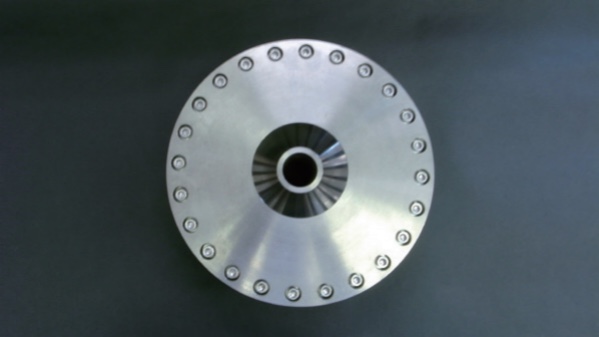
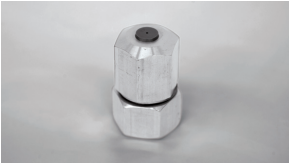
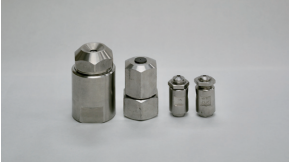
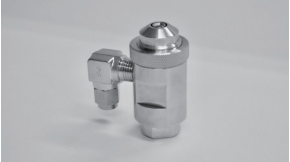
- Atomizers for every productRotary atomizer wheels (left) and spray nozzles (right), matched to the liquid and the particle you need.
- Even droplets, consistent particlesThe atomizer and its settings are matched to the liquid, giving even droplets and a sharp particle size distribution.
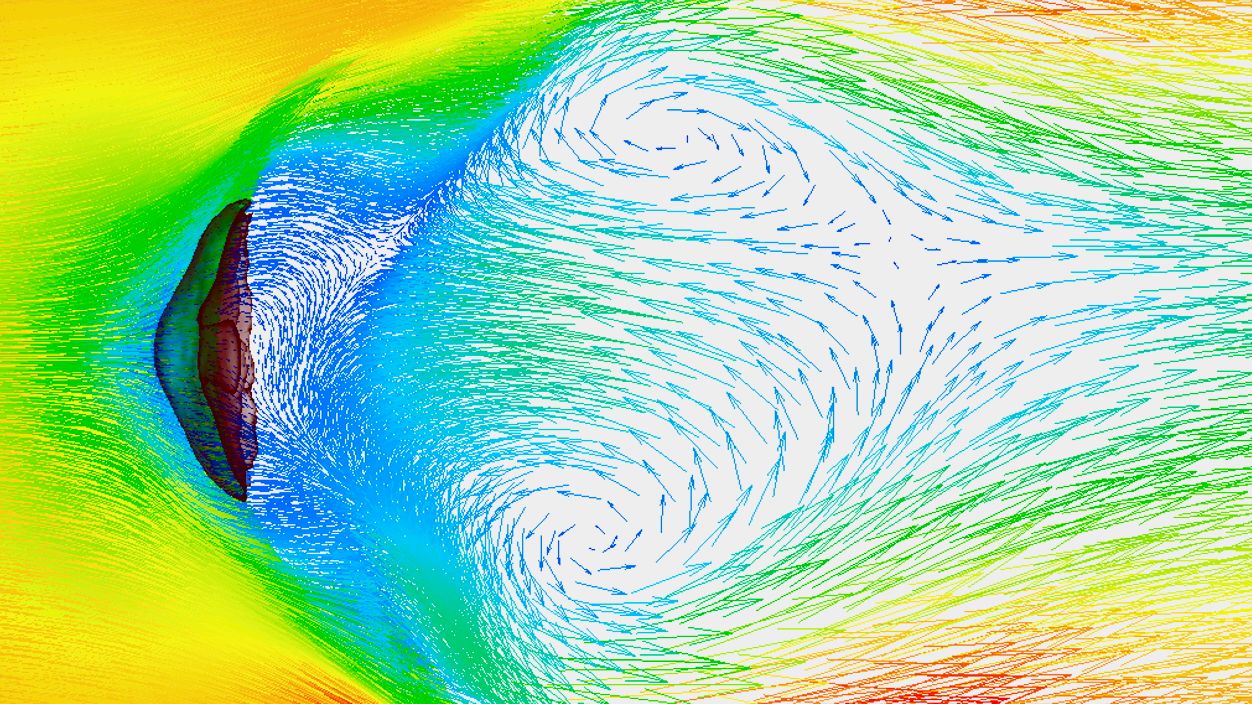
- Designed by simulationFlow simulation sets how droplets meet the drying gas, before a part is made.
Atomization mode
Rotary atomizer
Atomization by the centrifugal force of a disc rotating at high speed.
Liquid fed onto the disc is thrown off its edge as a fine, even film that breaks into droplets. Particle size is set by the rotation speed.
| Principle | Centrifugal force |
|---|---|
| Droplet size | 20 µm to several mm |
| Particle size | 10 to 200 µm |
| Size distribution | Sharp |
- Particle size controlled by rotation speed
- Sharp particle size distribution with excellent flowability
- Rotary atomizers up to 25 t/h feed and 35,000 rpm
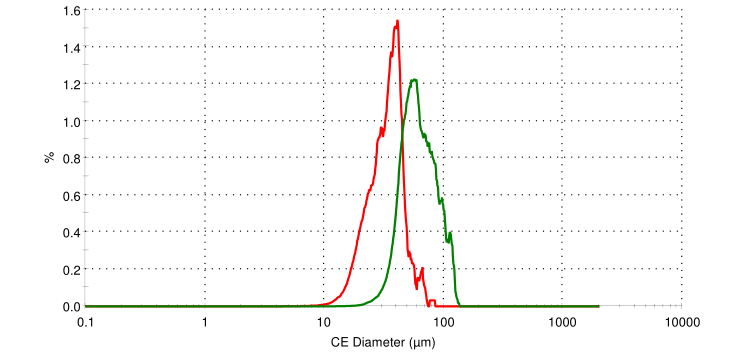
Example: particle size set by speed
Alumina slurry, 50 wt% with 0.25 wt% PVA. At 18,000 rpm, D50 34 µm. At 8,000 rpm, D50 60 µm.
Drive
Direct drive or belt drive, selected for feed rate, disc size and shape, and speed.
Control
Rotational speed control, or the patented Auto‑PSD‑Control System.
Safety monitoring
Rotation sensors, bearing temperature sensors and safety interlocks as standard. Vibration and leakage detection as options.
Cooling
Air or oil cooling, depending on the model.
Disc materials
Stainless steel, super duplex, titanium, Inconel, Hastelloy C276, or ceramics: alumina, zirconia, silicon nitride, silicon carbide.
Disc shapes and surfaces
Shapes for each application, including the patented Coanda disc. Wear‑resistant tungsten spraying or special hardening.
Atomization mode
Pressure nozzle
Single‑fluid atomization by the pressure of a pump.
The pressurized liquid forms a swirling flow in the nozzle chamber and is atomized as it leaves the orifice at high speed.
| Principle | Liquid pressure |
|---|---|
| Droplet size | 30 µm to several mm |
| Particle size | 15 to 500 µm |
| Size distribution | Wide |
- Particle size controlled by pump pressure
- Easy maintenance and low running cost
Atomization mode
Two‑fluid nozzle
Atomization by compressed gas mixing with the liquid.
The liquid fed by the pump collides and mixes with a compressed gas flow inside the nozzle. Nozzle materials are selected for wear, corrosion and heat resistance.
| Principle | Gas‑liquid mixing |
|---|---|
| Droplet size | Single µm to 70 µm |
| Particle size | Single µm to 70 µm |
| Size distribution | Wide |
- Particle size controlled by compressed gas pressure
- The finest droplets of the four modes
- Designed against clogging, also for highly viscous materials
- Easy maintenance
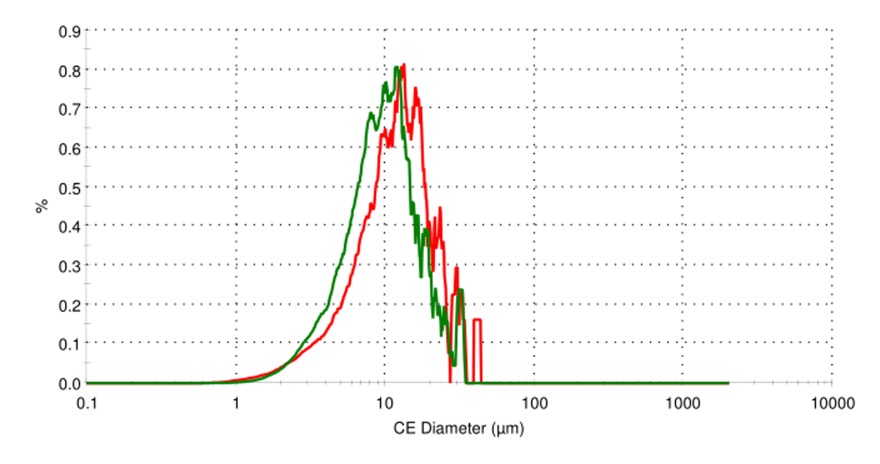
Gas pressure sets droplet size
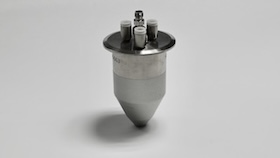
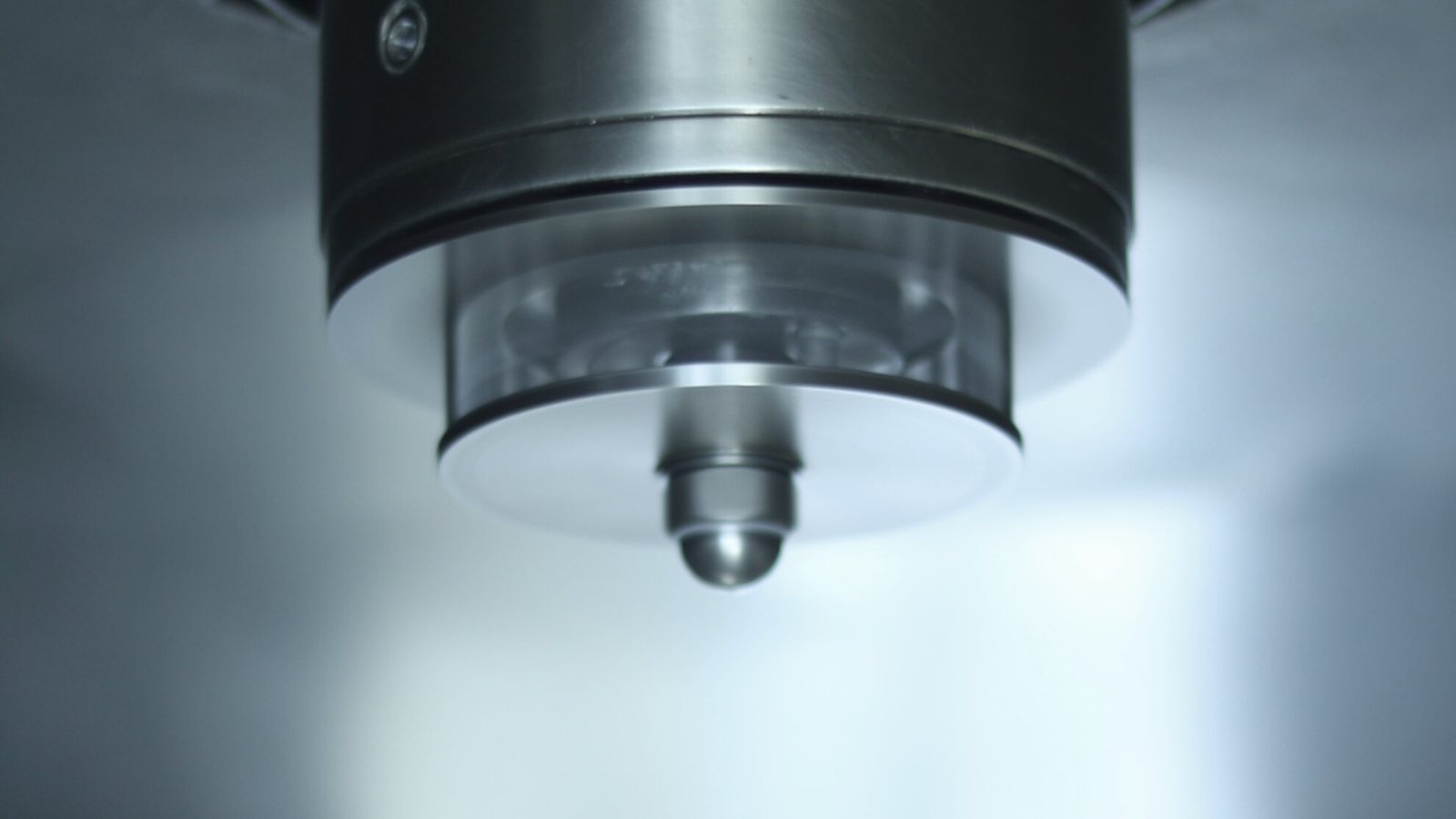
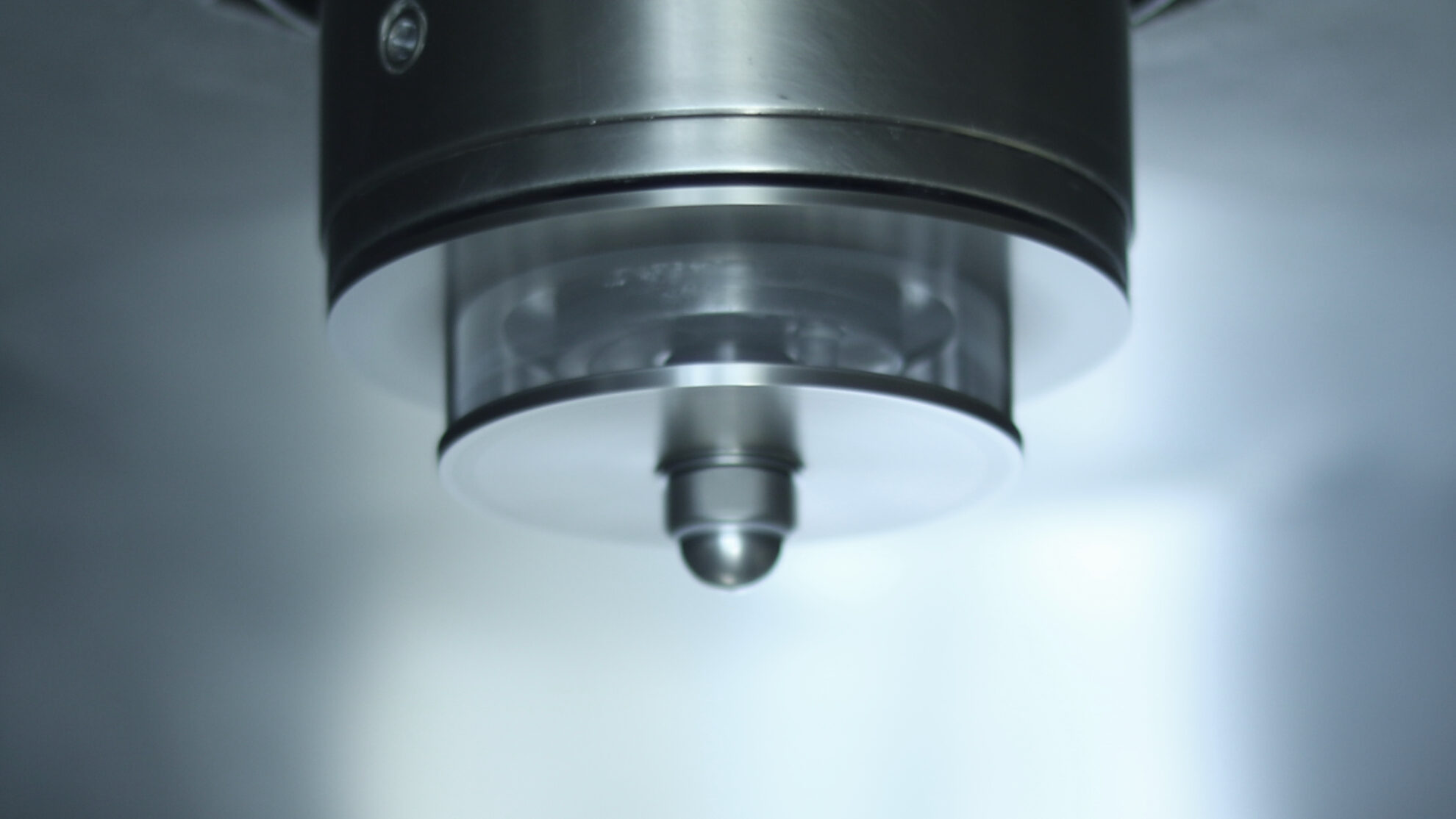
Ultrasonic nozzle. Video to follow.
Atomization mode
Ultrasonic nozzle
Atomization of a vibrating liquid film, without pressure.
An ultrasonic oscillator creates standing waves that ripple the liquid film. The film breaks into droplets when the wave energy exceeds the surface tension. With almost no kinetic energy, atomization is slow and soft.
| Principle | Liquid film vibration |
|---|---|
| Droplet size | Tens to hundreds of µm |
| Particle size | Tens to hundreds of µm |
| Size distribution | Sharp |
- Uniform droplets, regardless of flow rate
- Gentle atomization with no feed pressure
- Sharp particle size distribution
Compare all four
Characteristics of each atomization system
| Atomization system | Principle | Droplet size | Particle size | Size distribution | Sphericity |
|---|---|---|---|---|---|
| Rotary atomizer | Centrifugal force | 20 µm to several mm | 10 to 200 µm | Sharp | ○ |
| Pressure nozzle | Liquid pressure | 30 µm to several mm | 15 to 500 µm | Wide | △ |
| Two‑fluid nozzle | Gas‑liquid mixing | Single µm to 70 µm | Single µm to 70 µm | Wide | △ |
| Ultrasonic nozzle | Liquid film vibration | Tens to hundreds of µm | Tens to hundreds of µm | Sharp | △ |
○ high, △ moderate. Results vary with the operating conditions and the properties of the liquid.
Questions and answers
Questions engineers ask about atomization
How do I choose between a rotary atomizer and a nozzle?
A rotary atomizer gives a sharp size distribution from 10 to 200 µm at high feed rates. A pressure nozzle gives coarser particles, up to about 500 µm. A two‑fluid nozzle gives the finest droplets and handles viscous feeds. An ultrasonic nozzle atomizes gently, with uniform droplets. A trial on your material confirms the choice.
Can one dryer use different atomizers?
PRECI spray dryers and spray coolers are available with all four atomization systems. The P260 pilot line at PTC ASEAN runs all of them, so the choice is tested before the plant is designed.
What else sets the final particle?
The atomizer sets the droplet. Feed solids and viscosity, and the drying or cooling conditions, then set the final particle size, density and shape.
Related
Related information

PRECI Co., Ltd., Japan
Powder processing technology. TSK is PRECI's exclusive partner in Thailand.
Powder Technical Center, ASEAN
Choose the atomizer on your own material
Trials at PTC ASEAN show which mode and which conditions give the particle you need, before you invest in a plant.