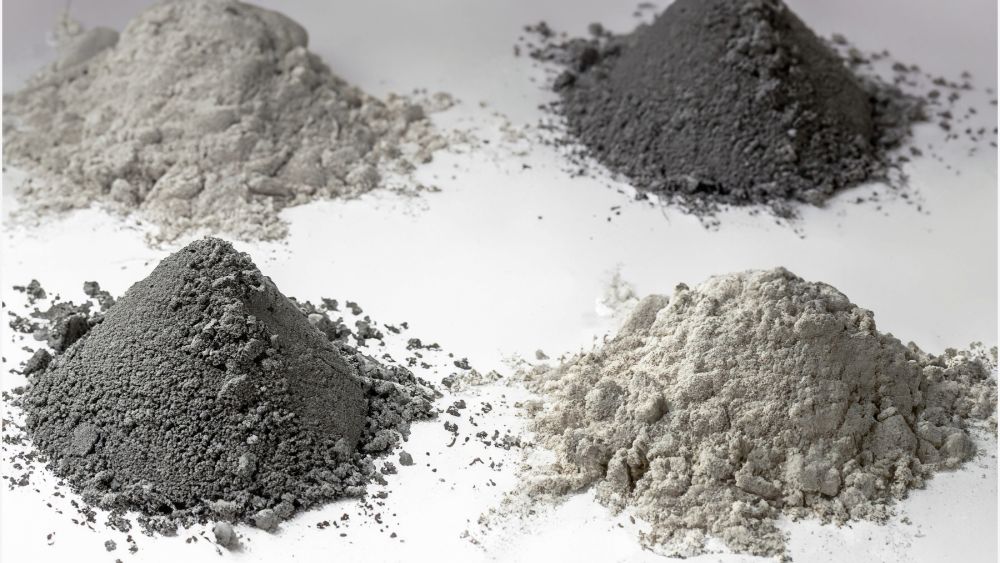
Eight common minerals
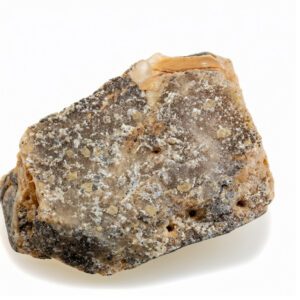
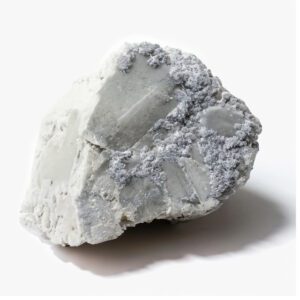
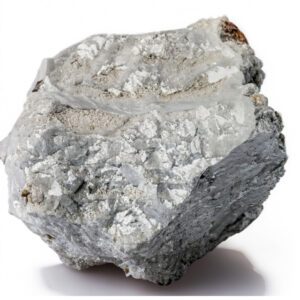
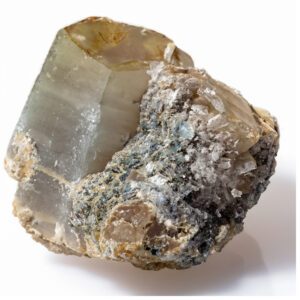
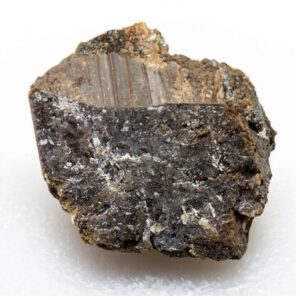
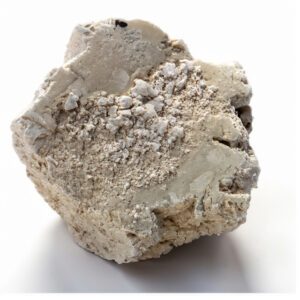
Mineral by mineral
- Baryte (barium sulphate): weighting agent in drilling muds for oil and gas, filler in plastics and rubber, white pigment in paint. Hammer, ball or jet mills.
- Quartz (SiO₂, Mohs 7): abrasive for wheels, discs and sandpaper, grinding media, and high‑temperature, electronic and optical uses.
- Feldspar (aluminium silicate): moderate hardness; dispersing agent in paints, inks and coatings, filler, and flux in glass and ceramics. Ball or hammer mills.
- Talc (magnesium silicate): soft and lamellar; grinding aid, solid lubricant and anti‑caking agent in pharmaceuticals, cosmetics, food and plastics.
- Calcium carbonate: low‑cost white filler for plastics, paint, ink, paper and adhesives; also a food additive. See calcium carbonate grinding.
- Gypsum (calcium sulphate, Mohs 2): grinds easily; cement set retarder, gypsum board filler and fertiliser.
- Mica (layered silicate): reinforcement in plastics, paint and rubber, shimmer in cosmetics, and electrical insulation.
- Kaolin (aluminium silicate clay): filler and coating for paper, low shrinkage for ceramics, reinforcement for plastics and rubber, and absorbent for cosmetics.
Choosing the method
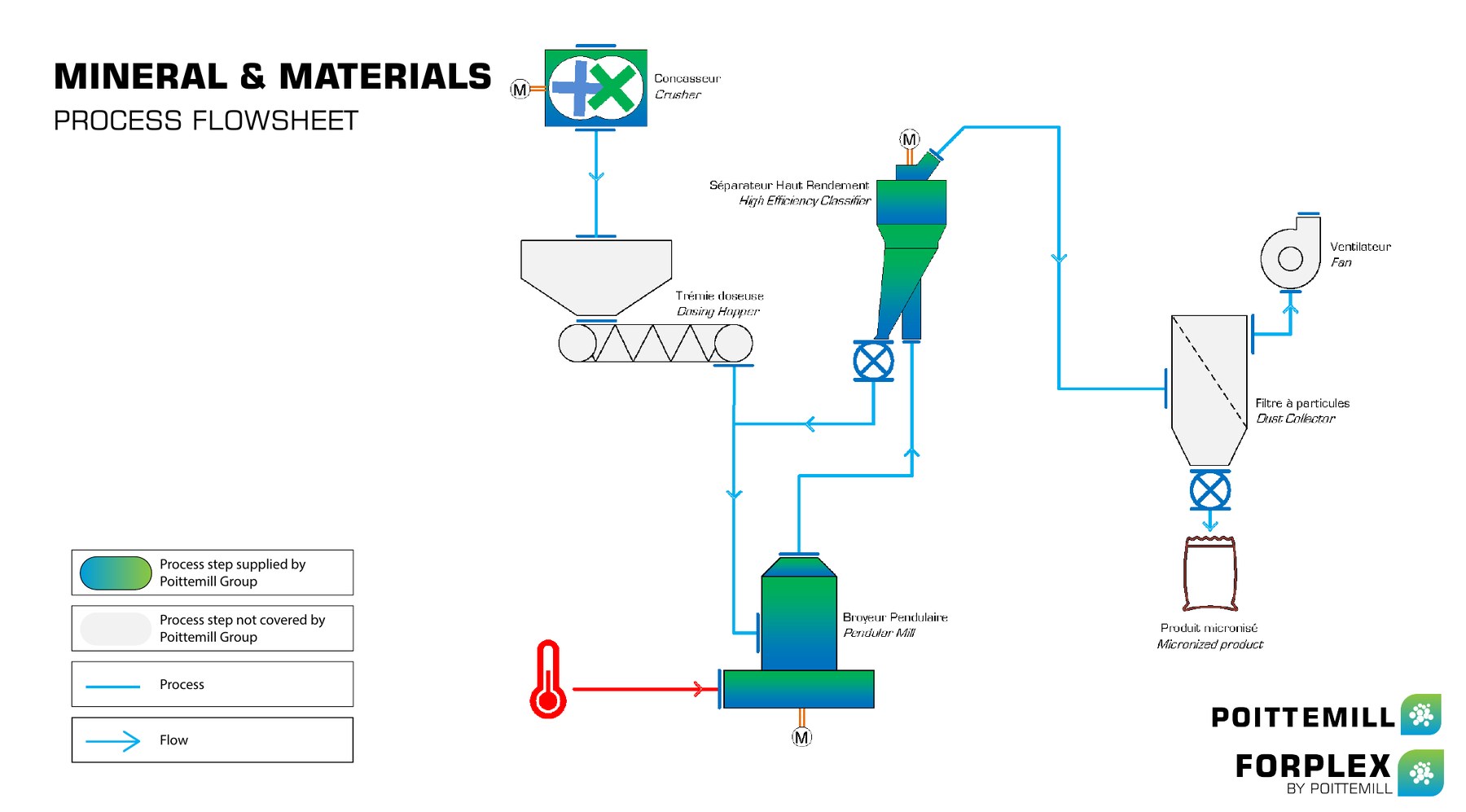
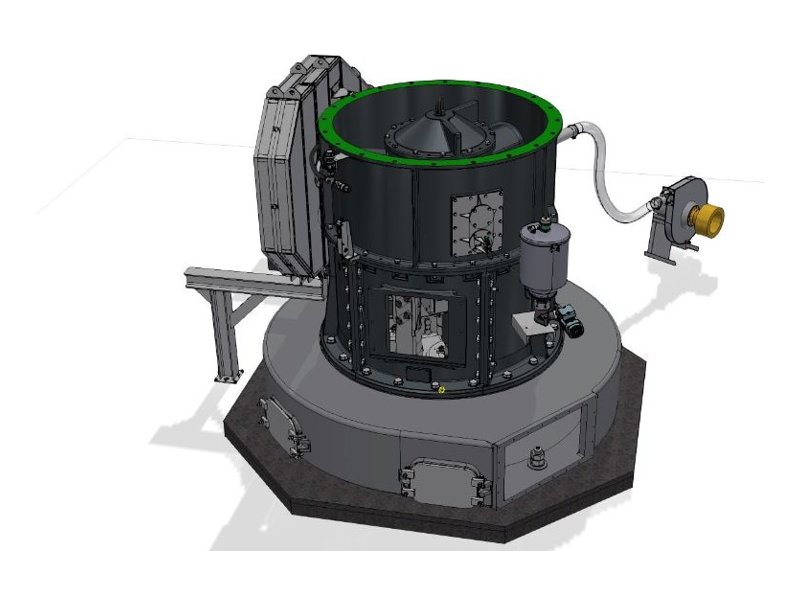
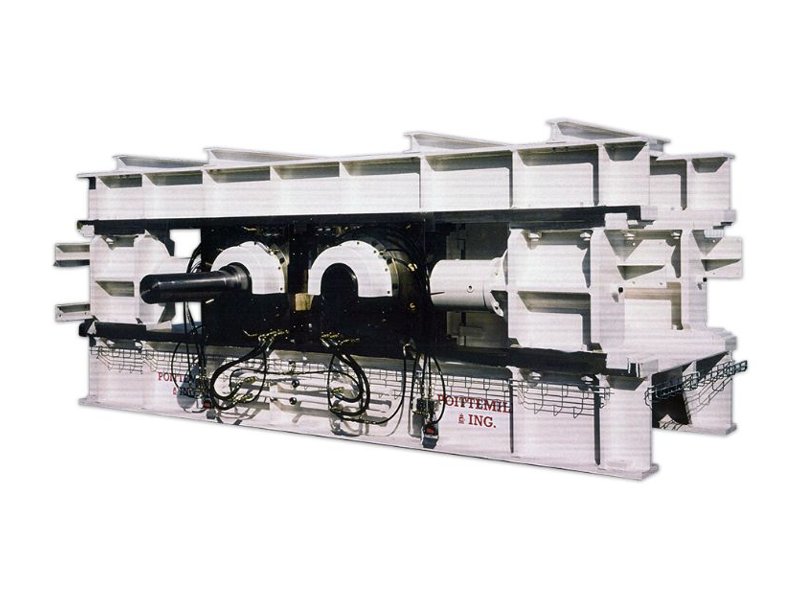
Each mineral's hardness, friability and structure decide the grinding mechanism and mill. The target particle size and the end application decide the classification step.
Trials with your material
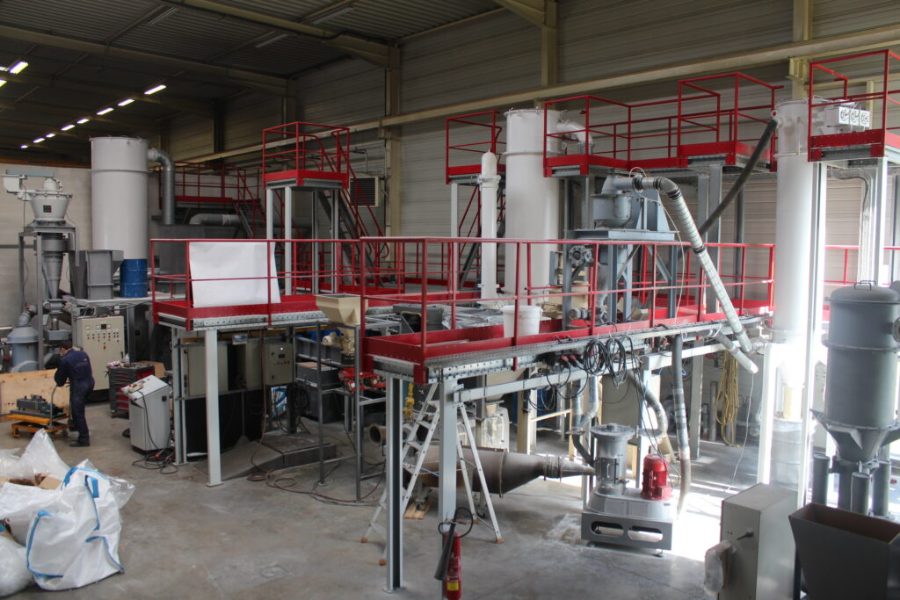
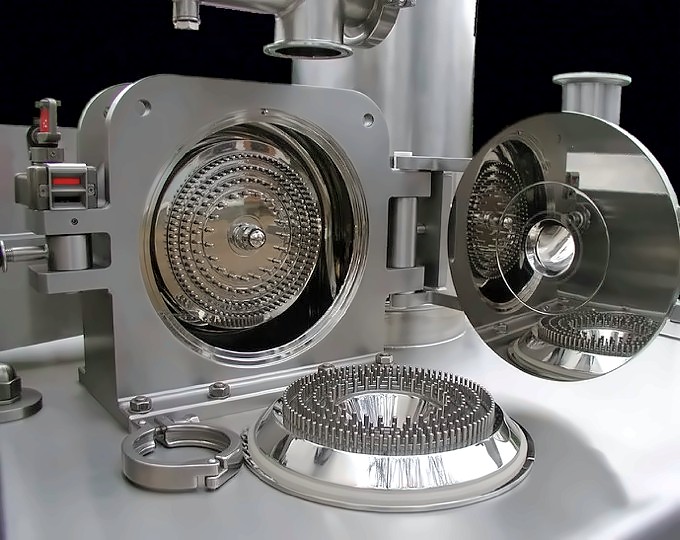
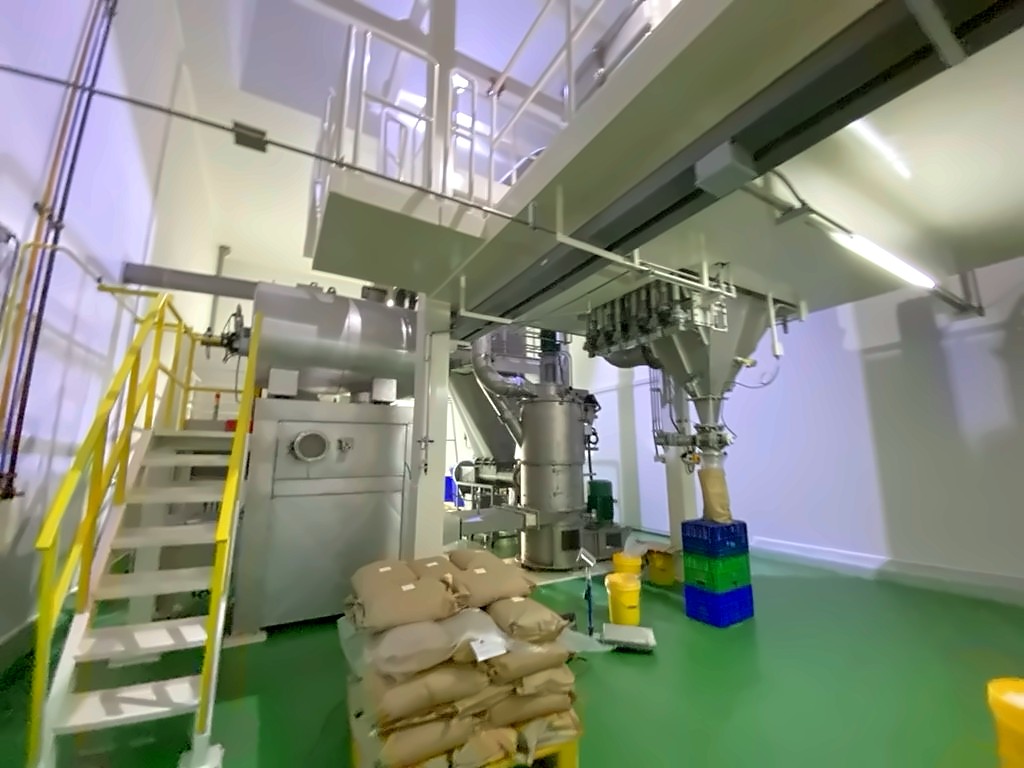
Small grinding and classification trials run at PTC ASEAN in Chonburi on a POITTEMILL FNG laboratory mill. Larger or specialised trials run at the POITTEMILL test centre in Béthune, France, at pilot and full scale, to set machine, parameters and process before you invest.