Mechanisms
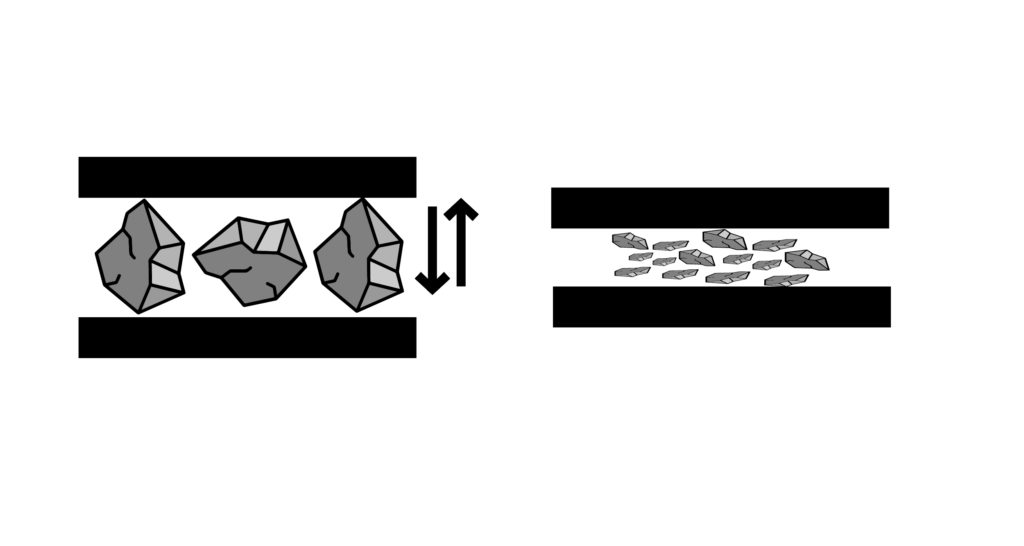
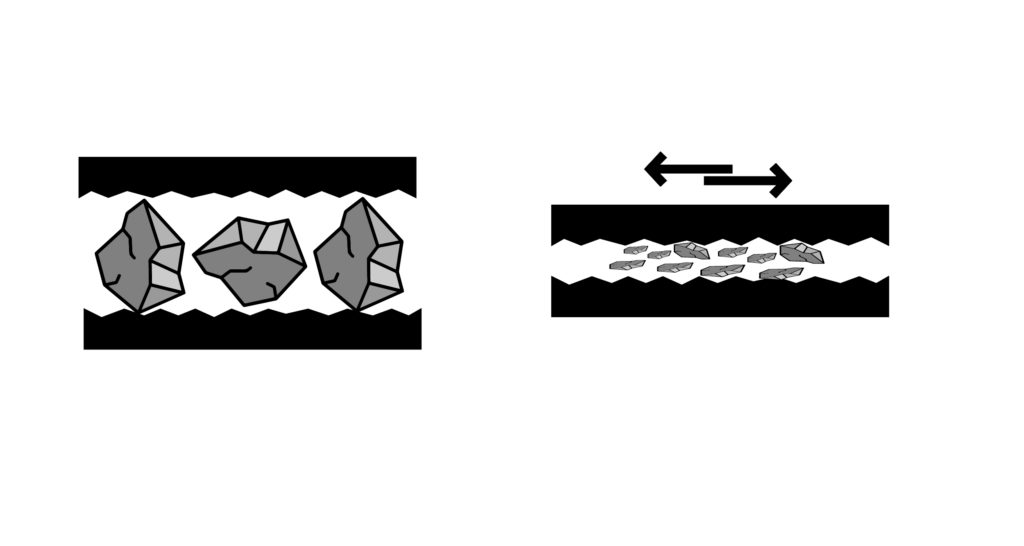
- Compression: the material is pressed between two surfaces.
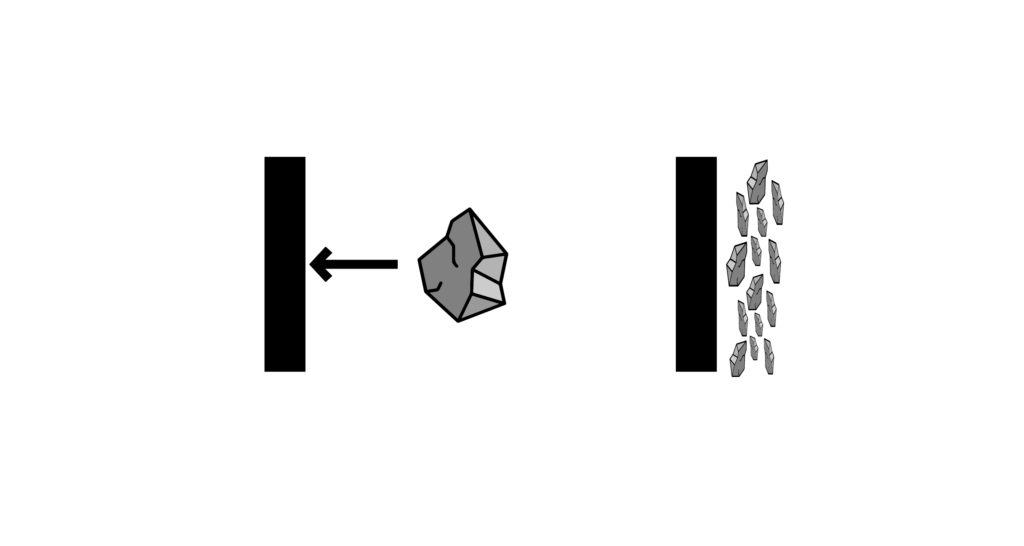
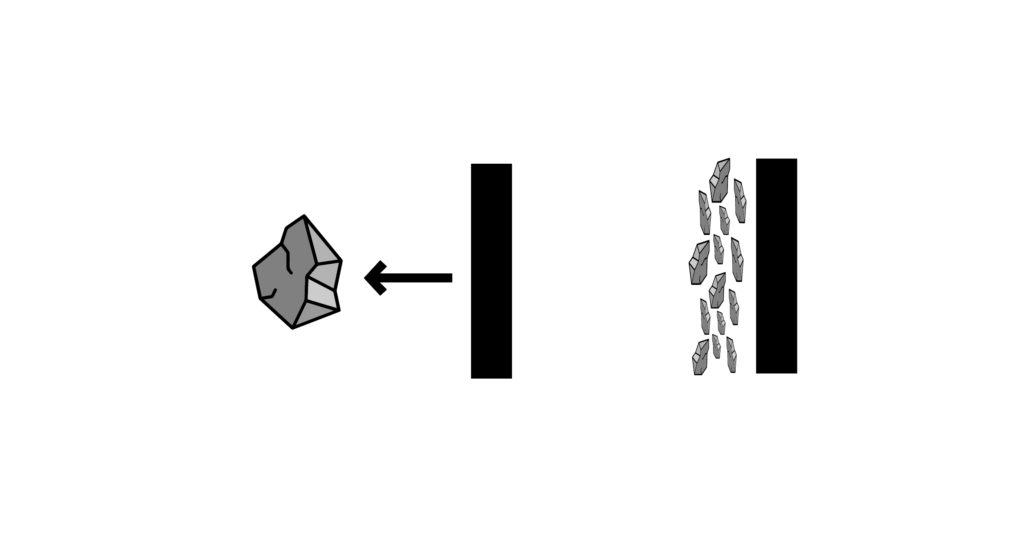
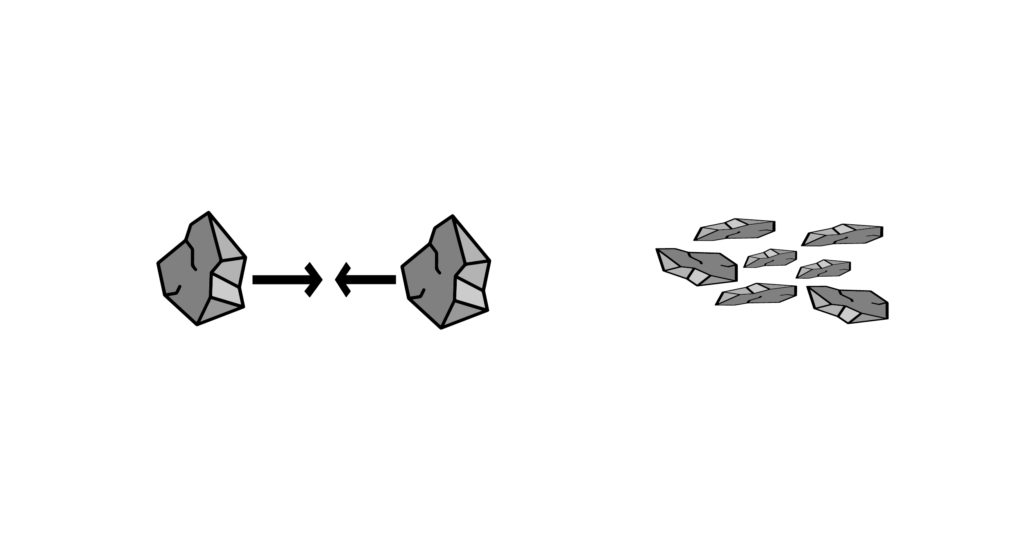
- Impact: particles fracture when struck, either against a tool or against each other.
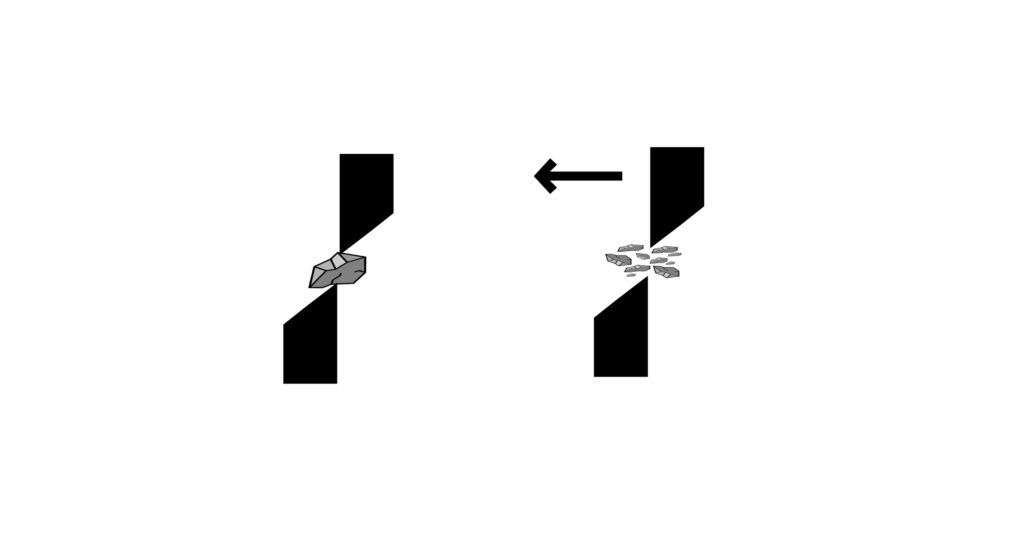
- Shearing: shear forces tear particles apart.
- Abrasion: progressive wear from contact with other particles or abrasive surfaces.
- Attrition: particle‑on‑particle collisions wear particles down.
- Friction: particles rub together, and the heat generated contributes to fracture.
- Cryo‑grinding: the material is cooled to cryogenic temperature to make it brittle.
Mill types
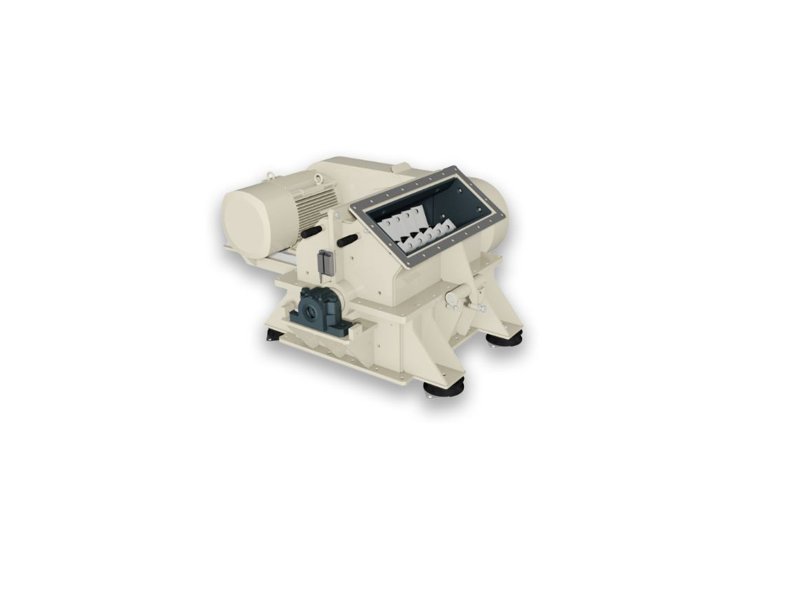
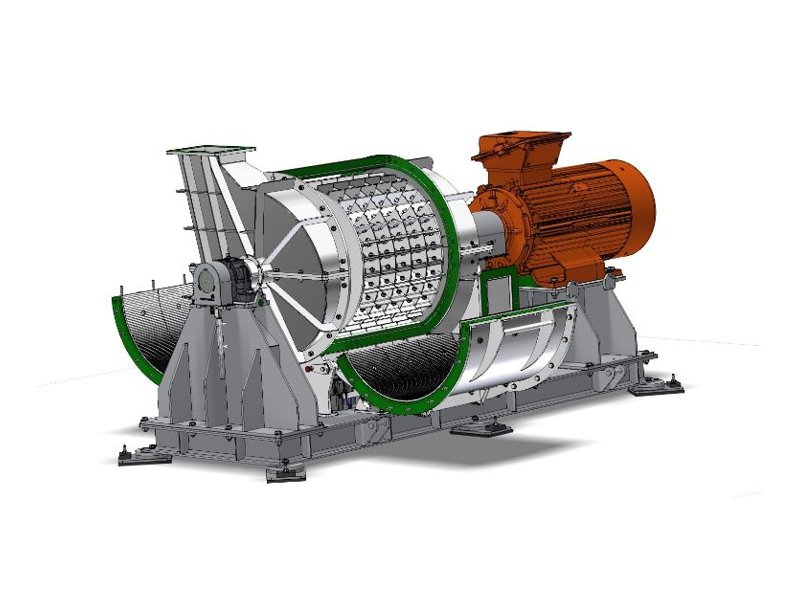
- Hammer mill: rotating hammers crush and pulverise.
- Impact mill: hammers or beaters strike the particles.
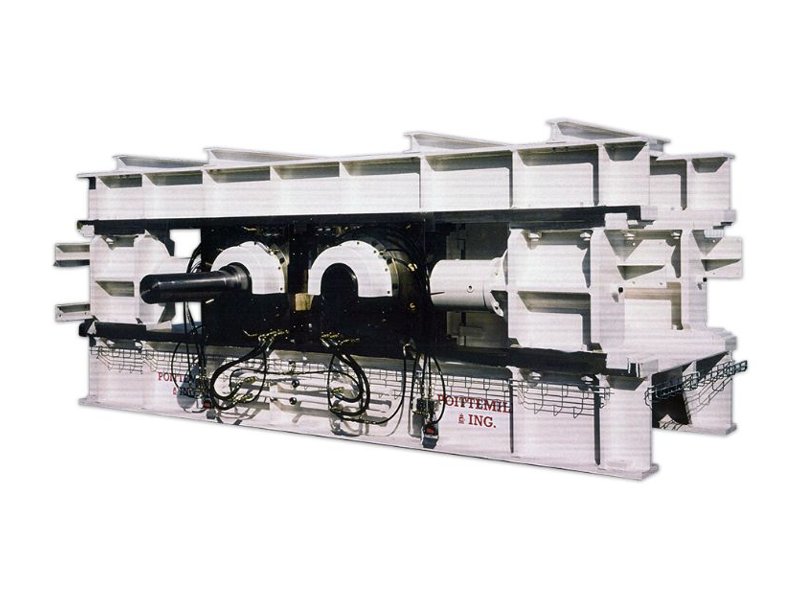
- Roller mill: two rotating rolls crush the material between them.
- Ball mill: metal balls in a rotating vessel reduce particle size.
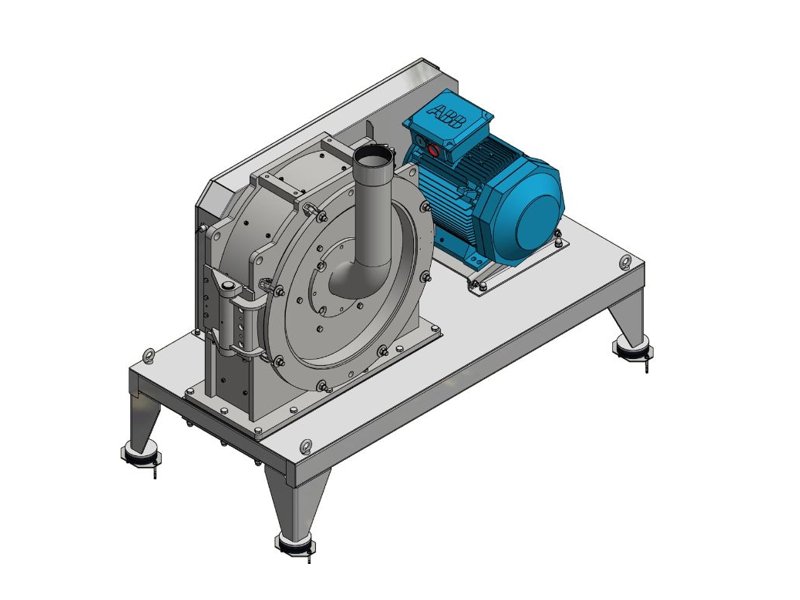
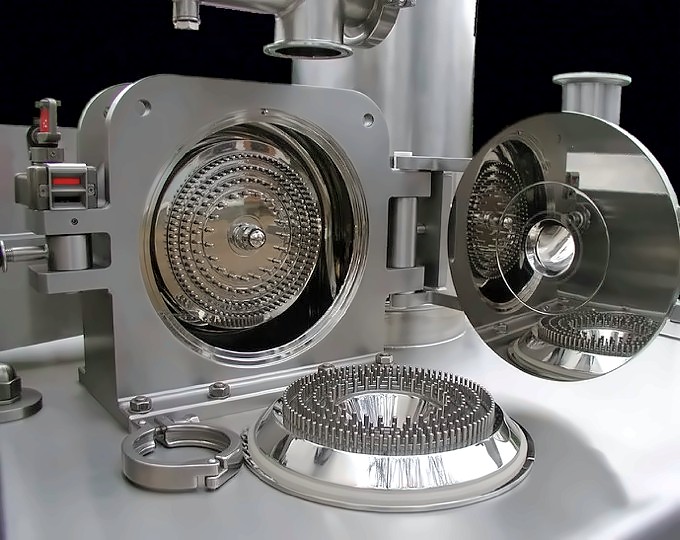
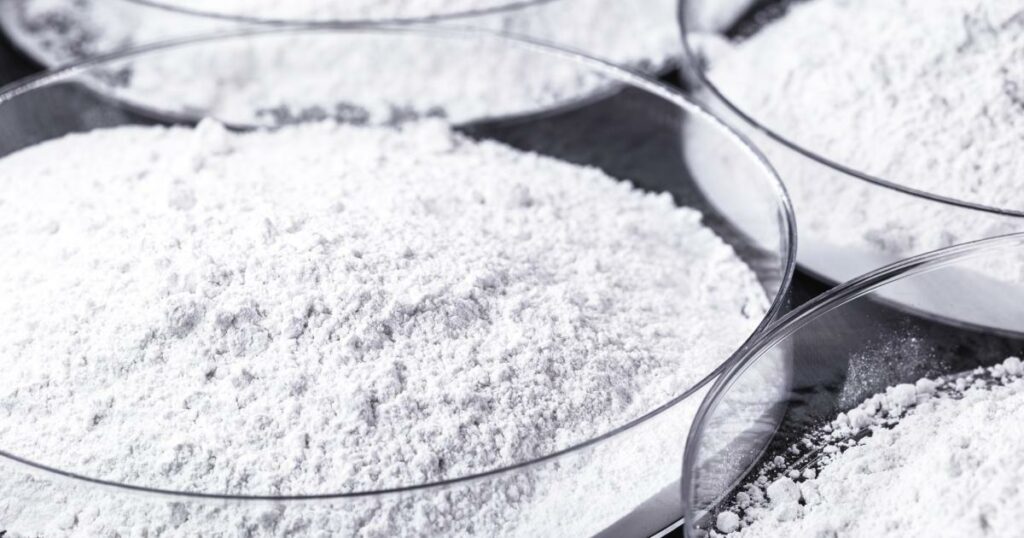
- Disc mill: rotating discs reduce the material to fine powder.
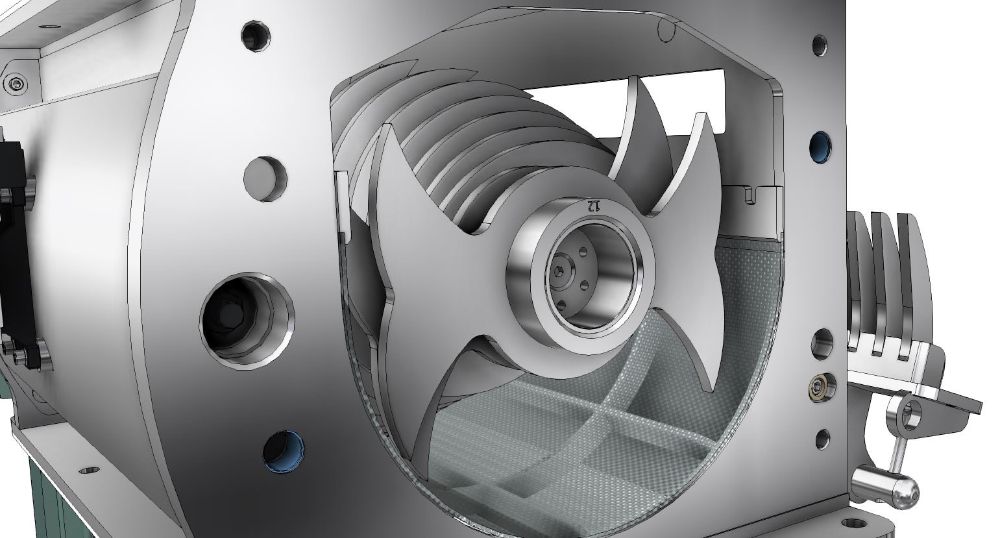
- Blade mill: rotating blades cut and chop.
- Attrition mill: particle collisions do the grinding.
- Air‑jet mill: an air jet produces very fine particles.
- Cryogenic mill: grinding of embrittled, cooled material.
What decides the choice
- Hardness: harder materials need more powerful methods.
- Friability: friable materials break more easily.
- Moisture content: water affects how the material flows and fractures.
- Target size and distribution: micronization and narrow distributions need classification.
- Energy consumption: depends on mill type, material and dry or wet process.
Combining mechanisms
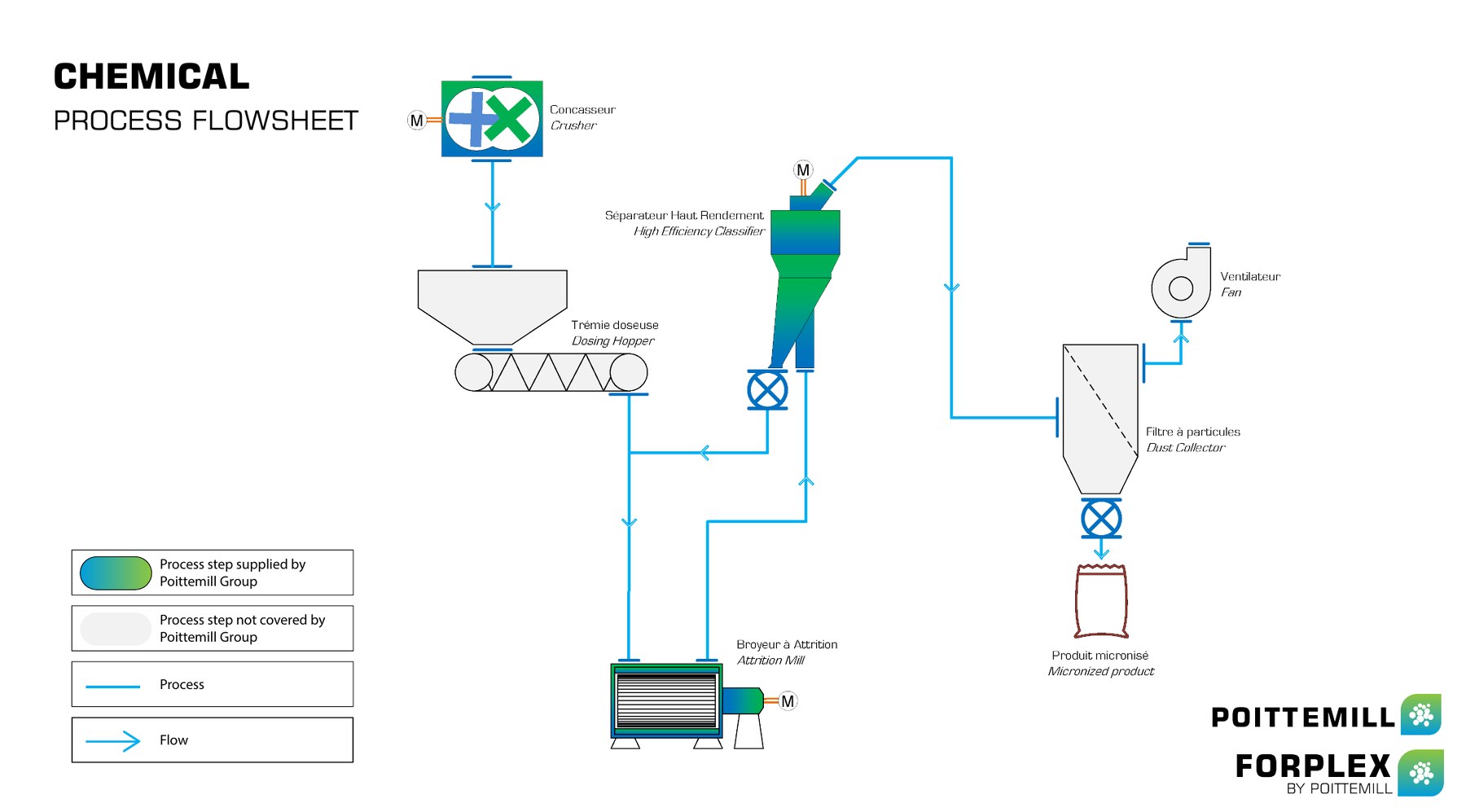
Many mills combine several mechanisms to improve efficiency and product quality. Grinding is often followed by sieving or air classification to hold the size distribution.
Trials with your material
Small grinding and classification trials run at PTC ASEAN in Chonburi on a POITTEMILL FNG laboratory mill. Larger or specialised trials run at the POITTEMILL test centre in Béthune, France, at pilot and full scale, to set machine, parameters and process before you invest.