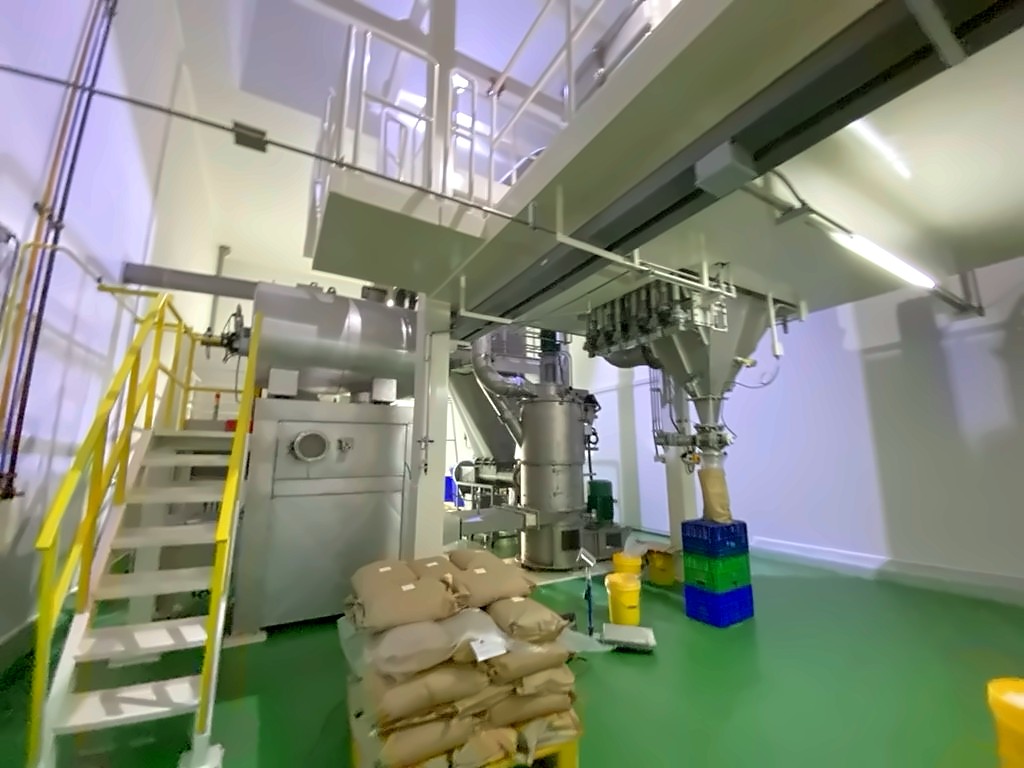
The challenges
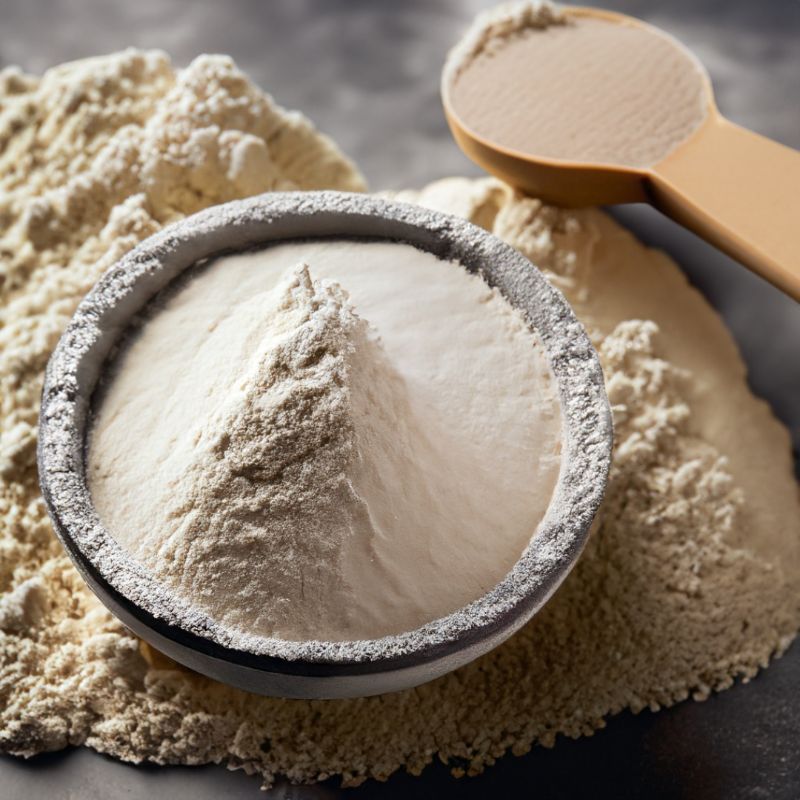
- Agglomeration and adhesion: moist particles clump, block material paths and stick to grinding surfaces, which slows fragmentation.
- Heat: grinding energy raises the temperature, which can degrade flavour, aroma and nutrients.
- Particle size control: variation in texture and composition makes a consistent particle size harder to hold.
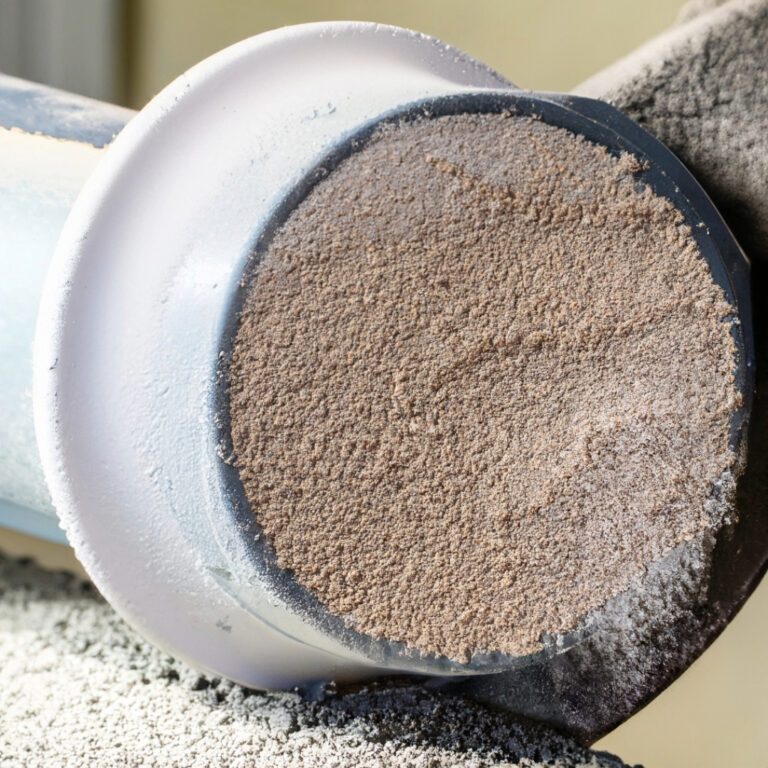
The solutions
- In‑situ cooling: integrated cooling keeps the grinding temperature in the optimum range and protects sensory and nutritional properties.
- Inert gas: grinding under inert gas prevents oxidation and unwanted chemical change.
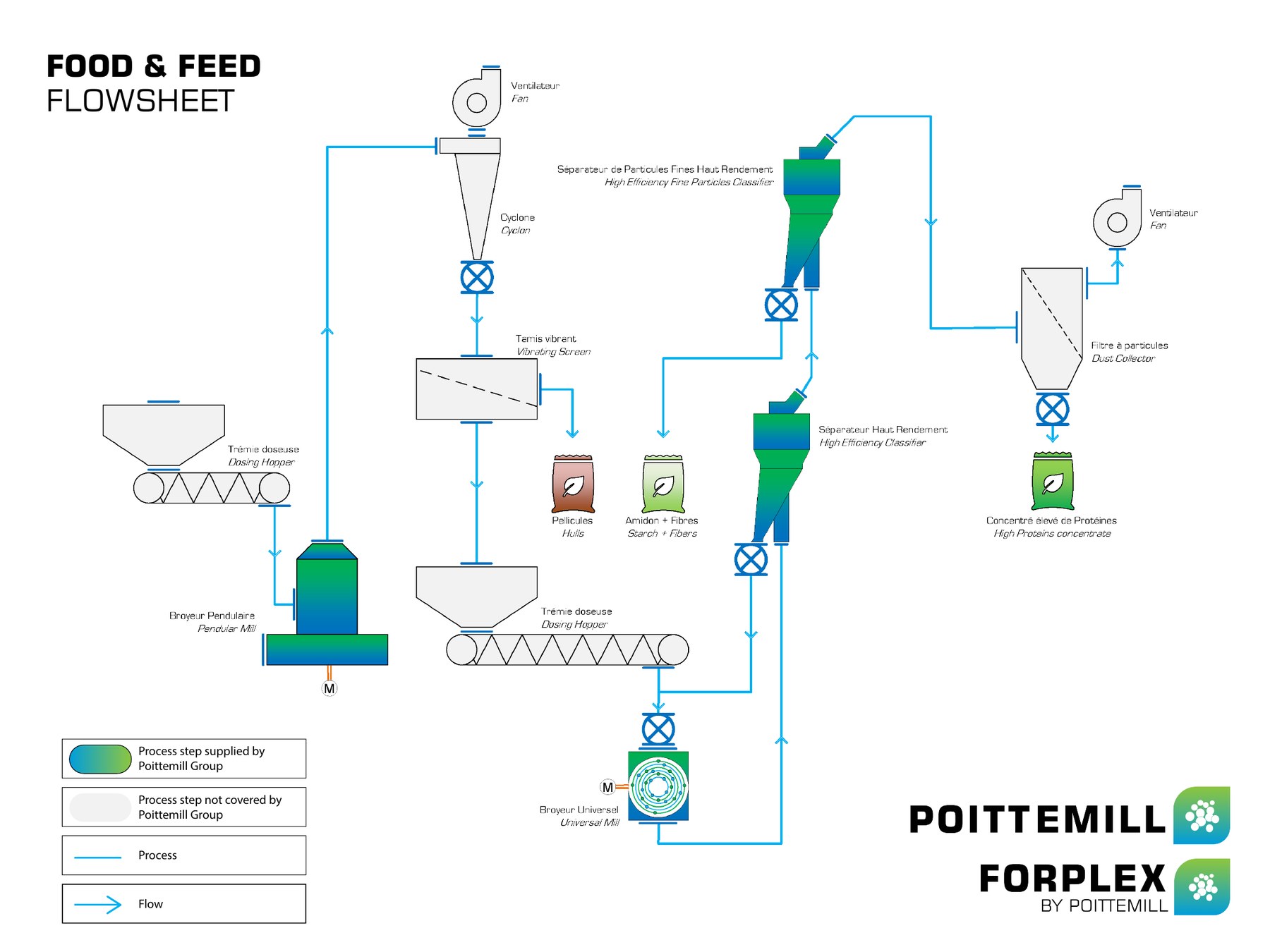
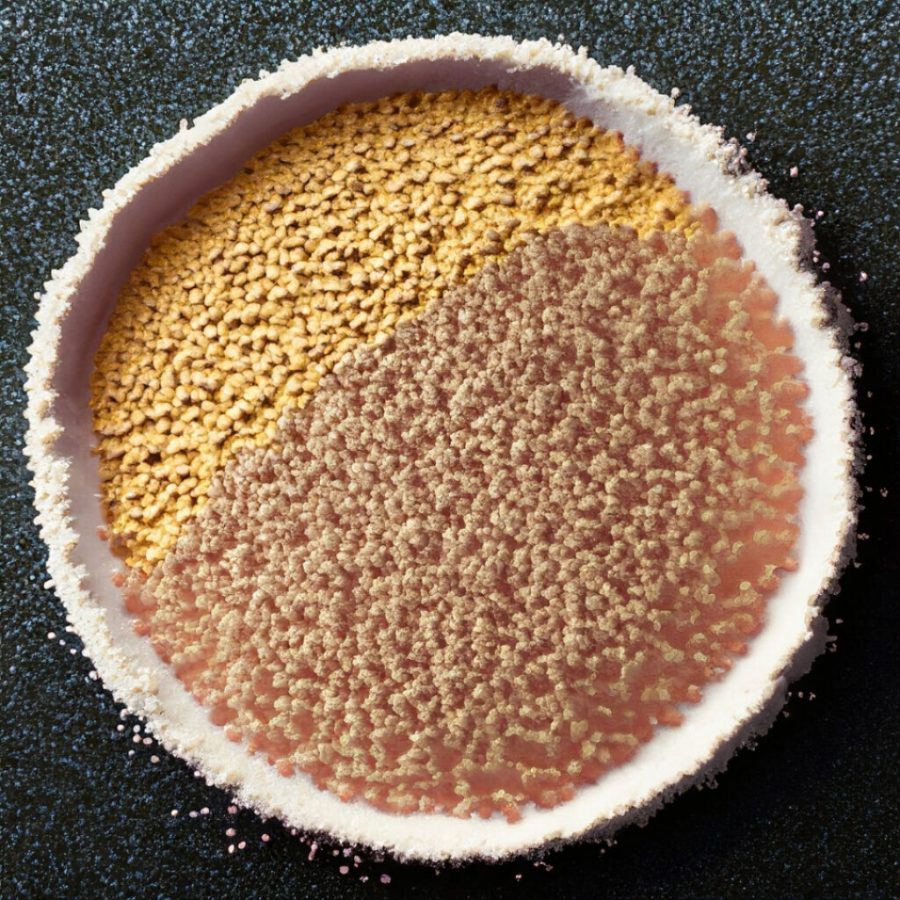
- Tuned parameters: speed, pressure and residence time are set for each product to limit adhesion and give a uniform size.
- Real‑time monitoring: in‑line infrared spectroscopy tracks composition during grinding so operators can correct deviations immediately.
Trials with your material
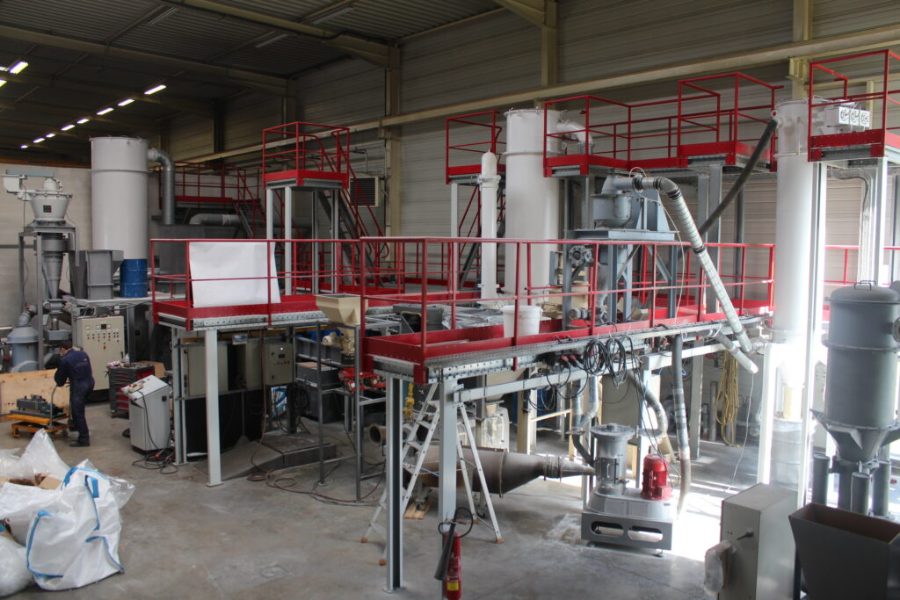
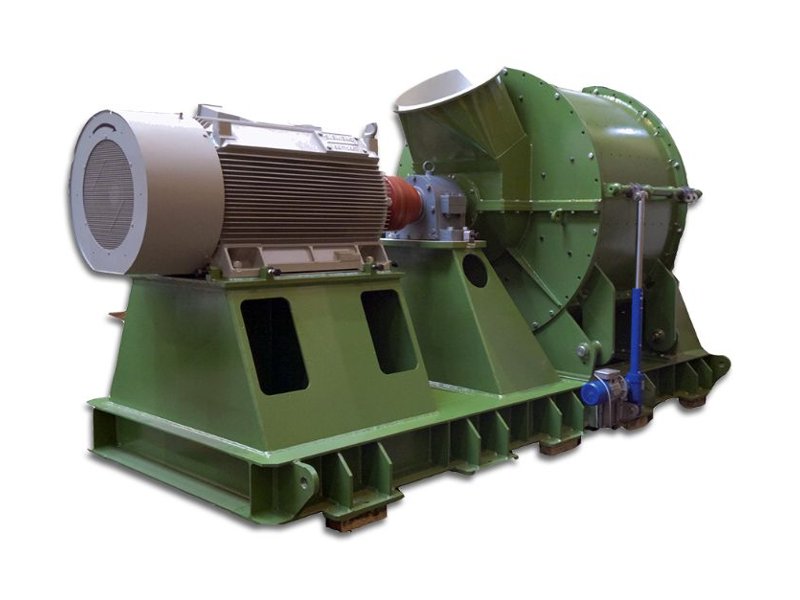
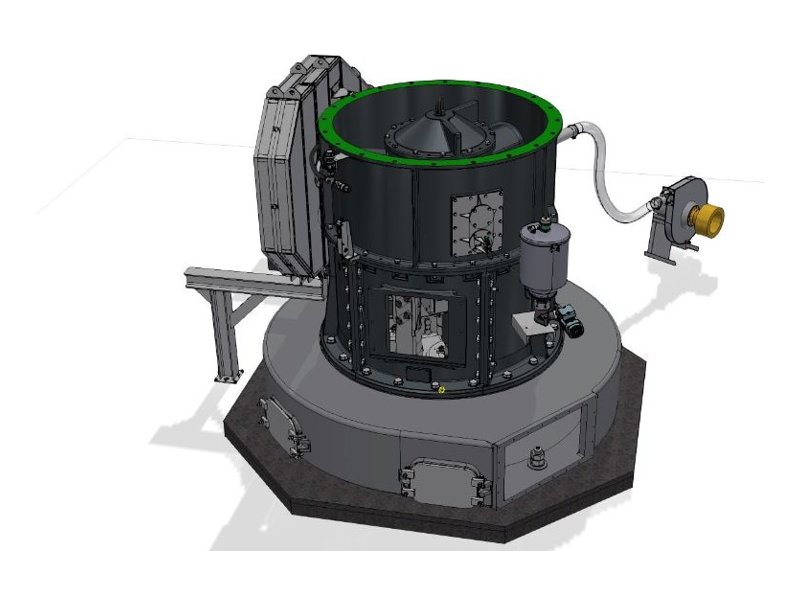
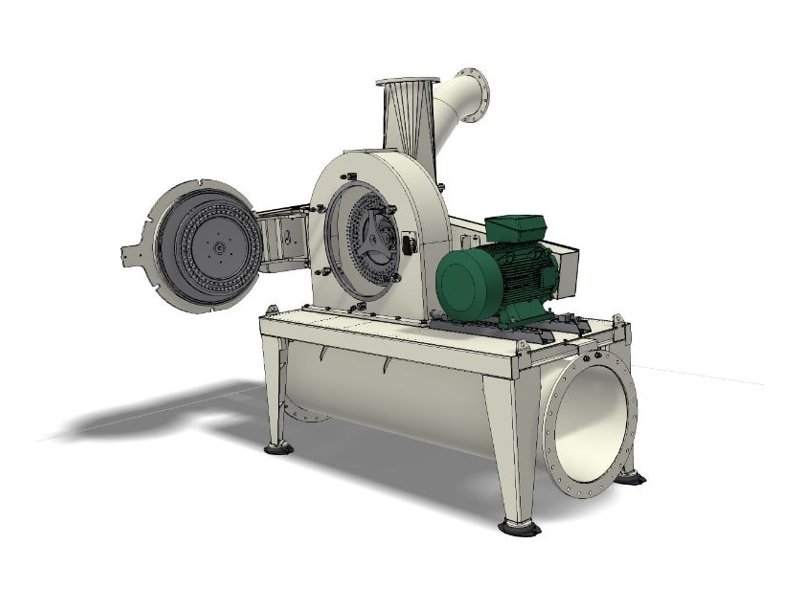
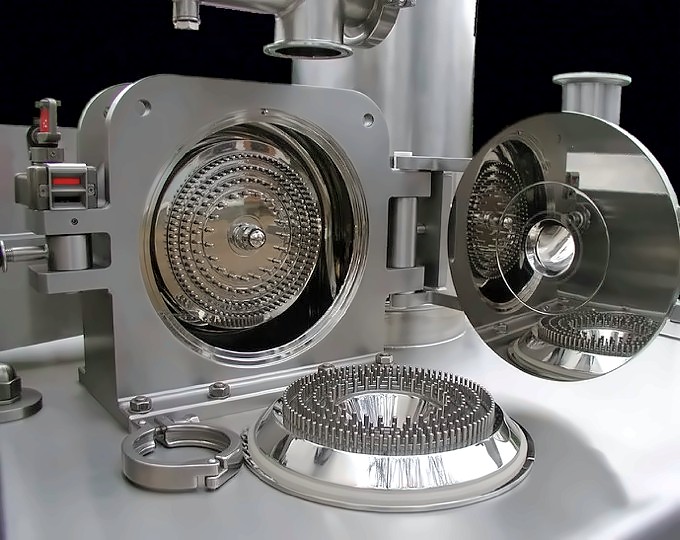
Small grinding and classification trials run at PTC ASEAN in Chonburi on a POITTEMILL FNG laboratory mill. Larger or specialised trials run at the POITTEMILL test centre in Béthune, France, at pilot and full scale, to set machine, parameters and process before you invest.