

Home / Processes / Freeze granulation
Freeze granulation service
Freeze granulation trials through PRECI in Japan
A new way to turn liquid into uniform granules, without heat
Arranged by our team at PRECI's Powder Technical Centers
- Advanced new technology, unmatched powder quality and properties
- Heat‑free particle formation by rapid freezing
- Uniform, low‑density, highly homogeneous granules
Typical requests
When customers come to us
Heat exposure
Spray drying exposes the material to hot gas.
Hollow particles
Spray drying gives hollow particles from the feed.
Dense shells
Spray‑dried granules form dense shells that resist pressing.
Segregation
Conventional freeze drying segregates the feed during slow pre‑freezing.
Capabilities
What we handle
Sample size
From 50 mL for a first test up to tens of liters.
Feed
From low‑concentration solutions to high‑concentration, high‑viscosity slurries.
Particle size
D50 from about 10 to 700 µm. Dry cooling gives tens to 200 µm, wet cooling 100 to 400 µm.
Location
Trials run at PRECI's Powder Technical Centers in Kawasaki, arranged and followed by our team.
Equipment
Freeze granulators at PRECI
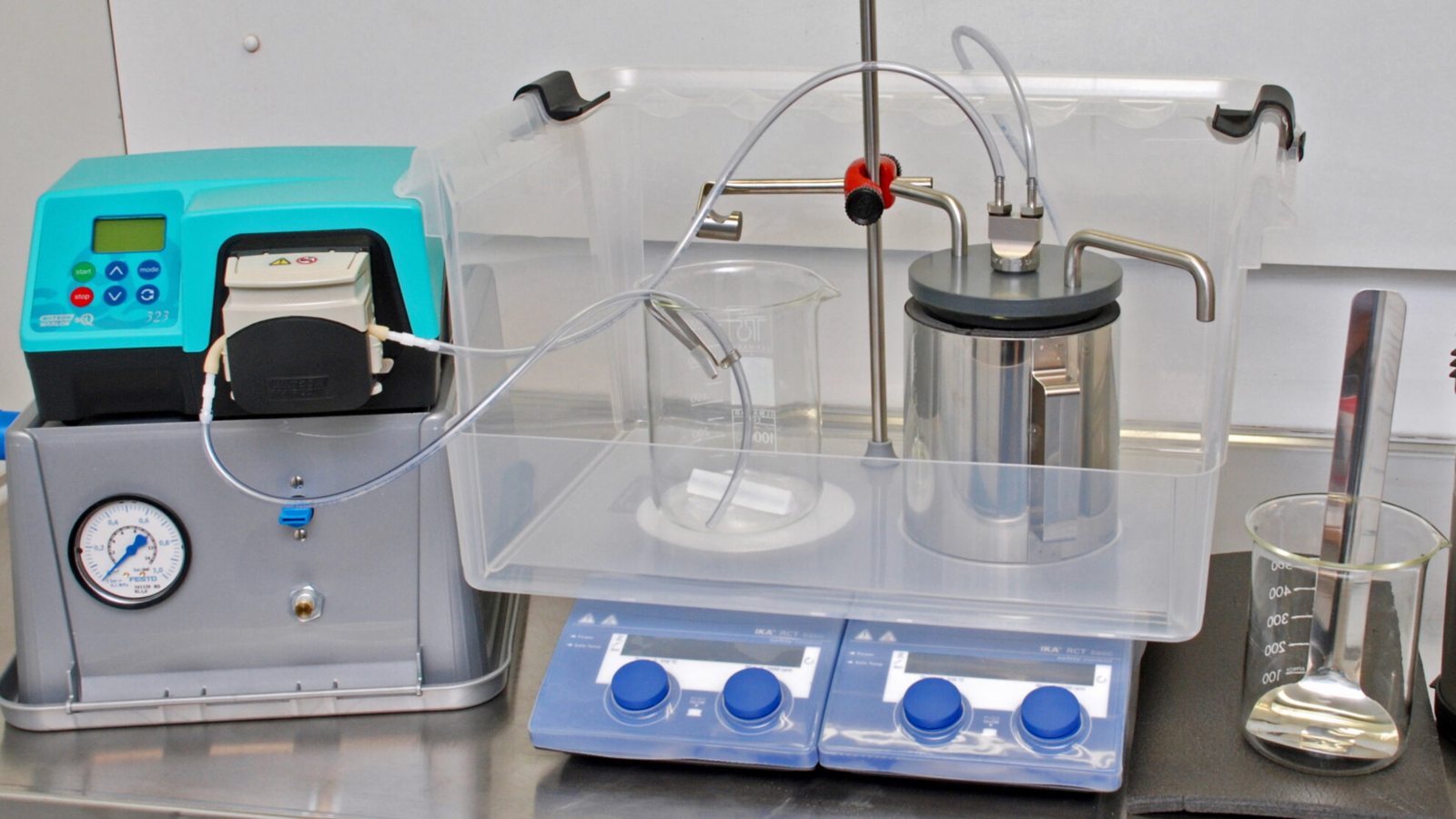
Laboratory · PRECI Japan
LS‑6
⌀120 mm chamber, two‑fluid nozzle. Wet cooling in liquid nitrogen at −196 °C.
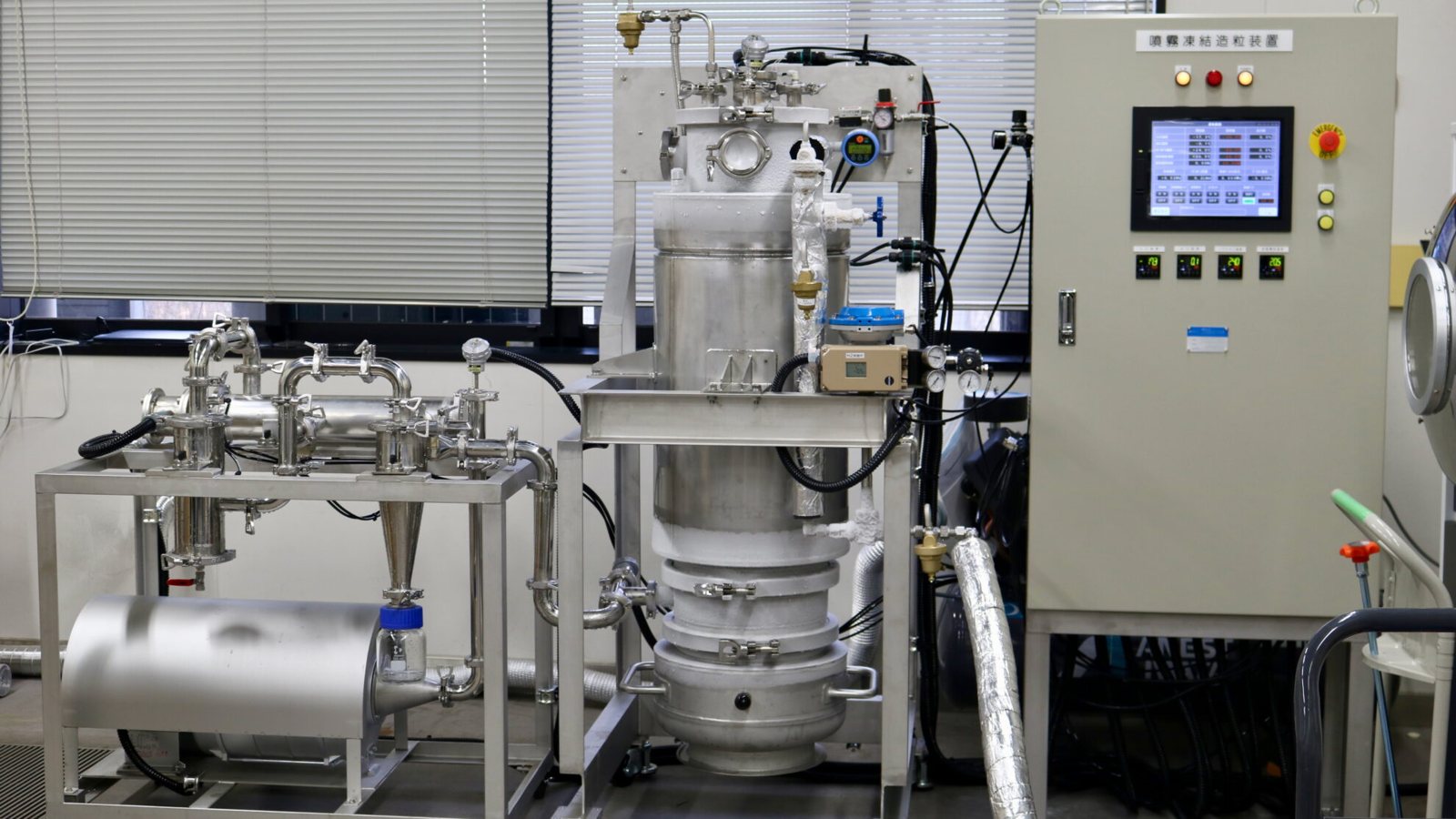
Pilot · PRECI Japan
CS30
⌀300 mm chamber, two‑fluid nozzle. Dry cooling with nitrogen gas from −10 to −120 °C.
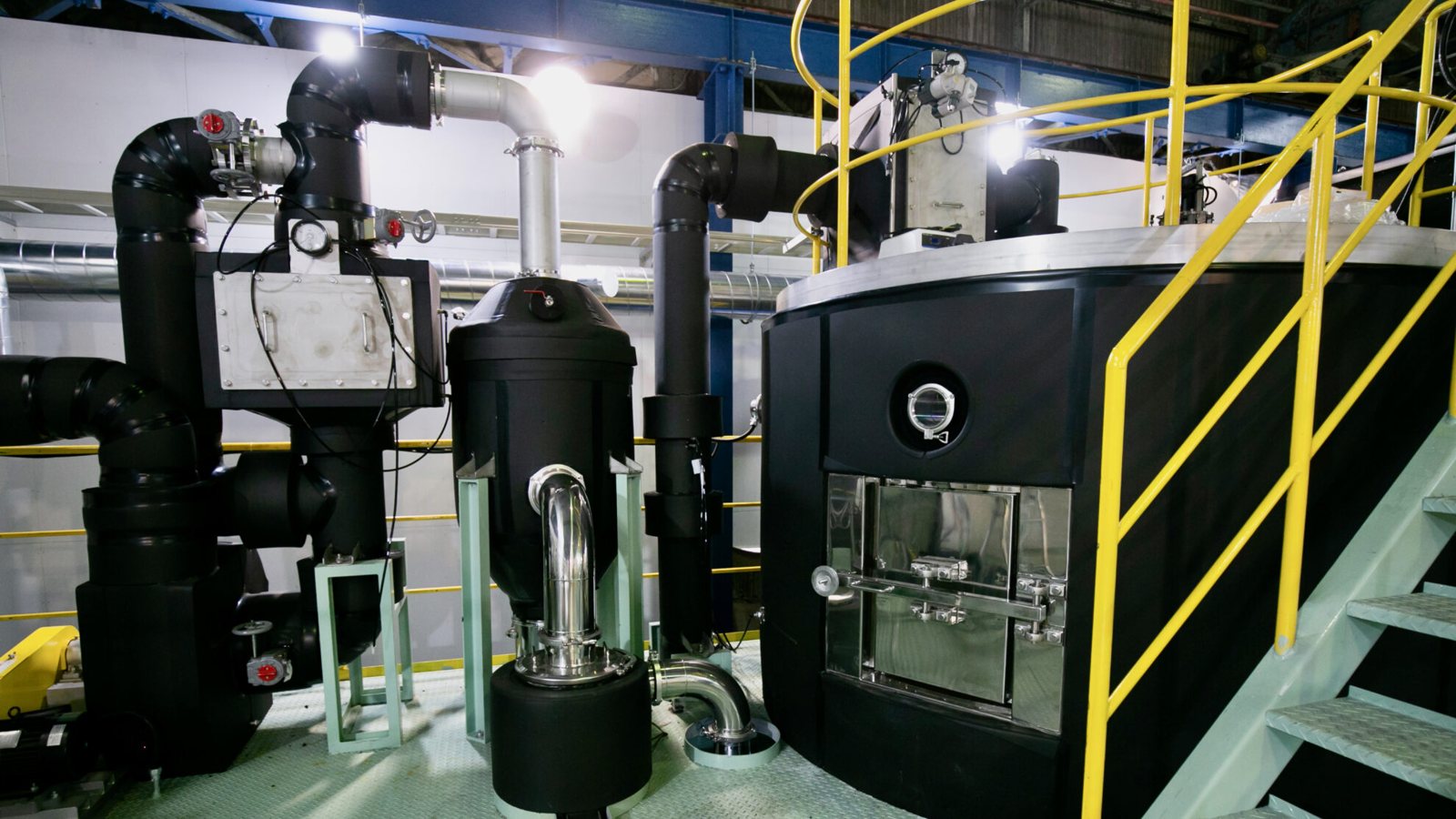
Production · PRECI Japan
CS220
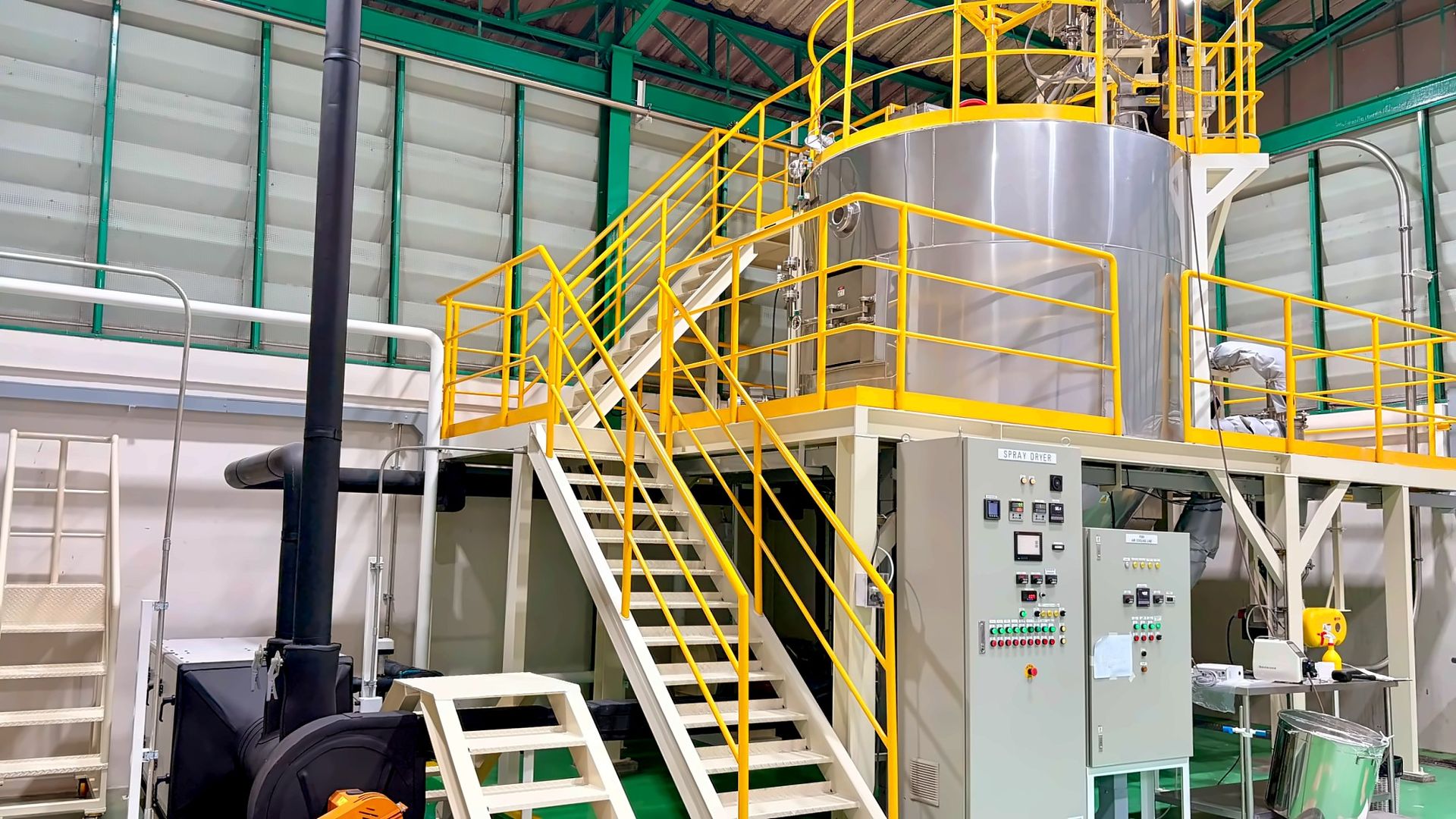
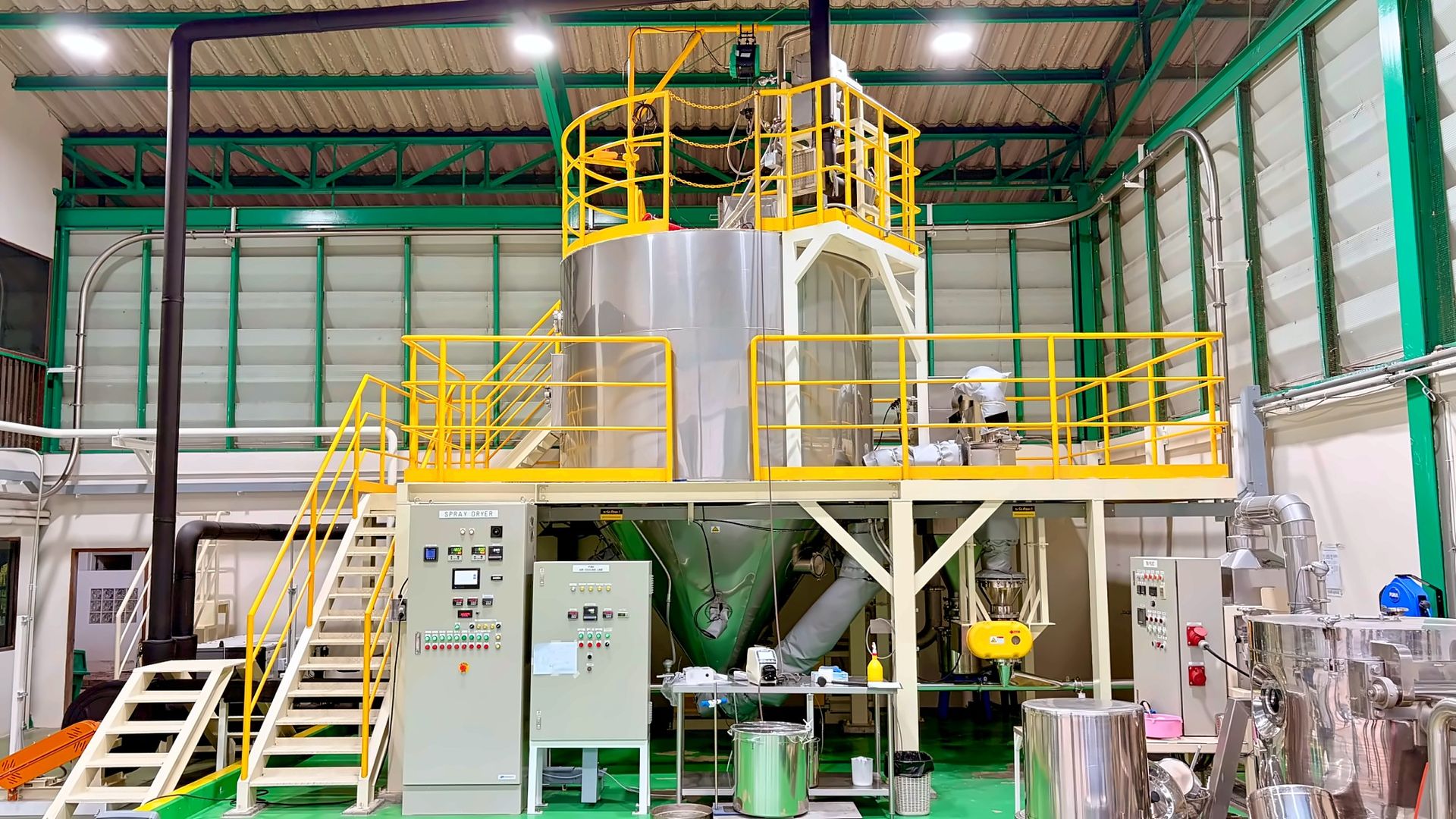
⌀2,200 mm chamber, rotary atomizer and two‑fluid nozzle. −10 to −45 °C with a chiller, no liquid nitrogen.
Freeze dryers
Laboratory shelf dryer, an 85 L pilot dryer with a rocking chamber connected to the CS30, and a 160 L dryer with a rotating chamber that cuts drying time by more than half.
Service content
Scope of supply
Provided by PTC ASEAN with PRECI
- Freeze granulator and freeze dryer
- Liquid nitrogen, where the unit needs it
- Deionized water, pumps, agitators, feed tanks and weighing
- Packaging and dispatch of the dried powder
- Equipment cleaning after each run
Provided by the customer
- Feed liquid, or raw materials for preparation
- Solvent for organic systems, used to flush the line
- Material data, including the Safety Data Sheet (SDS)
- Any additional items agreed at the technical consultation
Principle
How freeze granulation works
Freeze granulation is a new particle‑formation process from PRECI, with the world's first production‑scale freeze granulator, the CS220. The liquid is atomized into fine droplets, frozen within milliseconds and then freeze dried. Freezing locks the internal structure, so the granules keep a quality and structure that spray drying cannot reach.
Solid, uniform spheres
No hollow shells. Low density with a homogeneous structure.
No heat
The material is never heated above ambient, which suits pharmaceuticals and biologics.
No segregation
Millisecond freezing keeps the feed uniform, unlike slow pre‑freezing.
For high‑value products
Freezing and freeze drying use more energy, so the process is chosen where powder quality and properties matter most.
Know‑how
Freeze granulation compared with spray drying
PRECI trial results on the same feeds.
Ceramics · alumina
Freeze‑granulated granules reached a higher fired density than spray‑dried ones, as their uniform structure resists firing defects.
Biologics · yogurt model
Freeze‑granulated powder stayed white and porous. Lactic acid bacteria survived best at a freezing temperature of −30 °C.
Pharmaceuticals · lactose
The freeze‑granulated product was fully amorphous, while the spray‑dried sample was partly crystalline.
Nanofibers · CNF
The nanofiber structure was kept, with granules of about 400 µm D50 from a 2 wt% dispersion.
Applications
Materials we freeze granulate
Case studies
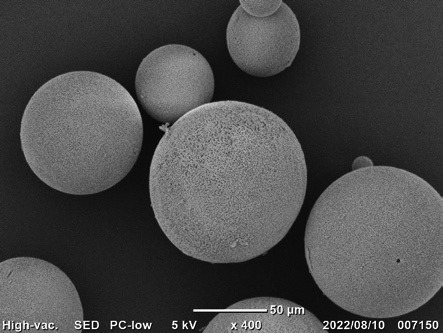
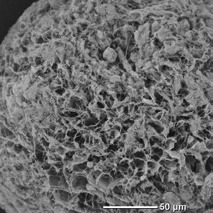
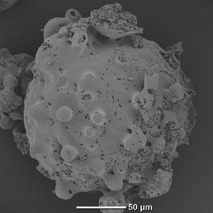
Freeze granulation in practice
Case studies from PRECI's Powder Technical Centers in Japan.
Step by step
How to request a trial
Contact
Reach us through the contact form, by email or by phone.
Consultation
We discuss your material and goals. You complete the confirmation sheet.
Proposal
We propose the process for your material and send a quotation.
Scheduling
The run date is fixed when you place the order.
Material delivery
Send your material by the day before the run. Hand delivery is also possible.
Processing
We run your material on the scheduled day.
FAQ
Before you request a trial
What particle size can you reach?
It depends on the feed. Lower solids and viscosity give smaller particles. Results range from a D50 of 10 µm to about 700 µm.
Can organic solvents be used?
For a limited set. Many solvents freeze at very low temperatures or dissolve during freeze drying. Cyclohexane has been processed. Ask us about your solvent.
What batch size is possible?
From 50 mL for a test up to tens of liters, depending on the frozen bulk volume.
Can I attend the run?
Yes. Customers usually attend freezing and loading into the freeze dryer. The dried powder is then sent to you.
Explore
Related pages
Discuss your material
Send us your material and target. We reply within one working day.