Grades and uses
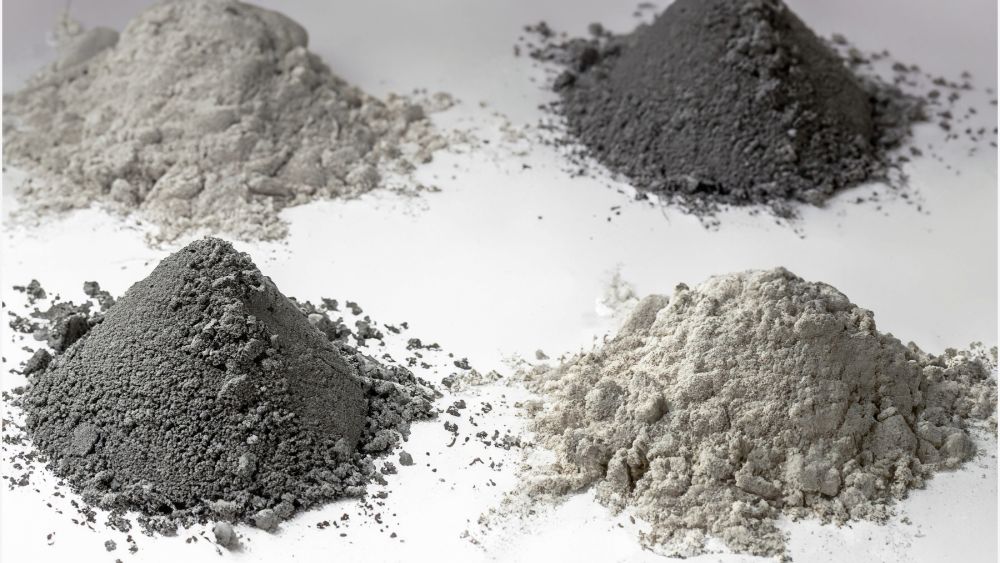
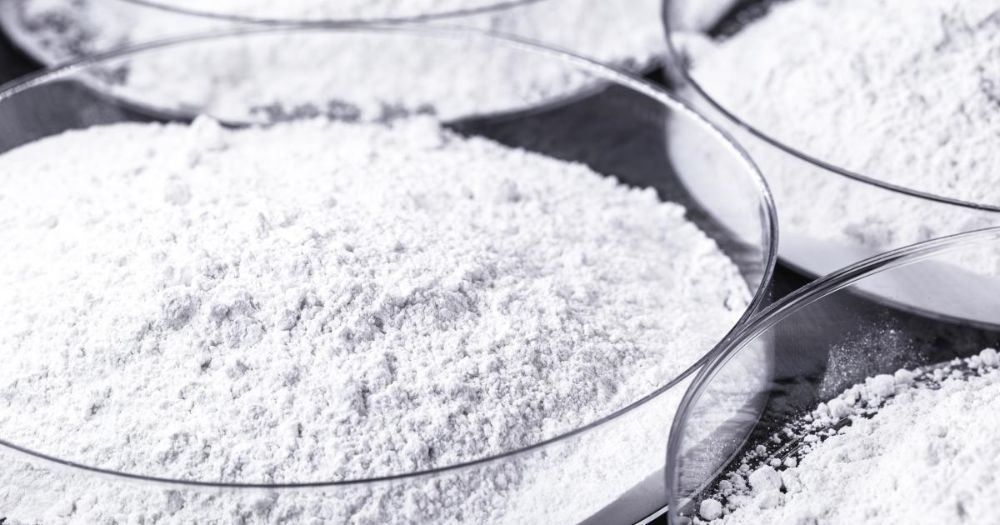
- Paper: about 60% of world consumption, for whiteness, opacity and texture. 325 mesh, 95% whiteness, 98% CaCO₃.
- Plastics: rigidity at lower cost. 400 mesh, 95% whiteness, 99% CaCO₃.
- Premium paper: 2,500 to 6,500 mesh for extreme fineness.
- Paints and coatings: gloss, viscosity and durability.
- Rubber and construction: mechanical strength and stability.
Grinding challenges
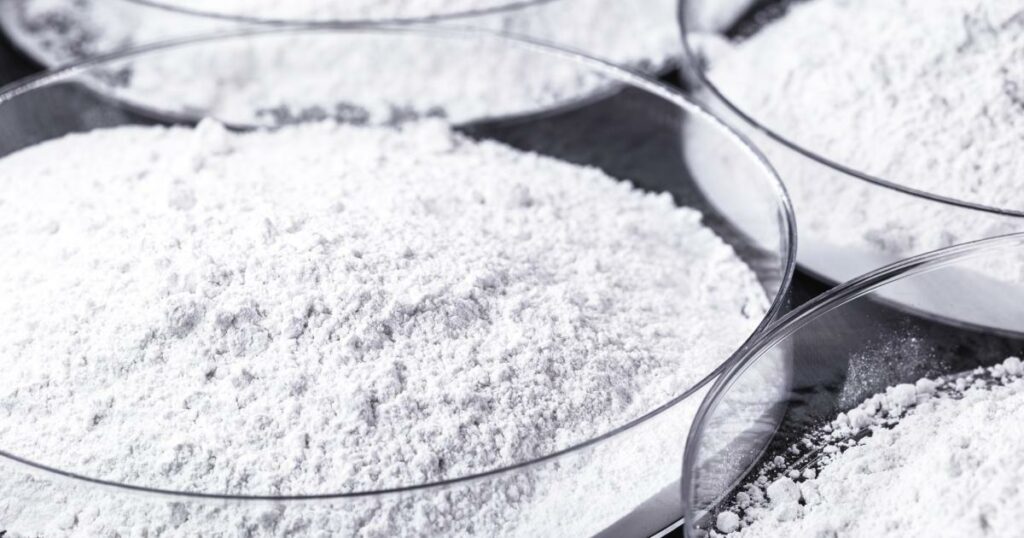
- Abrasion: calcium carbonate wears grinding parts quickly, so wear‑resistant materials are needed.
- Particle size control: a uniform size for each grade depends on precise control of speed and residence time.
- Dust: dry grinding produces fine dust, which needs filtration and extraction for safety and product quality.
Pendular mill
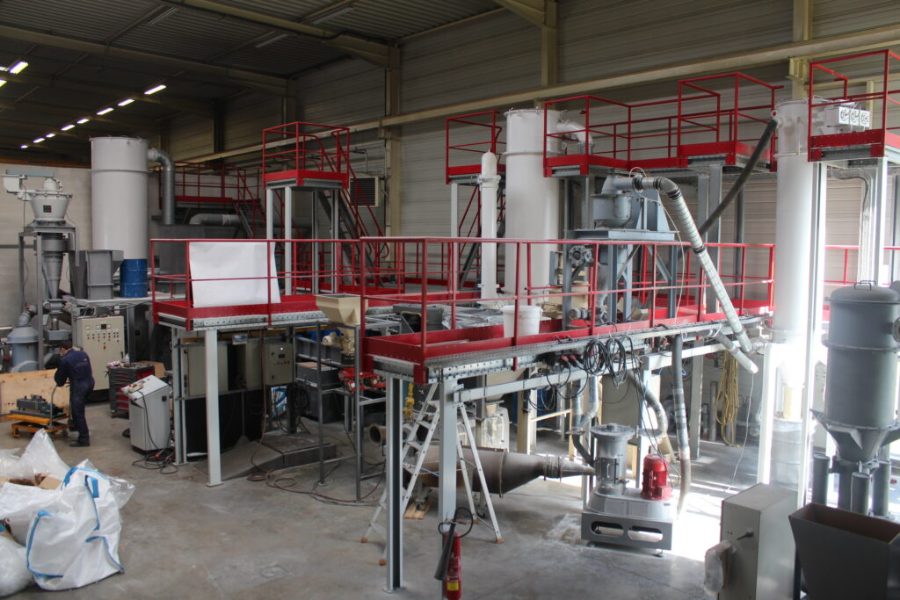
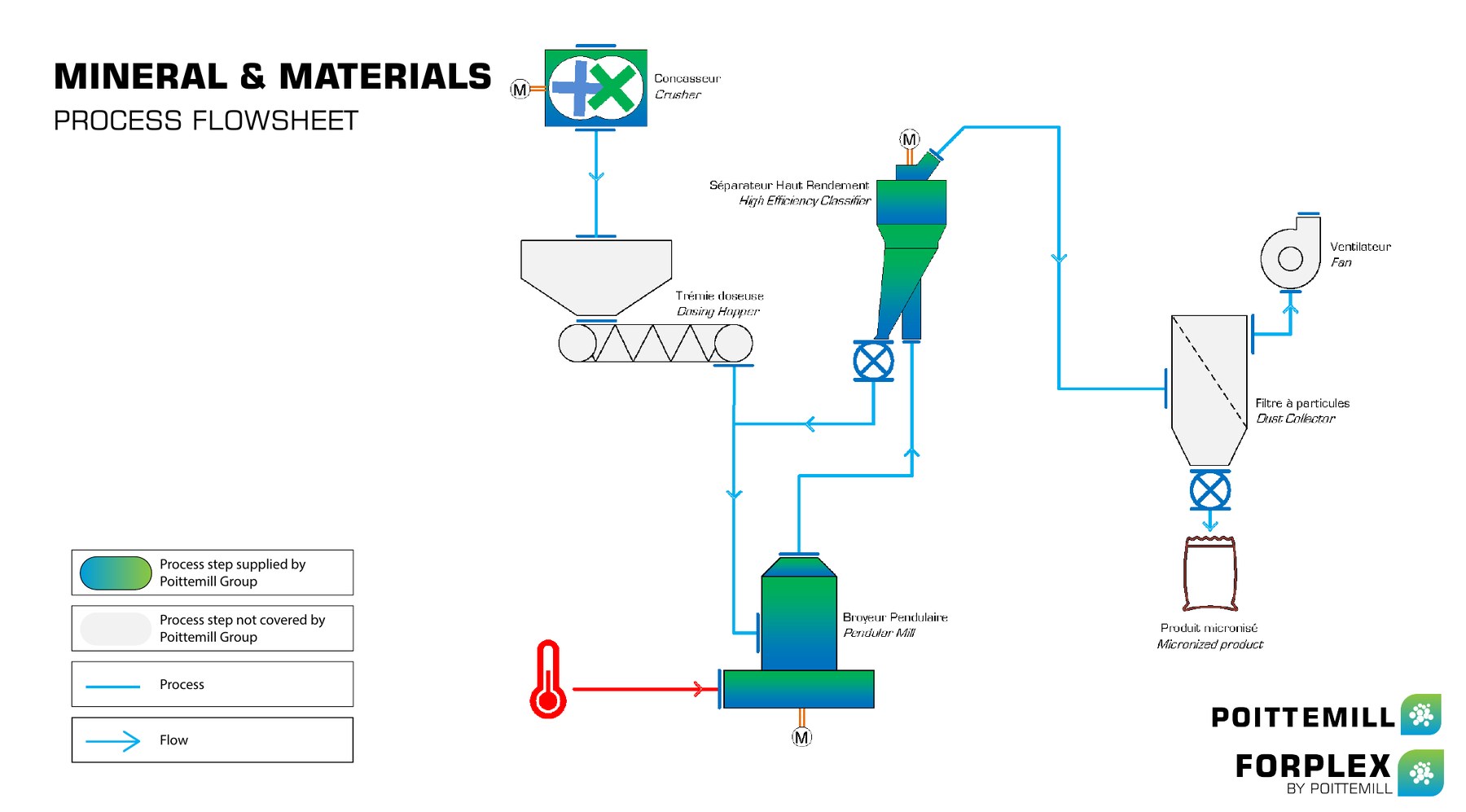
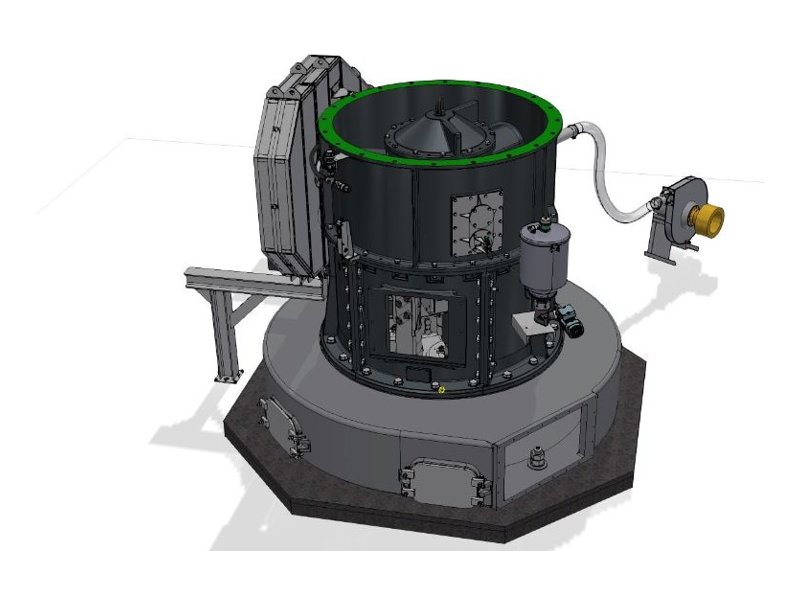
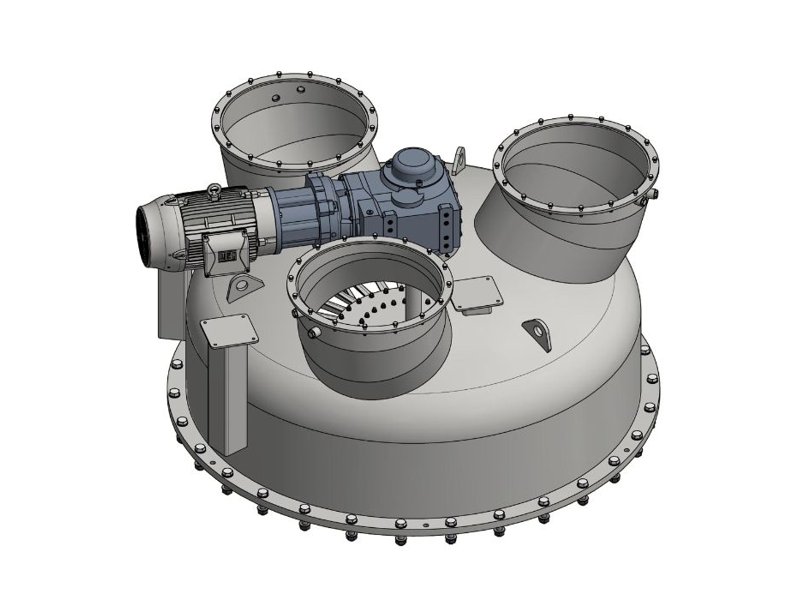
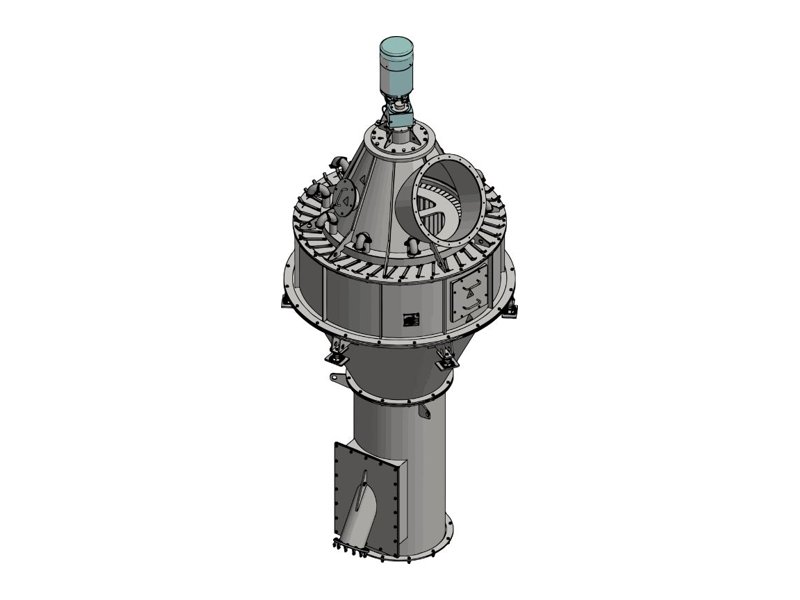
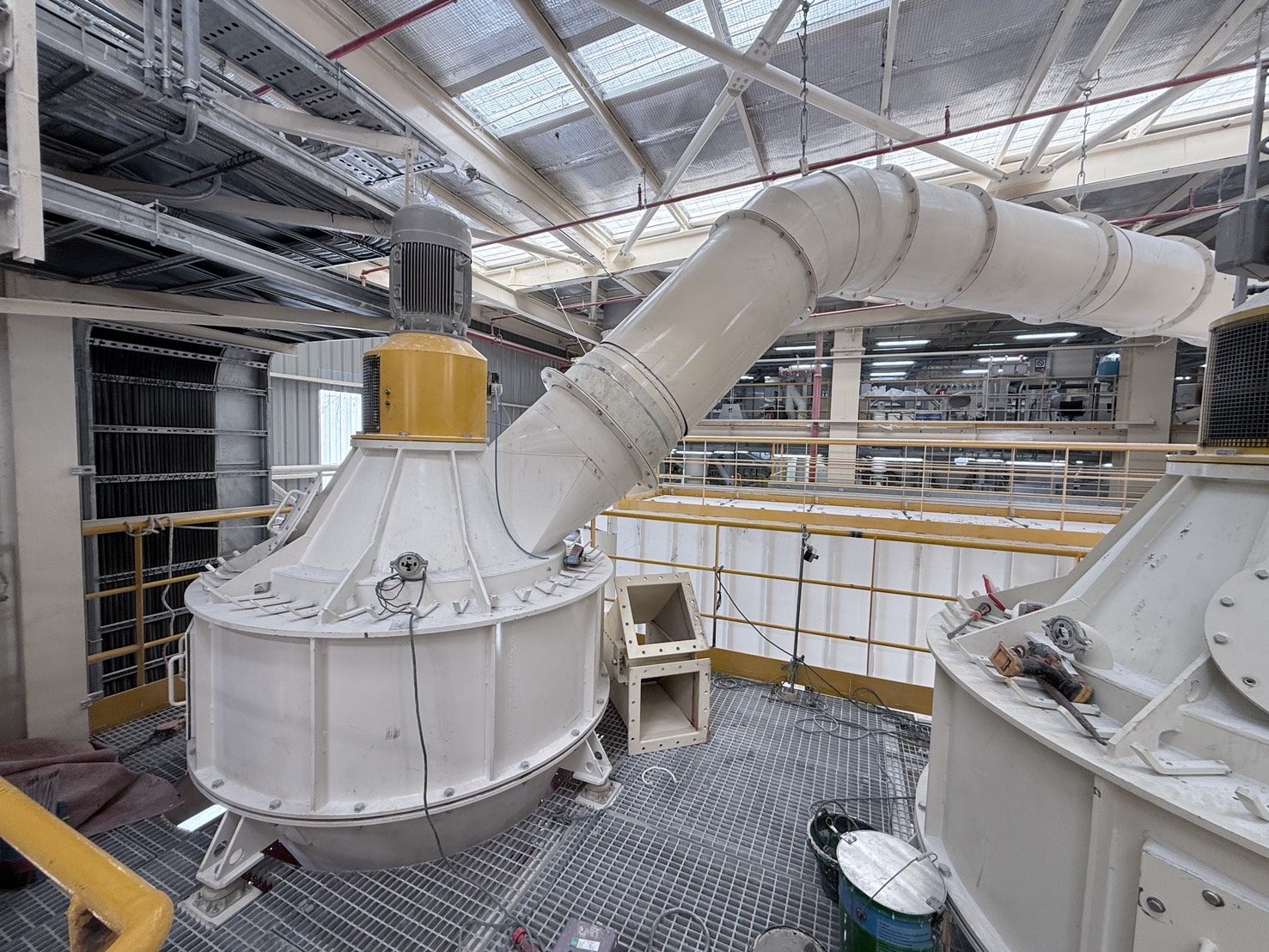
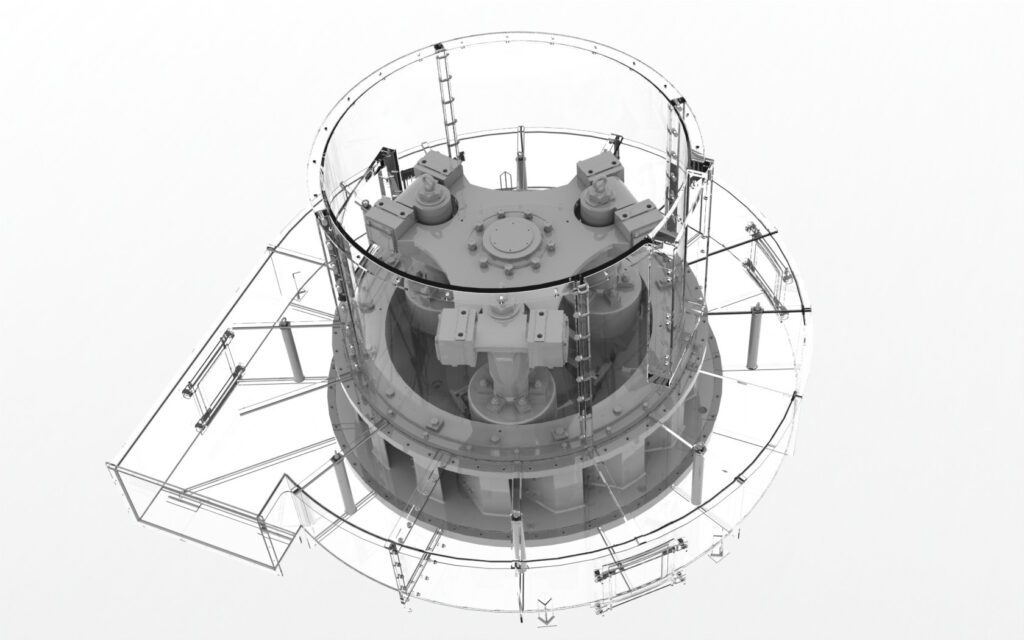
In a pendular mill, rollers press the material against a grinding ring with high force, reducing it by compression and shear. An integrated air classifier returns oversize particles and releases only the target fraction, which limits over‑grinding.
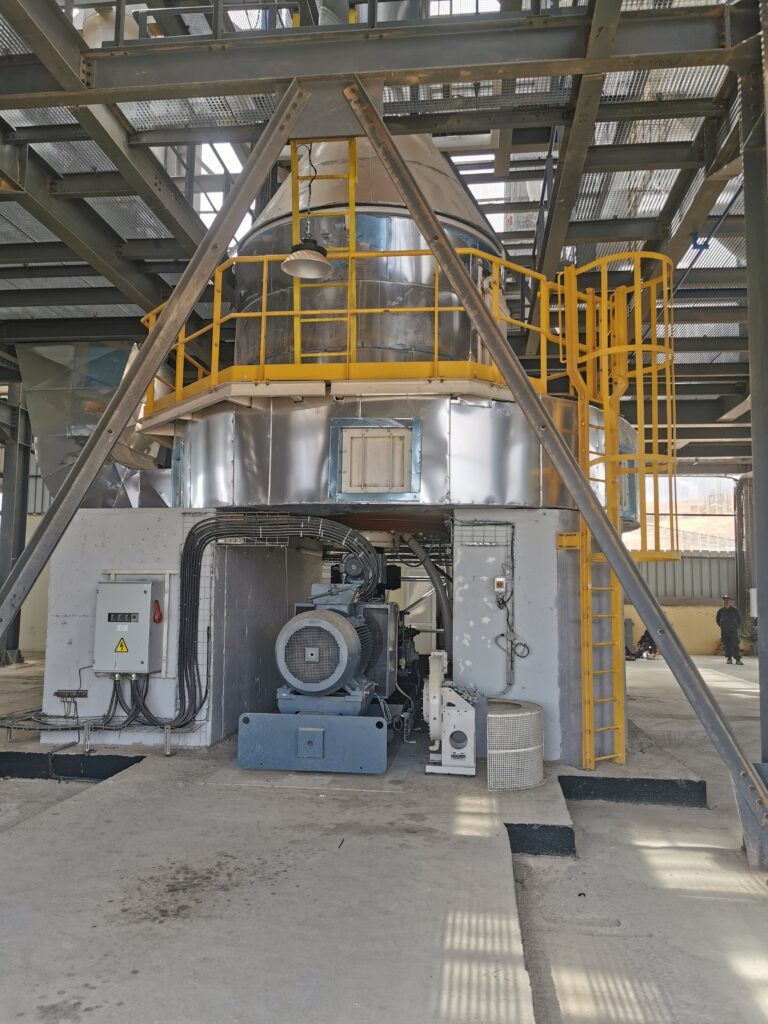
Advantages
- Flexible fineness: one mill covers a wide range of grades.
- Energy: up to 40% energy saving compared with other grinding methods.
- Quality control: integrated classification gives a uniform particle size distribution.
- Low wear: abrasion‑resistant parts reduce maintenance.
- No contamination: a dry process with no water and no foreign material.
Trials with your material
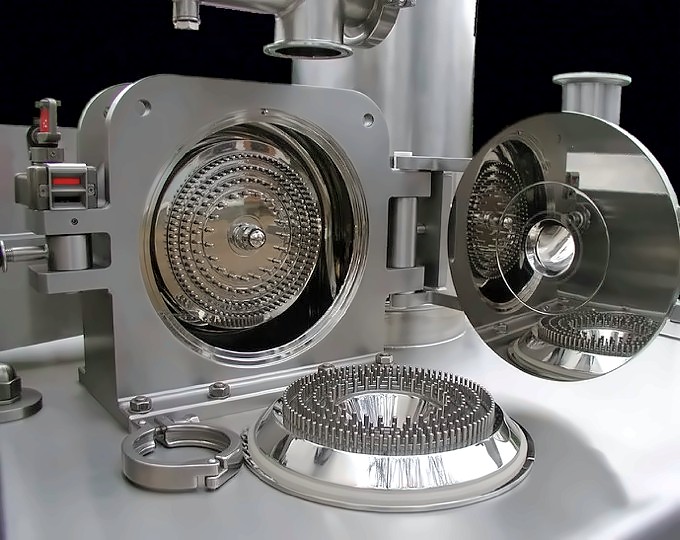
Small grinding and classification trials run at PTC ASEAN in Chonburi on a POITTEMILL FNG laboratory mill. Larger or specialised trials run at the POITTEMILL test centre in Béthune, France, at pilot and full scale, to set machine, parameters and process before you invest.