How it works
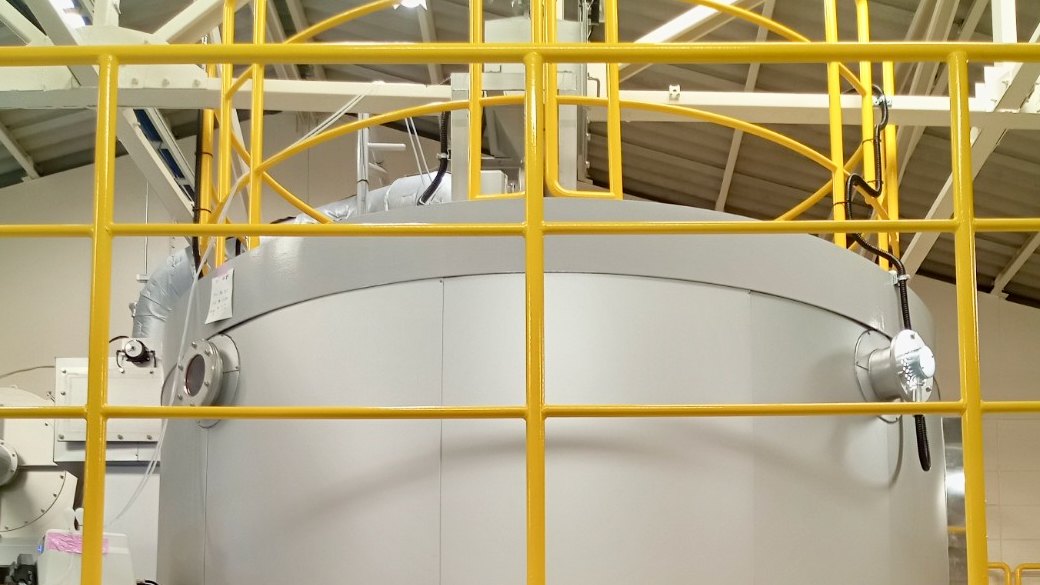
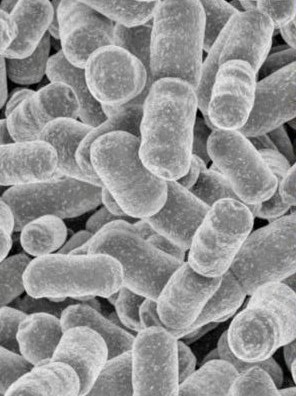
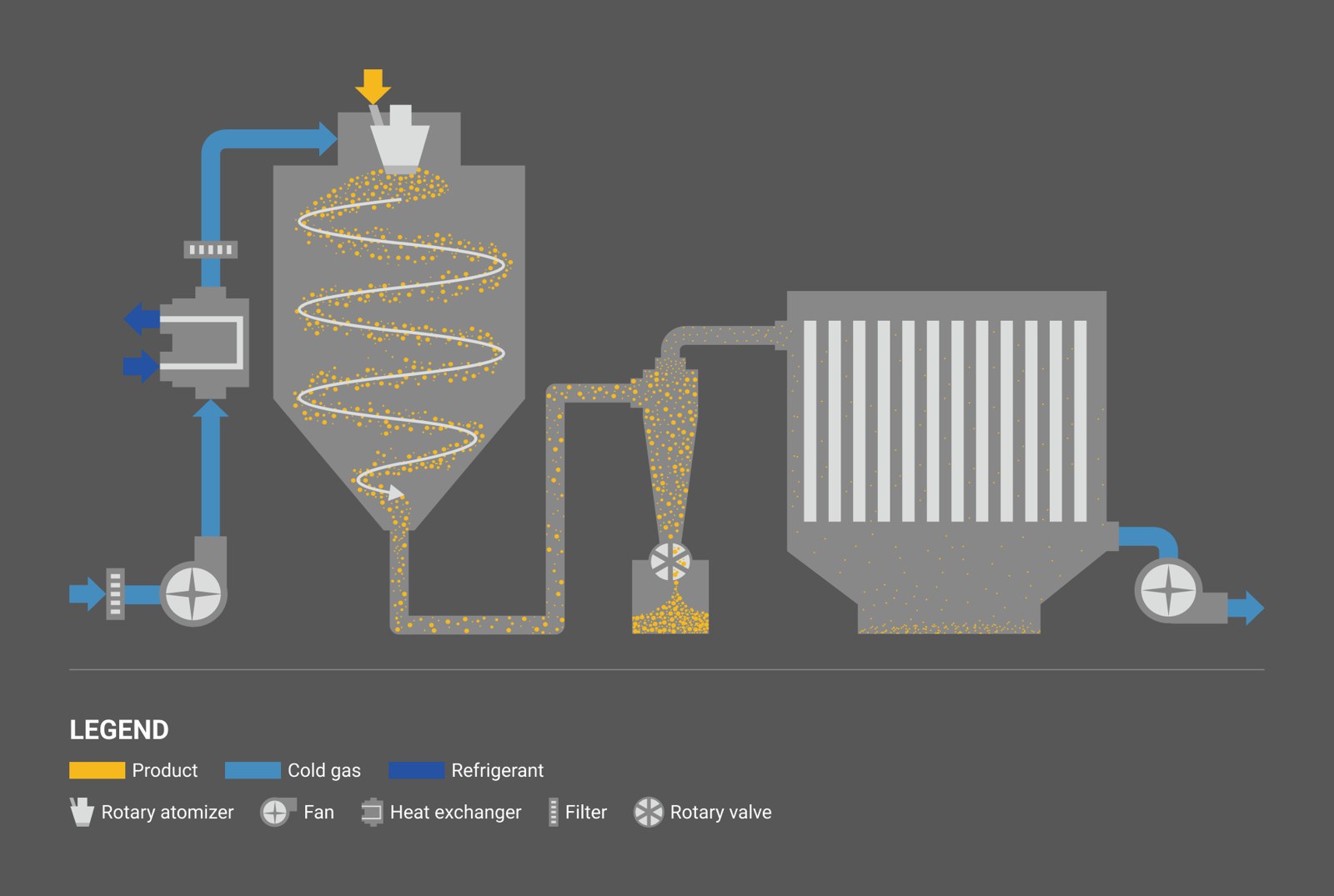
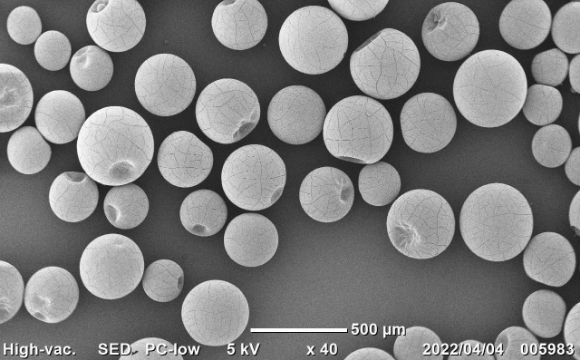
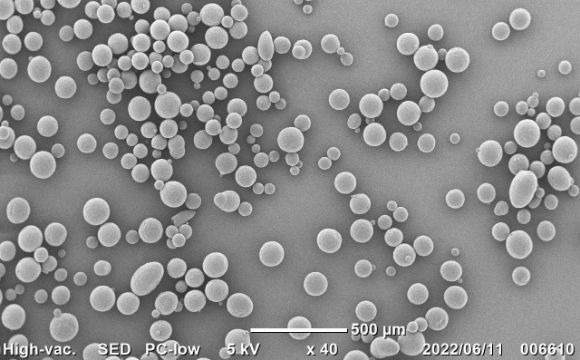
A molten base is atomized into a cooled air stream. The droplets solidify into spherical granules, called beads or prills, from a few micrometers to about 500 µm.
A core substance dispersed in the molten base ends up sealed inside each bead. The process is also known as spray congealing.
What it is used for
- Granulation: spherical, free‑flowing granules directly from a melt.
- Powderizing liquids: oils and other liquids held in a solid bead.
- Protection and stability: the base shields the core from oxygen, moisture and light.
- Odour and taste control: taste and odour are sealed inside the particle.
- Controlled release: the base and bead size set how fast the core is released.
Base materials
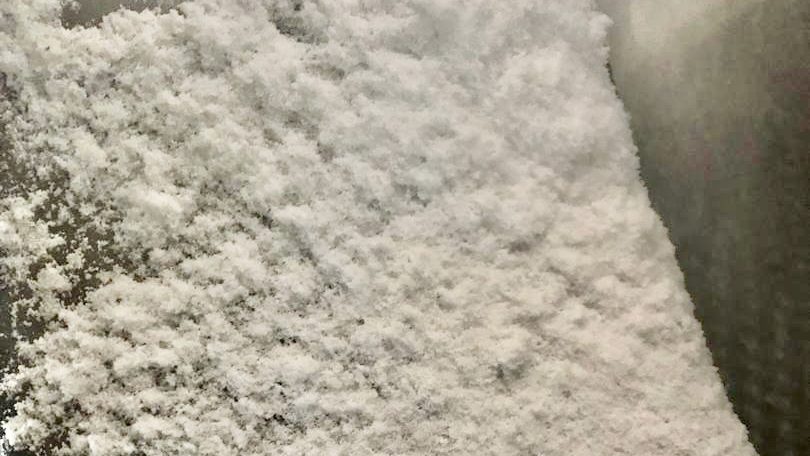
Common bases are waxes, paraffin, saturated fatty acids, glycerin, stearyl alcohol, polyethylene glycol (PEG), and mono-, di- and triglycerides. The base is chosen for its melting point, its compatibility with the core and the release the product needs.
Compared with spray drying
- Higher encapsulation efficiency: molten bases contain almost no water, so there is no evaporation step to carry the core out of the droplet.
- Lower cost and energy: there is no water to evaporate, and the process is simple.
- Fewer steps: spray cooling can replace separate grinding, classification and granulation.
- Choice of atomization: rotary atomizers, two‑fluid nozzles, pressure nozzles or ultrasonic nozzles, matched to bead size and melt viscosity.
Applications
- Food: oils and fats, flavours and functional ingredients in a stable, dosable form.
- Pharmaceuticals: taste masking and sustained release.
- Chemicals: waxes, additives and melts converted to free‑flowing granules.
Trials
Spray cooling trials with your material are available at PRECI's Powder Technical Center in Japan and at PTC ASEAN in Chonburi, Thailand.