The by‑product
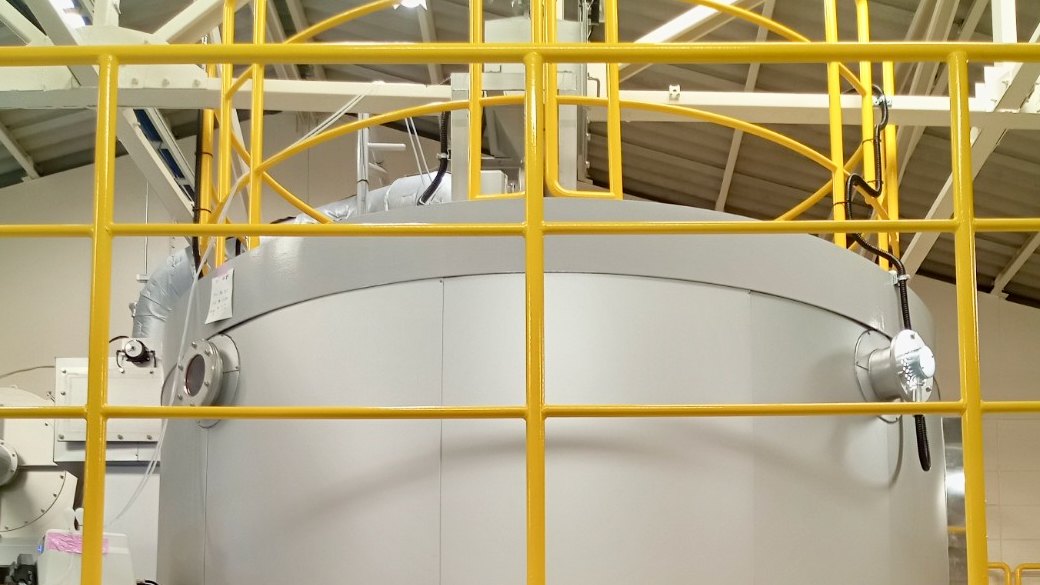
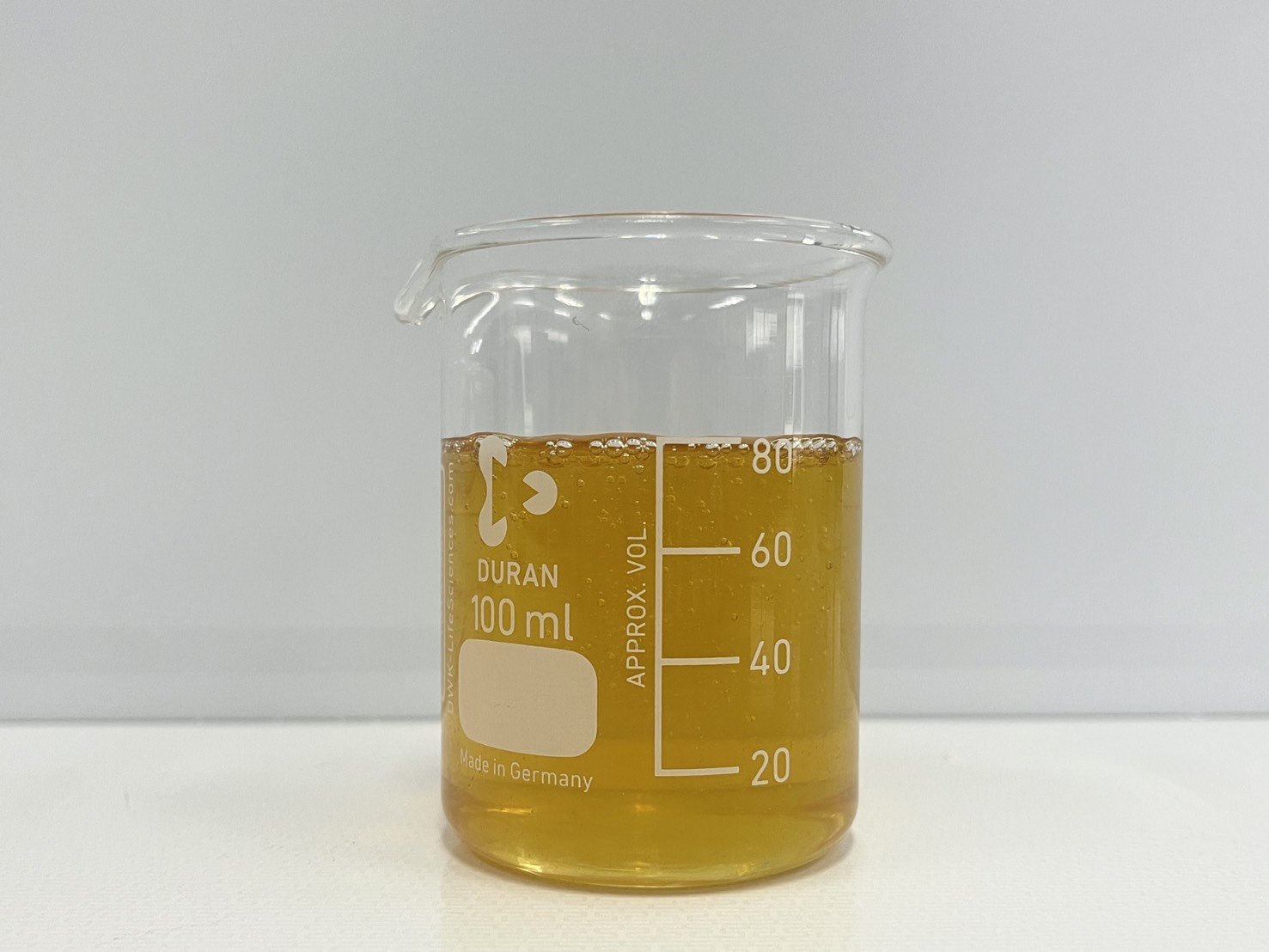
Salmon frames, heads and trimmings carry oil rich in omega‑3 fatty acids (EPA and DHA). In the fish bone route, the decanter recovers this oil as a side stream.
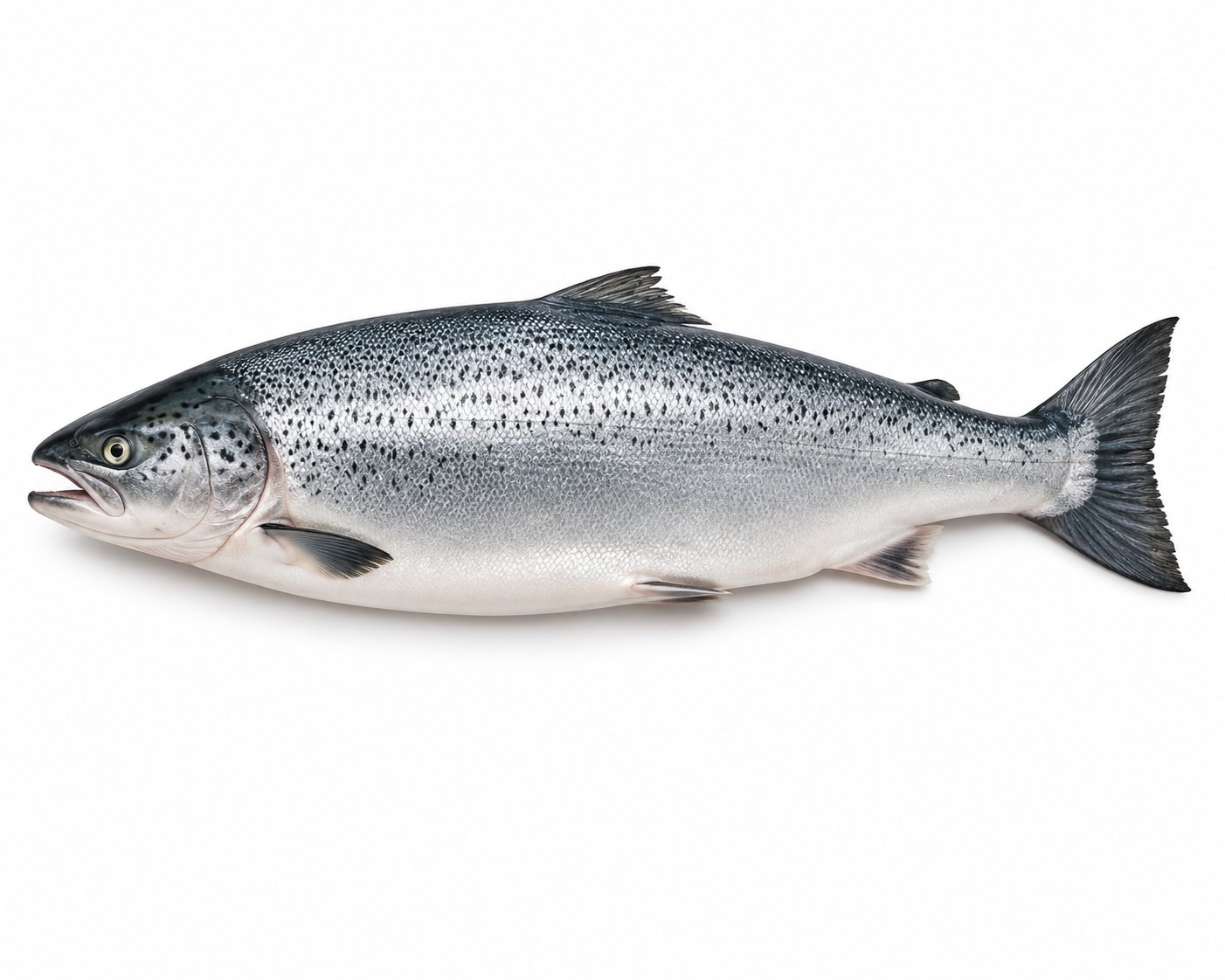
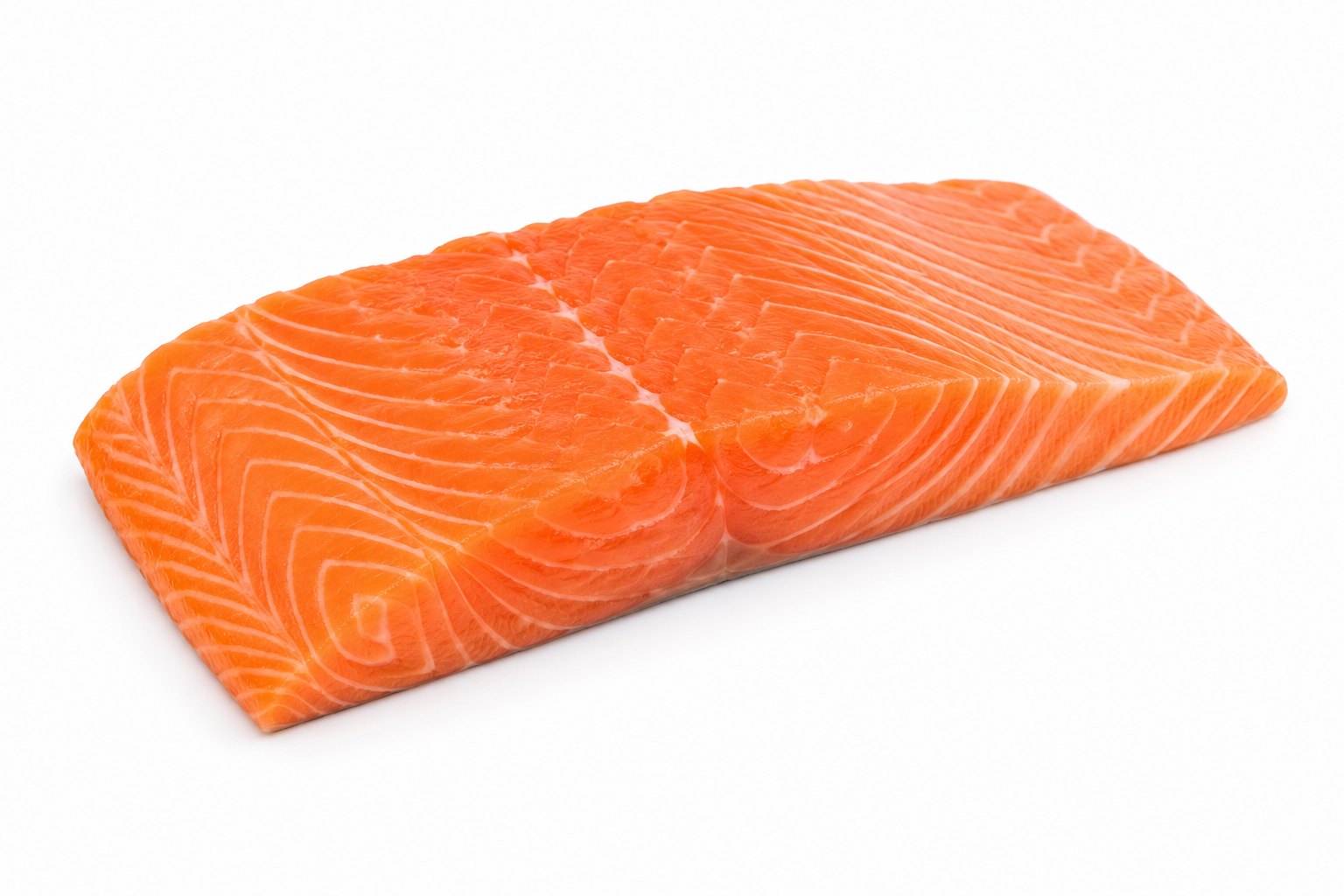
Semi‑refined oil is valuable but difficult to use as it is: it oxidizes in contact with air and light, carries a strong fish odour, and cannot be mixed evenly into dry feed, food or supplement formulas.
Why spray cooling
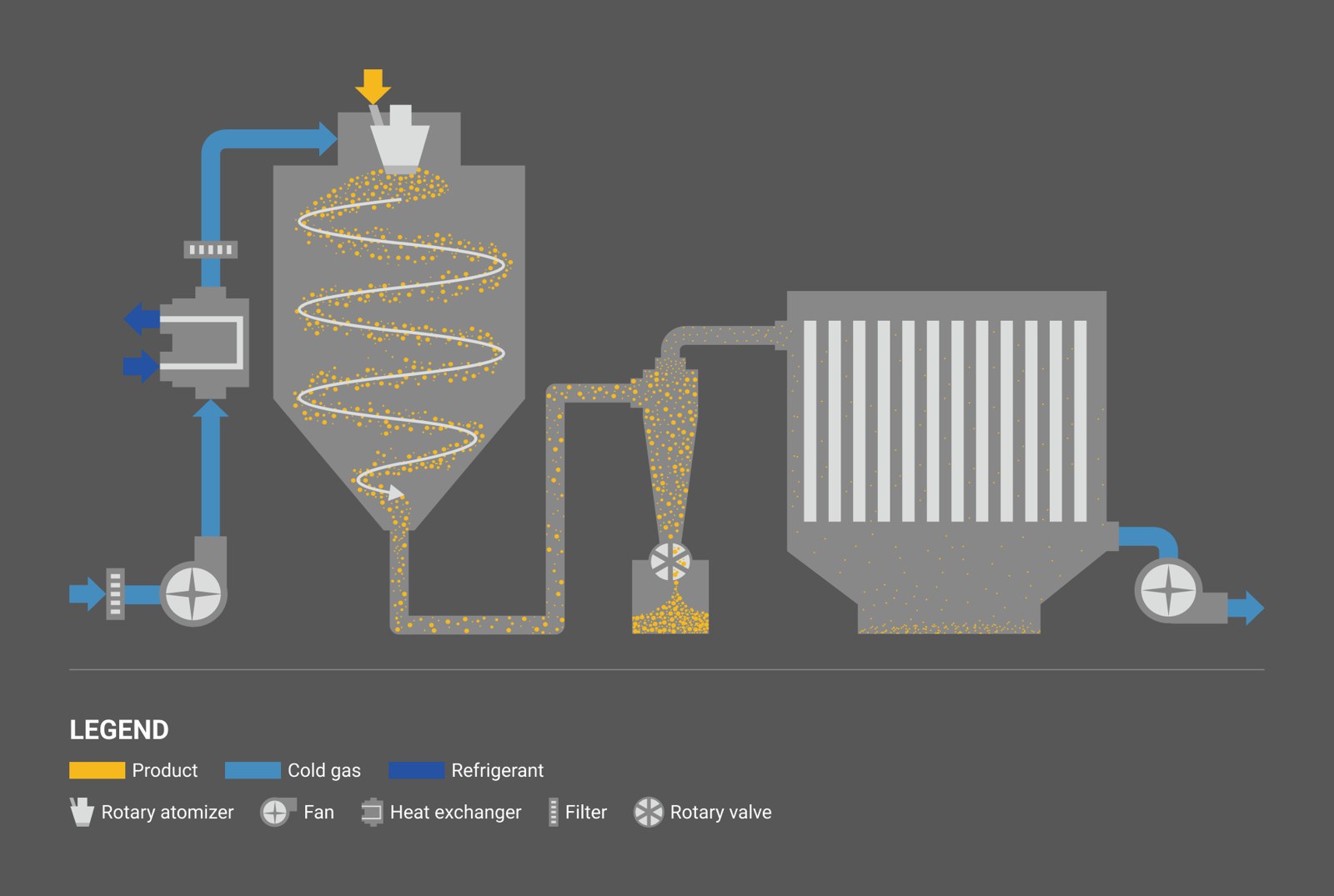
In spray cooling, a molten base is atomized into a cooled air stream. The droplets solidify into spherical granules, called beads or prills, from a few micrometers to about 500 µm.
The oil is dispersed in the molten base before atomization, so it ends up sealed inside each particle. The base contains almost no water, so there is no evaporation step and no drying heat on the oil, and encapsulation efficiency can be higher than with spray drying.
The base can be any suitable fat- or lipid‑based material, selected for the product, its melting behaviour and how the oil should be released. The process is simple and energy efficient, and it can replace separate grinding, classification and granulation steps.
What the powder does
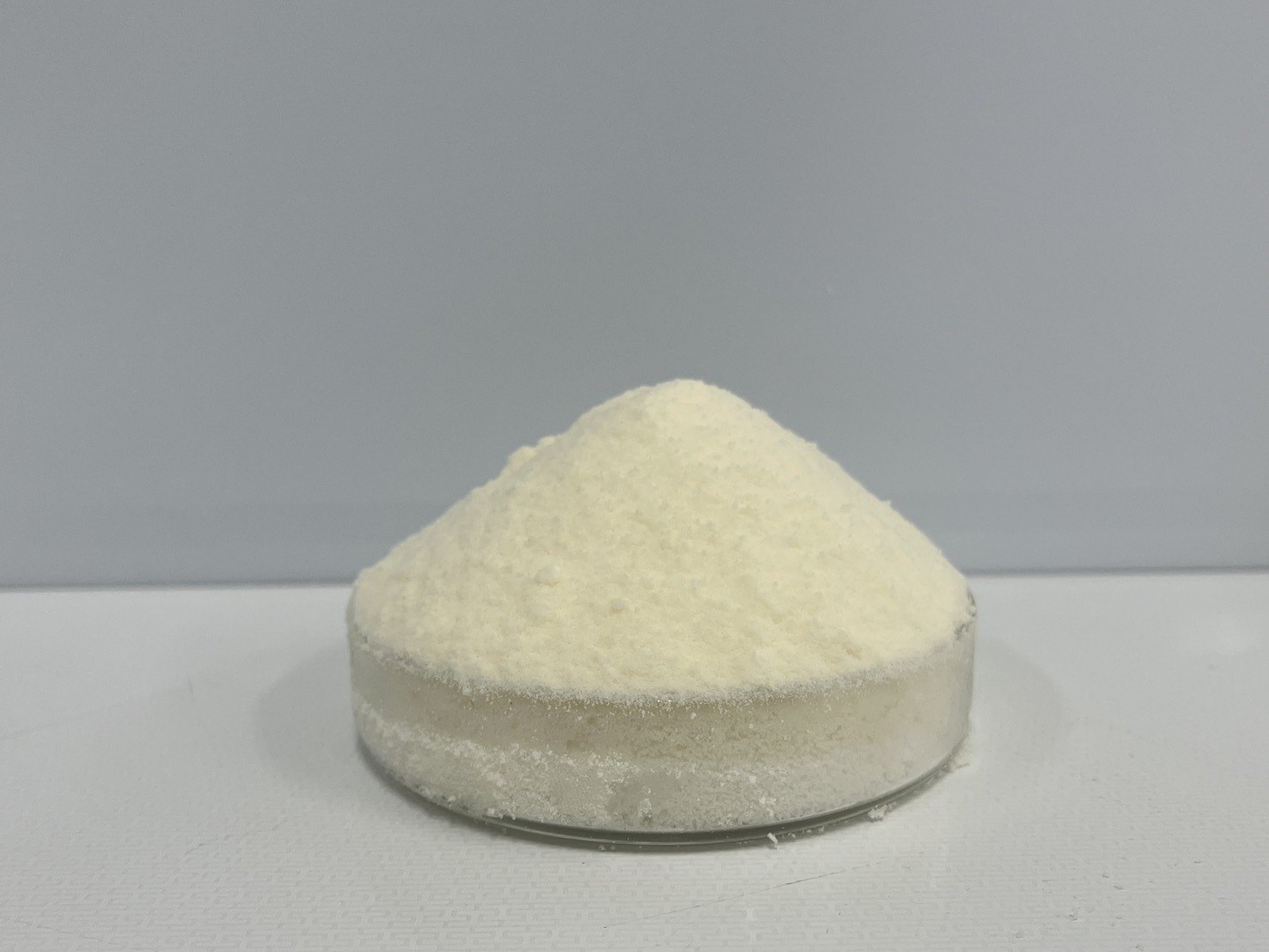
- Powderize: a liquid oil becomes a free‑flowing powder that can be weighed, mixed and packed.
- Protect: the base shields omega‑3 from oxygen and light, which slows oxidation.
- Reduced fishy odour: the fish odour and taste are sealed inside the particle.
- Control release: the base and particle size set how the oil is released in use.
Approach
At PTC ASEAN, semi‑refined salmon oil was dispersed in a molten fat‑based matrix and spray cooled on PRECI spray cooling technology. The matrix can be selected from a range of fat- and lipid‑based materials, and together with the oil‑to‑matrix ratio it is matched to each application, then set at pilot scale before a production line is designed.
Applications
- Feed and aquafeed: omega‑3 in dry feed without oil handling at the mill.
- Food and supplements: omega‑3 powder with reduced fishy odour.
- Pet food: omega‑3 and palatability in dry pet food.