Background
Nanofibers are about 1 to 100 nm in diameter and at least 100 times as long. They are natural (cellulose, silk, collagen, chitosan) or synthetic (PP, PET, PLA, PCL, PU), and carbon nanotubes and metal nanowires are in development. Their very large surface area and porosity suit filtration, catalysts, antibacterial materials, sensors, battery and electronic materials, regenerative medicine and optical films.
Cellulose nanofibers are made by mechanically defibrating wood or pulp in water (stone grinder, ball mill, bead mill, high‑pressure homogenizer), sometimes with acid or enzyme treatment; carbon nanotubes by CVD, arc or laser methods. They are usually collected and stored wet to limit dispersion and exposure; there is no standard dry process. Short fibers can be spray‑dried; long fibers aggregate and resist redispersion.
Cellulose nanofiber (CNF)
- CNF is supplied as an aqueous dispersion or gel; dried, its long fibers aggregate strongly and lose their properties.
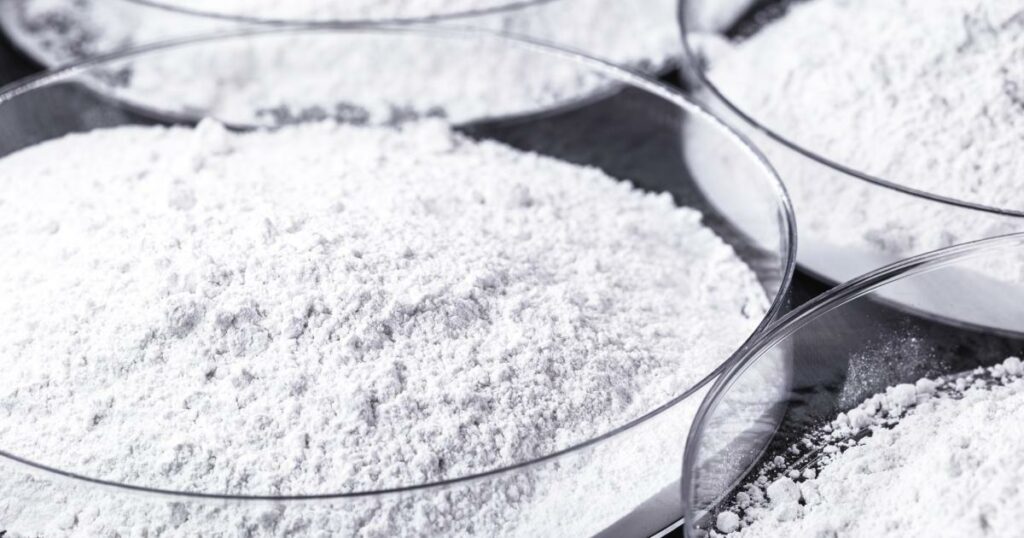
- PRECI compared dry powders from spray drying and freeze granulation for redispersibility.
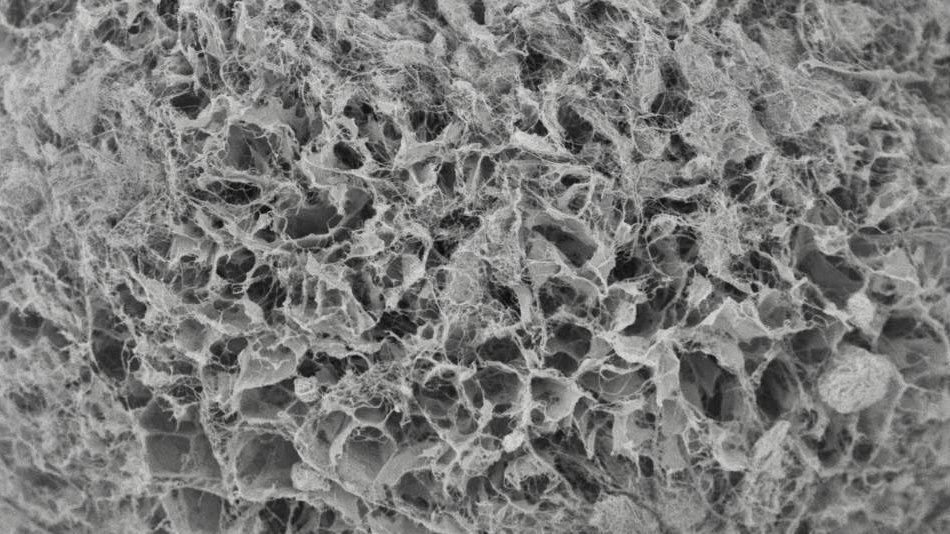
- From a 2.0 wt% CNF dispersion, freeze granulation kept the nanofiber structure and gave solid granules with a uniform inside; spray drying caused shrinkage and aggregation.
- Uses include reinforcement, water absorbents, cosmetics, clothing, food additives, packaging and optical materials. The result is jointly patented by PRECI and Daio Paper Corporation.
Carbon nanotube (CNT)
- Single‑walled CNT, about 1–4 nm in diameter, is reported about 20 times stronger than steel and far more conductive than copper. Multi‑walled CNT, about 4–150 nm, is more productive and lower in cost.
- Like CNF, CNT aggregates, more so the longer the tubes; spray‑dried CNT powder can agglomerate strongly and lose specific surface area.
- PRECI is developing freeze‑granulated CNT granules for better redispersion.
Trials at PTC ASEAN
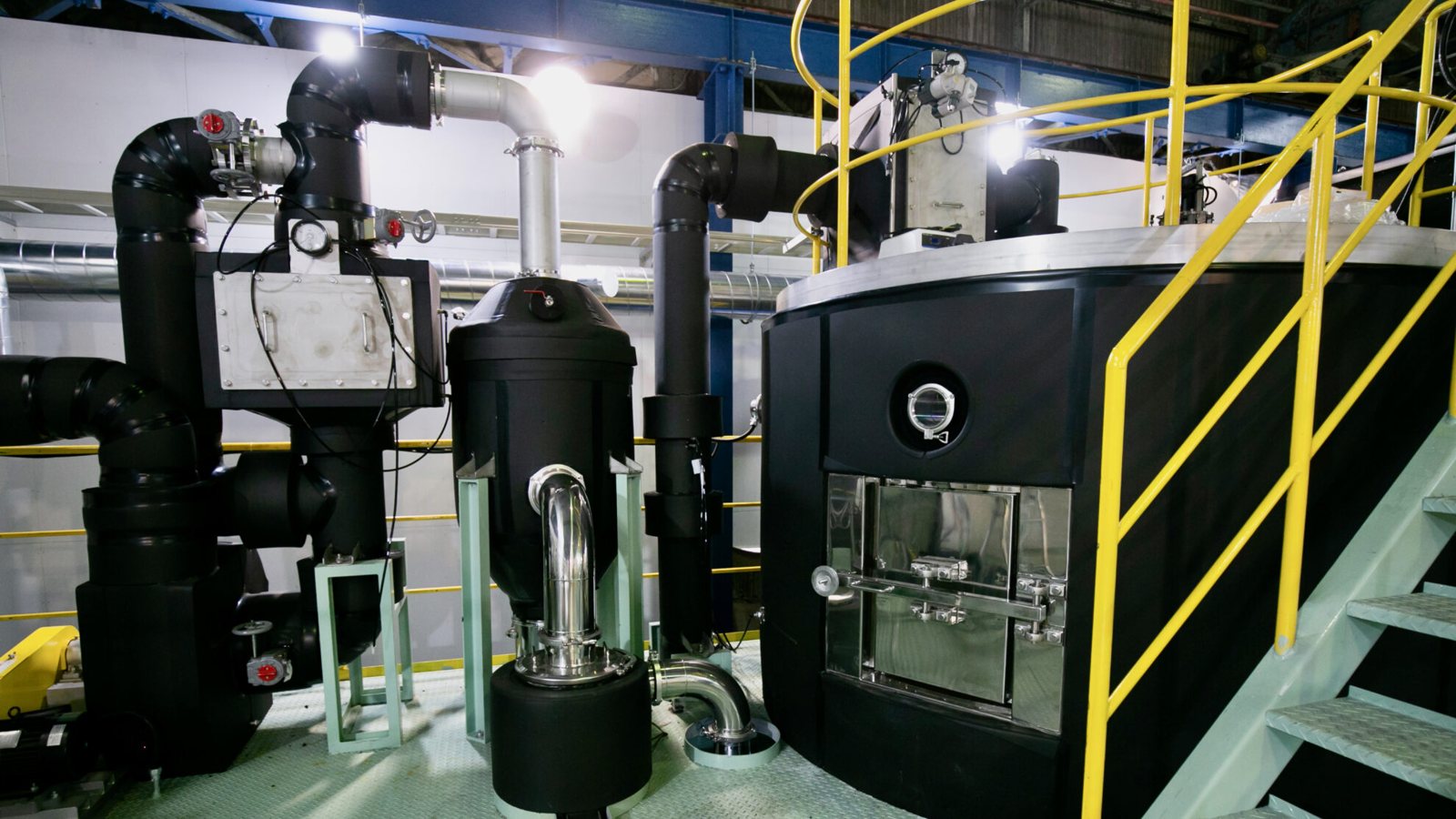
PRECI runs these trials at its Powder Technical Centers in Japan. PTC ASEAN, the Powder Technical Center in Chonburi, runs spray drying, spray cooling and freeze granulation trials with the same know‑how, with pre- and post‑processing and powder analysis, and links to the Japan centres for advanced characterisation.