Background
Dry food, beverage and pharmaceutical powders are made mostly by heat‑based drying (spray, fluid bed, rotary and drum dryers), which is continuous, or by freeze drying, which is batch. Instant coffee and tea are the classic case: spray drying is cheaper but heat affects flavour; freeze drying gives better flavour at higher energy and cost.
- Colour. Heat can yellow milk, creamer, seasoning and supplement powders, and product resting in hot zones causes colour variation between lots.
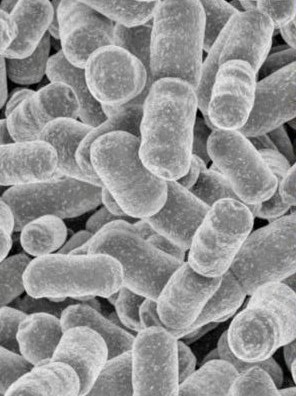
- Live bacteria. In freeze drying the slow pre‑freezing harms bacteria, density differences cause segregation, and grinding after drying damages the product.
- Spray drying. Keeping the process gas as cool as productivity allows, and making smaller particles, shortens the time at temperature.
Freeze granulation
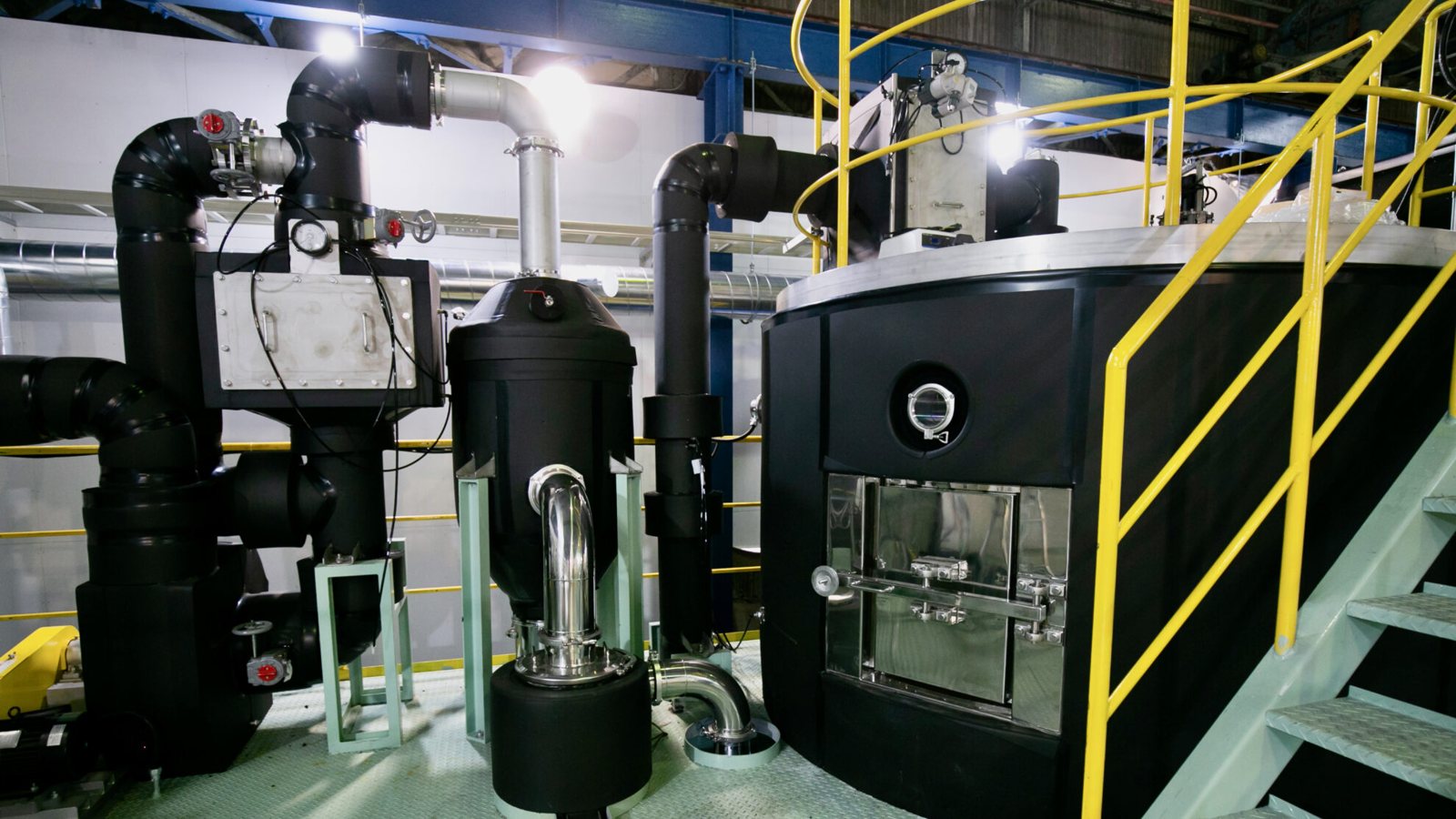
The liquid is atomized into an ultra‑low‑temperature chamber, the droplets freeze almost at once and are then dried by sublimation. PRECI developed the first production‑scale dry cooling freeze granulation process in 2019.
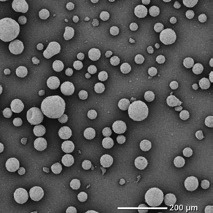
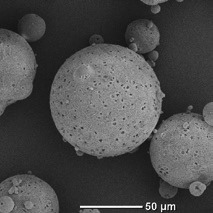
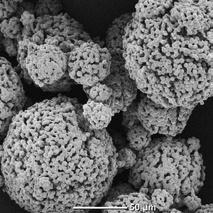
Advantages over ground freeze‑dried product
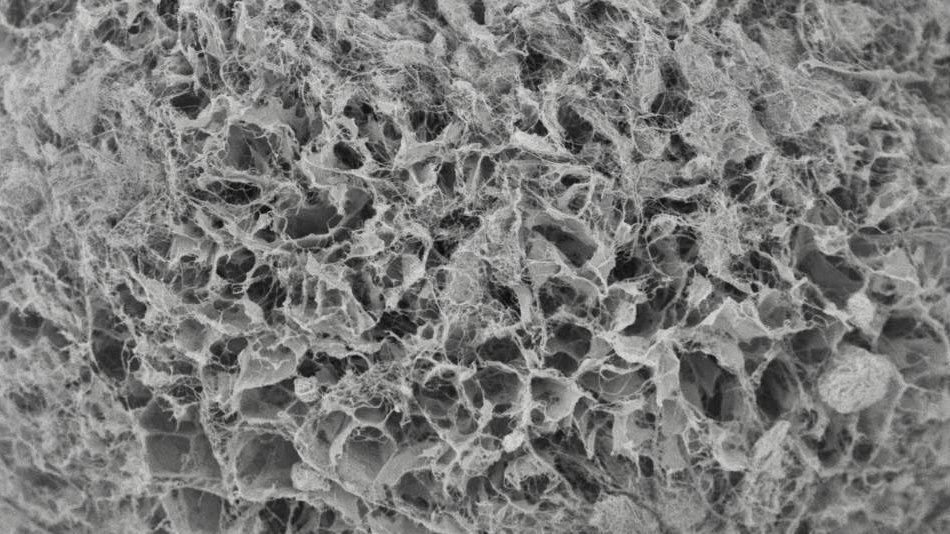
- Spherical and free‑flowing. Surface tension makes the frozen droplets spherical and they keep the shape through drying. Ground freeze‑dried product is irregular, loses quality through friction and needs more batch steps.
- Homogeneous, no segregation. Instant freezing locks the structure before ingredients separate; sublimation causes almost no movement or shrinkage. Pre‑freezing in a freezer takes hours and lets ingredients settle.
- Powder properties. Low density and high homogeneity, about 10 to 500 µm, tap density equal to or higher than spray‑dried powder, and no hot‑gas oxidation.
- Atomizers. The CS220 takes rotary atomizers, two‑fluid, pressure and ultrasonic nozzles, as a spray dryer does.
- Drying. A rotating freeze dryer dries the granules evenly, more than 50 % faster than a standard freeze dryer, 160 to 1,000 L, with easy collection and cleaning. Several dryers on one CS220 or CS30 give semi‑continuous production.
Freeze granulation is new and has few applications so far. For products now spray‑dried, it can raise quality where heat is the limit.
Trials at PTC ASEAN
PRECI runs these trials at its Powder Technical Centers in Japan. PTC ASEAN, the Powder Technical Center in Chonburi, runs spray drying, spray cooling and freeze granulation trials with the same know‑how, with pre- and post‑processing and powder analysis, and links to the Japan centres for advanced characterisation.