The problem
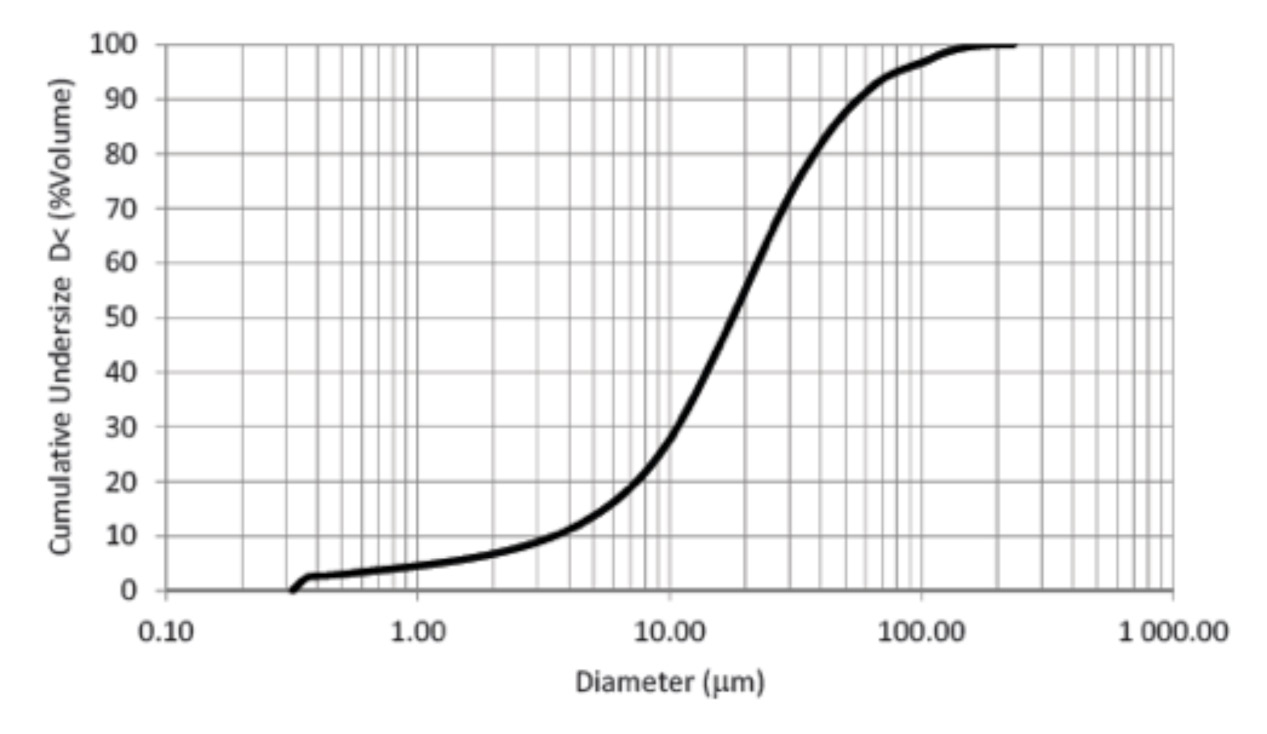
At the Agrotor mill, unstable fuel feeding and poor air distribution gave incomplete combustion. Unburned, light and porous particles lowered the efficiency of the existing multicyclone, and stack emissions reached 2495 mg/Nm³. Regulation was tightening to 150 mg/Nm³ by 2015.
The solution
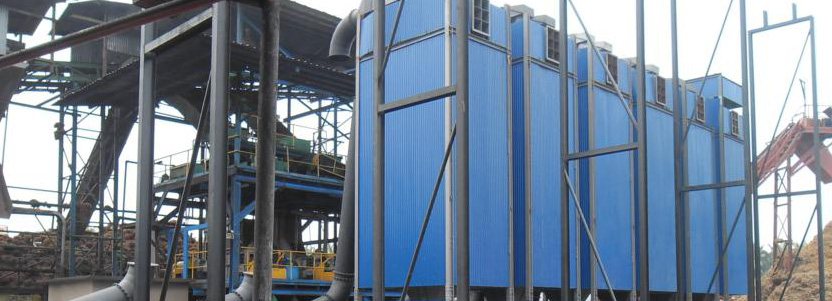
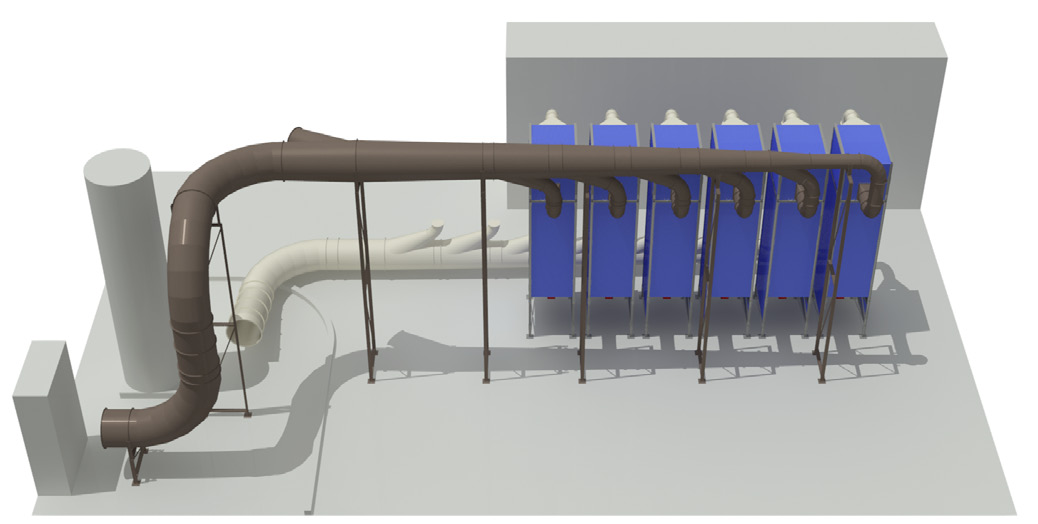
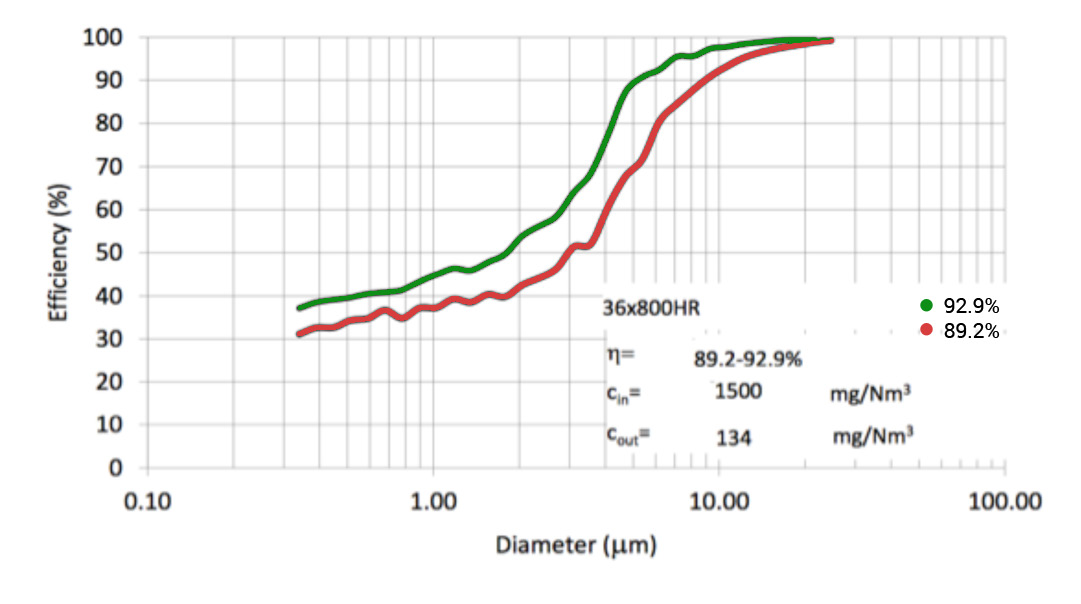
ACS designed 36 Hurricane HR ø800 mm cyclones in six batteries of six for the 35 t/h boiler (114 935 m³/h at 204 °C). With its local partner, ACS delivered an almost turnkey project: cyclones with insulation, screw conveyor and rotary valve discharge, ductwork and a new ID fan. The client also improved fuel feeding and grate settings.
| Fuel | Mesocarp fibre 80 %, palm kernel shell 20 % |
|---|---|
| Boiler | 35 t/h water tube |
| Effective flow rate | 114 935 m³/h |
| Temperature | 204 °C |
| Inlet concentration (current / future) | 2495 / 1500 mg/Nm³ |
Result
The system is designed to keep emissions under 150 mg/Nm³ at 1.0 kPa once boiler emissions after the multicyclone stay under 1500 mg/Nm³.
| Guaranteed emissions | 150 mg/Nm³ |
|---|---|
| Expected emissions, future inlet | 134 mg/Nm³ |
| Expected efficiency | > 91 % |
| Maximum pressure drop | 1.0 kPa |
Source: Advanced Cyclone Systems (ACS) case study. Figures and photos: ACS.