TSK Powder Technical Center

Home / Technology / Fine grinding / Plant protein

POITTEMILL

Plant protein enrichment

Dry fractionation of pulses into a protein concentrate, a starch fraction and fibre, without water or solvents. POITTEMILL vertical compression mill and double classification, engineered and installed in Thailand by TSK.

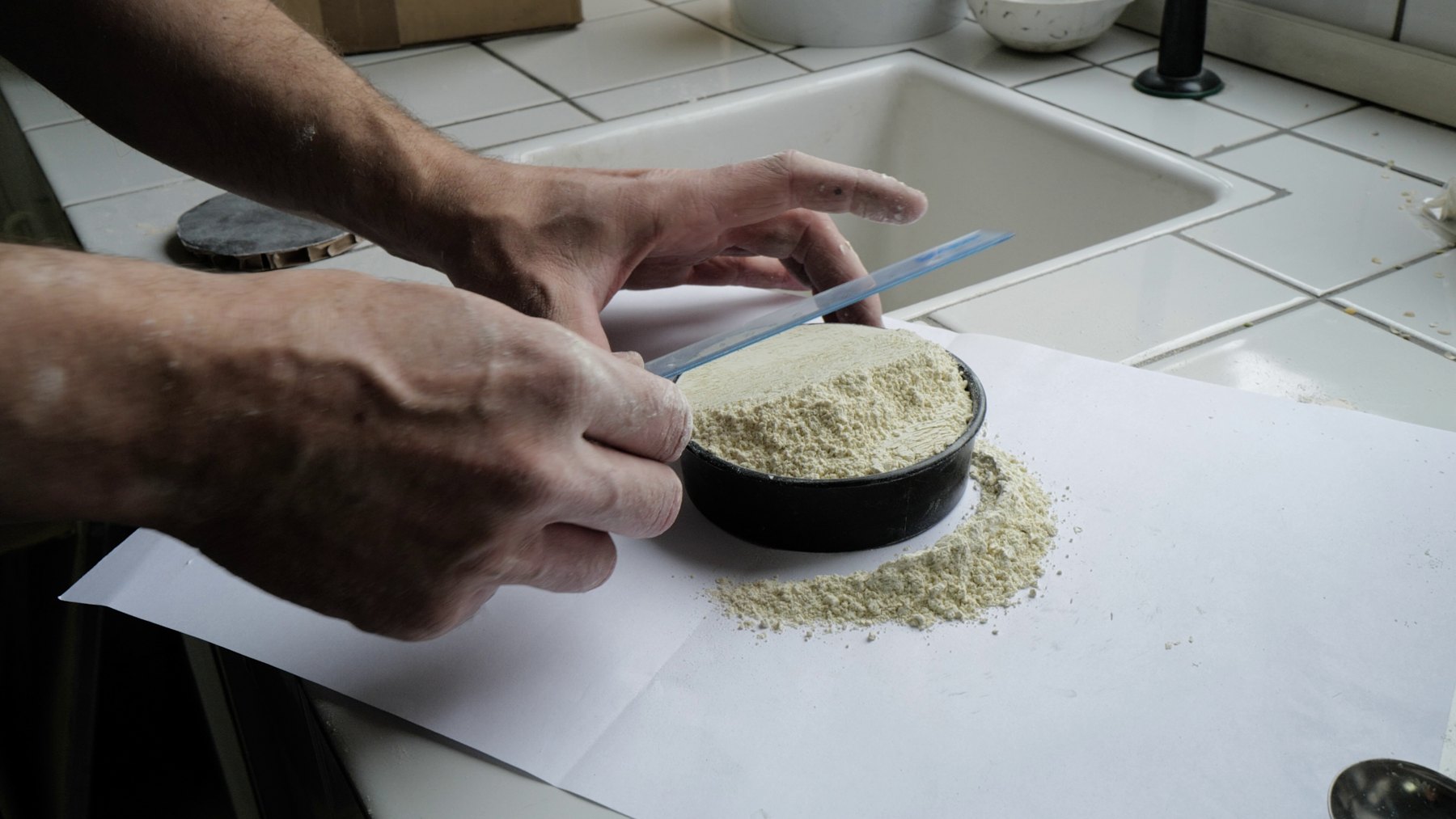
Protein-rich fine fraction from dry fractionation of pulses, on a laboratory dish

Principle

Disassembly, then separation

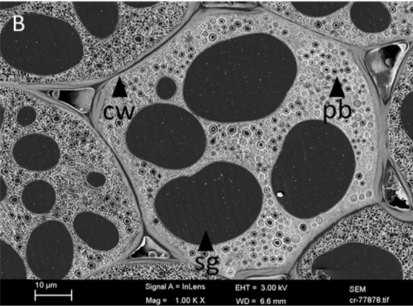
Inside a pulse seed, small protein bodies sit between much larger starch granules, held together by cell walls of fibre. Concentrating the protein takes two steps.

Cross-section of a kidney bean under the scanning electron microscope: starch granules, protein bodies and cell walls
Kidney bean cross‑section, SEM. sg: starch granule; pb: protein bodies; cw: cell wall (fibre).

1. Disassembly

The mill frees the protein bodies from the starch and fibre. It must break the structure apart without crushing the starch granules or damaging the fibre, because damaged starch reports to the wrong fraction and lowers both protein content and yield.

2. Separation

An air classifier splits the flour by size and density: the fine fraction is rich in protein, the coarse fraction in starch. Dry, this gives a protein concentrate. In a wet process the same milled flour is the feed for protein isolate.

  • Dry route: dehulling, fine milling, air classification, protein concentrate
  • Wet route: dehulling, milling, wet extraction by partners, protein isolate
  • Co‑products: hulls and starch fraction ground for further use

Raw materials

Pulses, cereals and more

The same disassembly and separation steps apply to a wide range of plant materials, for dehulling, protein concentrate, co‑product valorization and special flours.

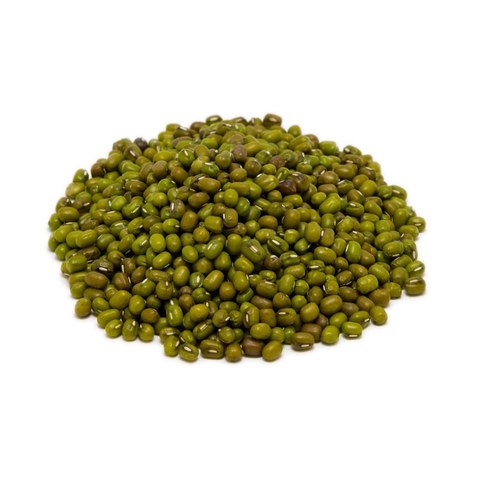
Mung beans
Mung beans
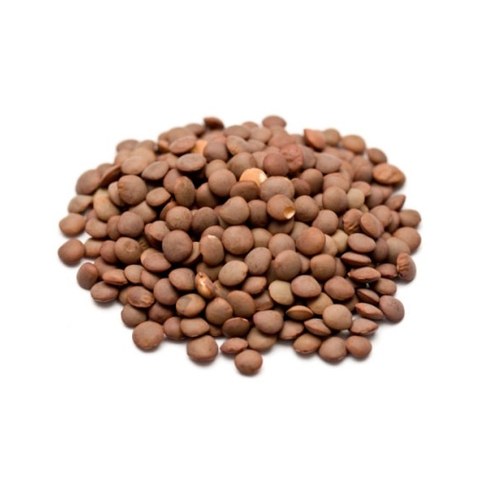
Lentils
Lentils
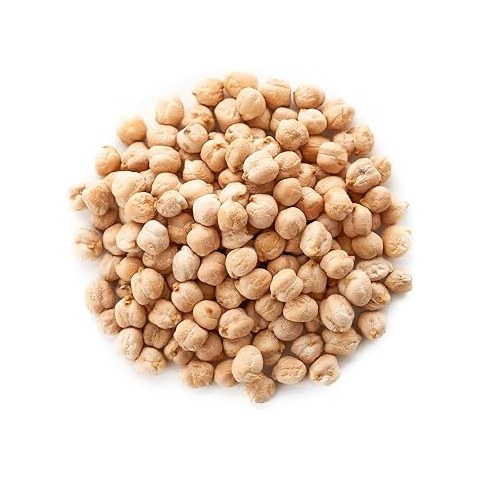
Chickpeas
Chickpeas
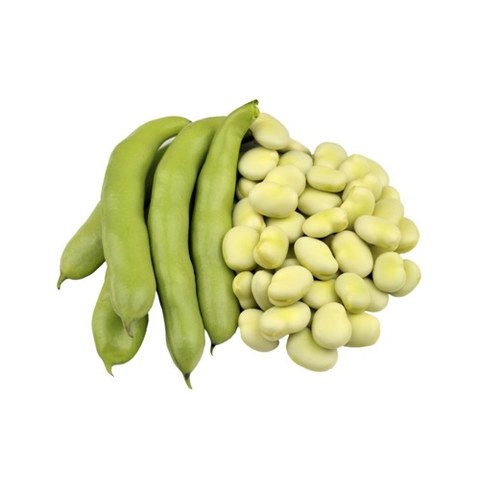
Faba beans
Faba beans
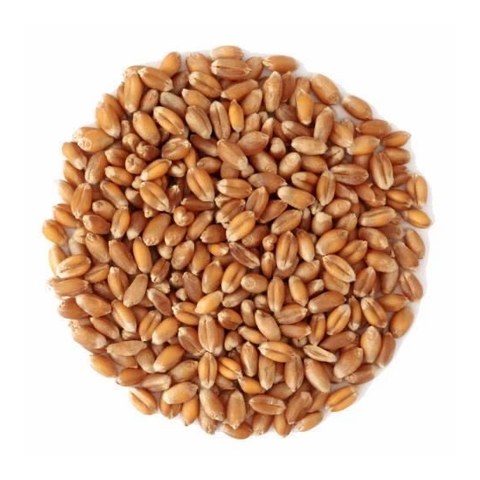
Wheat
Wheat
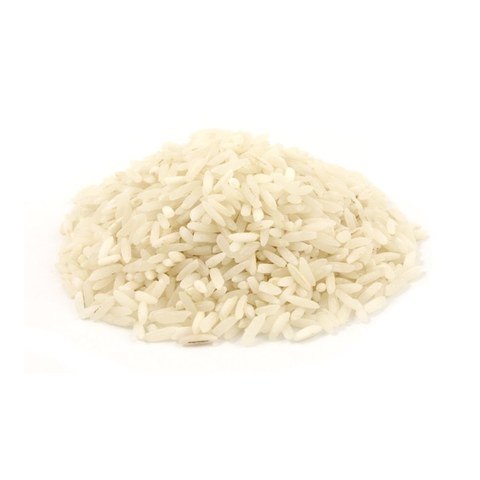
Rice
Rice
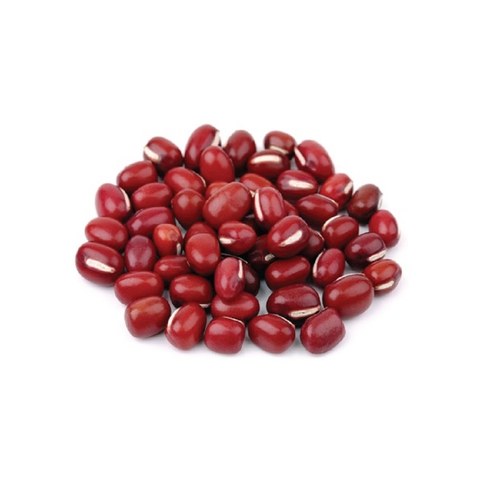
Red beans
Red beans
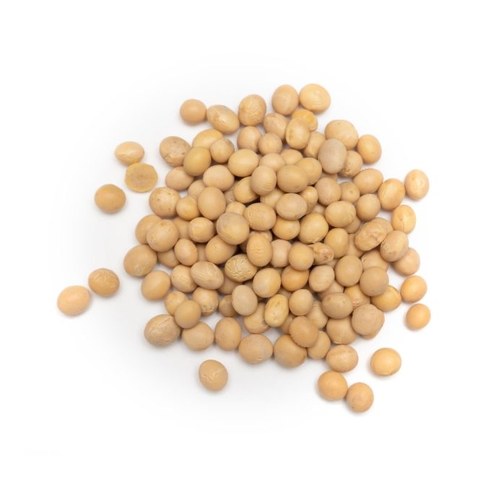
Soy beans
Soy beans

Pulses

Peas, yellow peas, chickpeas, beans, mung beans, lentils

Oilseeds and cereals

Rapeseed, sunflower, almonds, lupins; wheat, oats, rice, maize, starch, semolina

Also

Seaweed, insects, potatoes, azuki, hemp, quinoa

Images: POITTEMILL

Two patented innovations

Vertical compression mill and double classification

One for disassembly, one for separation. Used together they give the highest protein rate and yield at the lowest energy.

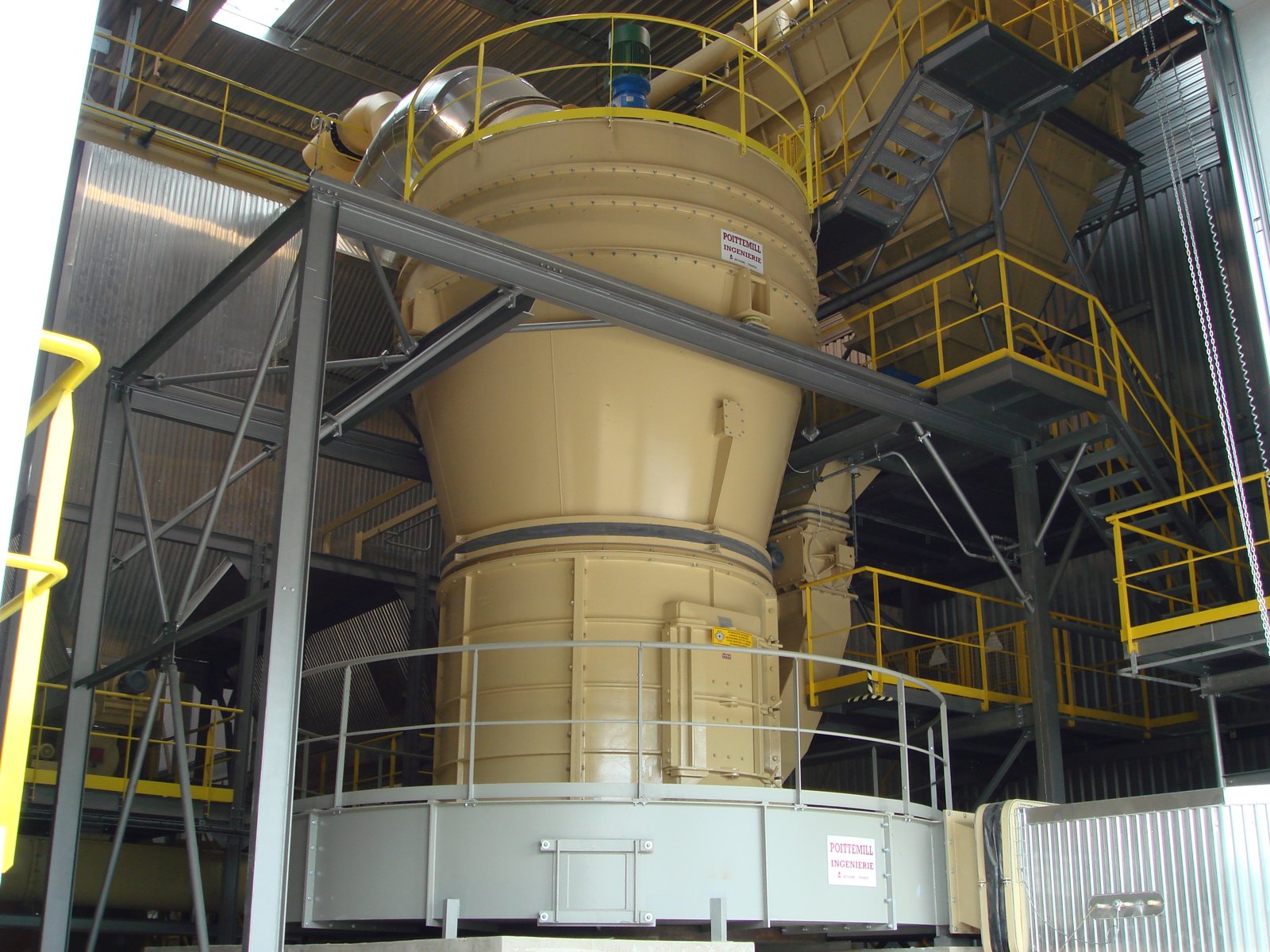
POITTEMILL vertical compression mill

Innovation 1, disassembly

Vertical compression mill

Taken from the mineral industry: the material is compressed between rollers and a grinding track, with a little friction, instead of being hit at high speed.

  • Energy on the mill up to 40% lower than impact and attrition mills
  • Fibres preserved, with a lower denaturation rate
  • Starch damage adjustable, for the functionality needed
  • Up to 10 t/h per unit for dry fractionation, 25 t/h for wet‑process flour
  • Adjustable compression force for each pulse
  • Runs 24 hours a day, 7 days a week; wear parts last several years
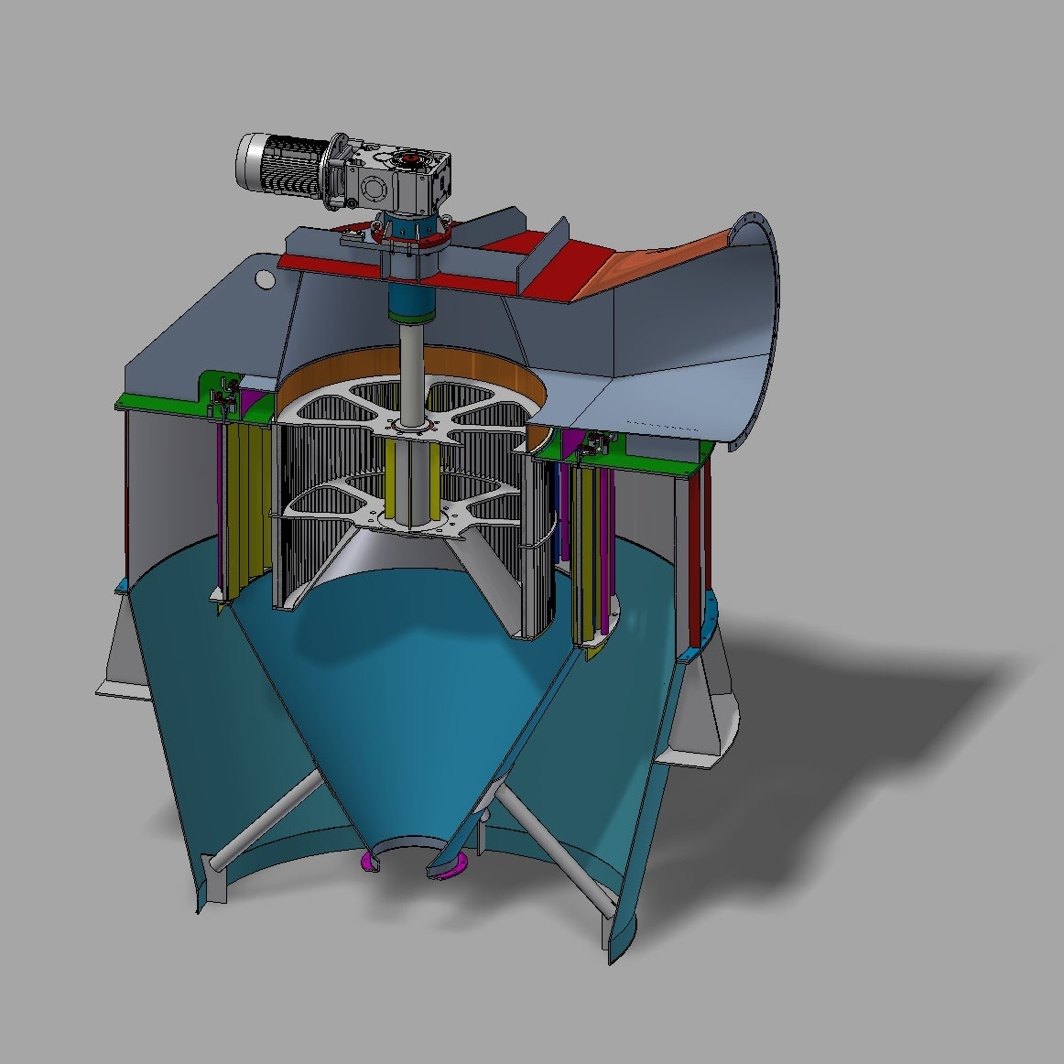
Cutaway of a POITTEMILL high-efficiency dynamic classifier

Innovation 2, separation

Double classification

Two high‑efficiency dynamic classifiers in series on one gas flow: the first works with the mill to reach the disassembly size, the second separates the fractions.

  • Adjustable inlet louvres for a sharper cut size
  • Lower pressure drop and lower power consumption
  • One air‑flow loop, no re‑agglomeration between classifiers
  • High dilution of flour in the air flow for cleaner separation
  • Protein rate and mass fraction both up to 5% higher at the same time
  • Options: top feed, tangential inlet, anti‑abrasion, easy‑clean

Complete line

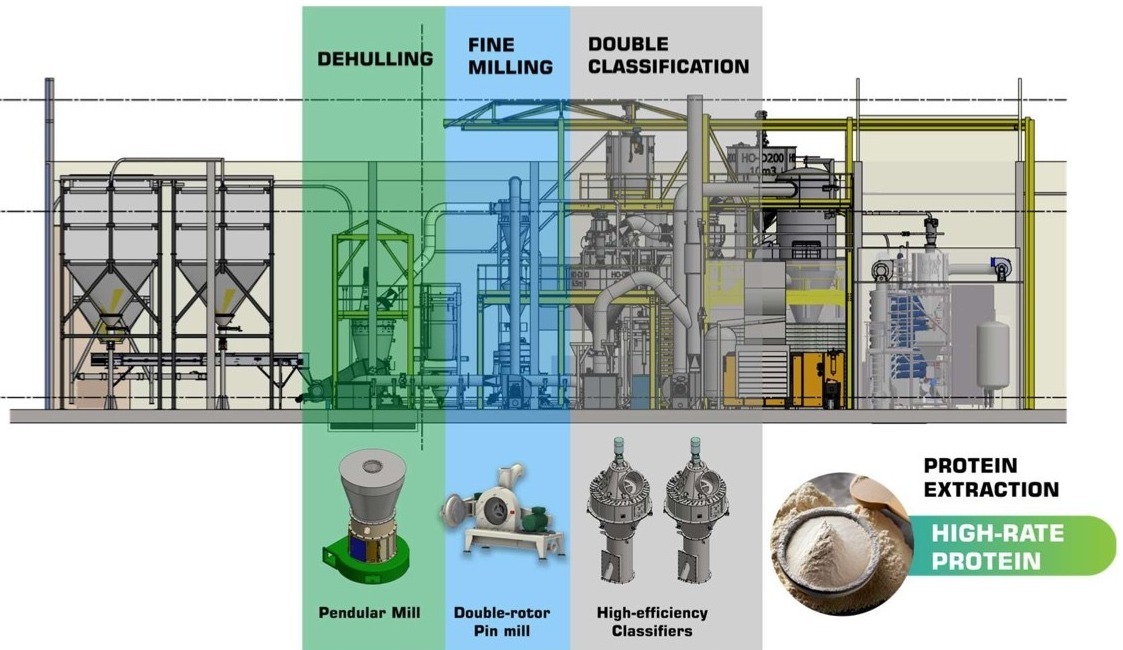
Dehulling, fine milling and double classification

One line from seed to high‑protein concentrate, with energy use kept low at each step and every fraction put to use.

Complete pulse protein line: silos, dehulling with a pendular mill, fine milling with a double-rotor pin mill, double classification with two high-efficiency classifiers, and protein extraction

Dehulling, pendular mill

Splits the hulls from the kernel, which are separated and ground as a co‑product.

Fine milling, double‑rotor pin mill

Mills the dehulled kernel to free the protein bodies from the starch.

Double classification

Two high‑efficiency classifiers in series produce the high‑protein concentrate and the starch fraction.

Patented improvements include the ETIA system to reduce bitterness, and a protein fluidization system that carries the concentrate through to extrusion.

Image: POITTEMILL

Results

Measured on mung beans and yellow peas

Dry fractionation with one classifier for separation. Power is for the mill only.

Milling methodMill energy, kWh/tProtein in concentrateConcentrate mass fraction
Impact150, not retained––
Attrition7950–55%20–25%
Attrition and impact7050–55%20–25%
Compression and friction, vertical mill4062%27%

Protein in the raw seed, for reference: peas about 20%, lentils about 25%, faba beans about 35%. On a 5 t/h industrial pea line the concentrate reaches 55 to 65% protein.

Yellow peas: standard and patented line

POITTEMILL standardPOITTEMILL patented
Protein in the raw peasAbout 20%About 20%
MillPin mill with one classifierPendular mill with one classifier
SeparationOne in‑line classifier, one air‑flow circuitOne in‑line classifier, one air‑flow circuit
Milling processImpact and attritionCompression
Mill power75 kWh/t40–45 kWh/t
Concentrate protein55–60%55–60%
Concentrate yield20–25%25–35%

Flour for wet fractionation, yellow peas

Milling methodCapacity per unitMill energy, kWh/tFlour qualityDehulling in the same step
Attrition10 t/h40GoodNo
Compression and friction, vertical mill25 t/h24Better, low ultrafines for wet filtrationYes

Data: POITTEMILL. Results depend on the variety and quality of the raw material; a trial on your pulse confirms them.

Reference layouts

Plant examples

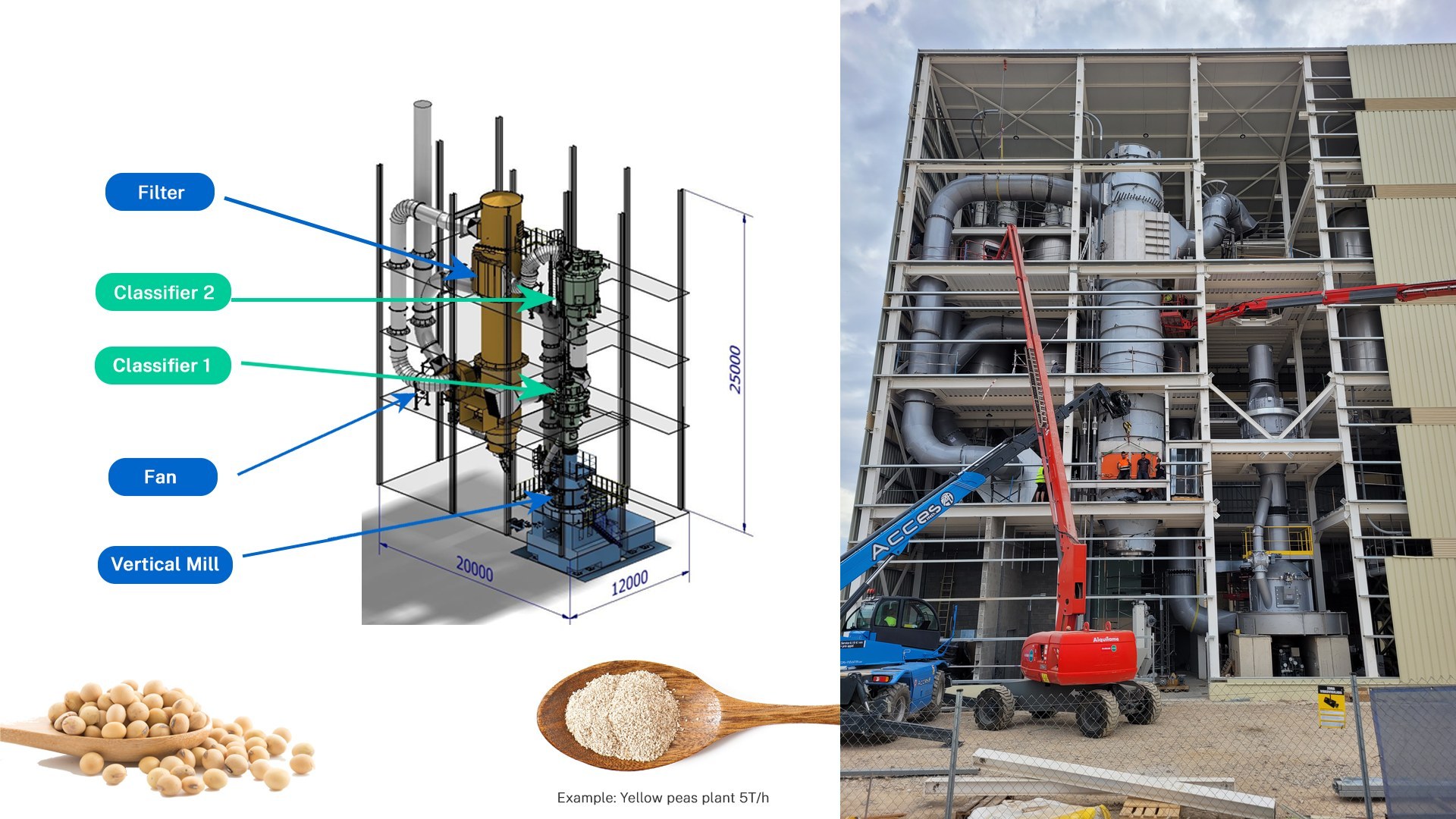
Yellow pea dry fractionation plant, 5 t/h: 3D layout and the plant during installation

Dry fractionation

Yellow peas, 5 t/h

Vertical mill, classifier 1, classifier 2, filter and fan in one structure.

  • Footprint 20 × 12 m, height 25 m
  • Products: protein concentrate and starch fraction
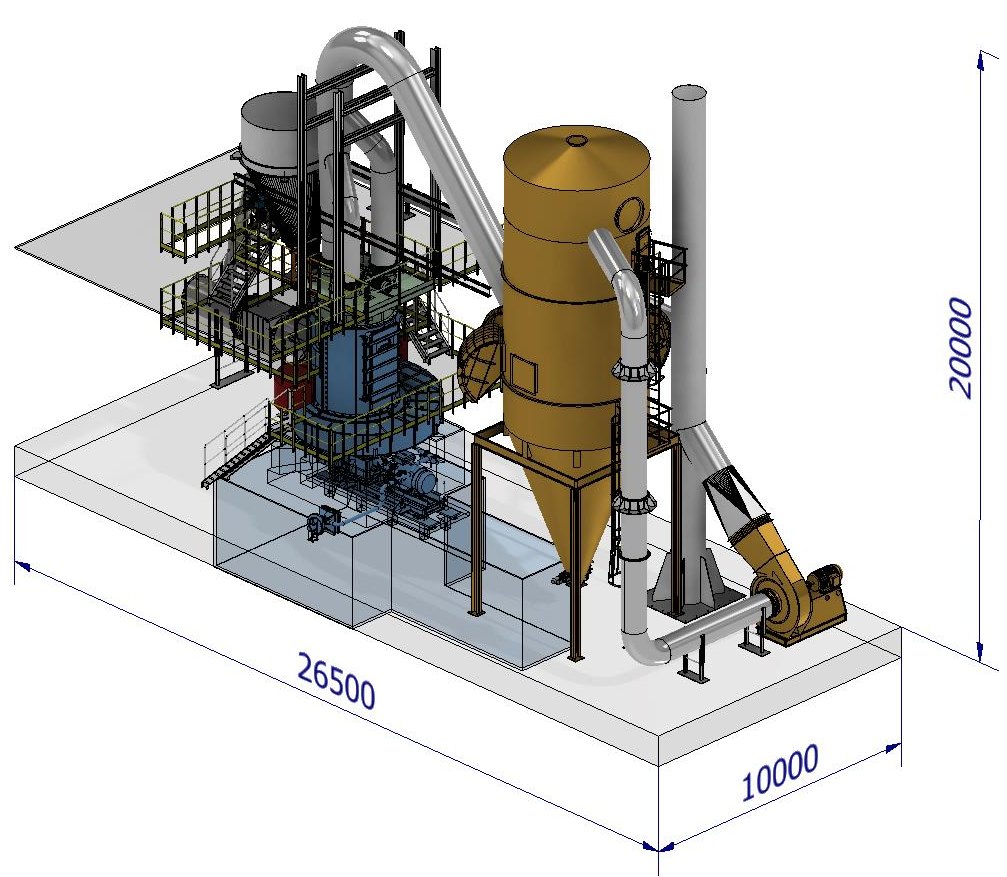
Yellow pea flour plant for wet fractionation, 12 t/h, 3D layout

Flour for wet fractionation

Yellow peas, 12 t/h

Vertical mill with classifier, filter and fan, producing flour for a wet protein‑isolate line.

  • Footprint 26.5 × 10 m, height 20 m
  • Low ultrafines for wet filtration
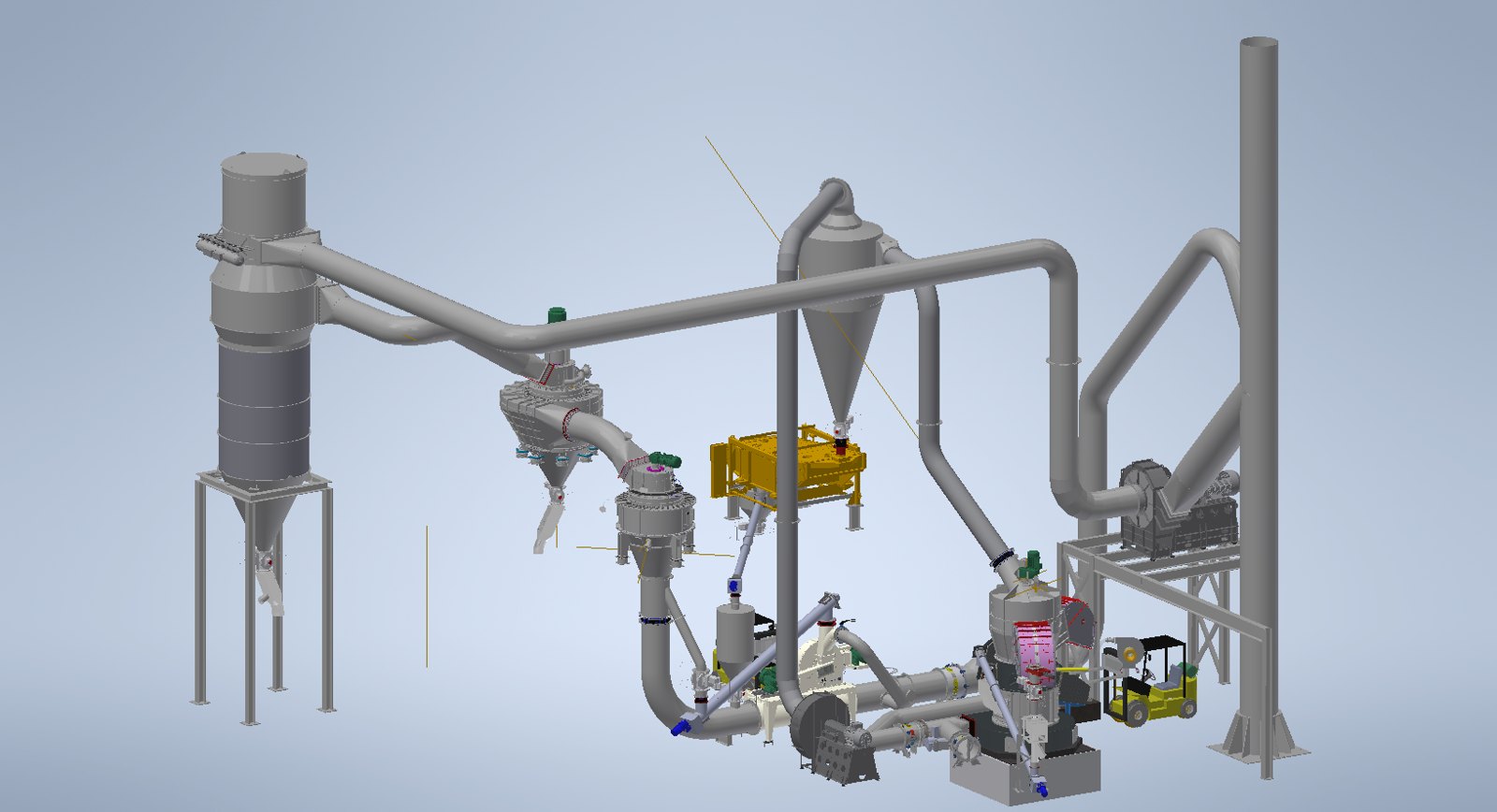
Faba bean dehulling plant, 3 t/h, 3D layout

Dehulling

Faba beans, 3 t/h

BRF mills split the hulls, a pendular mill grinds the kernel, and classifiers separate flour and hulls.

  • Red beans: 88% flour below 160 µm, 12% hulls
  • Yellow peas: 88% flour below 400 µm, 12% hulls

Layouts and figures: POITTEMILL

Questions and answers

Questions about plant protein fractionation

What is the difference between protein concentrate and protein isolate?

A concentrate is made dry, by milling and air classification, and typically reaches 55 to 62% protein for yellow peas. An isolate is made wet, by extraction and precipitation, and reaches a higher purity. Both start with dehulling and milling, and the milling step sets the yield of either route.

Why choose the dry process over the wet process?

Dry fractionation uses only mechanical energy and air: no water, no chemicals and no wastewater. The wet process dissolves the protein in alkali, precipitates it with acid and then spray‑dries large volumes of water, so it needs wastewater treatment and far more energy for drying. The dry route also gives clean starch and fibre fractions that can be sold as co‑products, and the protein keeps its native functionality. The trade‑off is purity: a dry concentrate reaches about 55 to 62% protein, while an isolate goes above 80%. Where that purity is needed, dry milling is still the first step that prepares the flour for the wet line.

Why does the milling method matter so much?

The mill has to free the protein bodies without crushing the starch granules. Impact and attrition mills give more fines and damaged starch, which carry starch into the protein fraction. Compression in a vertical mill disassembles the seed with less damage and less energy, so both protein content and yield go up.

Which pulses can be processed?

Yellow peas, green peas, mung beans, faba beans, red beans, red lentils and chickpeas, each with its own settings for compression force and classifier cut size.

Can TSK supply the whole plant?

Yes. POITTEMILL supplies the mills and classifiers; TSK engineers and supplies the feeding, conveying, filters, fans, steel structure, installation and commissioning in Thailand.


Grinding and classification for minerals, chemicals and other materials are on the main POITTEMILL page.

Fine grinding and classification →

Contact our engineers

+66 81 978 8389 · contact@tskengineering.co.th

Talk to an engineer